How can privacy and cooperation be balanced in data sharing between neighboring farms?
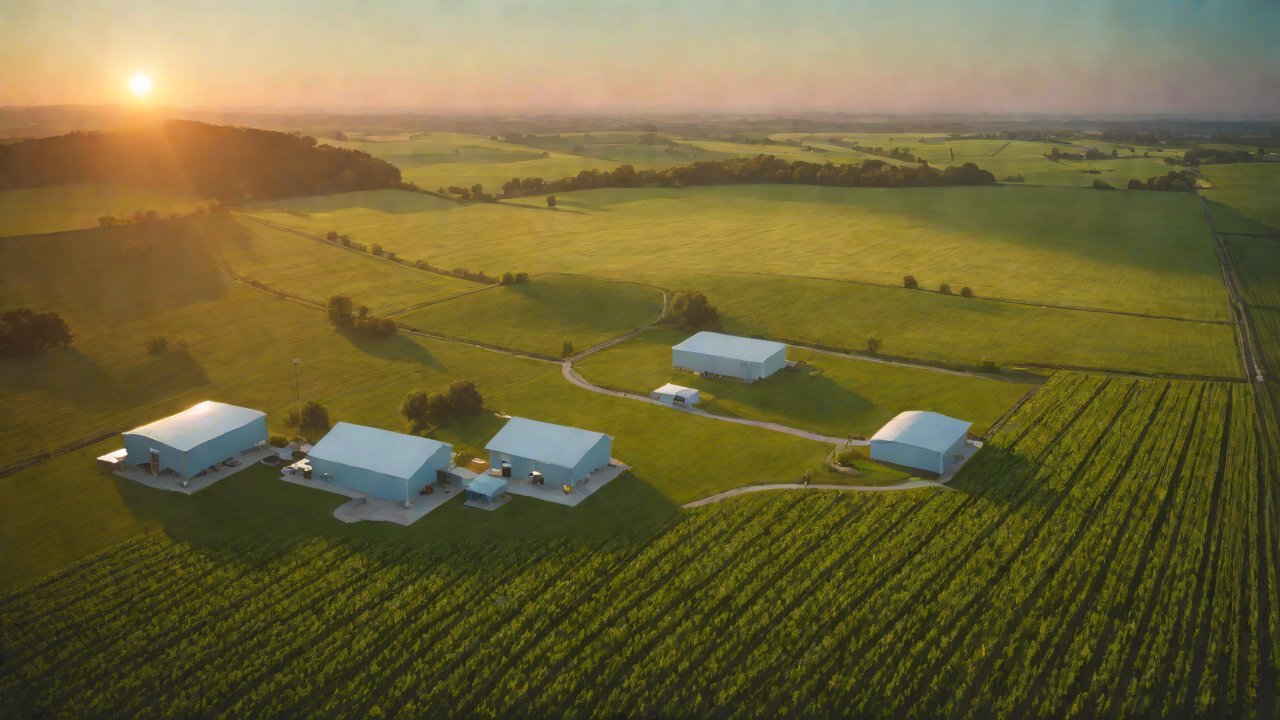
The sun rises over a lush green landscape, casting a warm glow on the rolling hills of farmland that stretch as far as the eye can see. It’s a picturesque scene, but one that belies the complex web of relationships between neighboring farmers who rely on data sharing to optimize their yields and stay ahead in an increasingly competitive market. As we delve into the world of precision agriculture, it becomes clear that the tension between privacy and cooperation is a delicate balancing act.
The use of data analytics has become ubiquitous in modern farming practices. From soil moisture sensors to crop monitoring drones, the amount of data generated by these devices is staggering. Neighboring farmers often share this data to gain insights into best practices, predict weather patterns, and optimize their irrigation systems. However, as we increasingly rely on data sharing, concerns about privacy begin to surface.
Farmers are not just worried about protecting their own data; they’re also concerned about the potential risks of sharing sensitive information with neighboring farmers who may have competing interests. What if a neighboring farmer uses shared data to undercut prices or sabotage a competitor’s crops? The fear of being exploited is very real, and it’s a concern that’s not limited to large-scale industrial farms.
According to a recent survey by Farm Bureau Federation, 75% of respondents believed that sharing farm data could lead to increased competition and potentially harm their business. This is particularly concerning for small-scale farmers who often operate on thin margins and rely heavily on cooperation with neighboring farmers to stay afloat.
1. The Landscape of Data Sharing in Agriculture
The landscape of data sharing in agriculture is complex, with multiple stakeholders involved at every level. From government agencies that regulate data collection and sharing to technology companies that provide the tools for data analysis, there are many factors at play.
| Stakeholder | Role |
|---|---|
| Government Agencies | Regulate data collection and sharing |
| Technology Companies | Provide tools for data analysis and sharing |
| Farmers | Share and receive data from neighboring farmers |
| Data Brokers | Buy and sell anonymized farm data |
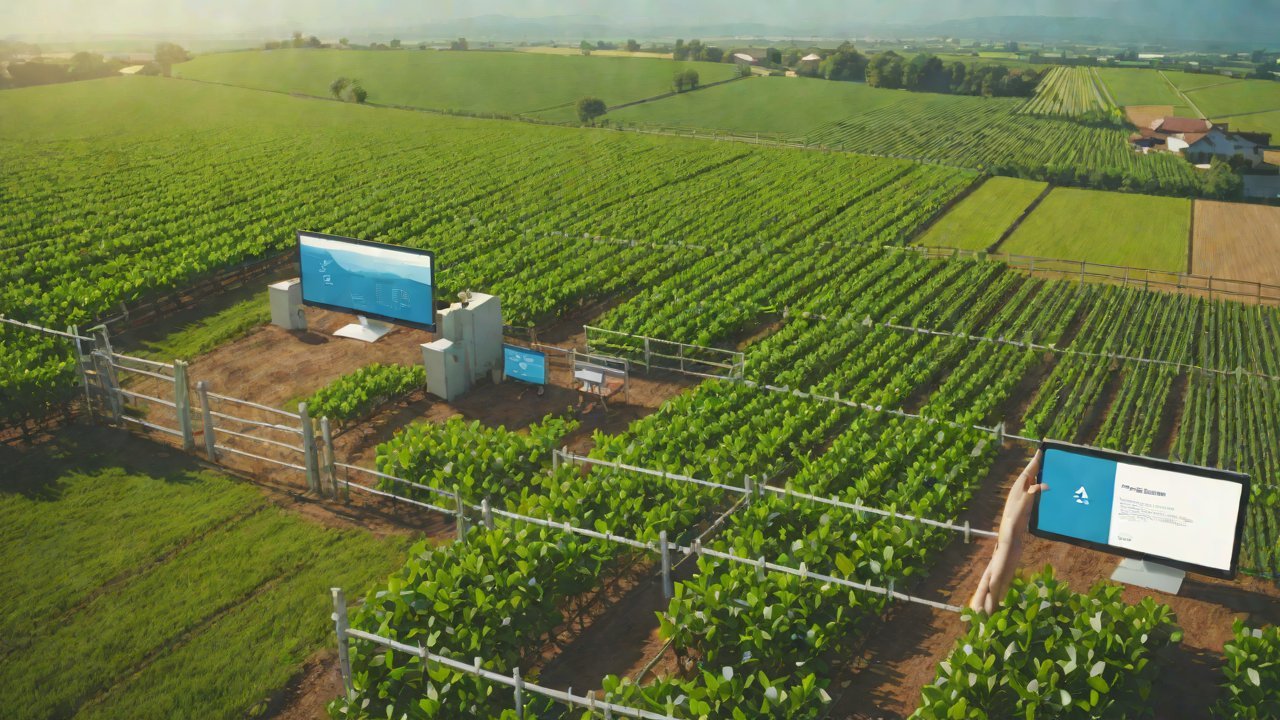
The use of data brokers is a relatively new development in the world of agriculture. These companies collect, analyze, and sell anonymized farm data to other stakeholders, often without the knowledge or consent of the farmers involved.
2. The Trade-Offs Between Privacy and Cooperation
As we navigate the complex web of relationships between neighboring farmers, it becomes clear that there are trade-offs between privacy and cooperation. Farmers who share their data may gain valuable insights into best practices and improve their yields, but they also risk exposing sensitive information to competitors.
| Cooperation Level | Privacy Concerns |
|---|---|
| High | High risk of sensitive information exposure |
| Medium | Moderate risk of sensitive information exposure |
| Low | Low risk of sensitive information exposure |
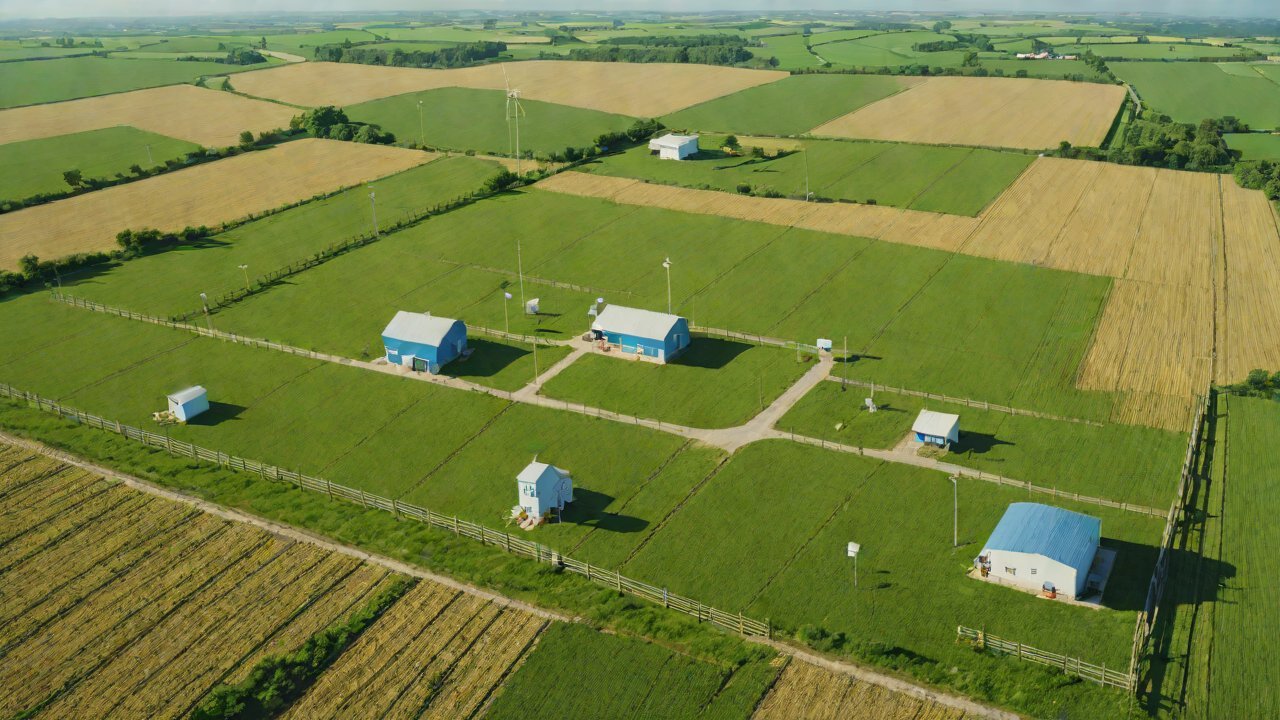
To mitigate these risks, some farmers are turning to alternative methods for data sharing. For example, they may use anonymized data or employ encryption techniques to protect their sensitive information.
3. Emerging Technologies and the Future of Data Sharing
Emerging technologies like blockchain and artificial intelligence (AI) are poised to revolutionize the way we think about data sharing in agriculture. These technologies offer new ways for farmers to securely share their data while maintaining control over who has access to it.
| Technology | Benefits |
|---|---|
| Blockchain | Secure, transparent, and tamper-proof data sharing |
| AI | Predictive analytics and real-time insights into crop health |
However, these technologies also present new challenges. For example, the use of blockchain requires significant investment in infrastructure and training for farmers.
4. Case Studies and Best Practices
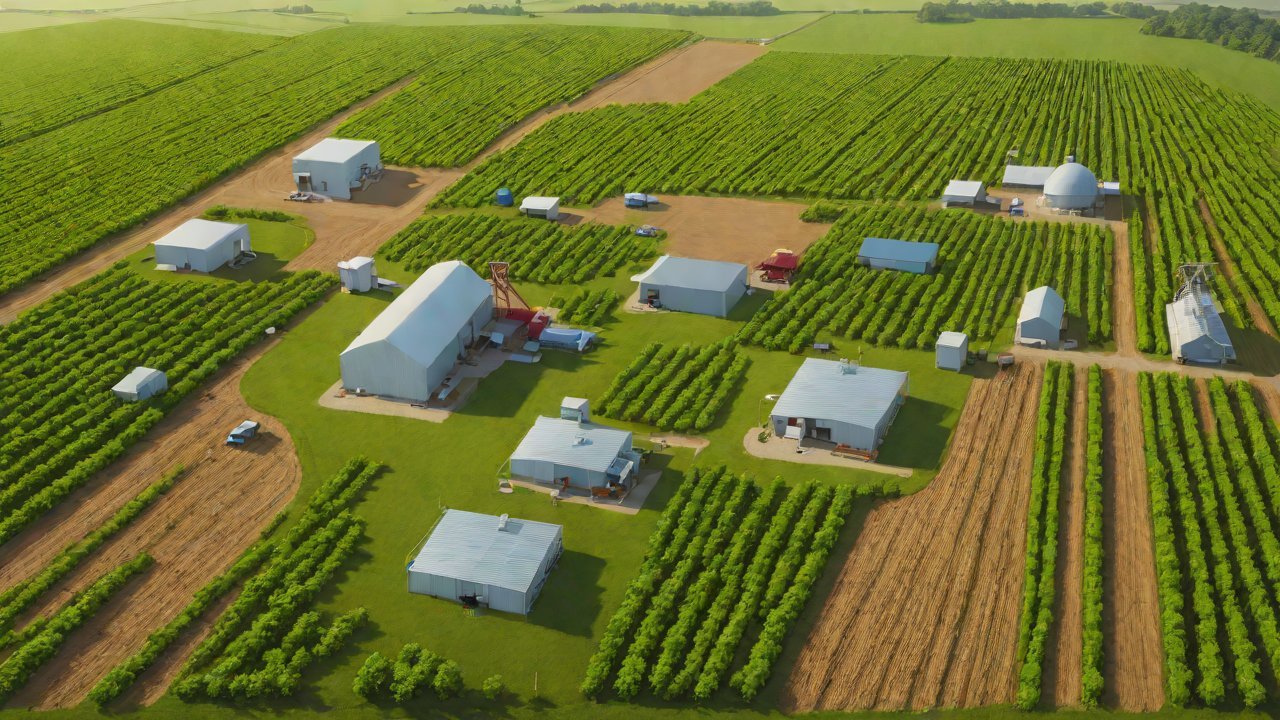
Several case studies demonstrate the benefits and risks of data sharing between neighboring farmers. In one notable example, a group of farmers in California formed a cooperative to share their data and gain insights into best practices. However, as they began to share more sensitive information, tensions arose among the members.
| Case Study | Key Takeaways |
|---|---|
| Cooperative Farming | Benefits from shared data, but risks exposure of sensitive information |
| Alternative Data Sharing Methods | Employ anonymized data and encryption techniques to protect sensitive information |
Best practices for balancing privacy and cooperation in data sharing between neighboring farmers include:
- Clearly defining data ownership and control
- Establishing secure and transparent methods for data sharing
- Educating farmers on the benefits and risks of data sharing
5. Conclusion
The tension between privacy and cooperation in data sharing between neighboring farmers is a complex issue that requires careful consideration. By understanding the trade-offs between these competing interests, we can develop strategies for balancing them.
Farmers must be aware of the potential risks and benefits associated with data sharing and take steps to protect their sensitive information. Governments and technology companies have a critical role to play in regulating data collection and sharing while promoting secure and transparent methods for cooperation.
As we move forward into an increasingly digital landscape, it’s clear that finding a balance between privacy and cooperation will be essential for the future of agriculture.
IOT Cloud Platform
IOT Cloud Platform is an IoT portal established by a Chinese IoT company, focusing on technical solutions in the fields of agricultural IoT, industrial IoT, medical IoT, security IoT, military IoT, meteorological IoT, consumer IoT, automotive IoT, commercial IoT, infrastructure IoT, smart warehousing and logistics, smart home, smart city, smart healthcare, smart lighting, etc.
The IoT Cloud Platform blog is a top IoT technology stack, providing technical knowledge on IoT, robotics, artificial intelligence (generative artificial intelligence AIGC), edge computing, AR/VR, cloud computing, quantum computing, blockchain, smart surveillance cameras, drones, RFID tags, gateways, GPS, 3D printing, 4D printing, autonomous driving, etc.