
How can potato central irrigation sprinkler systems wirelessly link with real-time soil moisture monitoring nodes?
Potato farms are increasingly adopting precision agriculture techniques to optimize water usage and crop yields. One crucial aspect of this approach is the integration of wireless soil moisture monitoring with centralized irrigation control systems. This allows farmers to make data-driven decisions, adjust watering schedules in real-time, and ensure their crops receive exactly what they need. The goal of this report is to explore the possibilities of linking potato central irrigation sprinkler systems wirelessly with real-time soil moisture monitoring nodes.
1. Background on Precision Irrigation
Precision agriculture involves using advanced technologies to optimize crop yields while minimizing waste and environmental impact. In the context of potato farming, precision irrigation plays a vital role in ensuring that water is used efficiently. Traditional irrigation methods often rely on fixed schedules or manual adjustments, which can lead to overwatering or underwatering.
The use of soil moisture sensors and wireless monitoring systems has become increasingly popular among farmers seeking to adopt more precise irrigation strategies. These systems enable real-time monitoring of soil moisture levels, allowing farmers to adjust watering schedules accordingly. However, integrating these systems with existing central irrigation control systems poses a significant technical challenge.
2. Wireless Communication Protocols for Soil Moisture Monitoring
Several wireless communication protocols are suitable for linking soil moisture monitoring nodes with centralized irrigation control systems. Some of the most commonly used protocols include:
| Protocol | Description |
|---|---|
| LoRaWAN | A low-power, wide-area network (LPWAN) protocol ideal for long-range communication in agricultural settings. |
| Sigfox | Another LPWAN technology offering high coverage and low power consumption. |
| Bluetooth Low Energy (BLE) | A short-range wireless technology suitable for small-scale monitoring applications. |
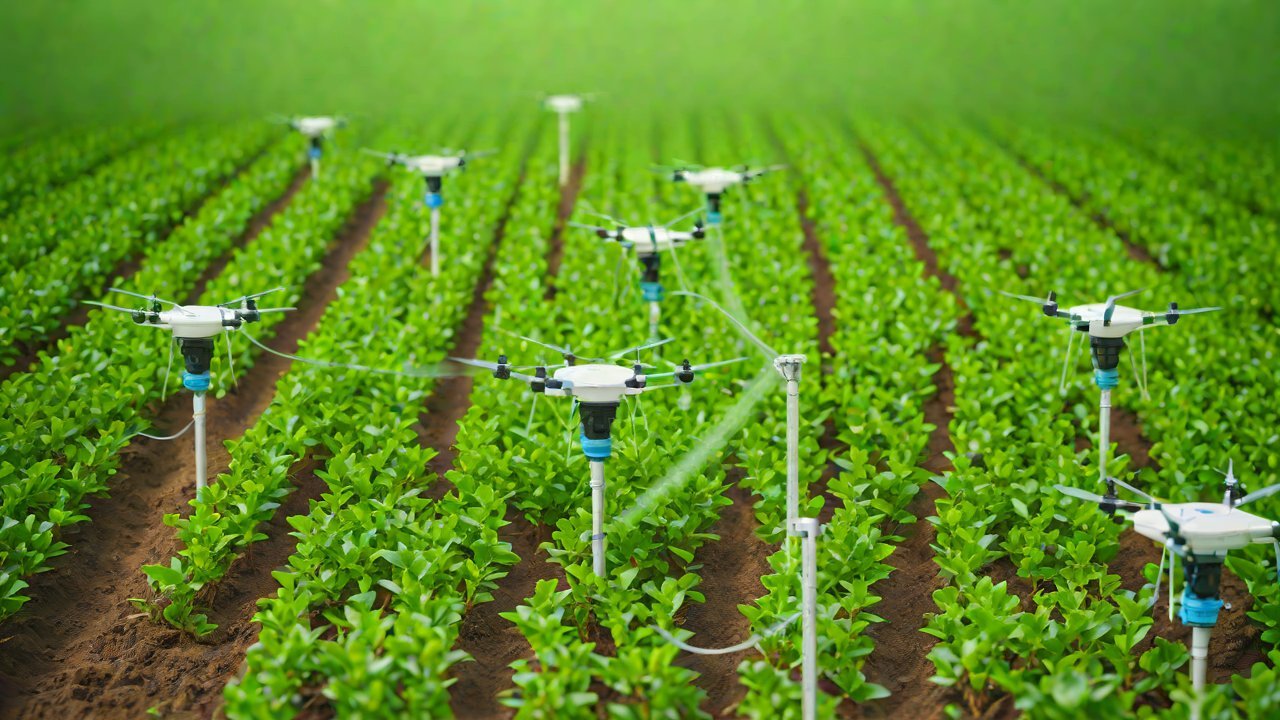
These protocols differ primarily in their range, data transfer rates, and power requirements.
3. Soil Moisture Monitoring Nodes
Real-time soil moisture monitoring nodes are the heart of any precision irrigation system. These nodes typically consist of a sensor unit that measures soil moisture levels and transmits this information to a central controller or gateway. The key components of these nodes include:
| Component | Description |
|---|---|
| Soil Moisture Sensor | Measures soil water content, usually using capacitance or resistive principles. |
| Microcontroller | Processes data from the sensor and sends it wirelessly to the central controller. |
| Wireless Transceiver | Enables communication between the node and the central controller using a chosen protocol (e.g., LoRaWAN). |
4. Centralized Irrigation Control Systems
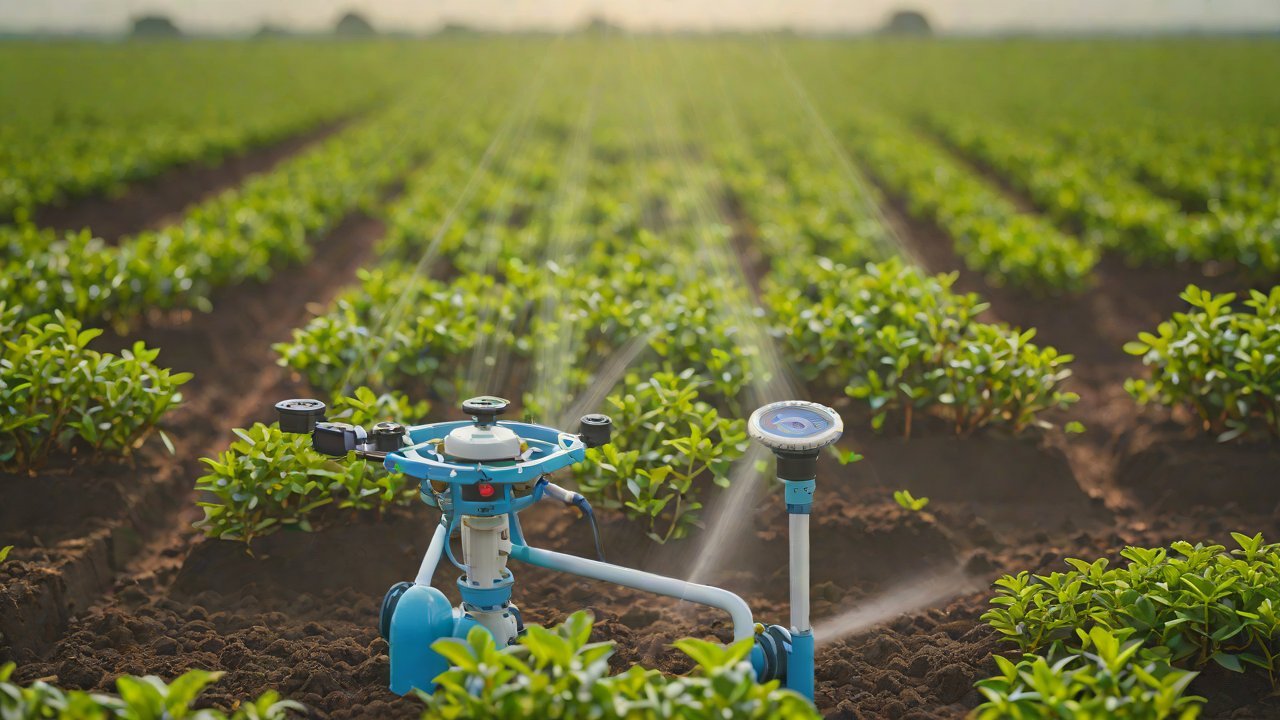
Centralized irrigation control systems are responsible for receiving soil moisture data from monitoring nodes and adjusting watering schedules accordingly. These systems typically consist of:
| Component | Description |
|---|---|
| Central Controller | Processes data from multiple nodes, adjusts watering schedules in real-time. |
| Actuators (Valves/Pumps) | Control the flow of water to individual sprinkler zones or irrigation lines. |
5. Integration Challenges and Considerations
While integrating wireless soil moisture monitoring with centralized irrigation control systems is theoretically straightforward, several challenges must be addressed:
- Power Requirements: Monitoring nodes require low power consumption to extend battery life.
- Interoperability: Ensuring seamless communication between different node types and protocols can be complex.
- Scalability: As the number of nodes increases, so does the complexity of system management.
6. Market Trends and AIGC Perspectives
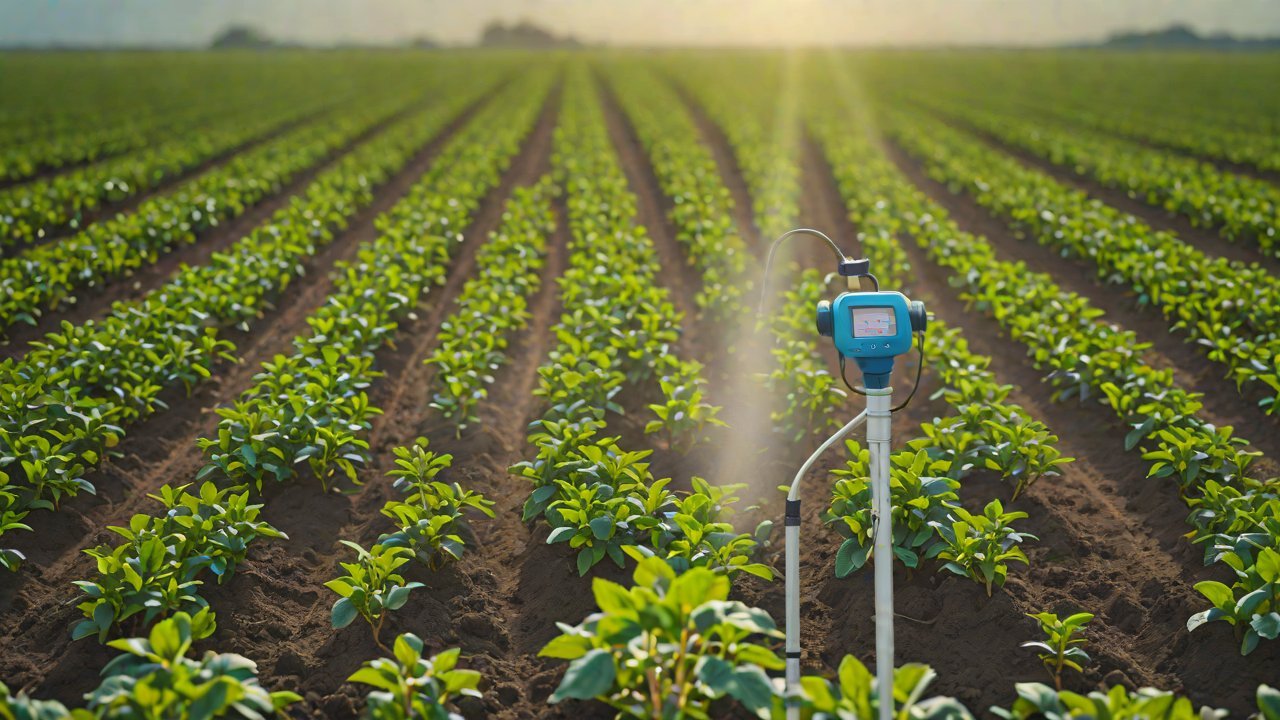
The global precision agriculture market is growing rapidly, driven by increasing demand for sustainable farming practices and improved crop yields. The use of wireless soil moisture monitoring in this context is expected to become increasingly prevalent as farmers seek to reduce water waste and optimize resource allocation.
Some key players in the precision irrigation market include:
| Company | Description |
|---|---|
| Netafim | Offers a range of precision irrigation solutions, including wireless soil moisture monitoring. |
| Rivulis Irrigation | Develops innovative irrigation systems that integrate with real-time monitoring technologies. |
7. Implementation Roadmap
Implementing a wireless link between potato central irrigation sprinkler systems and real-time soil moisture monitoring nodes requires careful planning and execution:
- System Design: Determine the optimal node type, protocol, and communication architecture.
- Hardware Installation: Deploy monitoring nodes in strategic locations throughout the farm.
- Software Configuration: Set up the central controller to receive data from nodes and adjust watering schedules accordingly.
8. Conclusion
Integrating wireless soil moisture monitoring with centralized irrigation control systems offers significant benefits for potato farmers seeking to optimize water usage and crop yields. By addressing the challenges of power requirements, interoperability, and scalability, farmers can create more efficient and sustainable farming practices.
IOT Cloud Platform
IOT Cloud Platform is an IoT portal established by a Chinese IoT company, focusing on technical solutions in the fields of agricultural IoT, industrial IoT, medical IoT, security IoT, military IoT, meteorological IoT, consumer IoT, automotive IoT, commercial IoT, infrastructure IoT, smart warehousing and logistics, smart home, smart city, smart healthcare, smart lighting, etc.
The IoT Cloud Platform blog is a top IoT technology stack, providing technical knowledge on IoT, robotics, artificial intelligence (generative artificial intelligence AIGC), edge computing, AR/VR, cloud computing, quantum computing, blockchain, smart surveillance cameras, drones, RFID tags, gateways, GPS, 3D printing, 4D printing, autonomous driving, etc.
Note: This article was professionally generated with the assistance of AIGC and has been fact-checked and manually corrected by IoT expert editor IoTCloudPlatForm.