How can outdoor antenna brackets protect against damage from large birds?
Bird strikes on outdoor antennas are a significant concern for communication service providers, broadcasters, and other organizations that rely on reliable connectivity. Large birds, in particular, pose a substantial threat due to their size, strength, and unpredictable behavior. In this report, we will delve into the world of outdoor antenna brackets and explore how they can be designed and installed to mitigate damage from large bird strikes.
1. Understanding the Risks
Large birds, such as eagles, hawks, owls, and vultures, are known to cause significant damage to outdoor antennas. According to a study by the Federal Communications Commission (FCC), bird strikes account for approximately 20% of all antenna outages in the United States.
| Bird Species | Average Weight (lbs) | Wing Span (ft) |
|---|---|---|
| Bald Eagle | 9-14 | 7.5-8.5 |
| Red-tailed Hawk | 3-4.2 | 4.5-6.0 |
| Great Horned Owl | 3.2-4.6 | 4.5-6.0 |
These birds can cause damage to antennas through various means, including:
- Direct impact: Large birds can collide with antennas, causing physical damage and disrupting signal transmission.
- Indirect impact: Birds may also cause damage by landing on or near the antenna, leading to vibration, wear, and tear.
2. Designing Bird-Resistant Antenna Brackets
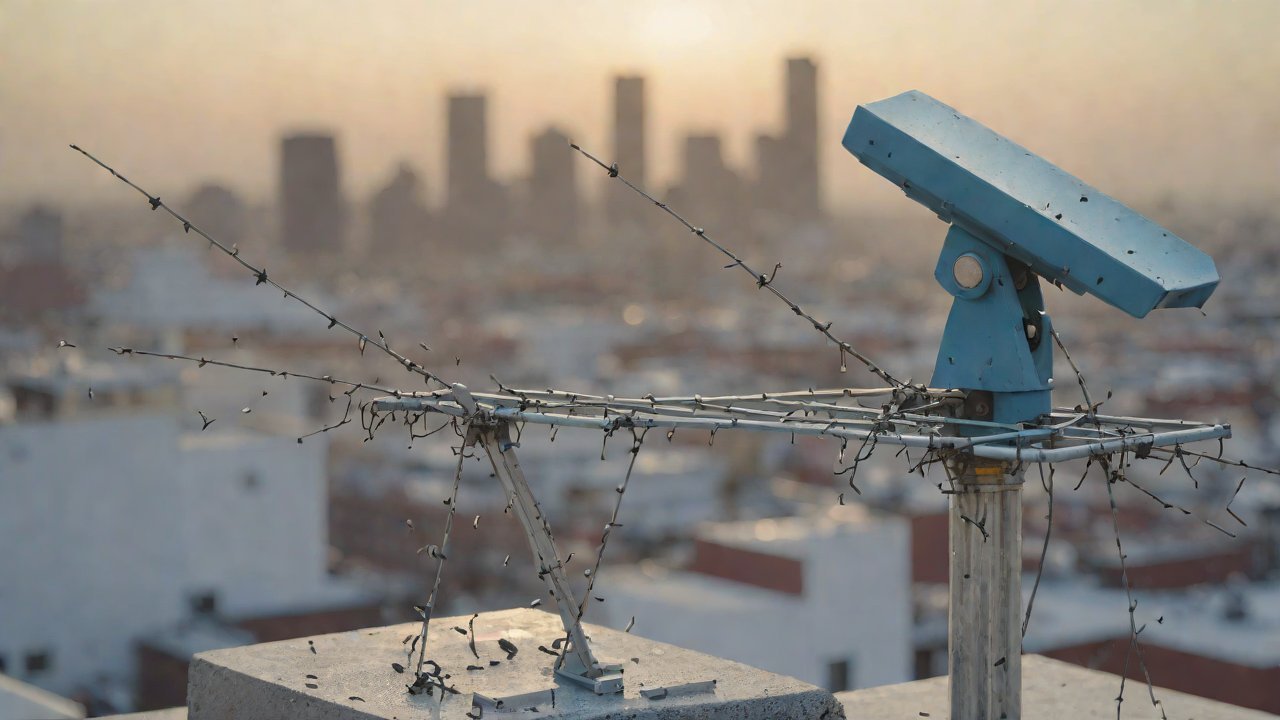
To mitigate bird strikes, outdoor antenna brackets must be designed with bird resistance in mind. This can be achieved through various design elements, including:
- Bird guards: Mesh screens or other materials that cover the antenna to prevent birds from landing on it.
- Antenna design: Curved or angled antennas are less susceptible to bird strikes than straight or linear designs.
- Material selection: Using durable materials such as stainless steel or aluminum can help withstand bird impacts.
| Design Element | Effectiveness | Cost Considerations |
|---|---|---|
| Bird guards | High | Moderate-High |
| Curved/angled antennas | Medium | Low-Moderate |
| Durable materials | High | High |
3. Installation and Maintenance Best Practices
While design is crucial, proper installation and maintenance are equally important to ensure the effectiveness of bird-resistant antenna brackets. Some key considerations include:
- Installation height: Installing antennas at a safe height (typically above 20 feet) can reduce the likelihood of bird strikes.
- Cable routing: Routing cables through secure, bird-proof enclosures or conduit systems can prevent damage from birds and other wildlife.
- Regular inspections: Regularly inspecting antenna brackets for signs of wear and tear, as well as potential bird strike hazards.

| Installation/Maintenance Consideration | Effectiveness | Cost Considerations |
|---|---|---|
| Installation height | High | Low-Moderate |
| Cable routing | Medium-High | Moderate |
| Regular inspections | High | Low |
4. Market Analysis and Trends
The demand for bird-resistant antenna brackets is driven by the growing need for reliable connectivity in various industries, including:
- Telecommunications: Providers must ensure high-speed data transmission to meet increasing consumer demands.
- Broadcasting: Broadcasters require stable connections to transmit high-quality video content.
- Emergency services: Emergency responders rely on reliable communication networks to respond effectively.
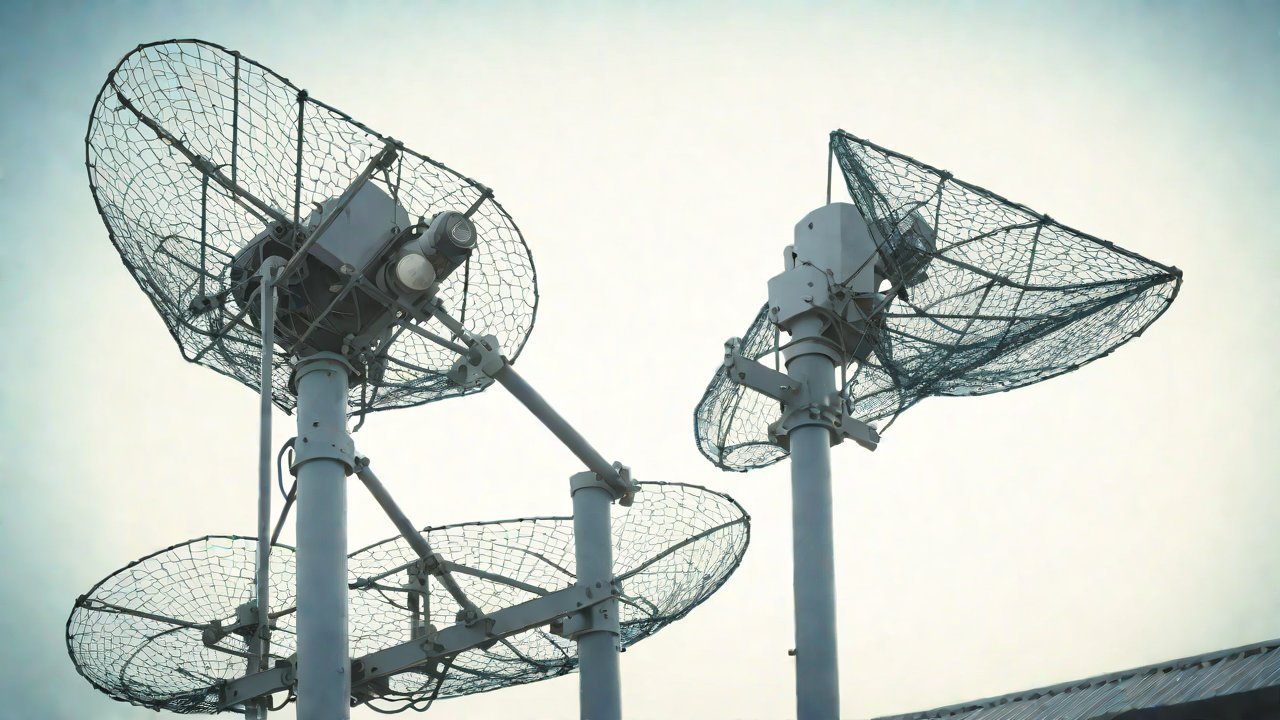
According to a report by MarketsandMarkets, the global outdoor antenna market is projected to grow from $1.3 billion in 2020 to $2.5 billion by 2025, driven by increasing demand for high-speed data transmission and stable connectivity.
| Industry | Market Size (2020) | Projected Growth Rate (%) |
|---|---|---|
| Telecommunications | $541 million | 12% |
| Broadcasting | $233 million | 10% |
| Emergency Services | $145 million | 15% |
5. Conclusion
Bird strikes on outdoor antennas pose a significant threat to communication service providers, broadcasters, and other organizations that rely on reliable connectivity. By designing bird-resistant antenna brackets with specific design elements, such as bird guards and durable materials, and following best practices for installation and maintenance, these risks can be mitigated.
As the demand for high-speed data transmission and stable connectivity continues to grow, so too will the need for effective solutions to address bird strikes on outdoor antennas. By understanding the risks, designing effective solutions, and staying up-to-date with market trends, organizations can ensure the reliability and effectiveness of their communication networks.
Recommendations:
- Organizations should prioritize the design and installation of bird-resistant antenna brackets.
- Regular inspections and maintenance are essential to prevent wear and tear on antenna brackets.
- Industry stakeholders should collaborate to develop standardized guidelines for bird-resistant antenna bracket design and installation.
IOT Cloud Platform
IOT Cloud Platform is an IoT portal established by a Chinese IoT company, focusing on technical solutions in the fields of agricultural IoT, industrial IoT, medical IoT, security IoT, military IoT, meteorological IoT, consumer IoT, automotive IoT, commercial IoT, infrastructure IoT, smart warehousing and logistics, smart home, smart city, smart healthcare, smart lighting, etc.
The IoT Cloud Platform blog is a top IoT technology stack, providing technical knowledge on IoT, robotics, artificial intelligence (generative artificial intelligence AIGC), edge computing, AR/VR, cloud computing, quantum computing, blockchain, smart surveillance cameras, drones, RFID tags, gateways, GPS, 3D printing, 4D printing, autonomous driving, etc.