How can laser-engraved encoding and chip-stored information achieve physical dual backup?
In the realm of data security, the concept of dual backup has been a cornerstone of best practices for decades. With the advent of cutting-edge technologies such as laser-engraved encoding and chip-stored information, the traditional notions of data redundancy are being rewritten. The fusion of physical and digital storage solutions has given rise to a new paradigm, where the distinction between physical and digital backup is becoming increasingly blurred.
1. The Evolution of Data Backup
Data backup has been an essential component of data management, with various methods employed to ensure data integrity and availability. Physical backup, such as tape or disk storage, has long been the standard, while digital backup, including cloud storage and data replication, has become increasingly popular. However, with the exponential growth of data, traditional backup methods are facing challenges in keeping pace with the demands of data storage and retrieval.
2. Laser-Engraved Encoding: A New Paradigm in Data Storage
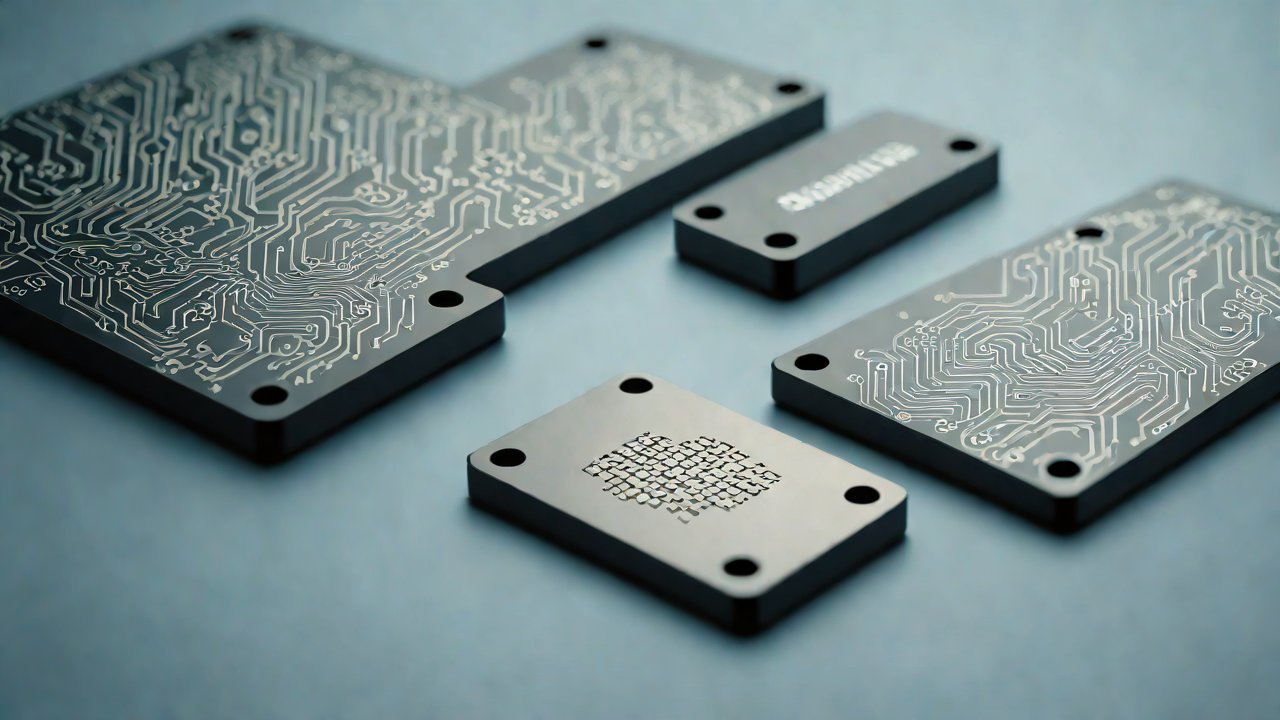
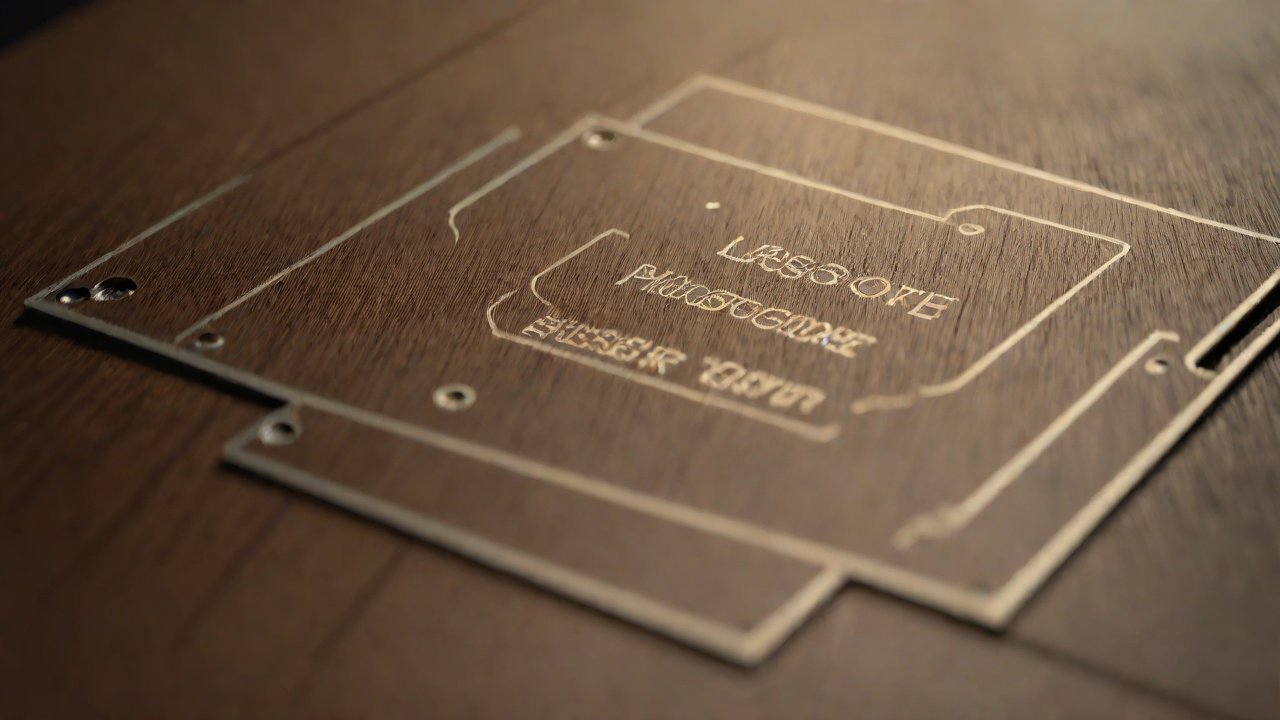
Laser-engraved encoding, also known as laser engraving or laser marking, has emerged as a novel method for data storage and retrieval. This technique involves using a laser to engrave data onto a physical medium, such as metal, glass, or plastic. The advantages of laser-engraved encoding include:
| Feature | Description |
|---|---|
| Security | Data stored through laser engraving is resistant to tampering and unauthorized access. |
| Durability | Laser-engraved data can withstand extreme temperatures, humidity, and other environmental factors. |
| Scalability | Laser engraving can be used to store large amounts of data, making it suitable for high-capacity applications. |

3. Chip-Stored Information: A Digital-Physical Hybrid
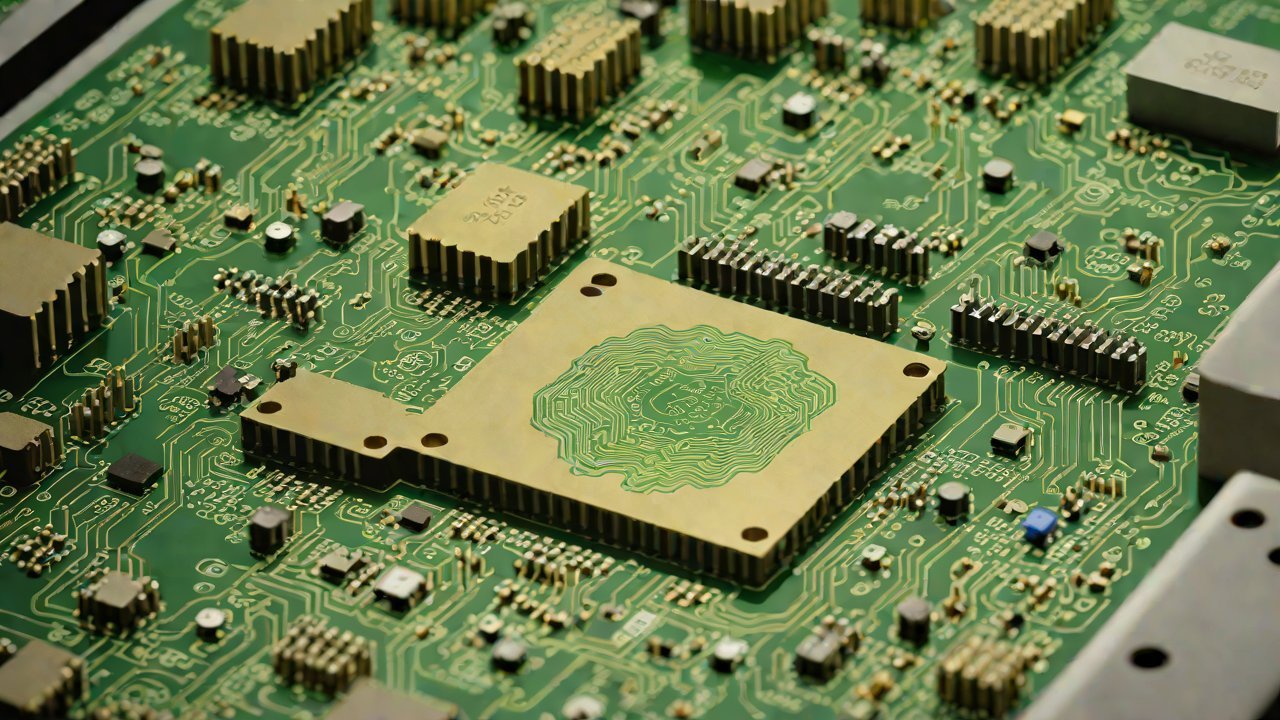
Chip-stored information, also known as embedded systems or chip-based storage, involves storing data within a small chip or microcontroller. This technology combines the benefits of digital storage with the physical security of a chip-based medium. The advantages of chip-stored information include:
| Feature | Description |
|---|---|
| Security | Data stored within a chip is protected from unauthorized access and tampering. |
| Compactness | Chip-stored information is highly compact, making it suitable for use in IoT devices and other space-constrained applications. |
| Power Efficiency | Chip-stored information requires minimal power to operate, reducing energy consumption and extending battery life. |
4. Physical Dual Backup through Laser-Engraved Encoding and Chip-Stored Information
The integration of laser-engraved encoding and chip-stored information offers a novel approach to achieving physical dual backup. By storing data in both a physical medium (e.g., metal or glass) and a chip-based medium, organizations can ensure that their data is not only protected from digital threats but also safeguarded against physical damage or loss.
| Scenario | Description |
|---|---|
| Laser-Engraved Encoding | Data is stored on a physical medium through laser engraving, providing a secure and tamper-evident storage solution. |
| Chip-Stored Information | Data is stored within a chip or microcontroller, offering a compact and power-efficient storage solution. |
5. Technical Perspectives on Physical Dual Backup
From a technical standpoint, the combination of laser-engraved encoding and chip-stored information offers several benefits:
- Data Integrity: Physical dual backup ensures that data is stored in multiple, independent mediums, reducing the risk of data loss or corruption.
- Security: The use of laser-engraved encoding and chip-stored information provides an additional layer of security, protecting against unauthorized access and tampering.
- Scalability: The integration of laser-engraved encoding and chip-stored information enables the storage of large amounts of data, making it suitable for high-capacity applications.
6. Market Trends and Adoption
The market for laser-engraved encoding and chip-stored information is experiencing rapid growth, driven by the increasing demand for secure and reliable data storage solutions. According to market research, the global laser engraving market is expected to reach $4.3 billion by 2025, while the chip-stored information market is projected to reach $14.5 billion by 2027.
7. Implementation and Future Directions
Implementing physical dual backup through laser-engraved encoding and chip-stored information requires a comprehensive approach, involving the following steps:
- Data Selection: Identify the data to be stored and determine the most suitable medium for storage (e.g., metal, glass, or chip-based).
- Data Preparation: Prepare the data for storage by formatting and encoding it according to the chosen medium’s specifications.
- Storage: Store the data on the physical medium through laser engraving and within a chip or microcontroller.
- Verification: Verify the integrity and accuracy of the stored data through regular checks and audits.
As the market for laser-engraved encoding and chip-stored information continues to evolve, we can expect to see new applications and use cases emerge. The integration of these technologies will play a crucial role in shaping the future of data storage and retrieval, enabling organizations to achieve physical dual backup and ensure the long-term security and availability of their data.
IOT Cloud Platform
IOT Cloud Platform is an IoT portal established by a Chinese IoT company, focusing on technical solutions in the fields of agricultural IoT, industrial IoT, medical IoT, security IoT, military IoT, meteorological IoT, consumer IoT, automotive IoT, commercial IoT, infrastructure IoT, smart warehousing and logistics, smart home, smart city, smart healthcare, smart lighting, etc.
The IoT Cloud Platform blog is a top IoT technology stack, providing technical knowledge on IoT, robotics, artificial intelligence (generative artificial intelligence AIGC), edge computing, AR/VR, cloud computing, quantum computing, blockchain, smart surveillance cameras, drones, RFID tags, gateways, GPS, 3D printing, 4D printing, autonomous driving, etc.