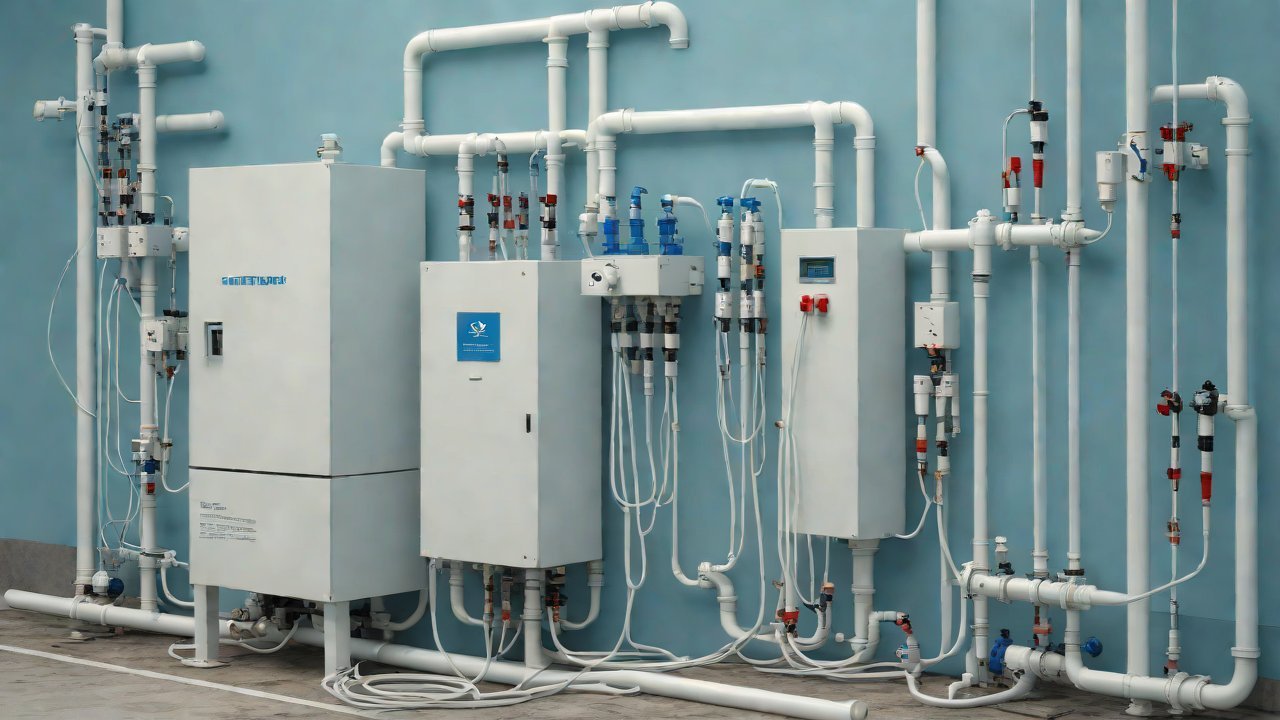
How can irrigation water be prevented from seeping into the control box along the cable?
The age-old problem of irrigation water seepage into control boxes along cables is a pervasive issue that has plagued agricultural communities for decades. It’s a challenge that affects not only the efficiency of irrigation systems but also the overall productivity and sustainability of farming operations. In this report, we will delve into the complexities of this issue and provide a comprehensive analysis of the causes, consequences, and solutions to prevent water seepage into control boxes along cables.
1. Causes of Water Seepage
Water seepage into control boxes along cables is often attributed to poor design, inadequate installation, or insufficient maintenance. However, there are several other factors that contribute to this issue:
- Inadequate Cable Protection: Failing to provide sufficient protection for the cable against water ingress can lead to seepage.
- Poor Control Box Design: A control box that is not designed with proper drainage or waterproofing features can allow water to accumulate and cause damage.
- Inadequate Installation: Incorrect installation of cables, pipes, or other components can create vulnerabilities for water entry.
| Cause | Description |
|---|---|
| Inadequate Cable Protection | Failing to provide sufficient protection for the cable against water ingress |
| Poor Control Box Design | A control box that is not designed with proper drainage or waterproofing features |
| Inadequate Installation | Incorrect installation of cables, pipes, or other components |
2. Consequences of Water Seepage
The consequences of water seepage into control boxes along cables can be severe and far-reaching:
- Equipment Failure: Water damage to electrical equipment can lead to premature failure, resulting in costly repairs or replacement.
- Crop Losses: Water ingress can cause crop losses due to inadequate irrigation, reduced yields, or even plant disease.
- Safety Risks: Electrical shocks or short circuits caused by water seepage can pose serious safety risks to farmers and their families.
| Consequence | Description |
|---|---|
| Equipment Failure | Water damage to electrical equipment leading to premature failure |
| Crop Losses | Inadequate irrigation, reduced yields, or plant disease due to water ingress |
| Safety Risks | Electrical shocks or short circuits caused by water seepage |
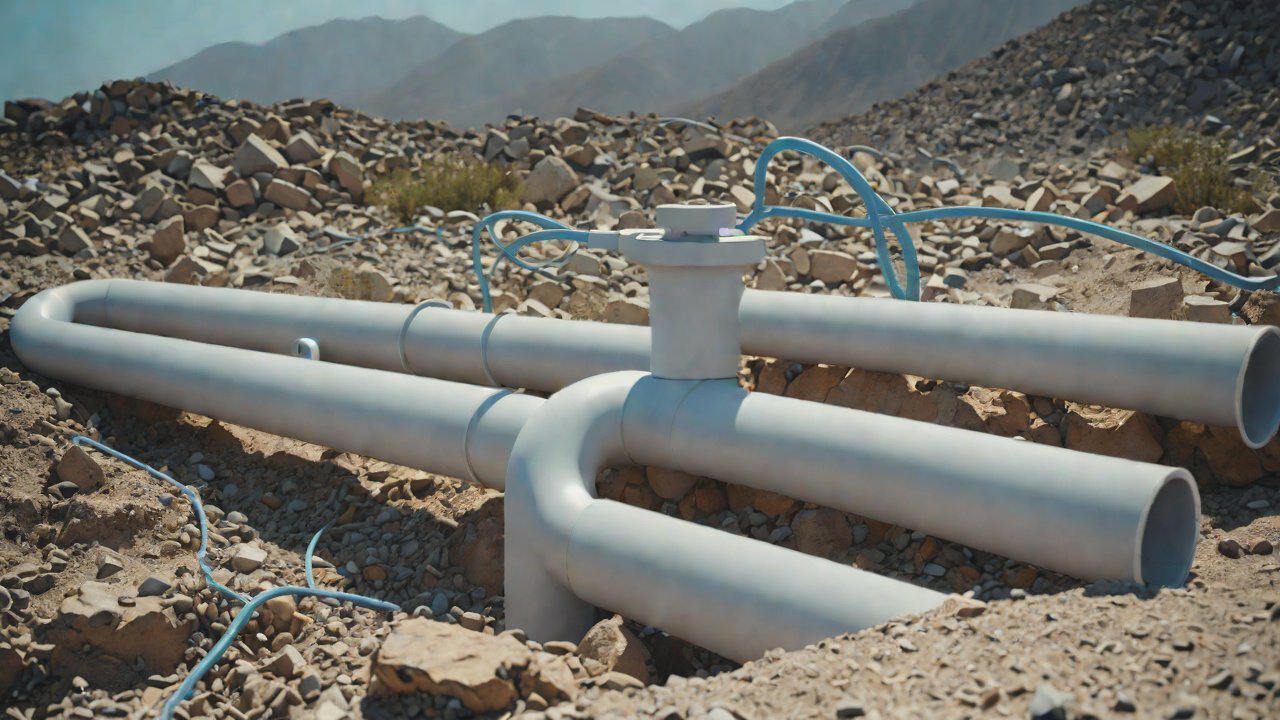
3. Solutions to Prevent Water Seepage
To prevent water seepage into control boxes along cables, several solutions can be implemented:
- Proper Cable Protection: Using cable protectors, conduits, or other protective measures can safeguard against water ingress.
- Control Box Design Improvements: Upgrading control box designs with proper drainage and waterproofing features can prevent water accumulation.
- Correct Installation Practices: Ensuring correct installation of cables, pipes, and other components can eliminate vulnerabilities for water entry.
| Solution | Description |
|---|---|
| Proper Cable Protection | Using cable protectors, conduits, or other protective measures to safeguard against water ingress |
| Control Box Design Improvements | Upgrading control box designs with proper drainage and waterproofing features to prevent water accumulation |
| Correct Installation Practices | Ensuring correct installation of cables, pipes, and other components to eliminate vulnerabilities for water entry |
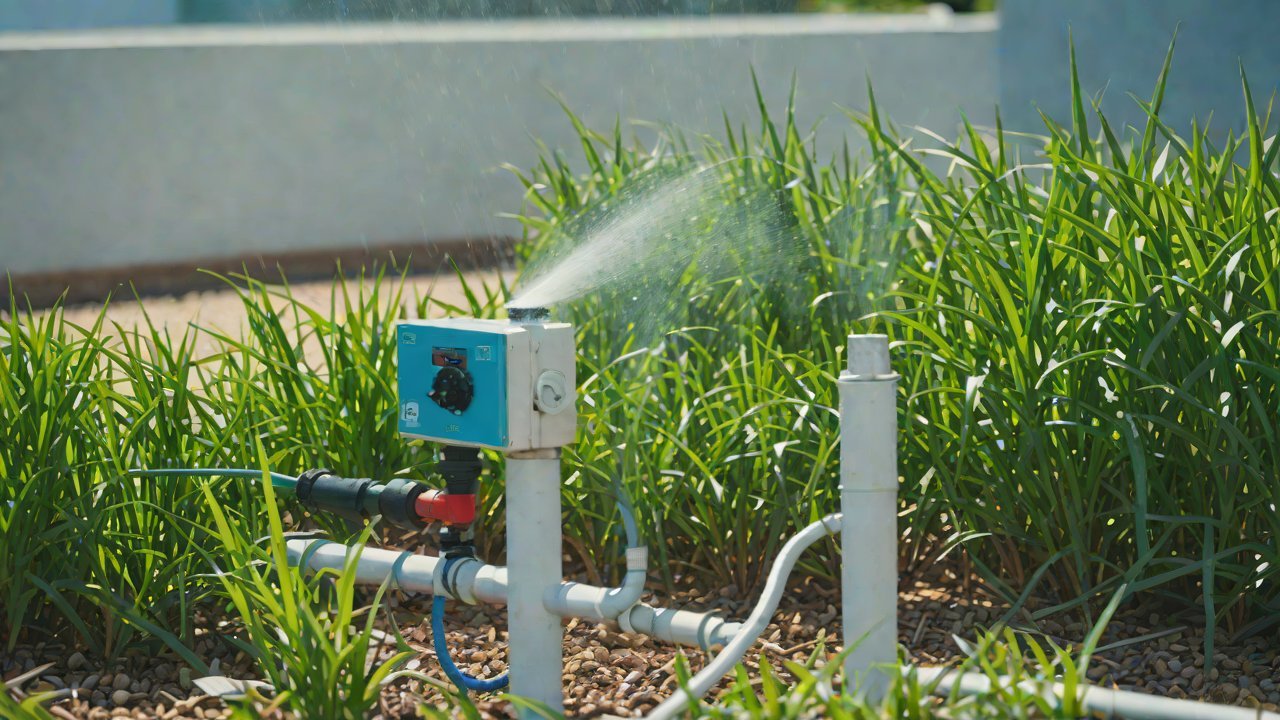
4. Market Trends and AIGC Perspectives
The irrigation industry is rapidly evolving, driven by technological advancements and changing environmental conditions. The Association of Irrigation and Geothermal Contractors (AIGC) provides valuable insights into the market trends and technical perspectives:
- Increasing Adoption of Smart Irrigation Systems: As water scarcity becomes a growing concern, farmers are turning to smart irrigation systems that can optimize water usage.
- Growing Demand for Water-Efficient Technologies: The need for water-efficient technologies is driving innovation in irrigation system design and installation.
| Market Trend | Description |
|---|---|
| Increasing Adoption of Smart Irrigation Systems | As water scarcity becomes a growing concern, farmers are turning to smart irrigation systems that can optimize water usage |
| Growing Demand for Water-Efficient Technologies | The need for water-efficient technologies is driving innovation in irrigation system design and installation |
5. Conclusion
Preventing water seepage into control boxes along cables requires a comprehensive approach that addresses the causes, consequences, and solutions to this issue. By understanding the complexities of this problem and implementing effective solutions, farmers can ensure efficient and sustainable irrigation systems.
As the irrigation industry continues to evolve, it is essential for farmers, contractors, and manufacturers to stay informed about market trends and technical perspectives. By doing so, they can make informed decisions that drive innovation, efficiency, and productivity in their operations.
IOT Cloud Platform
IOT Cloud Platform is an IoT portal established by a Chinese IoT company, focusing on technical solutions in the fields of agricultural IoT, industrial IoT, medical IoT, security IoT, military IoT, meteorological IoT, consumer IoT, automotive IoT, commercial IoT, infrastructure IoT, smart warehousing and logistics, smart home, smart city, smart healthcare, smart lighting, etc.
The IoT Cloud Platform blog is a top IoT technology stack, providing technical knowledge on IoT, robotics, artificial intelligence (generative artificial intelligence AIGC), edge computing, AR/VR, cloud computing, quantum computing, blockchain, smart surveillance cameras, drones, RFID tags, gateways, GPS, 3D printing, 4D printing, autonomous driving, etc.



