How can IoT devices be quickly deployed and migrated under large-scale crop rotation systems?
The agricultural sector is undergoing a significant transformation, driven by the increasing adoption of Internet of Things (IoT) technology. Large-scale crop rotation systems are no exception, with farmers leveraging IoT-enabled devices to optimize crop yields, reduce waste, and improve overall efficiency. However, deploying and migrating these devices can be a complex task, requiring careful planning and execution.
The first step in deploying IoT devices under large-scale crop rotation systems is to identify the specific needs of each farm or region. This involves assessing factors such as soil type, climate, and crop variety, which will determine the optimal types and quantities of devices required.
1. Device Selection
| Device Type | Description | Key Features |
|---|---|---|
| Soil Moisture Sensors | Monitor soil moisture levels in real-time | High accuracy, wireless connectivity |
| Temperature and Humidity Sensors | Measure temperature and humidity levels to optimize crop growth | Compact design, low power consumption |
| Crop Monitoring Cameras | Provide high-resolution images of crops for early disease detection | Wide-angle lens, night vision capability |
2. Network Infrastructure
The next step is to establish a robust network infrastructure that can support the IoT devices. This involves setting up a wireless network that covers the entire farm or region, with a focus on:
- Coverage: Ensuring that all areas of the farm are covered by the network
- Bandwidth: Providing sufficient bandwidth to support real-time data transmission
- Security: Implementing robust security measures to prevent unauthorized access
3. Data Analytics
Once the devices are deployed and connected, it’s essential to analyze the vast amounts of data generated by these sensors. This involves:
- Data Collection: Gathering data from all sources, including sensors, cameras, and weather stations
- Data Processing: Using algorithms and machine learning models to process and interpret the data
- Insights Generation: Deriving actionable insights that inform decision-making
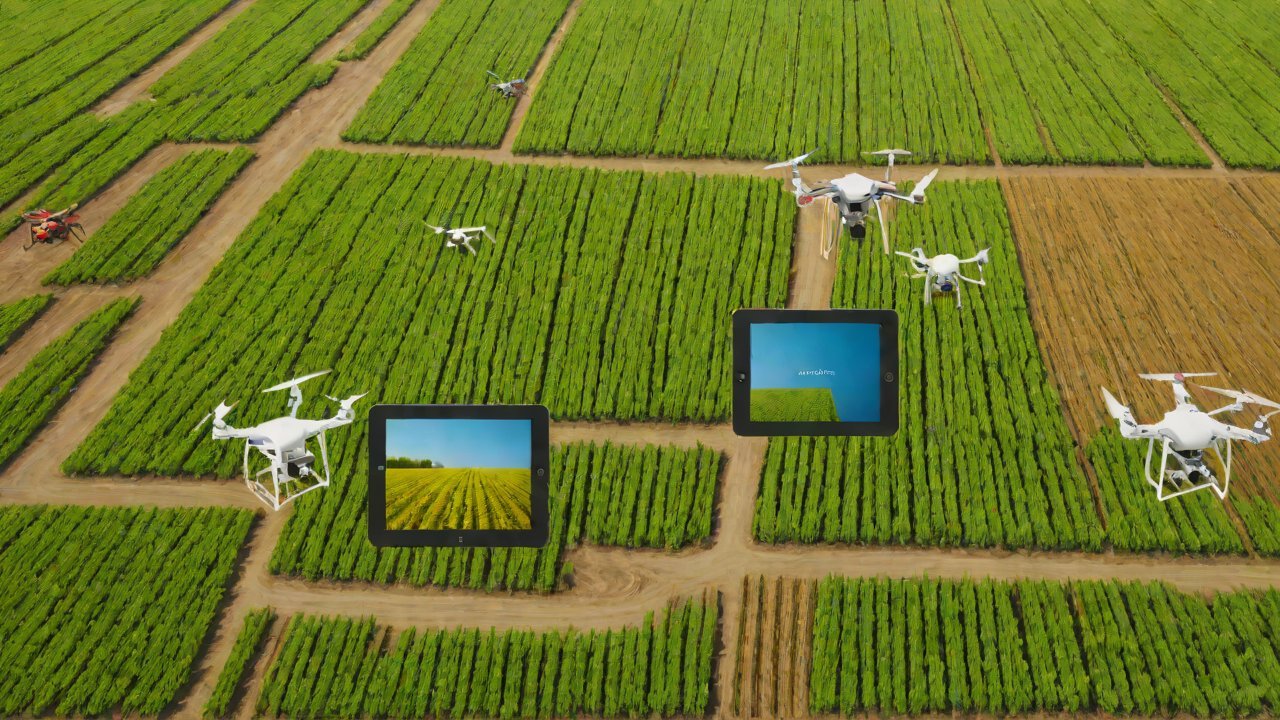
4. Integration with Existing Systems
To ensure seamless integration, IoT devices must be compatible with existing farm management systems. This involves:
- API Development: Creating APIs to facilitate communication between devices and software platforms
- Data Standardization: Ensuring data formats are consistent across all systems
- Integration Testing: Conducting thorough testing to identify any potential issues
5. Migration Strategies
As IoT devices are upgraded or replaced, it’s essential to have a migration strategy in place. This involves:
- Device Swap-out: Replacing existing devices with new ones while minimizing downtime
- Data Transfer: Transferring data from old devices to new ones without loss of information
- System Updates: Updating software and firmware on all connected devices
6. Scalability and Flexibility
Large-scale crop rotation systems require IoT devices that can scale with the farm’s growth. This involves:
- Modular Design: Designing devices with modular components for easy upgrade and replacement
- Cloud-Based Infrastructure: Utilizing cloud-based infrastructure to support large volumes of data
- Collaborative Development: Encouraging collaboration between farmers, developers, and manufacturers to drive innovation
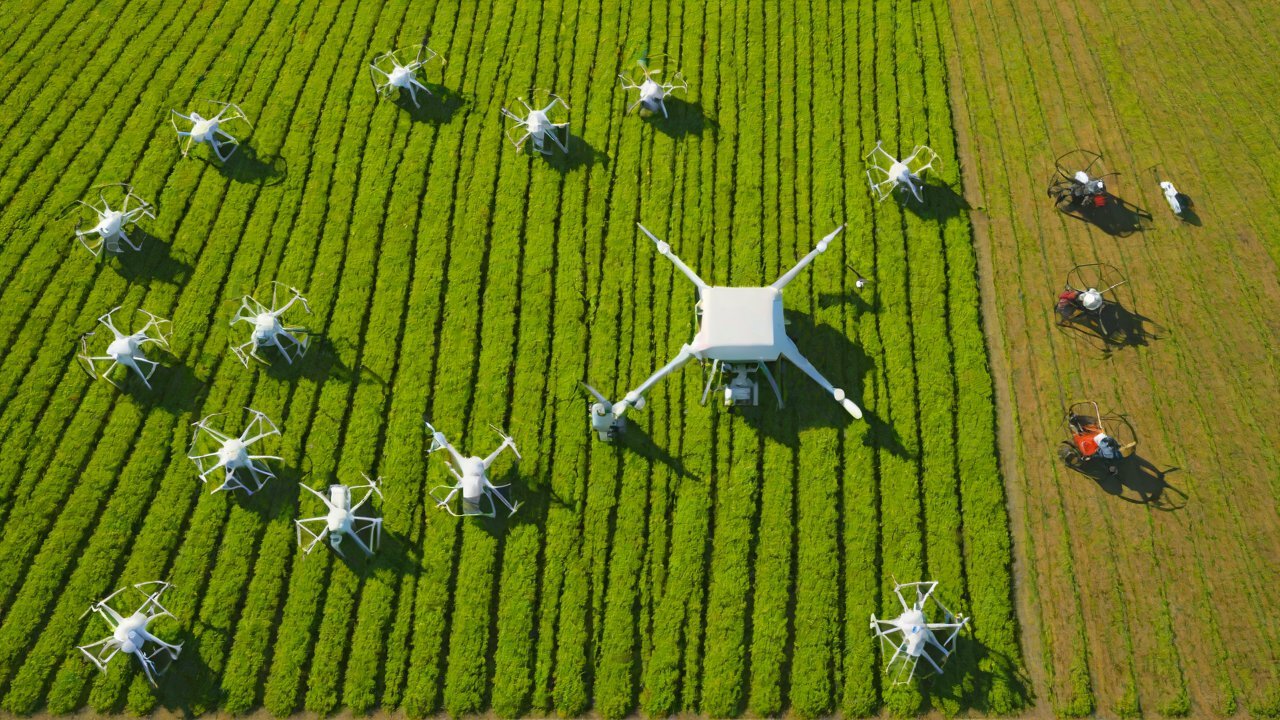
The adoption of IoT technology in large-scale crop rotation systems holds significant promise for improving agricultural efficiency and productivity. By carefully planning device deployment and migration strategies, farmers can unlock the full potential of these innovative solutions.
Market Size and Growth Potential
According to a report by MarketsandMarkets, the global IoT market in agriculture is expected to grow from $2.5 billion in 2020 to $10.8 billion by 2025, at a Compound Annual Growth Rate (CAGR) of 30.4%. This growth is driven by increasing adoption of precision agriculture practices and growing demand for data-driven decision-making.
Technical Perspectives
A report by Grand View Research highlights the importance of developing IoT devices with advanced features such as:
- Artificial Intelligence (AI): Enabling predictive maintenance, crop monitoring, and disease detection
- Machine Learning (ML): Improving accuracy in soil moisture monitoring, temperature control, and fertilizer application
- Internet of Everything (IoE): Integrating sensors, cameras, and weather stations to create a comprehensive view of farm operations
Case Studies
Several case studies demonstrate the effectiveness of IoT devices in large-scale crop rotation systems. For example:
- A study by Bayer and Microsoft found that farmers using IoT-enabled sensors saw an average yield increase of 10% compared to those without
- A report by John Deere noted that farmers who adopted precision agriculture practices with IoT-enabled equipment achieved a 25% reduction in fertilizer usage
By leveraging the insights from this comprehensive analysis, farmers can make informed decisions about deploying and migrating IoT devices under large-scale crop rotation systems.
IOT Cloud Platform
IOT Cloud Platform is an IoT portal established by a Chinese IoT company, focusing on technical solutions in the fields of agricultural IoT, industrial IoT, medical IoT, security IoT, military IoT, meteorological IoT, consumer IoT, automotive IoT, commercial IoT, infrastructure IoT, smart warehousing and logistics, smart home, smart city, smart healthcare, smart lighting, etc.
The IoT Cloud Platform blog is a top IoT technology stack, providing technical knowledge on IoT, robotics, artificial intelligence (generative artificial intelligence AIGC), edge computing, AR/VR, cloud computing, quantum computing, blockchain, smart surveillance cameras, drones, RFID tags, gateways, GPS, 3D printing, 4D printing, autonomous driving, etc.
Note: This article was professionally generated with the assistance of AIGC and has been fact-checked and manually corrected by IoT expert editor IoTCloudPlatForm.