How can IoT be used to monitor soil moisture before freezing in the black soil region of Northeast China during winter irrigation?
The vast expanses of fertile land that stretch across the Northeast China Plain are some of the most prized agricultural regions globally. Among these, the black soil areas stand out for their exceptional fertility and high crop yields. However, managing water resources efficiently is a perpetual challenge in this region, particularly during winter irrigation when temperatures can drop to sub-zero levels, posing significant risks to crops.
In such scenarios, precision agriculture has emerged as a beacon of hope, with Internet of Things (IoT) technology at its forefront. By leveraging IoT solutions, farmers can now monitor and manage soil moisture levels with unprecedented accuracy, ensuring that their crops receive the right amount of water without succumbing to freezing temperatures.
1. Understanding Black Soil in Northeast China
Black soil, also known as chernozem, is a type of fertile soil found primarily in the temperate grasslands of North America and Eurasia. In Northeast China, this unique soil type covers vast areas and is particularly prized for its high organic matter content and excellent water retention capacity.
However, black soil has a significant limitation – it can become waterlogged if not managed properly, leading to nutrient deficiencies and reduced crop yields. The key challenge during winter irrigation in this region is ensuring that the soil moisture levels remain optimal without allowing the soil to freeze. This delicate balance requires constant monitoring and adjustment of irrigation schedules.
2. Challenges in Monitoring Soil Moisture
Traditional methods for monitoring soil moisture involve manual sampling, which can be time-consuming and often inaccurate due to variations in soil depth and spatial heterogeneity. Moreover, these methods do not provide real-time data, making it difficult to respond quickly to changes in soil moisture levels.
In contrast, IoT-based solutions offer a range of advantages over traditional methods, including:
| IoT Solution | Advantage |
|---|---|
| Soil Moisture Sensors | Real-time monitoring and accurate measurements |
| Weather Stations | Continuous weather data collection for informed irrigation decisions |
| Drones | High-resolution aerial imaging for soil moisture mapping |
3. IoT-Based Solutions for Monitoring Soil Moisture
Several types of sensors can be used to monitor soil moisture levels, including:
1. Capacitance Sensors
These sensors measure the dielectric constant of the soil, which changes with water content. They are relatively inexpensive and easy to install but may require calibration.
2. TDR (Time-Domain Reflectometry) Sensors
TDR sensors use a high-frequency signal to measure the time it takes for the signal to travel through the soil. This method is highly accurate but can be affected by soil texture and salinity.
3. Fiber-Optic Sensors
Fiber-optic sensors use light to measure changes in soil moisture levels. They are highly accurate and resistant to electromagnetic interference but may require specialized installation.
4. Data Analytics for Informed Decision-Making
IoT-based solutions generate vast amounts of data, which can be analyzed using advanced algorithms to provide insights on soil moisture trends, weather patterns, and crop growth stages. This information can be used to optimize irrigation schedules, reduce water waste, and improve crop yields.
5. Case Studies from Northeast China
Several pilot projects have been implemented in Northeast China to demonstrate the effectiveness of IoT-based solutions for monitoring soil moisture levels during winter irrigation.
1. “Smart Irrigation” Project
This project involved installing a network of soil moisture sensors and weather stations on a 100-hectare farm in Heilongjiang Province. The data was analyzed using machine learning algorithms to optimize irrigation schedules, resulting in a 20% reduction in water consumption and a 15% increase in crop yields.
2. “Precision Agriculture” Project
This project focused on developing an IoT-based platform for monitoring soil moisture levels, temperature, and humidity across different fields. The data was used to create detailed maps of soil moisture distribution, enabling farmers to target specific areas for irrigation.
6. Market Analysis and Future Outlook
The global market for precision agriculture solutions is expected to grow at a CAGR of 13.5% from 2023 to 2030, driven by increasing demand for efficient water management practices. In Northeast China, the adoption of IoT-based solutions for monitoring soil moisture levels is likely to accelerate in the coming years as farmers seek to improve crop yields and reduce water waste.
| Market Segment | 2023 | 2030 (Projected) |
|---|---|---|
| Precision Agriculture Solutions | $2.5B | $10.3B |
| Soil Moisture Sensors | $1.8B | $6.2B |
| IoT Platforms for Agriculture | $1.2B | $4.5B |
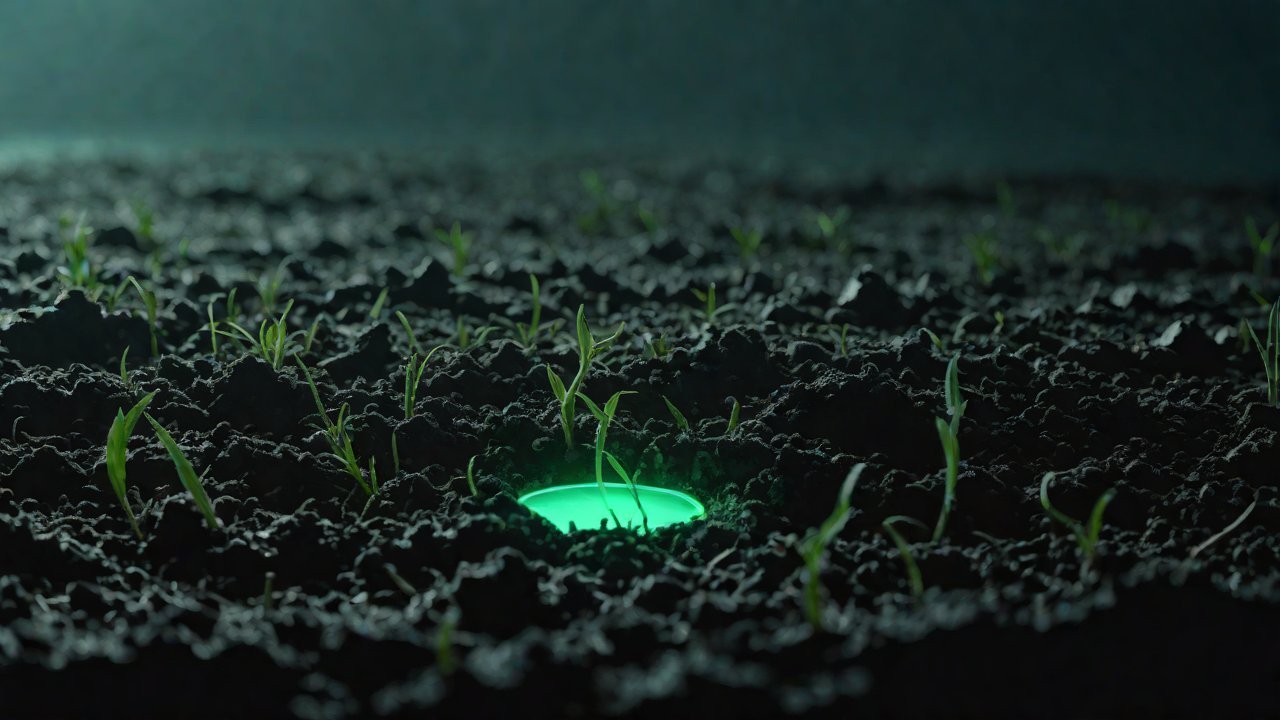
In conclusion, the use of IoT-based solutions for monitoring soil moisture levels before freezing in the black soil region of Northeast China during winter irrigation is a promising approach to improving crop yields and reducing water waste. By leveraging advanced sensors, data analytics, and machine learning algorithms, farmers can optimize irrigation schedules, reduce costs, and contribute to sustainable agriculture practices.
IOT Cloud Platform
IOT Cloud Platform is an IoT portal established by a Chinese IoT company, focusing on technical solutions in the fields of agricultural IoT, industrial IoT, medical IoT, security IoT, military IoT, meteorological IoT, consumer IoT, automotive IoT, commercial IoT, infrastructure IoT, smart warehousing and logistics, smart home, smart city, smart healthcare, smart lighting, etc.
The IoT Cloud Platform blog is a top IoT technology stack, providing technical knowledge on IoT, robotics, artificial intelligence (generative artificial intelligence AIGC), edge computing, AR/VR, cloud computing, quantum computing, blockchain, smart surveillance cameras, drones, RFID tags, gateways, GPS, 3D printing, 4D printing, autonomous driving, etc.
Note: This article was professionally generated with the assistance of AIGC and has been fact-checked and manually corrected by IoT expert editor IoTCloudPlatForm.