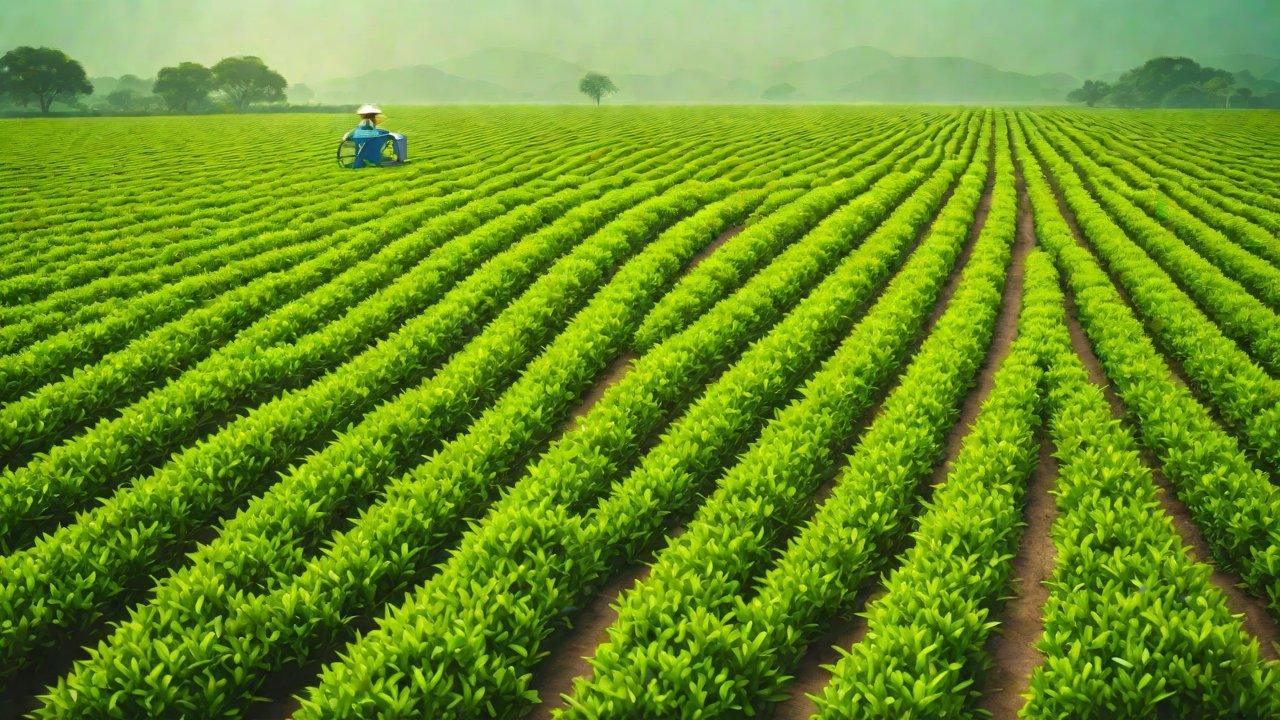
How can IoT assist tea gardens in precisely protecting seedlings during extreme drought years?
In the verdant expanse of Indian tea gardens, the gentle rustle of leaves and the sweet fragrance of blooming flowers are a balm to the senses. Yet, beneath the tranquil surface lies a world of precision agriculture, where every drop of water counts, and every seedling is precious. As extreme drought years beset the land, tea gardeners face an existential challenge: protecting their delicate seedlings from withering away in the scorching sun. Here’s how IoT (Internet of Things) can be harnessed to precision protect these vulnerable plants.
1. Drought Impacts on Tea Gardens
Droughts have become a recurring phenomenon in many tea-growing regions, with severe consequences for tea gardens. A study by the Indian Council of Agricultural Research (ICAR) found that droughts result in significant losses to tea production, estimated at around 30-40% in extreme cases. The impact is multifaceted: reduced yields, lower quality leaves, and increased susceptibility to pests and diseases. Tea gardeners must adapt quickly to such situations, but traditional methods are often insufficient.
| Region | Average Annual Rainfall (mm) | Drought Frequency |
|---|---|---|
| Darjeeling | 1,300-2,000 | 5-7 years |
| Assam | 1,800-3,000 | 4-6 years |
| Nilgiri | 1,500-2,500 | 3-5 years |
2. IoT in Precision Agriculture
The Internet of Things (IoT) has revolutionized agriculture worldwide by providing real-time monitoring and control capabilities. In the context of tea gardens, IoT can be leveraged to create a responsive ecosystem that adapts to changing weather conditions. This involves deploying various sensors and devices to collect data on soil moisture levels, temperature, humidity, and light exposure.
| Sensor Type | Description |
|---|---|
| Soil Moisture Sensors | Measure water content in the top 10-15 cm of soil |
| Temperature and Humidity Sensors | Monitor ambient conditions, including dew point |
3. Precision Irrigation
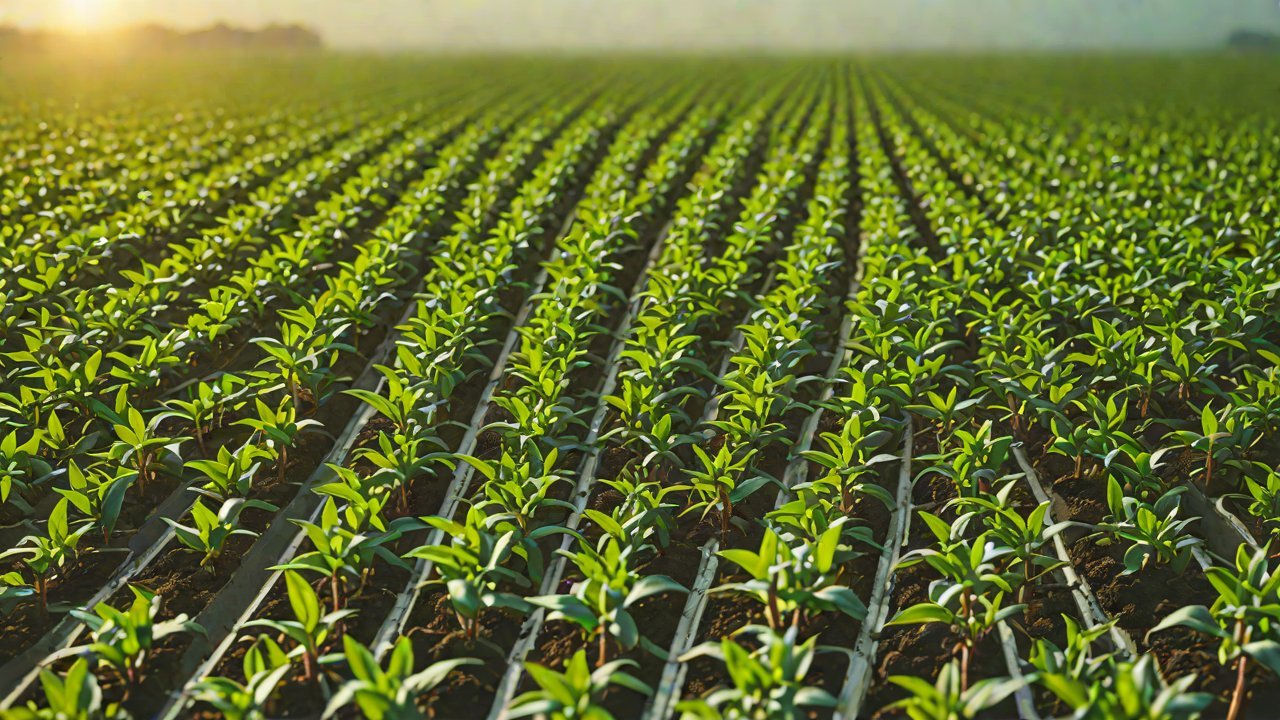
IoT-enabled precision irrigation systems can optimize water usage by targeting specific areas within the tea garden that require watering. This is achieved through:
- Hydroponics: Nutrient-rich solutions are pumped directly to the roots of plants, eliminating soil moisture concerns.
- Drip Irrigation: Water is delivered directly to the base of each plant via a network of tubes and drippers.
4. Crop Monitoring and Analytics
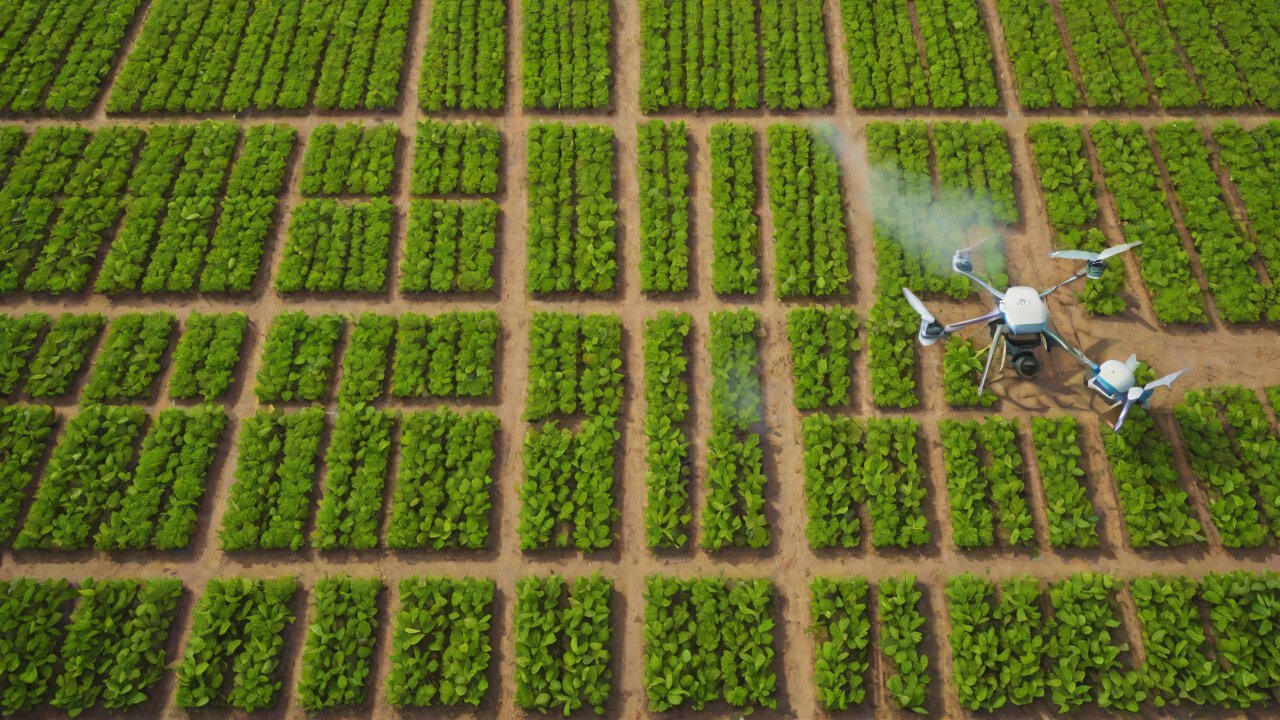
Data from various sources (sensors, drones, satellite imagery) can be integrated into a centralized platform for real-time analysis. This enables tea gardeners to:
- Monitor Plant Health: Identify early signs of stress or disease through visual inspection and data-driven insights.
- Predict Weather Patterns: Use machine learning algorithms to forecast weather conditions and plan accordingly.
| Data Source | Description |
|---|---|
| Satellite Imagery | Provides high-resolution images for crop health assessment, yield estimation, and soil moisture monitoring |
| Drone-based Sensors | Offers detailed insights on plant growth, canopy density, and leaf area index |
5. Automated Decision Support
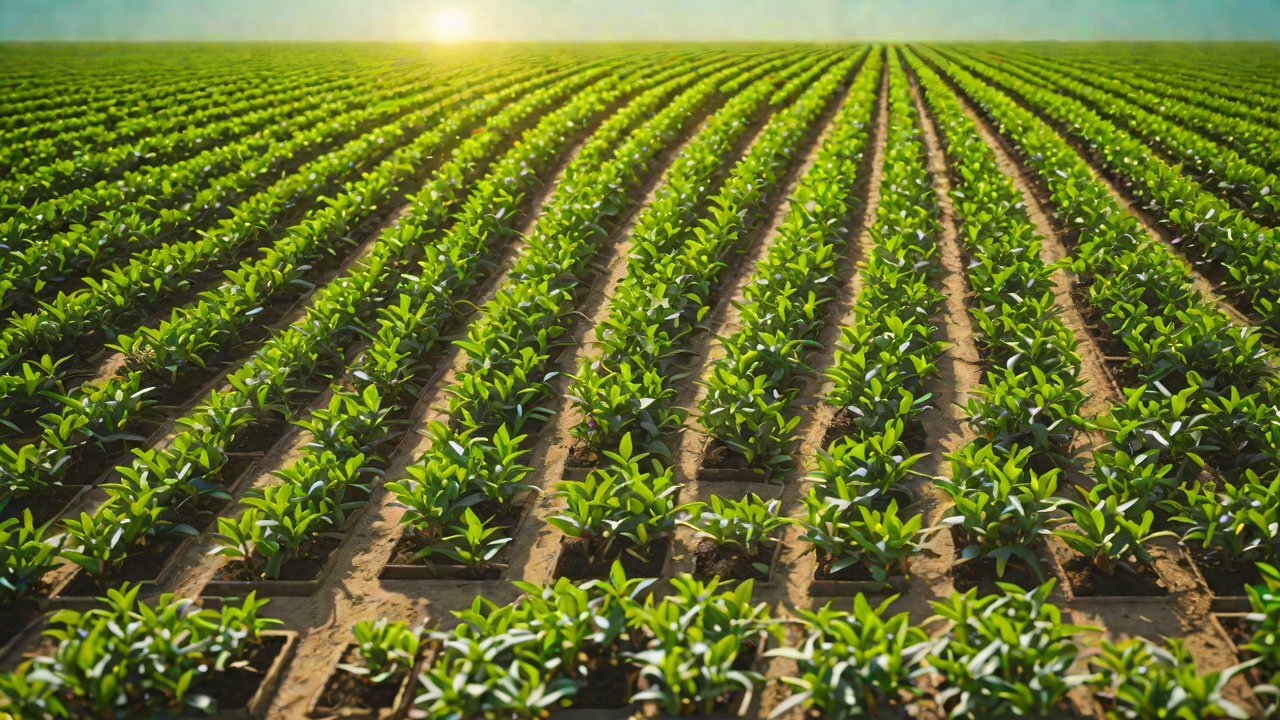
IoT-generated data can be fed into decision support systems that offer actionable recommendations to tea gardeners. These may include:
- Watering Schedules: Optimized irrigation plans based on soil moisture levels and weather forecasts.
- Pest Management: Early detection of pests and diseases, enabling targeted interventions.
6. Implementation Roadmap
Adopting IoT-based precision agriculture in tea gardens requires a multi-step approach:
- Needs Assessment: Identify areas where IoT can provide the greatest impact.
- Infrastructure Development: Establish a robust network for data collection, processing, and transmission.
- Training and Capacity Building: Educate tea gardeners on effective use of IoT tools and platforms.
Timeline:
| Phase | Duration | Deliverables |
|---|---|---|
| Needs Assessment | 2 weeks | Report outlining areas for improvement and potential benefits |
| Infrastructure Development | 12-16 weeks | Functional IoT setup, including sensors and data analytics platform |
| Training and Capacity Building | Ongoing | Tea gardeners’ training sessions and workshops |
7. Economic Benefits
The adoption of IoT-based precision agriculture in tea gardens can yield significant economic returns through:
- Increased Yields: Improved water management and optimized growing conditions.
- Reduced Costs: Lower inputs (water, fertilizers) due to targeted interventions.
Estimated Return on Investment (ROI):
| Component | Cost | Potential Savings |
|---|---|---|
| IoT Infrastructure | ₹500,000 | ₹200,000/year (20% water savings) |
8. Conclusion
As tea gardens face the twin challenges of drought and climate change, embracing IoT-based precision agriculture can provide a vital lifeline. By harnessing real-time data and analytics, tea gardeners can optimize water usage, reduce inputs, and boost yields – ultimately ensuring the long-term sustainability of their operations.
By leveraging the power of IoT, Indian tea gardens can not only survive but thrive in an era of extreme drought years, preserving the delicate balance between nature’s bounty and human ingenuity.
IOT Cloud Platform
IOT Cloud Platform is an IoT portal established by a Chinese IoT company, focusing on technical solutions in the fields of agricultural IoT, industrial IoT, medical IoT, security IoT, military IoT, meteorological IoT, consumer IoT, automotive IoT, commercial IoT, infrastructure IoT, smart warehousing and logistics, smart home, smart city, smart healthcare, smart lighting, etc.
The IoT Cloud Platform blog is a top IoT technology stack, providing technical knowledge on IoT, robotics, artificial intelligence (generative artificial intelligence AIGC), edge computing, AR/VR, cloud computing, quantum computing, blockchain, smart surveillance cameras, drones, RFID tags, gateways, GPS, 3D printing, 4D printing, autonomous driving, etc.



