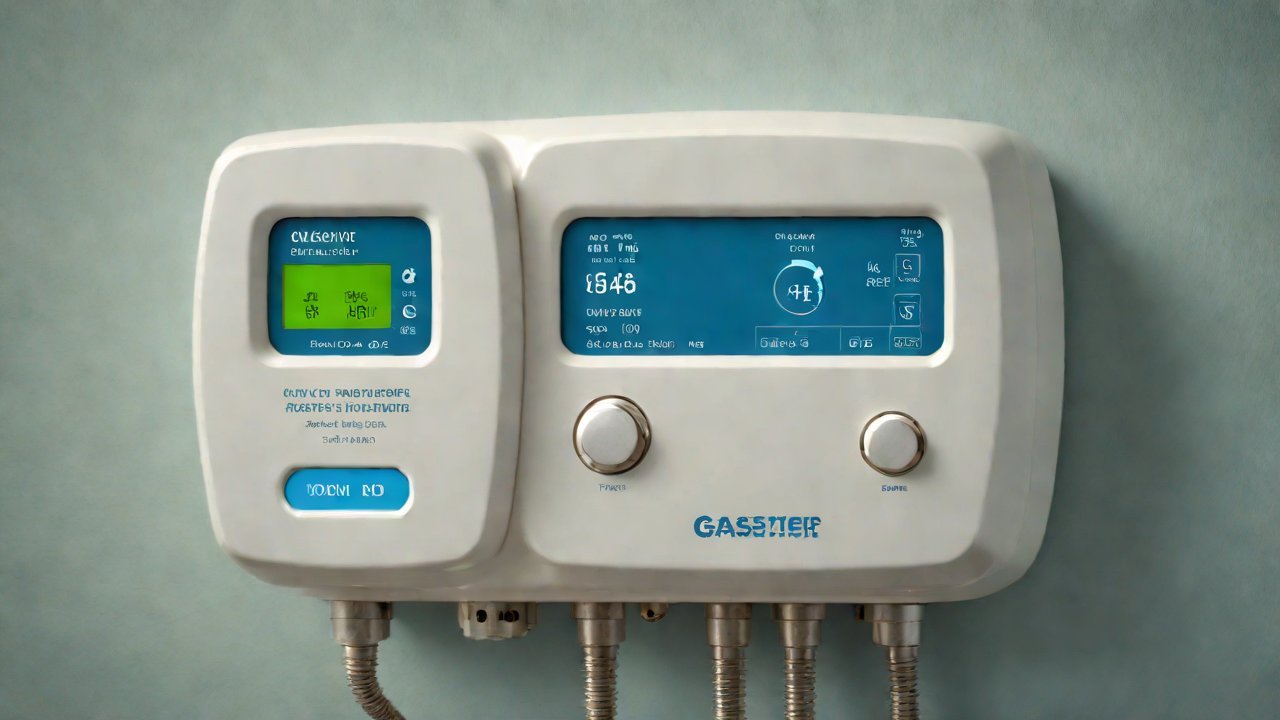
How can i tell if i have a smart gas meter
In the realm of modern energy management, the proliferation of smart meters has transformed the way households monitor and interact with their energy consumption. Among these innovative devices, smart gas meters stand out for their advanced capabilities in measuring and transmitting real-time data on gas usage. However, distinguishing a traditional gas meter from its smarter counterpart can be a daunting task, especially for those unfamiliar with the technical specifications of these devices.
1. Understanding Smart Gas Meters
Smart gas meters are designed to measure and record the consumption of natural gas in households, businesses, and industrial settings. These advanced devices utilize various technologies such as ultrasonic flow measurement, thermal mass flow measurement, or turbine flow measurement to accurately calculate gas usage. Unlike traditional mechanical meters that rely on manual readings, smart gas meters transmit data wirelessly to energy providers using cellular networks, Wi-Fi, or other communication protocols.
Key Features of Smart Gas Meters
- Real-time Monitoring: Enables users to track their gas consumption in real-time, facilitating timely adjustments to energy usage.
- Remote Meter Reading: Eliminates the need for manual meter readings by energy providers, reducing costs and improving efficiency.
- Alerts and Notifications: Sends alerts when anomalies are detected in gas usage patterns, helping identify potential issues.
- Energy Efficiency Insights: Provides detailed consumption data, enabling users to make informed decisions about their energy use.
2. Identifying Smart Gas Meters
To determine if you have a smart gas meter, look for the following indicators:
Visual Cues
- Digital Display: The presence of a digital display screen on your meter indicates it’s likely a smart device.
- LED Lights or Indicators: Some smart meters use LEDs to indicate various statuses, such as communication errors or low battery levels.
Technical Specifications
- Communication Protocols: Check if the meter supports communication protocols like Zigbee, Z-Wave, or cellular networks (e.g., GSM/GPRS).
- Wireless Connectivity: Ensure that your device has wireless capabilities for remote data transmission.
- Memory and Storage: Smart meters typically have built-in memory to store usage data.
Market Availability
Smart gas meters are widely available from leading manufacturers such as Itron, Landis+Gyr, and Siemens. They offer a range of models catering to different market segments and user needs.
3. Comparison with Traditional Gas Meters
Traditional mechanical gas meters rely on manual readings by energy providers or homeowners, which can be time-consuming and inaccurate. In contrast, smart gas meters offer real-time data transmission, remote monitoring, and advanced analytics capabilities.
Key Differences
- Accuracy: Smart meters are more accurate due to their ability to track consumption continuously.
- Efficiency: Eliminates the need for manual meter readings by energy providers.
- User Engagement: Provides detailed usage insights, encouraging users to adopt energy-saving practices.
4. Industry Trends and Adoption Rates
The adoption of smart gas meters is gaining momentum worldwide due to their benefits in terms of efficiency, accuracy, and user engagement. Regulatory bodies are also driving the transition towards smart metering by setting targets for widespread adoption.
Global Market Analysis
- Market Size: The global smart gas meter market is projected to grow at a CAGR of 14.3% from 2022 to 2027.
- Regional Adoption Rates:
- North America: 70% adoption rate in the residential sector by 2025.
- Europe: 50% adoption rate in the commercial and industrial sectors by 2028.
5. Consumer Engagement and Education
The successful rollout of smart gas meters relies heavily on consumer education and engagement. Energy providers must invest in informing users about the benefits, features, and proper usage of these devices.
Strategies for Effective Adoption
- Public Awareness Campaigns: Organize campaigns to educate consumers about the advantages of smart metering.
- User Interface Design: Ensure that user interfaces are intuitive and easy to understand.
- Feedback Mechanisms: Establish mechanisms for users to report issues or provide feedback on their experience with smart gas meters.
6. Future Outlook
The integration of IoT technologies, AI, and data analytics is expected to further enhance the capabilities of smart gas meters in the coming years.
Emerging Trends
- IoT Integration: Smart meters will increasingly integrate with other IoT devices for enhanced energy management.
- AI-Powered Analytics: Advanced algorithms will provide more accurate predictions and recommendations for energy efficiency.
- Blockchain Technology: Secure data storage and transmission using blockchain technology is expected to become more prevalent.
IOT Cloud Platform
IOT Cloud Platform is an IoT portal established by a Chinese IoT company, focusing on technical solutions in the fields of agricultural IoT, industrial IoT, medical IoT, security IoT, military IoT, meteorological IoT, consumer IoT, automotive IoT, commercial IoT, infrastructure IoT, smart warehousing and logistics, smart home, smart city, smart healthcare, smart lighting, etc.
The IoT Cloud Platform blog is a top IoT technology stack, providing technical knowledge on IoT, robotics, artificial intelligence (generative artificial intelligence AIGC), edge computing, AR/VR, cloud computing, quantum computing, blockchain, smart surveillance cameras, drones, RFID tags, gateways, GPS, 3D printing, 4D printing, autonomous driving, etc.