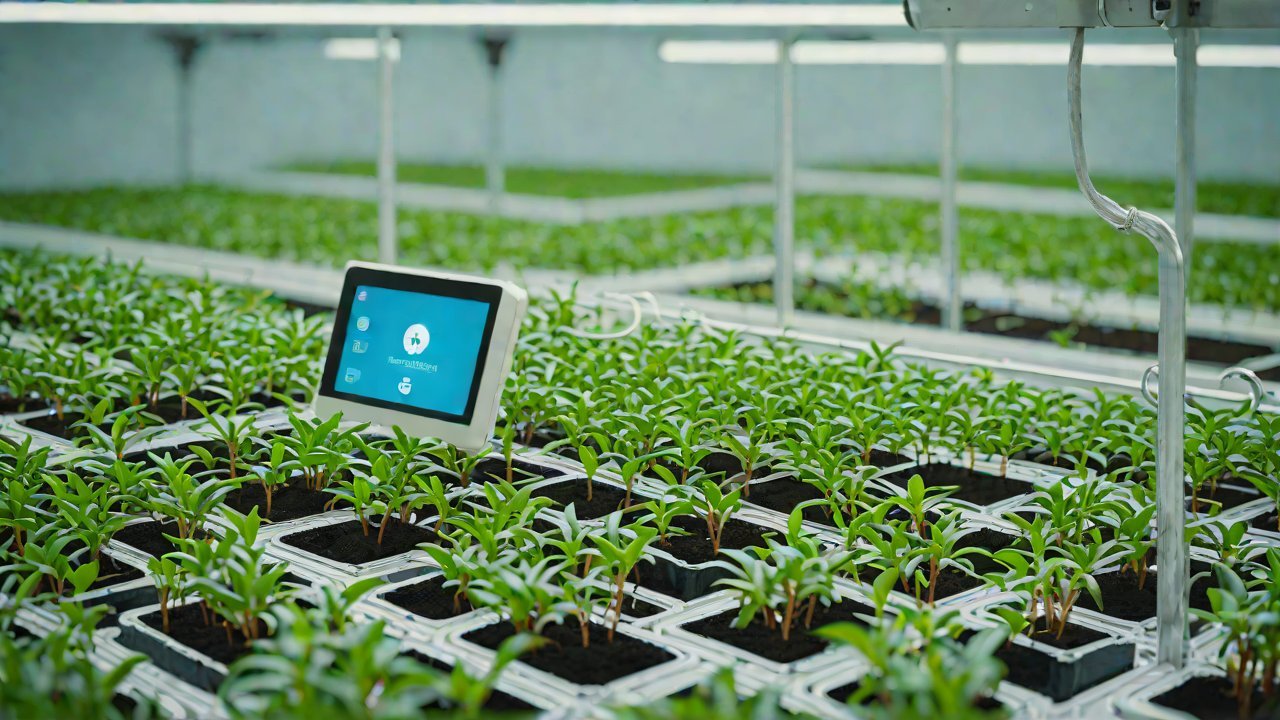
How can fully automated transplanting systems in nurseries read real-time soil moisture data after seedling removal?
Fully automated transplanting systems have revolutionized the nursery industry by streamlining the process of moving seedlings from propagation to field production. One critical component of these systems is the ability to monitor and adjust to changing environmental conditions, such as soil moisture levels. This capability is crucial for maintaining optimal plant growth and preventing root damage during transplanting.
In traditional nursery settings, manual monitoring of soil moisture is often done through visual inspections or by using simple, non-invasive tools like a stick or probe. However, these methods are prone to human error and may not provide accurate readings, especially in cases where the soil is heavily compacted or has varying moisture levels. In contrast, fully automated transplanting systems can integrate advanced sensors and data analytics to read real-time soil moisture data with high accuracy.
1. Current State of Soil Moisture Monitoring
Soil moisture monitoring is a critical aspect of agriculture and horticulture, as it directly impacts plant growth, water usage, and crop yields. Traditional methods of monitoring soil moisture include:
- Tensiometers: These measure the tension or suction force required to extract water from the soil. While effective, they can be affected by soil type, temperature, and other factors.
- Time-Domain Reflectometry (TDR): This method involves inserting probes into the soil to measure the dielectric properties of the surrounding soil. TDR is accurate but may not account for variations in soil composition or moisture levels.
2. Sensor Technologies for Real-Time Soil Moisture Monitoring
Fully automated transplanting systems can integrate various sensor technologies to read real-time soil moisture data. Some of these include:
| Sensor Type | Description |
|---|---|
| Capacitive Sensors | Measure changes in capacitance caused by varying soil moisture levels. These sensors are non-invasive and can be used for both soil and plant monitoring. |
| Resistive Sensors | Measure the resistance between two electrodes, which decreases as soil moisture increases. These sensors are simple to install but may require calibration. |
| Radar Sensors | Use radar waves to measure soil moisture by detecting changes in dielectric properties. This method is non-invasive and can be used for both surface and sub-surface monitoring. |
3. Advanced Data Analytics and Machine Learning
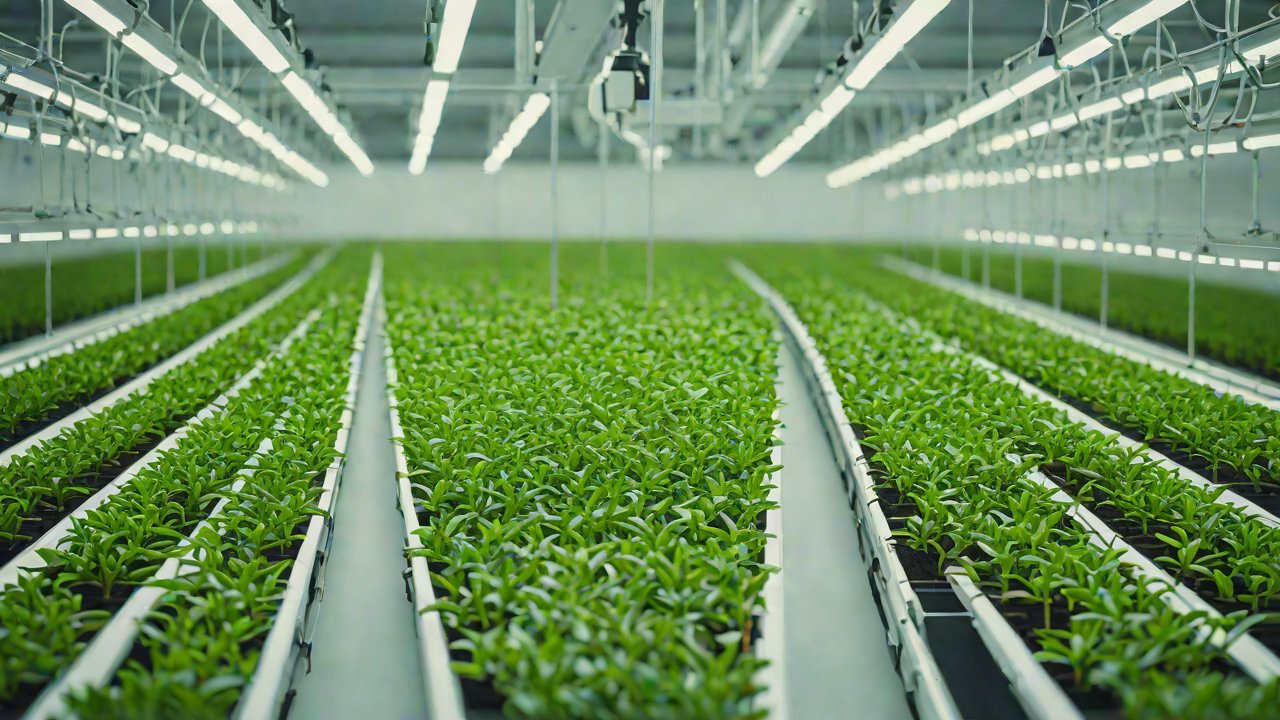
Fully automated transplanting systems often incorporate advanced data analytics and machine learning algorithms to process real-time sensor data from various sources, including soil moisture sensors. These techniques enable the system to:
- Predict optimal transplanting times based on soil moisture levels
- Adjust irrigation schedules in response to changing environmental conditions
- Monitor plant growth and detect potential issues before they become severe
4. Integration with IoT and Cloud-Based Platforms
To ensure seamless data transmission, processing, and analysis, fully automated transplanting systems often integrate with Internet of Things (IoT) devices and cloud-based platforms. These enable:
- Real-time data monitoring from remote locations
- Automated decision-making based on sensor data and machine learning algorithms
- Data visualization and reporting for stakeholders
5. Market Trends and Adoption Rates
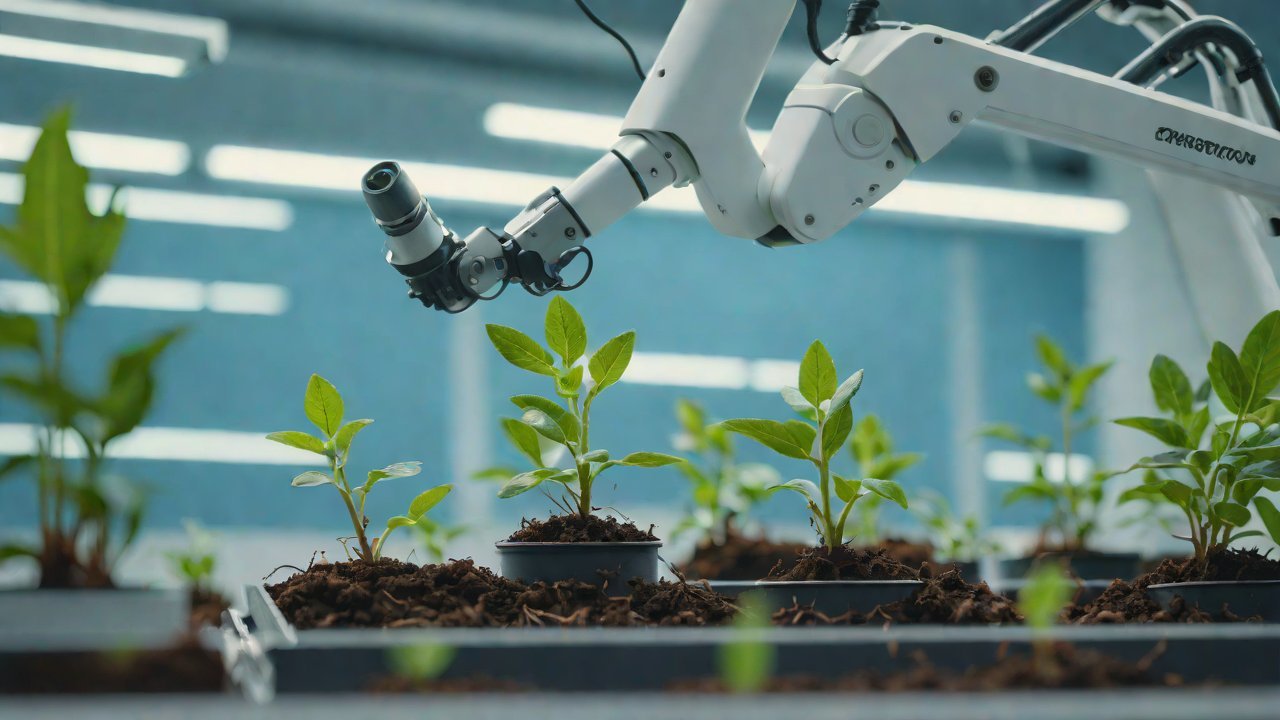
The adoption rate of fully automated transplanting systems with real-time soil moisture monitoring capabilities is increasing rapidly, driven by factors such as:
| Factor | Description |
|---|---|
| Increasing demand for precision agriculture | The need to optimize resource usage, reduce waste, and improve crop yields drives the adoption of advanced technologies. |
| Advancements in sensor technology | Improved accuracy, reliability, and affordability of sensors have made them more accessible to growers and nurseries. |
| Growing awareness of water conservation | As water scarcity becomes a pressing concern, growers are seeking solutions that minimize water usage while maintaining optimal plant growth. |
6. Implementation Challenges and Considerations
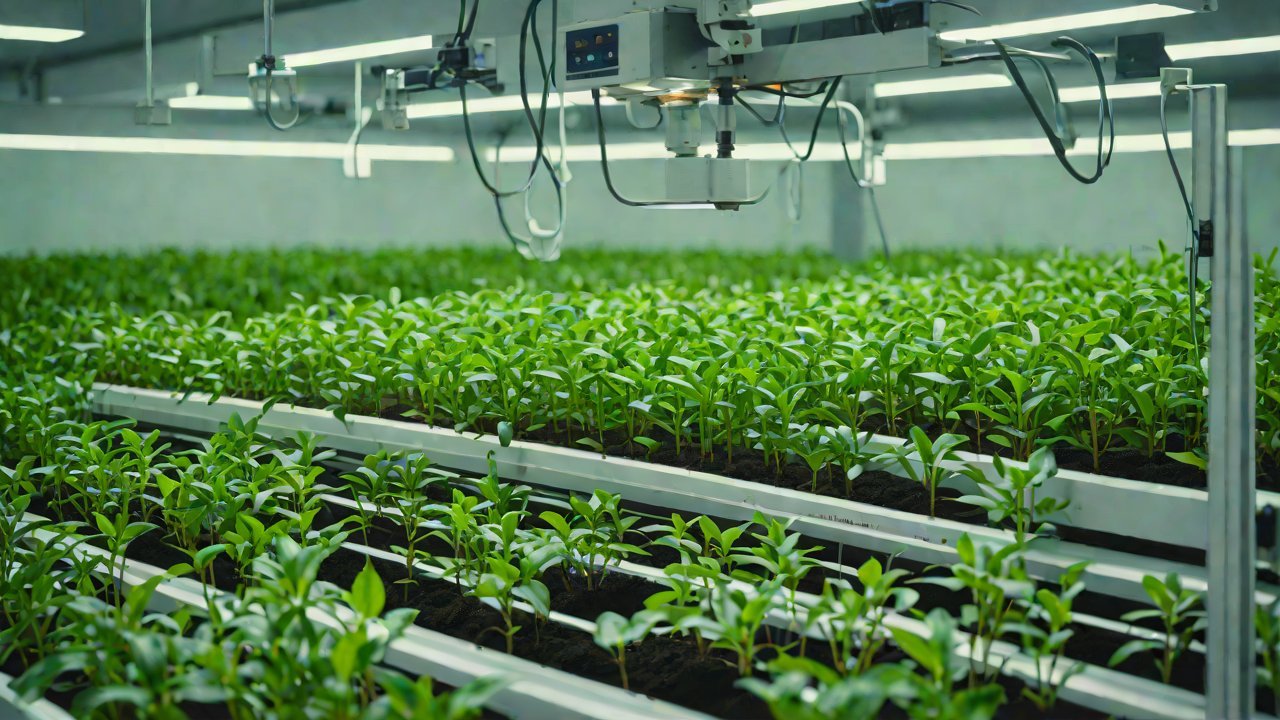
While fully automated transplanting systems with real-time soil moisture monitoring offer numerous benefits, their implementation can be challenging due to factors such as:
- Initial investment costs
- Training and maintenance requirements for system operators
- Potential issues related to data accuracy, security, and integration with existing infrastructure
7. Future Outlook and Research Directions
As the nursery industry continues to evolve, research and development in areas like advanced sensor technologies, machine learning algorithms, and IoT platforms will remain crucial for improving the performance of fully automated transplanting systems. Some potential directions for future research include:
- Developing more accurate and robust soil moisture sensors
- Integrating other environmental variables, such as temperature, light, and CO2 levels, into decision-making processes
- Exploring new applications for fully automated transplanting systems in diverse agricultural settings
IOT Cloud Platform
IOT Cloud Platform is an IoT portal established by a Chinese IoT company, focusing on technical solutions in the fields of agricultural IoT, industrial IoT, medical IoT, security IoT, military IoT, meteorological IoT, consumer IoT, automotive IoT, commercial IoT, infrastructure IoT, smart warehousing and logistics, smart home, smart city, smart healthcare, smart lighting, etc.
The IoT Cloud Platform blog is a top IoT technology stack, providing technical knowledge on IoT, robotics, artificial intelligence (generative artificial intelligence AIGC), edge computing, AR/VR, cloud computing, quantum computing, blockchain, smart surveillance cameras, drones, RFID tags, gateways, GPS, 3D printing, 4D printing, autonomous driving, etc.