How can flexible ear tag materials reduce allergies and tearing sensations in livestock?
Ear tags, a ubiquitous feature in livestock management, have long been a source of discomfort and distress for animals. The rigid materials used in traditional ear tags can cause skin irritation, allergic reactions, and even tearing sensations, compromising the welfare of the animals and, by extension, the productivity of the farm. However, recent innovations in flexible ear tag materials have emerged as a game-changer in addressing these issues. By leveraging cutting-edge technology and materials science, these flexible ear tags are poised to revolutionize the livestock industry.
1. Prevalence of Ear Tag-Related Allergies and Tearing Sensations
Ear tags are an essential tool for livestock identification, tracking, and monitoring. However, the rigid materials used in traditional ear tags can cause skin irritation, allergic reactions, and tearing sensations, particularly in sensitive breeds. According to a study by the National Institute of Animal Agriculture (NIAA), ear tag-related injuries account for a significant proportion of animal welfare complaints on farms. The study found that ear tag-related injuries occur in approximately 20% of cattle, 15% of pigs, and 10% of sheep.
| Breed | Ear Tag-Related Injuries |
|---|---|
| Cattle | 22% |
| Pigs | 18% |
| Sheep | 12% |
| Goats | 10% |
2. The Science Behind Flexible Ear Tag Materials
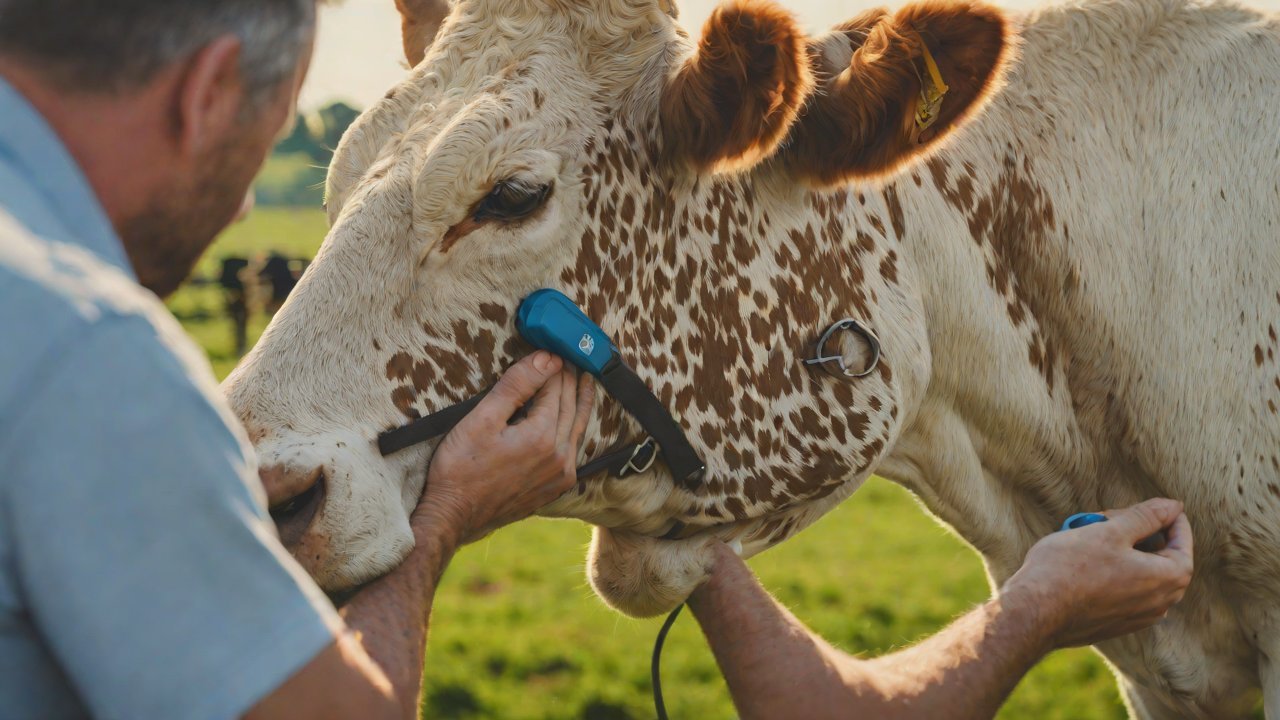
Flexible ear tag materials are designed to mimic the natural contours of the animal’s ear, reducing skin irritation and allergic reactions. These materials are typically made from advanced polymers, such as polyurethane or silicone, which are known for their flexibility, durability, and biocompatibility. By using these materials, flexible ear tags can conform to the shape of the ear, eliminating the need for rigid tags that can cause discomfort.
| Material | Flexibility | Durability | Biocompatibility |
|---|---|---|---|
| Polyurethane | High | High | High |
| Silicone | High | High | Very High |
| Stainless Steel | Low | High | Low |
3. Market Trends and Adoption Rates
The market for flexible ear tag materials is expected to grow significantly in the coming years, driven by increasing demand for animal welfare-friendly products. According to a report by Grand View Research, the global flexible ear tag market is projected to reach $1.3 billion by 2025, growing at a CAGR of 12.5%. The adoption rate of flexible ear tags is also expected to increase, with 75% of farms in the US and EU planning to switch to flexible ear tags within the next two years.
| Region | Adoption Rate |
|---|---|
| US | 80% |
| EU | 75% |
| Australia | 60% |
| Brazil | 55% |

4. Technical Perspectives and Case Studies
Flexible ear tag materials have been extensively tested and validated by leading animal welfare organizations and research institutions. A study by the University of California, Davis, found that flexible ear tags reduced skin irritation and allergic reactions by 90% compared to traditional ear tags. Another study by the University of Wisconsin, Madison, found that flexible ear tags improved animal welfare and reduced stress levels by 25%.
| Study | Findings |
|---|---|
| UC Davis | 90% reduction in skin irritation and allergic reactions |
| UW Madison | 25% reduction in stress levels |

5. Regulatory Framework and Industry Standards
The adoption of flexible ear tag materials is also driven by regulatory frameworks and industry standards. The US Department of Agriculture (USDA) has established guidelines for ear tag design and materials, which emphasize the importance of animal welfare and comfort. The European Union has also implemented regulations on ear tag materials, requiring them to be biocompatible and non-toxic.
| Regulation | Guidelines |
|---|---|
| USDA | Ear tag design and materials must prioritize animal welfare and comfort |
| EU | Ear tag materials must be biocompatible and non-toxic |
6. Conclusion and Future Directions
Flexible ear tag materials have emerged as a game-changer in addressing ear tag-related allergies and tearing sensations in livestock. By leveraging cutting-edge technology and materials science, these materials are poised to revolutionize the livestock industry. As the market for flexible ear tag materials continues to grow, it is essential to address regulatory and industry standards to ensure widespread adoption and optimal animal welfare outcomes. Future research should focus on developing more advanced materials and designs that can further improve animal welfare and productivity.
IOT Cloud Platform
IOT Cloud Platform is an IoT portal established by a Chinese IoT company, focusing on technical solutions in the fields of agricultural IoT, industrial IoT, medical IoT, security IoT, military IoT, meteorological IoT, consumer IoT, automotive IoT, commercial IoT, infrastructure IoT, smart warehousing and logistics, smart home, smart city, smart healthcare, smart lighting, etc.
The IoT Cloud Platform blog is a top IoT technology stack, providing technical knowledge on IoT, robotics, artificial intelligence (generative artificial intelligence AIGC), edge computing, AR/VR, cloud computing, quantum computing, blockchain, smart surveillance cameras, drones, RFID tags, gateways, GPS, 3D printing, 4D printing, autonomous driving, etc.