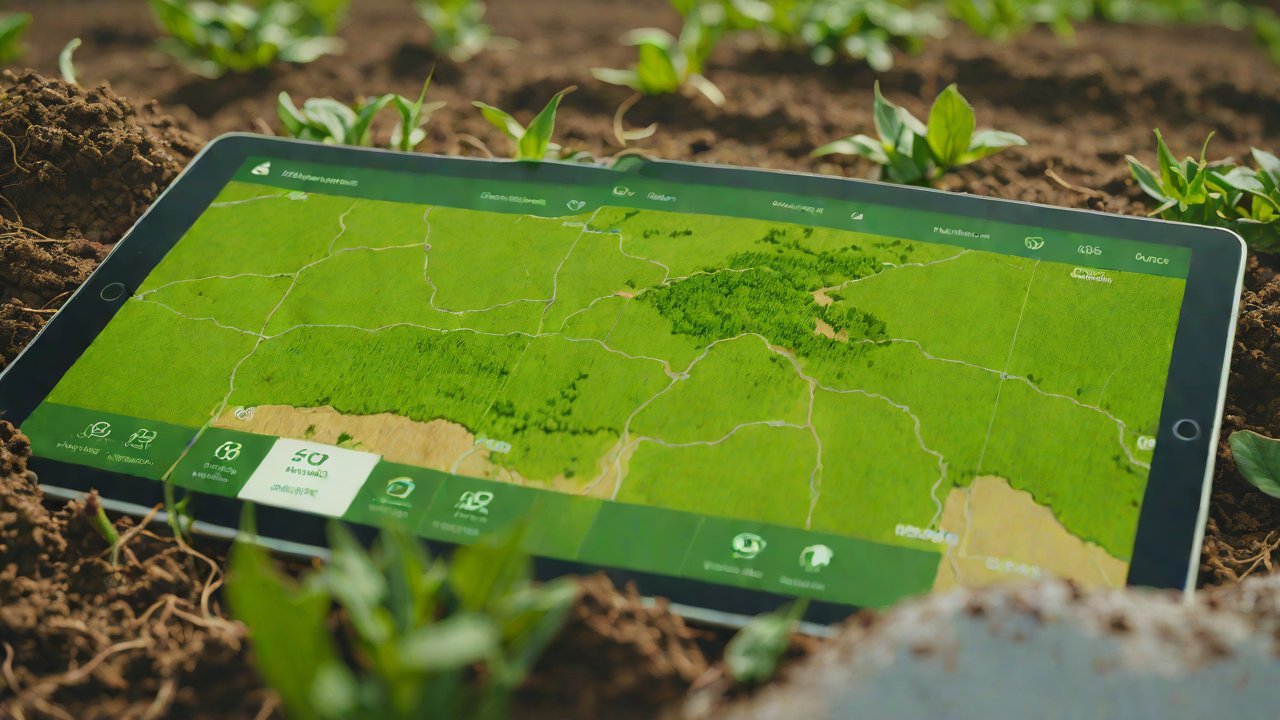
How can farmers access a comprehensive soil moisture map of their farm using a tablet?
Soil moisture is a crucial factor in agriculture, directly impacting crop yields and water usage efficiency. Farmers often rely on manual measurements or limited point-based data to inform irrigation decisions, which can be inaccurate and lead to overwatering or underwatering.
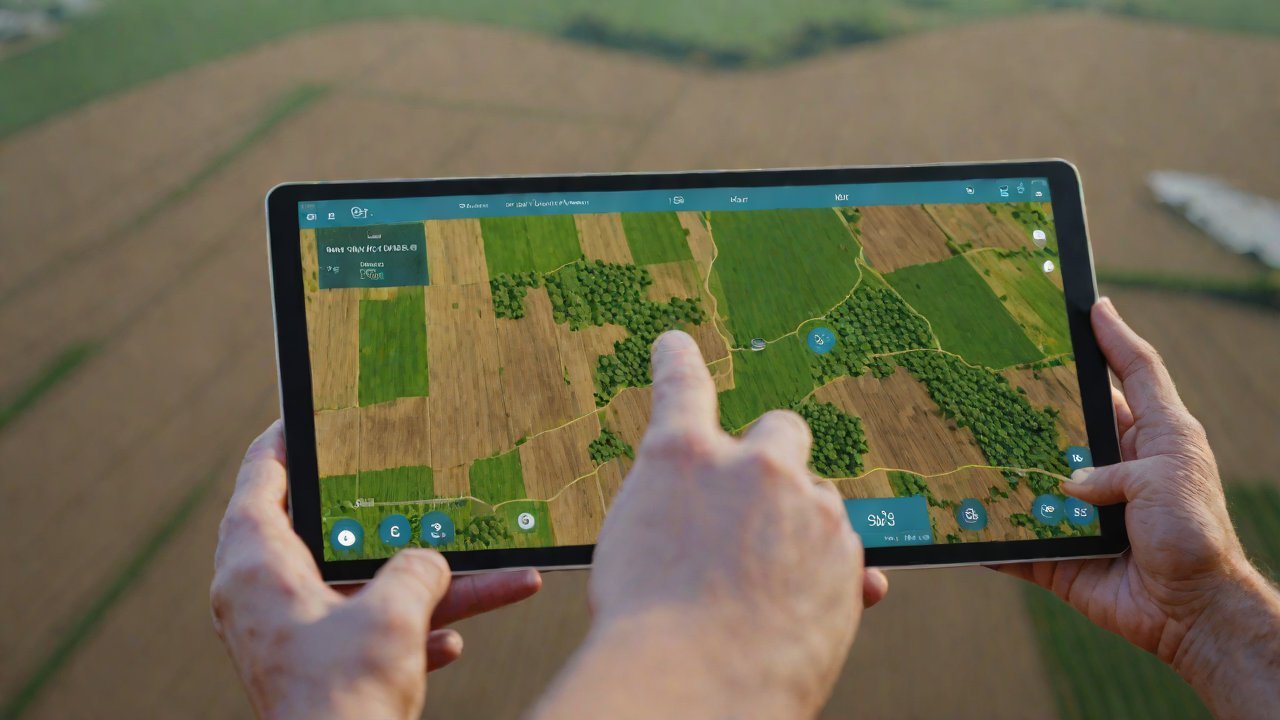
The advent of advanced technologies has made it possible for farmers to access comprehensive soil moisture maps using tablets. This can significantly improve their decision-making capabilities and optimize resource allocation. However, the process involves understanding the available tools, integrating them with existing farm systems, and addressing challenges related to data accuracy, reliability, and user-friendliness.
1. Understanding Soil Moisture Mapping
Soil moisture mapping is a technique that utilizes various sensors and technologies to measure and visualize soil moisture levels across an entire field or farm. This information is critical for precision agriculture as it enables farmers to:
- Optimize irrigation schedules: By understanding the precise moisture levels, farmers can ensure their crops receive the right amount of water at the right time.
- Improve crop yields: Accurate moisture levels help in identifying areas that require more attention or special care, leading to higher productivity and better quality produce.
- Reduce water waste: With detailed maps, farmers can pinpoint where water is being wasted due to overwatering or poor irrigation practices.
Types of Soil Moisture Sensors
Several types of sensors are used for soil moisture mapping:
| Sensor Type | Description |
|---|---|
| Tensiometers | Measures the tension in the soil, which correlates with moisture levels. |
| Time-Domain Reflectometry (TDR) | Uses electrical signals to measure the dielectric constant of the soil, indicating moisture content. |
| Capacitance Sensors | Measures changes in capacitance as soil moisture affects electrical conductivity. |
2. Tablet-Based Soil Moisture Mapping Systems
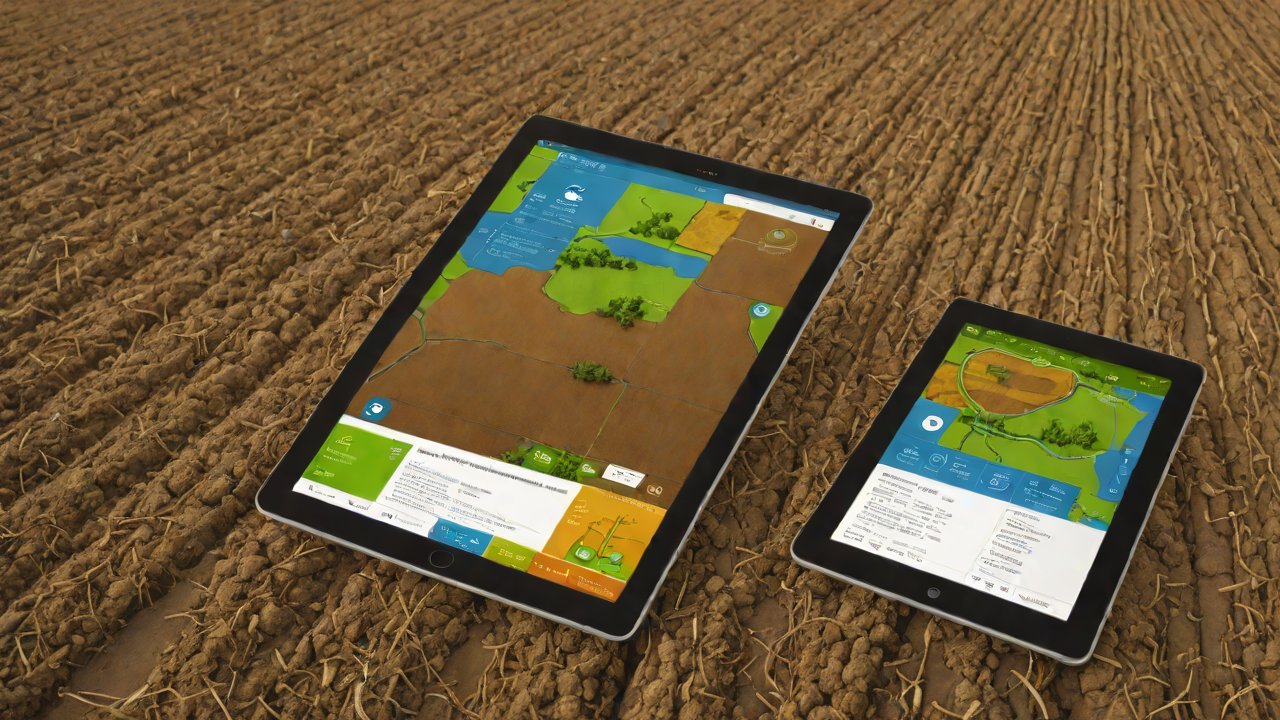
Several companies offer tablet-based systems for accessing comprehensive soil moisture maps:
- Farmers Edge: Integrates with various sensors and platforms to provide real-time soil moisture data.
- Granular: Offers a platform that integrates soil moisture data with other farm operations, providing insights into crop health and water usage.
Integration Requirements
For farmers to access these systems on their tablets, the following conditions need to be met:
- Sensor Installation: Accurate placement of sensors across the farm is crucial for comprehensive mapping.
- Data Connectivity: The tablet must have internet connectivity or be integrated with a local network for real-time data updates.
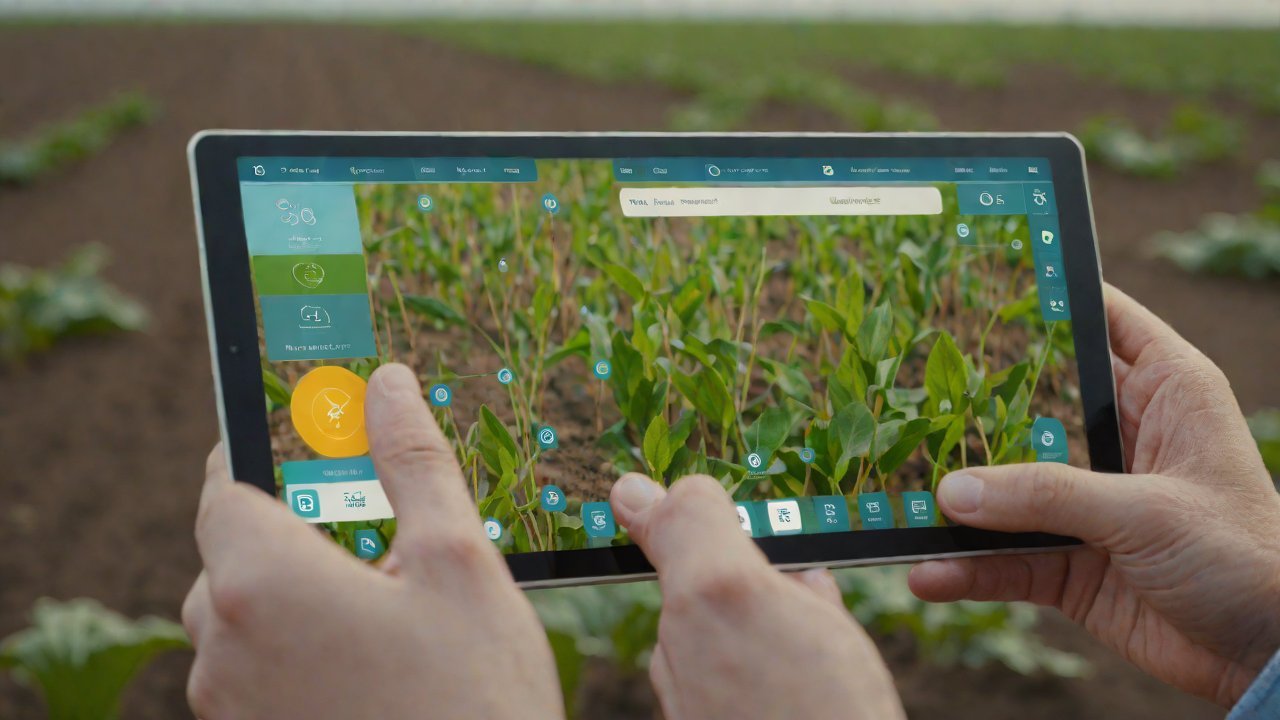
- User Interface: An intuitive interface on the tablet ensures that farmers can easily interpret and utilize the soil moisture maps.
3. Challenges in Implementation
Despite the benefits of comprehensive soil moisture mapping, several challenges need to be addressed:
- Cost and Affordability: While cost-effective in the long run, initial investment in sensors and technology can be a barrier for small-scale farmers.
- Data Accuracy and Reliability: Ensuring that data is accurate and reliable across different environmental conditions is crucial but also poses technical challenges.
Addressing Challenges
To overcome these challenges:
- Government Support: Governments can offer subsidies or incentives to encourage adoption of precision agriculture techniques.
- Continued Research and Development: Companies need to invest in improving the accuracy, reliability, and affordability of their systems.
- Training and Education: Providing farmers with adequate training on how to use these systems effectively is vital for successful implementation.
4. Market Trends and Future Outlook
The market for precision agriculture technologies, including soil moisture mapping tools, is expected to grow significantly in the coming years:
- Increasing Adoption of IoT: The integration of Internet of Things (IoT) technology into agricultural practices will continue to drive demand for real-time data solutions.
- Advancements in Sensor Technology: Improvements in sensor accuracy and efficiency will further enhance the effectiveness of soil moisture mapping.
Conclusion
Accessing comprehensive soil moisture maps using tablets has the potential to revolutionize agriculture by optimizing water usage, improving crop yields, and reducing waste. While challenges exist, ongoing research and development, coupled with government support and farmer education, can help overcome these barriers. As technology continues to advance and become more accessible, it is likely that precision agriculture will play an increasingly important role in sustainable farming practices worldwide.
IOT Cloud Platform
IOT Cloud Platform is an IoT portal established by a Chinese IoT company, focusing on technical solutions in the fields of agricultural IoT, industrial IoT, medical IoT, security IoT, military IoT, meteorological IoT, consumer IoT, automotive IoT, commercial IoT, infrastructure IoT, smart warehousing and logistics, smart home, smart city, smart healthcare, smart lighting, etc.
The IoT Cloud Platform blog is a top IoT technology stack, providing technical knowledge on IoT, robotics, artificial intelligence (generative artificial intelligence AIGC), edge computing, AR/VR, cloud computing, quantum computing, blockchain, smart surveillance cameras, drones, RFID tags, gateways, GPS, 3D printing, 4D printing, autonomous driving, etc.