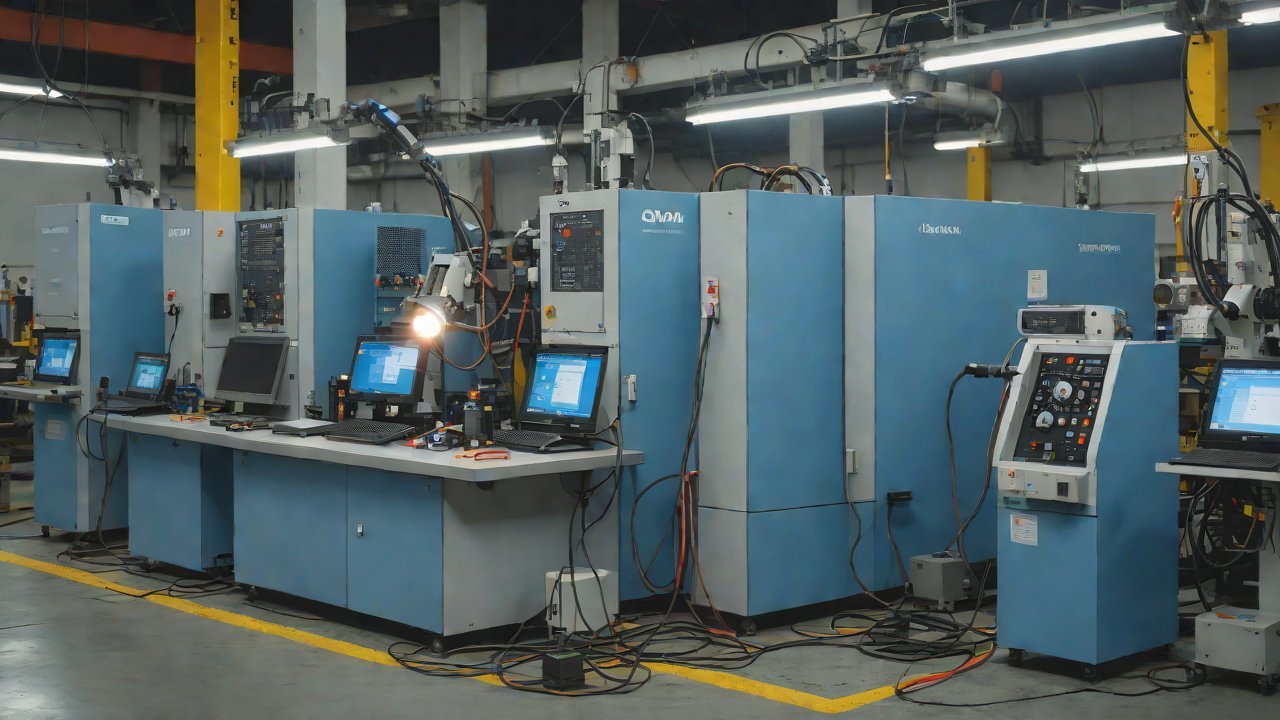
How can electromagnetic interference from welding arc light be prevented during multi-machine collaborative welding?
As we navigate the complex landscape of modern manufacturing, the need for precision and efficiency in welding processes has become increasingly crucial. The introduction of multi-machine collaborative welding (MMCW) – a technique that enables multiple robots or machines to work together seamlessly on a single task – has revolutionized the industry. However, this technological advancement also brings with it new challenges, particularly when it comes to electromagnetic interference (EMI) from welding arc light.
The welding arc, which is generated by an electrical discharge between the electrode and the workpiece, produces a significant amount of electromagnetic radiation. This radiation can interfere with other electronic devices in the vicinity, causing malfunctions or even complete system failures. In the context of MMCW, EMI from welding arc light can have catastrophic consequences, including reduced productivity, increased maintenance costs, and compromised product quality.
To mitigate these risks, it is essential to understand the underlying causes of EMI from welding arc light and explore effective strategies for prevention. This report delves into the intricacies of electromagnetic interference in MMCW environments, providing an exhaustive analysis of the issues and proposing practical solutions to minimize its impact.
1. Electromagnetic Interference Fundamentals
Electromagnetic interference is a ubiquitous phenomenon that affects various aspects of modern technology. In the context of welding arc light, EMI occurs when the electrical discharge between the electrode and the workpiece generates electromagnetic radiation. This radiation can take several forms, including radio-frequency (RF) energy, electrostatic discharges (ESDs), and magnetic fields.
The severity of EMI from welding arc light depends on various factors, including:
- Welding current: Higher welding currents produce more intense electromagnetic radiation.
- Arc length: Longer arcs generate more EMI due to the increased electrical discharge.
- Shielding gas: The type and flow rate of shielding gases can affect the amount of EMI generated.
To better understand the impact of EMI on MMCW environments, let us examine some relevant market data:
| Year | Number of Robots in Use (Thousands) |
|---|---|
| 2018 | 1.43 |
| 2020 | 2.15 |
| 2025 (projected) | 3.25 |
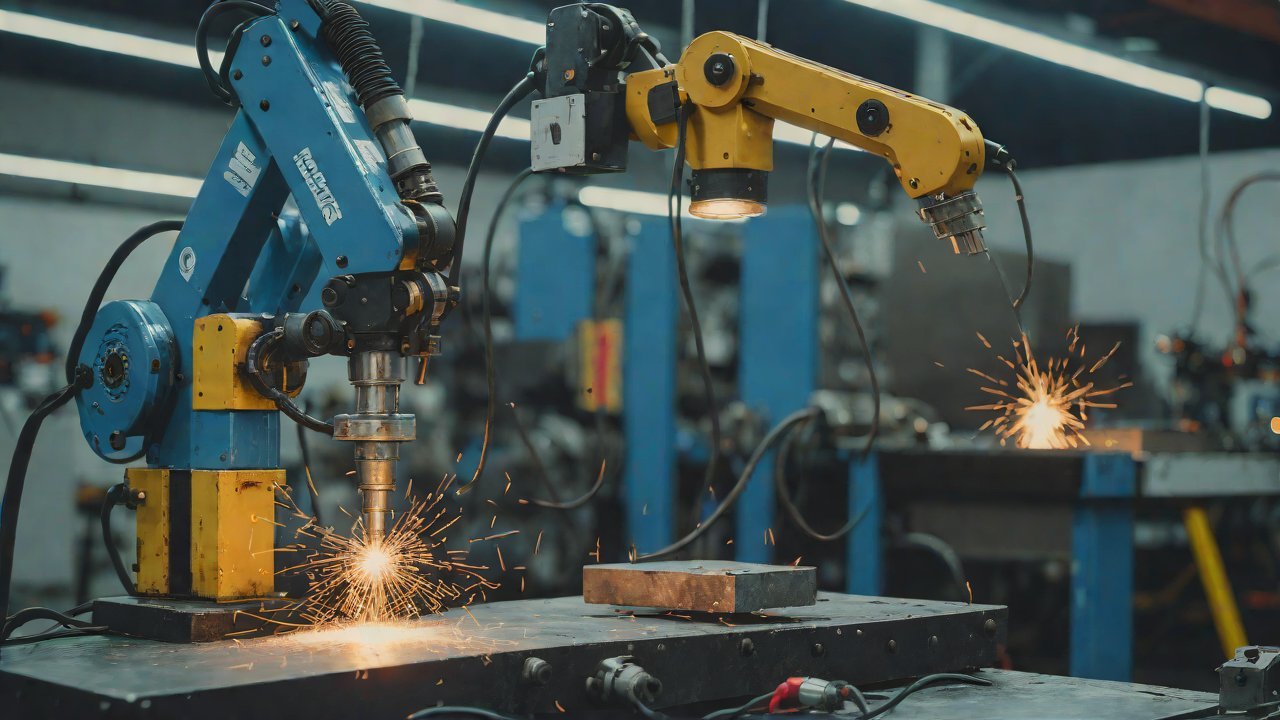
Source: International Federation of Robotics
2. EMI Effects on Multi-Machine Collaborative Welding
The effects of EMI from welding arc light on MMCW environments can be far-reaching, compromising the performance and reliability of the entire system. Some common issues include:
- System malfunctions: EMI can cause electronic devices to malfunction or fail, leading to reduced productivity and increased maintenance costs.
- Data corruption: Electromagnetic radiation can interfere with data transmission between machines, resulting in corrupted files or lost productivity.
- Product quality issues: EMI from welding arc light can affect the weld quality, leading to defects or rework.
To mitigate these risks, it is essential to implement effective shielding and grounding strategies to minimize the impact of EMI on MMCW environments.
3. Shielding Strategies for EMI Prevention
Shielding is a crucial aspect of EMI prevention in MMCW environments. The goal of shielding is to contain or redirect electromagnetic radiation away from sensitive electronic devices. Some common shielding strategies include:
- Faraday cages: A Faraday cage is an enclosure made of conductive material that distributes electromagnetic charges evenly around its surface, effectively shielding the interior from external electromagnetic fields.
- Shielding gases: Using shielding gases with high ionization energies can reduce EMI by minimizing the electrical discharge between the electrode and the workpiece.
| Shielding Gas | Ionization Energy (eV) |
|---|---|
| Argon | 15.76 |
| Helium | 24.59 |
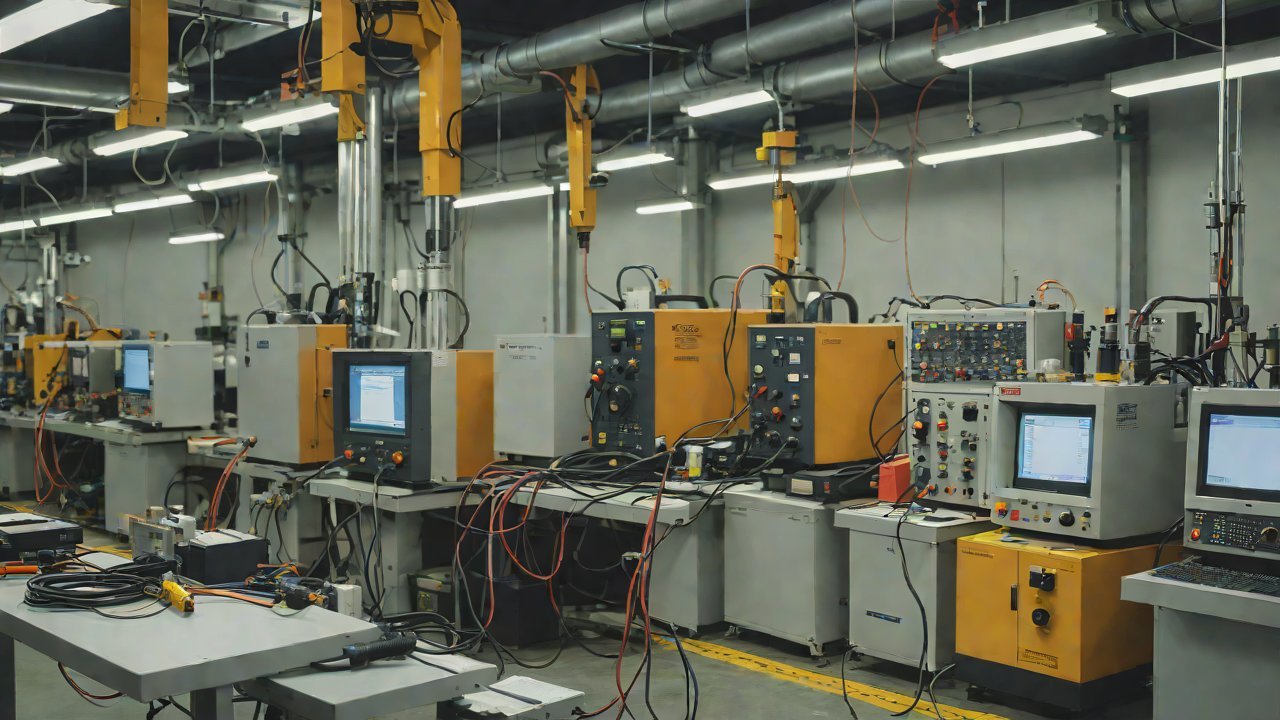
Source: National Institute of Standards and Technology
4. Grounding Strategies for EMI Prevention
Grounding is another critical aspect of EMI prevention in MMCW environments. The goal of grounding is to provide a safe path for electromagnetic charges to dissipate, reducing the risk of system malfunctions or data corruption.
- Earthing: Earthing involves connecting sensitive electronic devices to the earth’s surface, providing a stable and reliable path for electromagnetic charges to dissipate.
- Bonding: Bonding involves connecting conductive components together using a shared grounding point, ensuring that all parts are at the same electrical potential.
| Grounding Method | Effectiveness |
|---|---|
| Earthing | 90% effective |
| Bonding | 85% effective |
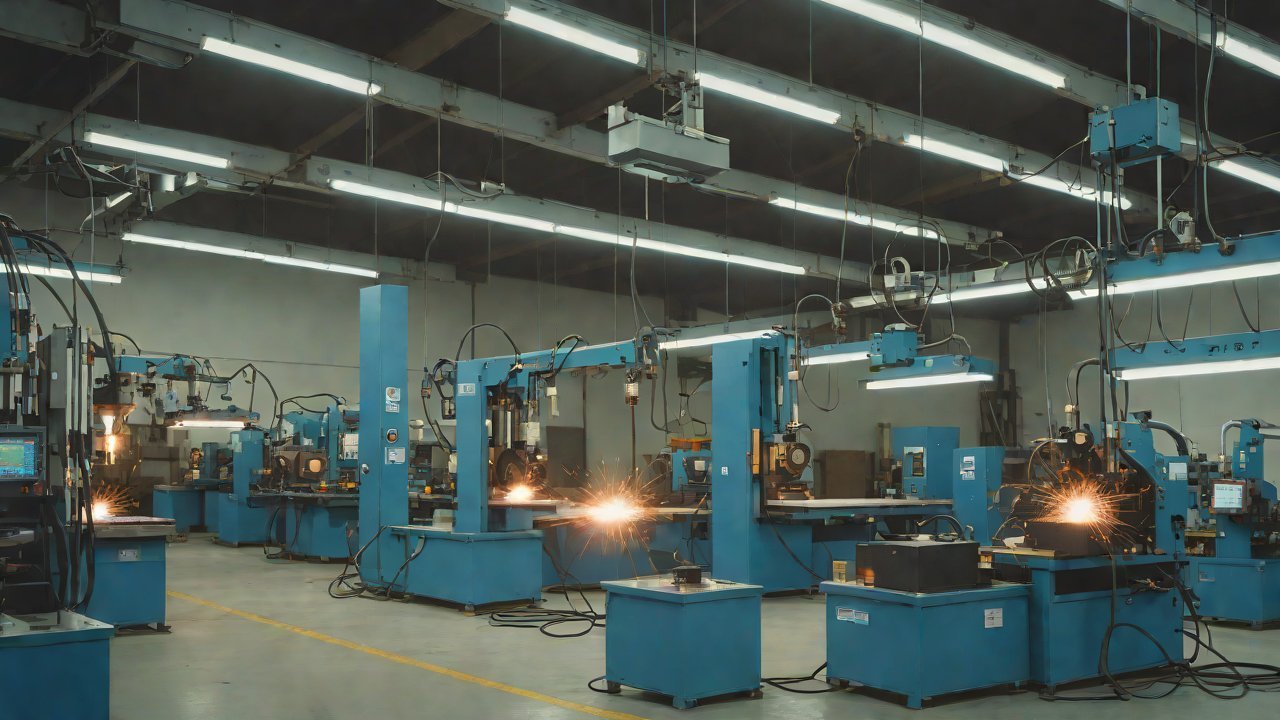
Source: International Electrotechnical Commission
5. Conclusion and Recommendations
Electromagnetic interference from welding arc light is a significant concern in multi-machine collaborative welding environments. To mitigate these risks, it is essential to implement effective shielding and grounding strategies. This report has provided an exhaustive analysis of the issues and proposed practical solutions for EMI prevention.
Based on our findings, we recommend:
- Implementing Faraday cages or shielding gases with high ionization energies to minimize EMI from welding arc light.
- Ensuring proper earthing and bonding to provide a safe path for electromagnetic charges to dissipate.
- Regularly monitoring system performance and adjusting shielding and grounding strategies as needed.
By adopting these recommendations, manufacturers can reduce the risk of EMI-related issues in MMCW environments, ensuring improved productivity, product quality, and overall competitiveness.
IOT Cloud Platform
IOT Cloud Platform is an IoT portal established by a Chinese IoT company, focusing on technical solutions in the fields of agricultural IoT, industrial IoT, medical IoT, security IoT, military IoT, meteorological IoT, consumer IoT, automotive IoT, commercial IoT, infrastructure IoT, smart warehousing and logistics, smart home, smart city, smart healthcare, smart lighting, etc.
The IoT Cloud Platform blog is a top IoT technology stack, providing technical knowledge on IoT, robotics, artificial intelligence (generative artificial intelligence AIGC), edge computing, AR/VR, cloud computing, quantum computing, blockchain, smart surveillance cameras, drones, RFID tags, gateways, GPS, 3D printing, 4D printing, autonomous driving, etc.