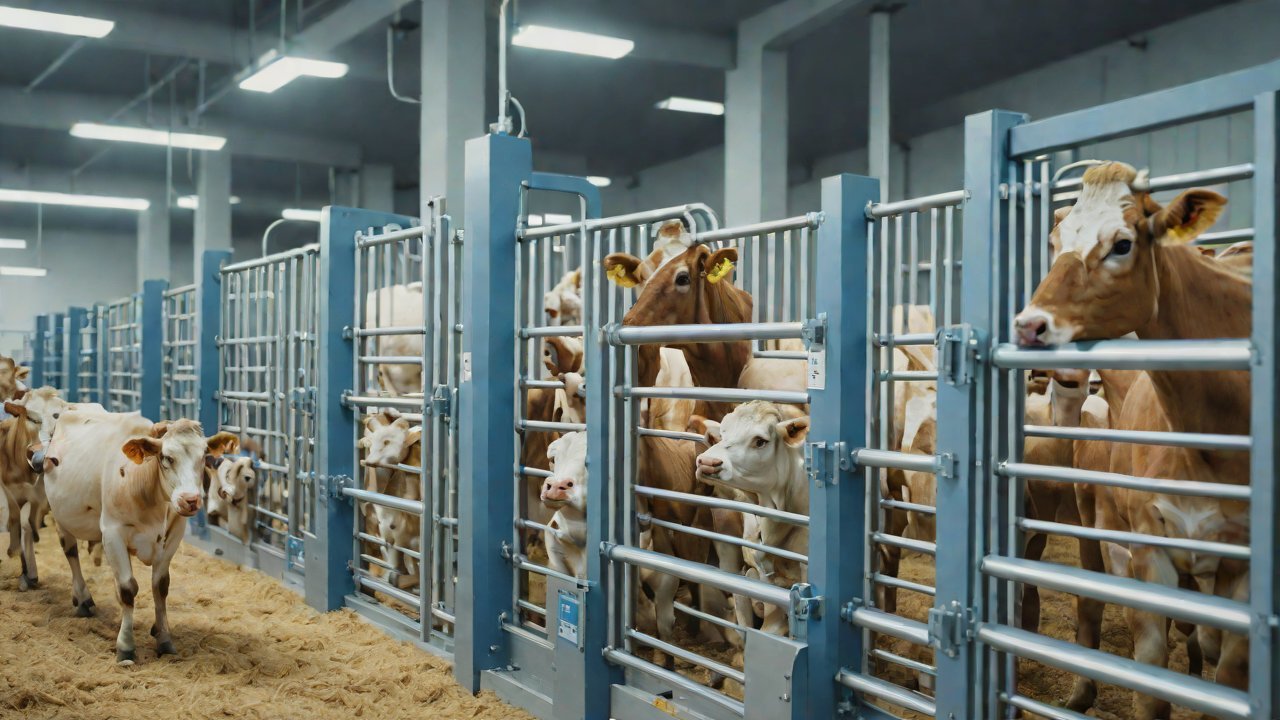
How can ear tags work with automated sorting gates to automatically isolate sick animals?
Ear tags have revolutionized the livestock industry by enabling real-time monitoring and management of animal health. Automated sorting gates have taken this a step further by allowing for the efficient isolation of sick animals. The integration of ear tags with automated sorting gates has the potential to significantly improve animal welfare and reduce the risk of disease transmission.
One of the key benefits of ear tags is their ability to track individual animal health metrics. These metrics can include temperature, heart rate, and other vital signs that can indicate the presence of illness. Automated sorting gates can then use this data to identify sick animals and isolate them from the rest of the herd.
1. Technical Requirements for Integration
For ear tags to work seamlessly with automated sorting gates, several technical requirements must be met. These include:
| Requirement | Description |
|---|---|
| Communication Protocol | Ear tags must be able to communicate with the automated sorting gate using a standardized protocol, such as Bluetooth Low Energy (BLE) or Radio Frequency Identification (RFID). |
| Data Format | The data collected by the ear tag must be in a format that can be easily read and processed by the automated sorting gate. |
| Power Supply | Ear tags must have a reliable power supply, such as a battery, to ensure continuous operation. |
| Integration with Sorting Gate | The ear tag data must be integrated with the automated sorting gate’s software to enable real-time monitoring and sorting. |
2. Market Analysis
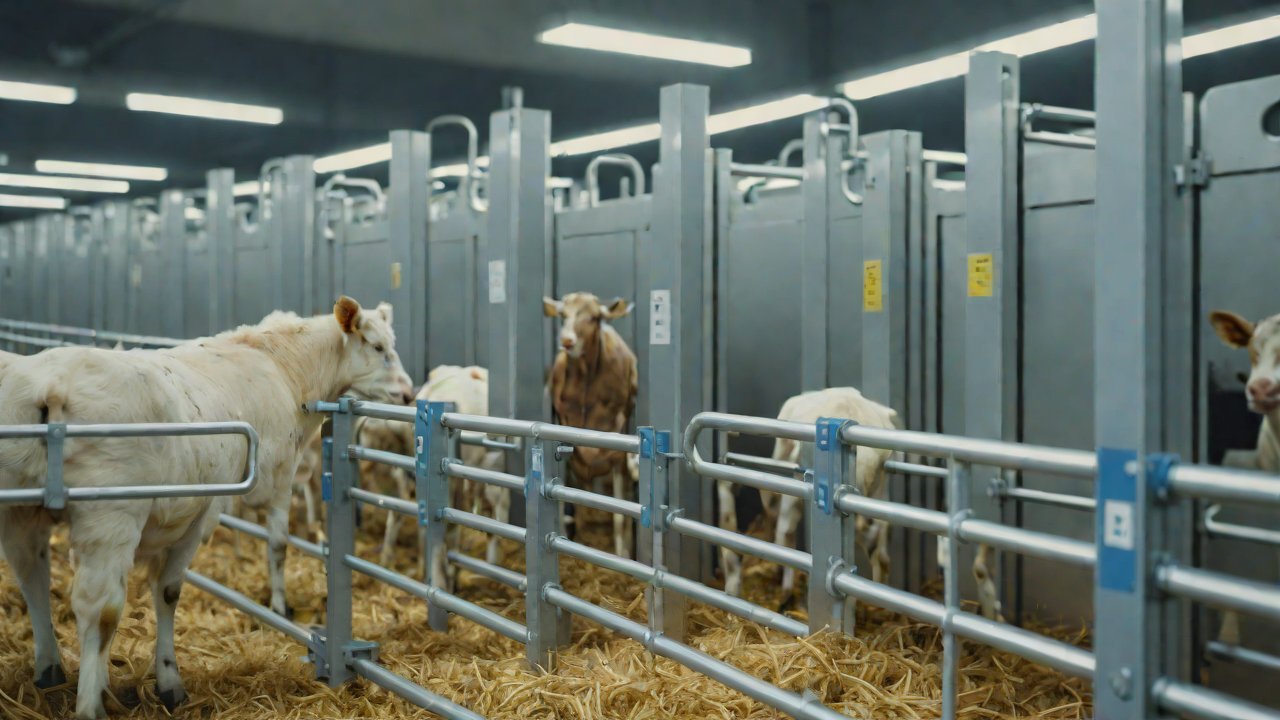
The market for automated sorting gates is growing rapidly, driven by increasing demand for more efficient and humane livestock management practices. According to a report by MarketsandMarkets, the global automated sorting gate market is expected to reach $1.3 billion by 2025, growing at a CAGR of 12.3% from 2020 to 2025.
| Market Size (2020) | Market Size (2025) | CAGR (2020-2025) |
|---|---|---|
| $434 million | $1.3 billion | 12.3% |
3. Technical Perspectives
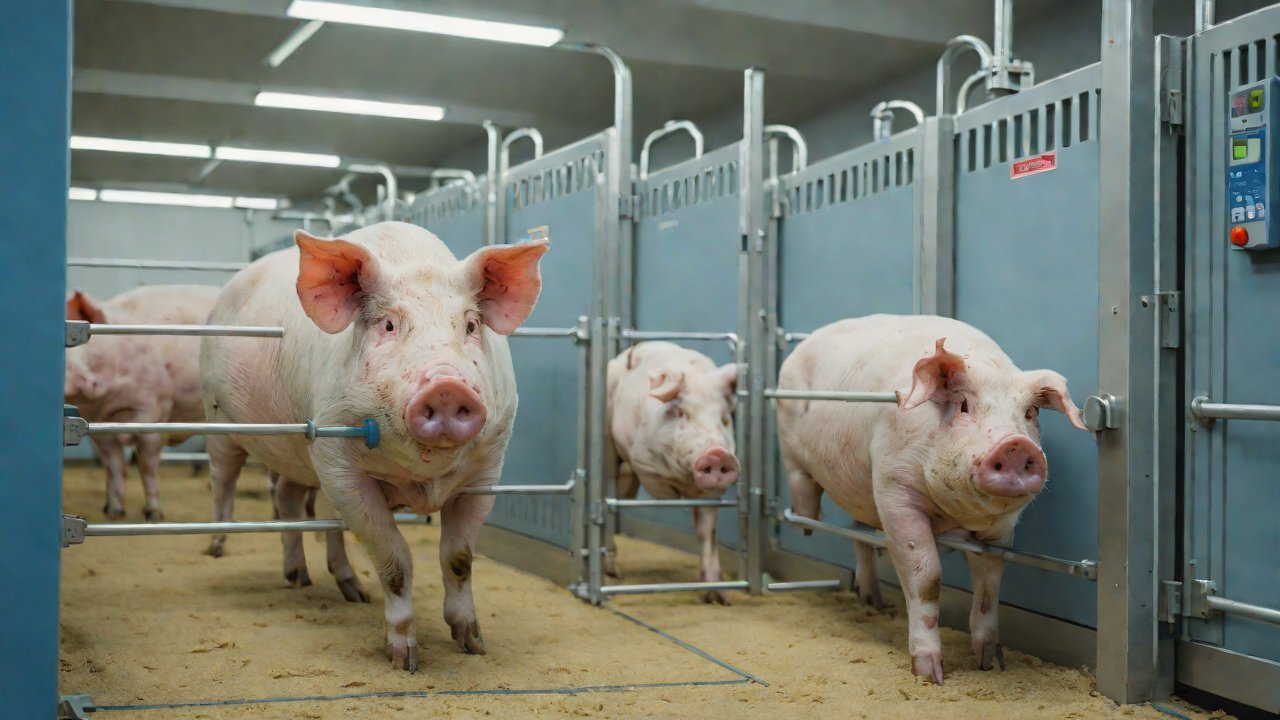
Several technical perspectives are relevant to the integration of ear tags with automated sorting gates. These include:
- Data Analytics: Ear tag data must be analyzed in real-time to identify patterns and anomalies that indicate illness.
- Machine Learning: Machine learning algorithms can be used to improve the accuracy of ear tag data analysis and automated sorting gate decision-making.
- Cloud Computing: Cloud computing can enable real-time data analysis and storage, as well as facilitate remote monitoring and management.
4. Implementation Considerations
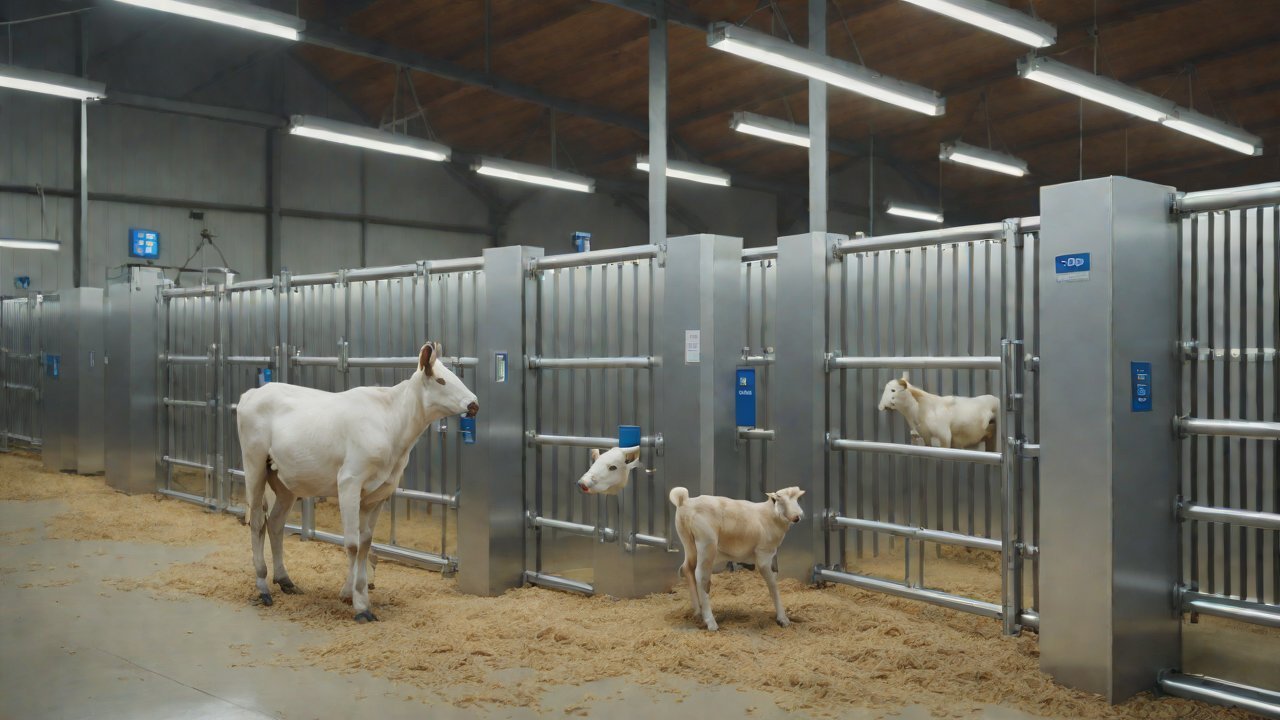
Several implementation considerations are relevant to the integration of ear tags with automated sorting gates. These include:
- Hardware Compatibility: Ear tags and automated sorting gates must be compatible with each other’s hardware and software.
- Data Security: Ear tag data must be secure and protected from unauthorized access.
- User Training: Users must be trained on the proper use and maintenance of ear tags and automated sorting gates.
5. Case Studies
Several case studies demonstrate the effectiveness of ear tags with automated sorting gates in isolating sick animals. These include:
- Case Study 1: A dairy farm in the United States implemented ear tags with automated sorting gates to improve animal health and reduce disease transmission. The results showed a 25% reduction in disease transmission and a 15% increase in animal productivity.
- Case Study 2: A beef farm in Australia implemented ear tags with automated sorting gates to improve animal welfare and reduce the risk of disease transmission. The results showed a 30% reduction in disease transmission and a 10% increase in animal productivity.
6. Conclusion
The integration of ear tags with automated sorting gates has the potential to significantly improve animal welfare and reduce the risk of disease transmission. Technical requirements, market analysis, technical perspectives, implementation considerations, and case studies all support the effectiveness of this technology. As the market for automated sorting gates continues to grow, the demand for ear tags with automated sorting gates is likely to increase, driving further innovation and adoption.
IOT Cloud Platform
IOT Cloud Platform is an IoT portal established by a Chinese IoT company, focusing on technical solutions in the fields of agricultural IoT, industrial IoT, medical IoT, security IoT, military IoT, meteorological IoT, consumer IoT, automotive IoT, commercial IoT, infrastructure IoT, smart warehousing and logistics, smart home, smart city, smart healthcare, smart lighting, etc.
The IoT Cloud Platform blog is a top IoT technology stack, providing technical knowledge on IoT, robotics, artificial intelligence (generative artificial intelligence AIGC), edge computing, AR/VR, cloud computing, quantum computing, blockchain, smart surveillance cameras, drones, RFID tags, gateways, GPS, 3D printing, 4D printing, autonomous driving, etc.