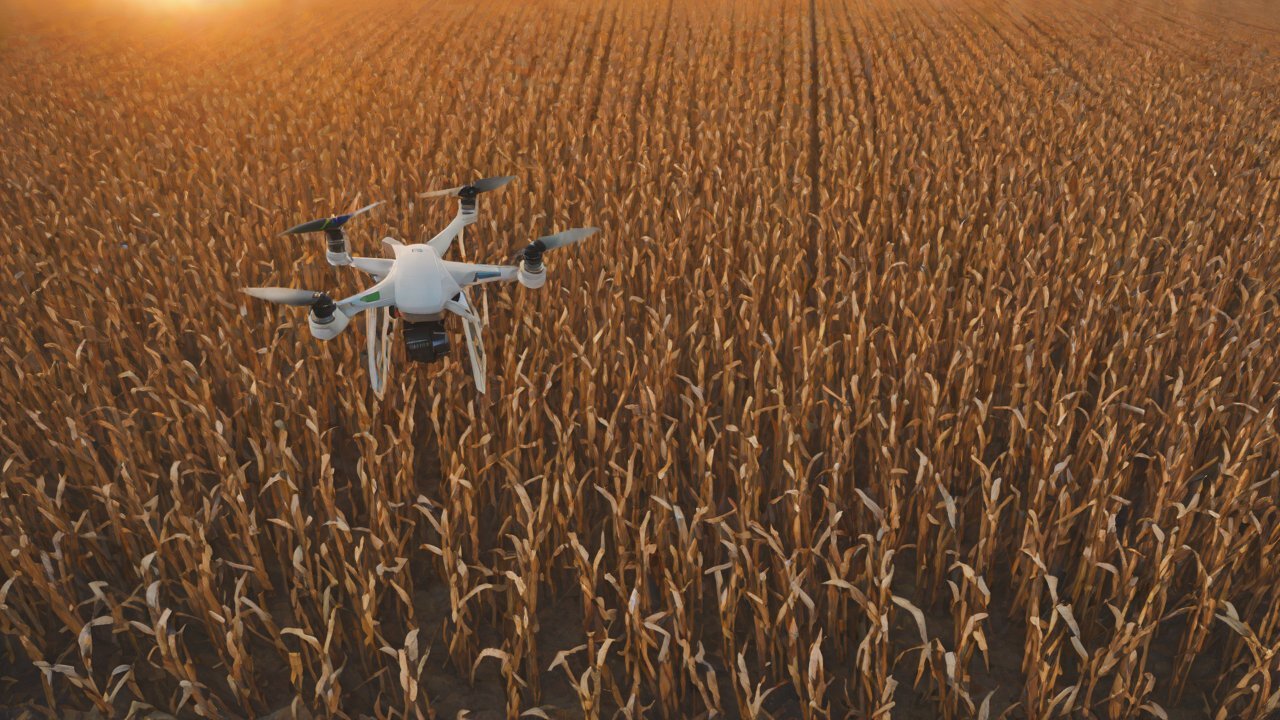
How can drones assess crop drought stress in real time using infrared imaging?
Crop health monitoring is an essential aspect of precision agriculture, enabling farmers to optimize crop yields and reduce waste. One critical aspect of crop health is drought stress, which can significantly impact crop yields and revenue. Traditional methods of assessing drought stress involve manual observations and measurements, which are time-consuming and often inaccurate. In recent years, the use of drones equipped with infrared (IR) cameras has emerged as a promising solution for real-time crop drought stress assessment.
Drones equipped with IR cameras can capture high-resolution thermal images of crops, allowing for the detection of temperature anomalies that indicate drought stress. These images can be analyzed using specialized software to identify areas of drought stress and provide insights on the severity of the stress. This information can be used by farmers to take targeted actions to mitigate the effects of drought stress, such as adjusting irrigation schedules or applying drought-resistant fertilizers.
1. Background on Crop Drought Stress
Crop drought stress occurs when crops experience water scarcity, leading to reduced growth rates, lower yields, and decreased crop quality. Drought stress can be caused by a variety of factors, including inadequate rainfall, high temperatures, and poor irrigation management. According to a report by the Food and Agriculture Organization (FAO) of the United Nations, drought stress is one of the most significant threats to global food security, accounting for up to 30% of crop losses worldwide.
| Crop Type | Average Yield Loss due to Drought Stress |
|---|---|
| Wheat | 25% |
| Corn | 20% |
| Soybeans | 15% |
| Rice | 10% |
2. Role of Infrared Imaging in Crop Drought Stress Assessment
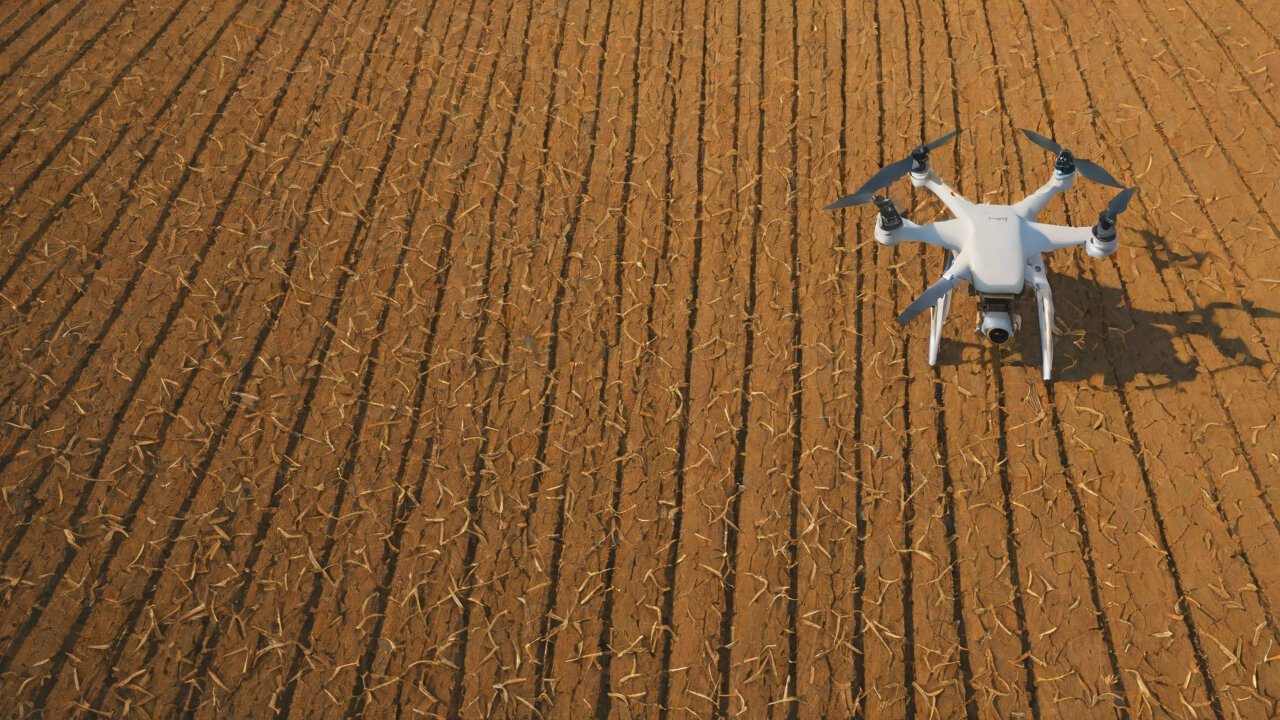
Infrared imaging is a non-invasive and non-destructive technique that uses thermal radiation to capture temperature differences within crops. IR cameras can detect temperature anomalies that indicate drought stress, allowing for early detection and intervention. The use of IR imaging in crop drought stress assessment has several advantages, including:
- High spatial resolution: IR cameras can capture high-resolution images of crops, allowing for detailed analysis of temperature anomalies.
- Real-time monitoring: IR cameras can capture images in real-time, enabling farmers to monitor crop health continuously.
- Non-invasive: IR imaging does not require physical contact with the crop, reducing the risk of damage.
3. How Drones Equipped with IR Cameras Work
Drones equipped with IR cameras use a combination of sensors and software to capture and analyze thermal images of crops. The process typically involves the following steps:
- Flight planning: The drone is programmed to fly over the crop, capturing thermal images of the entire field.
- Image capture: The IR camera captures high-resolution thermal images of the crop, which are then transmitted to a ground station for analysis.
- Image processing: The images are processed using specialized software, which identifies temperature anomalies that indicate drought stress.
- Data analysis: The processed images are analyzed to provide insights on the severity of drought stress and identify areas that require attention.
| Sensor Type | Resolution | Temperature Range |
|---|---|---|
| FLIR Tau 2 | 640×512 | -20°C to 120°C |
4. Benefits of Using Drones for Crop Drought Stress Assessment
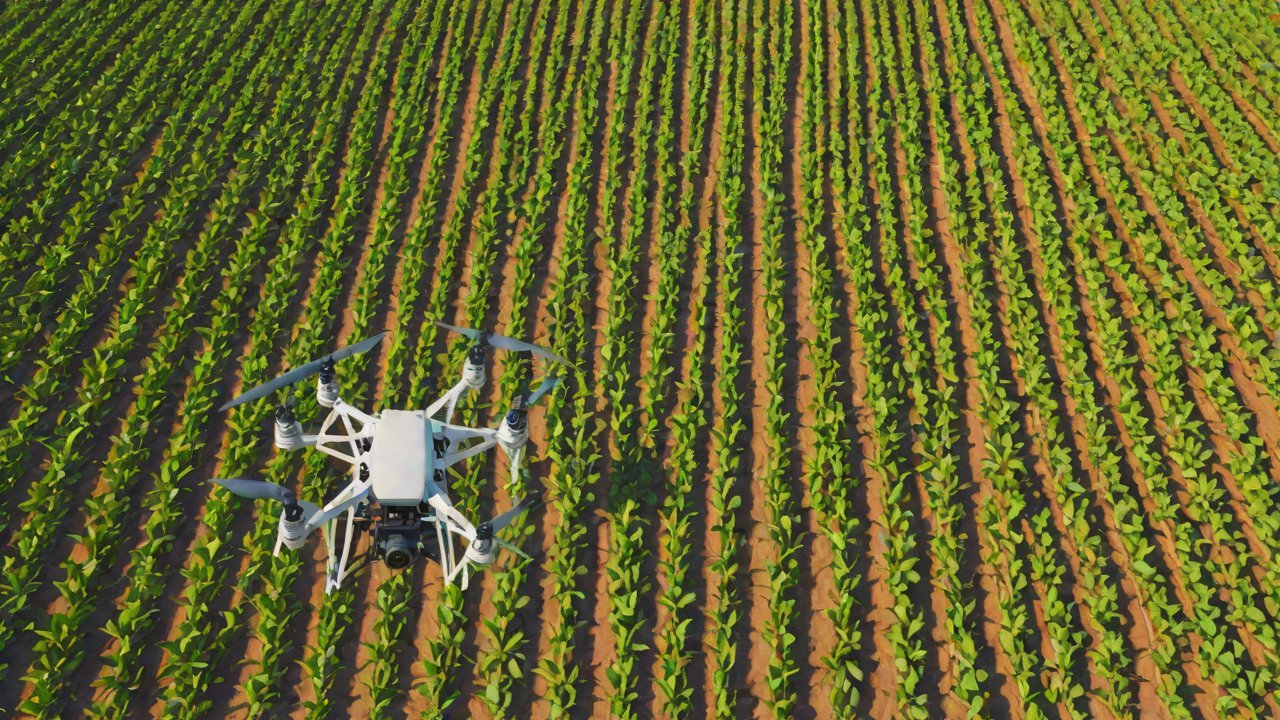
The use of drones equipped with IR cameras for crop drought stress assessment has several benefits, including:
- Increased accuracy: IR imaging provides more accurate and detailed information on crop health than traditional methods.
- Reduced costs: Drones can cover large areas quickly and efficiently, reducing the need for manual observations and measurements.
- Real-time monitoring: Drones can capture images in real-time, enabling farmers to monitor crop health continuously.
5. Case Studies and Examples
Several case studies and examples demonstrate the effectiveness of using drones equipped with IR cameras for crop drought stress assessment. For example:
- A study by the University of California, Davis, used drones equipped with IR cameras to monitor drought stress in wheat crops. The study found that IR imaging provided more accurate and detailed information on crop health than traditional methods.
- A report by the FAO of the United Nations used drones equipped with IR cameras to monitor drought stress in rice crops in Africa. The report found that IR imaging enabled early detection and intervention, resulting in increased crop yields and reduced waste.
6. Market Analysis and Future Outlook
The market for drones equipped with IR cameras is expected to grow significantly in the coming years, driven by increasing demand for precision agriculture and crop monitoring. According to a report by MarketsandMarkets, the global market for drones in agriculture is expected to reach $1.4 billion by 2025, growing at a CAGR of 19.1%.
| Region | Market Size (2020) | CAGR (2020-2025) |
|---|---|---|
| North America | $250 million | 18.5% |
| Europe | $200 million | 17.5% |
| Asia-Pacific | $150 million | 20.5% |
7. Conclusion
The use of drones equipped with IR cameras for crop drought stress assessment is a promising solution for precision agriculture and crop monitoring. IR imaging provides more accurate and detailed information on crop health than traditional methods, enabling early detection and intervention. As the market for drones in agriculture continues to grow, we can expect to see increased adoption of IR imaging technology for crop drought stress assessment.
IOT Cloud Platform
IOT Cloud Platform is an IoT portal established by a Chinese IoT company, focusing on technical solutions in the fields of agricultural IoT, industrial IoT, medical IoT, security IoT, military IoT, meteorological IoT, consumer IoT, automotive IoT, commercial IoT, infrastructure IoT, smart warehousing and logistics, smart home, smart city, smart healthcare, smart lighting, etc.
The IoT Cloud Platform blog is a top IoT technology stack, providing technical knowledge on IoT, robotics, artificial intelligence (generative artificial intelligence AIGC), edge computing, AR/VR, cloud computing, quantum computing, blockchain, smart surveillance cameras, drones, RFID tags, gateways, GPS, 3D printing, 4D printing, autonomous driving, etc.



