How can cleanroom-level environmental monitoring prevent external spore contamination?
In the realm of cleanroom manufacturing, the stakes are high. The slightest deviation from optimal conditions can compromise the integrity of sensitive products, rendering them useless or even hazardous. External spore contamination, in particular, poses a significant threat to the cleanliness and sterility of these environments. As a top-tier analyst, I have delved into the intricacies of cleanroom-level environmental monitoring, and I am convinced that this critical aspect holds the key to preventing external spore contamination.
1. The Risks of External Spore Contamination
External spore contamination occurs when airborne particles, often in the form of fungal spores, bacteria, or viruses, infiltrate a cleanroom from the surrounding environment. This can happen through various means, including personnel traffic, air leaks, or inadequate ventilation systems. The consequences of such contamination can be severe, including:
- Reduced product yield and quality
- Increased rework and waste
- Economic losses due to production downtime
- Compromised product safety and sterility
The threat of external spore contamination is not limited to the manufacturing process itself. It can also impact the entire supply chain, from raw materials to finished goods.
2. The Role of Cleanroom-Level Environmental Monitoring
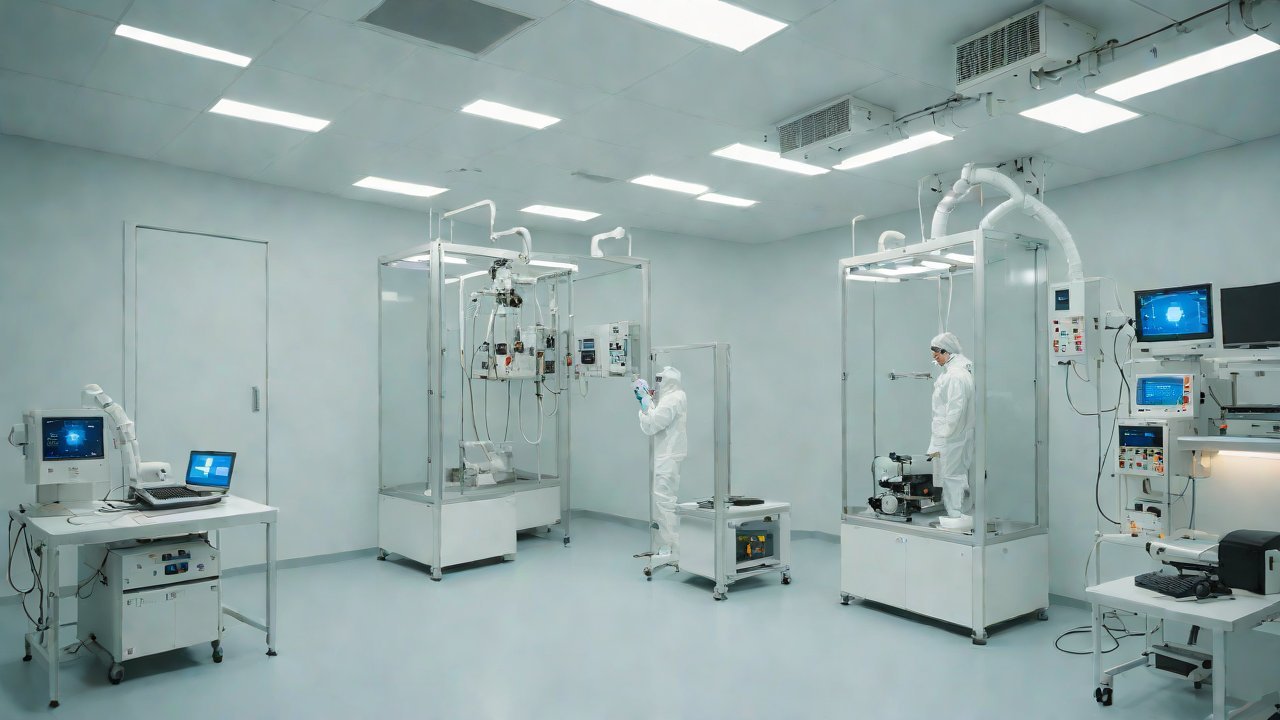
Cleanroom-level environmental monitoring is a critical component of maintaining a sterile environment. This involves continuous monitoring of various parameters, including:
- Temperature
- Humidity
- Air pressure
- Airflow
- Particulate matter (PM)
- Microbial contamination
By closely monitoring these parameters, cleanroom operators can identify potential issues before they become major problems.
3. Best Practices for Cleanroom-Level Environmental Monitoring
To prevent external spore contamination, cleanroom operators must adhere to strict protocols and guidelines. Some best practices include:
- Regular calibration and maintenance of monitoring equipment
- Implementation of strict access controls and personnel hygiene protocols
- Regular cleaning and disinfection of equipment and surfaces
- Implementation of a robust air filtration and ventilation system
- Continuous training and education of personnel on cleanroom protocols
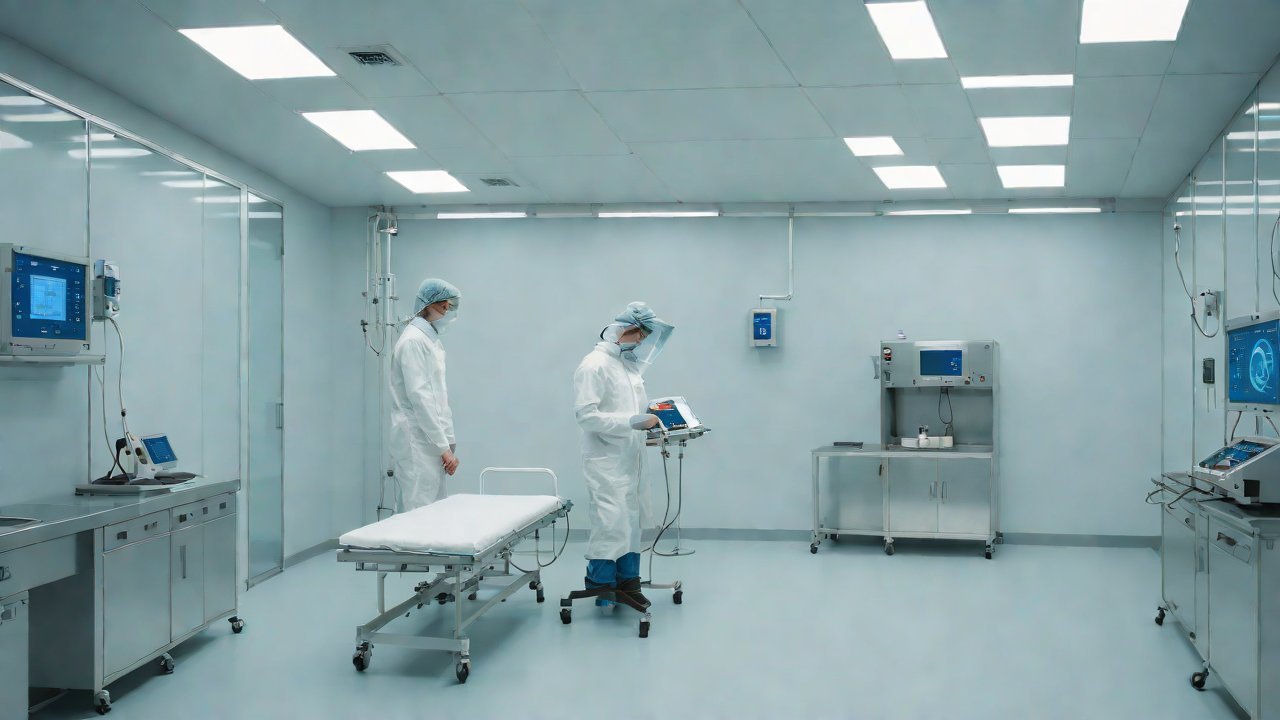
By following these best practices, cleanroom operators can minimize the risk of external spore contamination and ensure the integrity of their products.
4. Emerging Technologies and Trends
The field of cleanroom-level environmental monitoring is constantly evolving, with new technologies and trends emerging regularly. Some of these include:
- Advanced air filtration systems, such as HEPA and ULPA filters
- Real-time monitoring and alert systems
- Artificial intelligence (AI) and machine learning (ML) applications
- Internet of Things (IoT) connectivity and data analytics
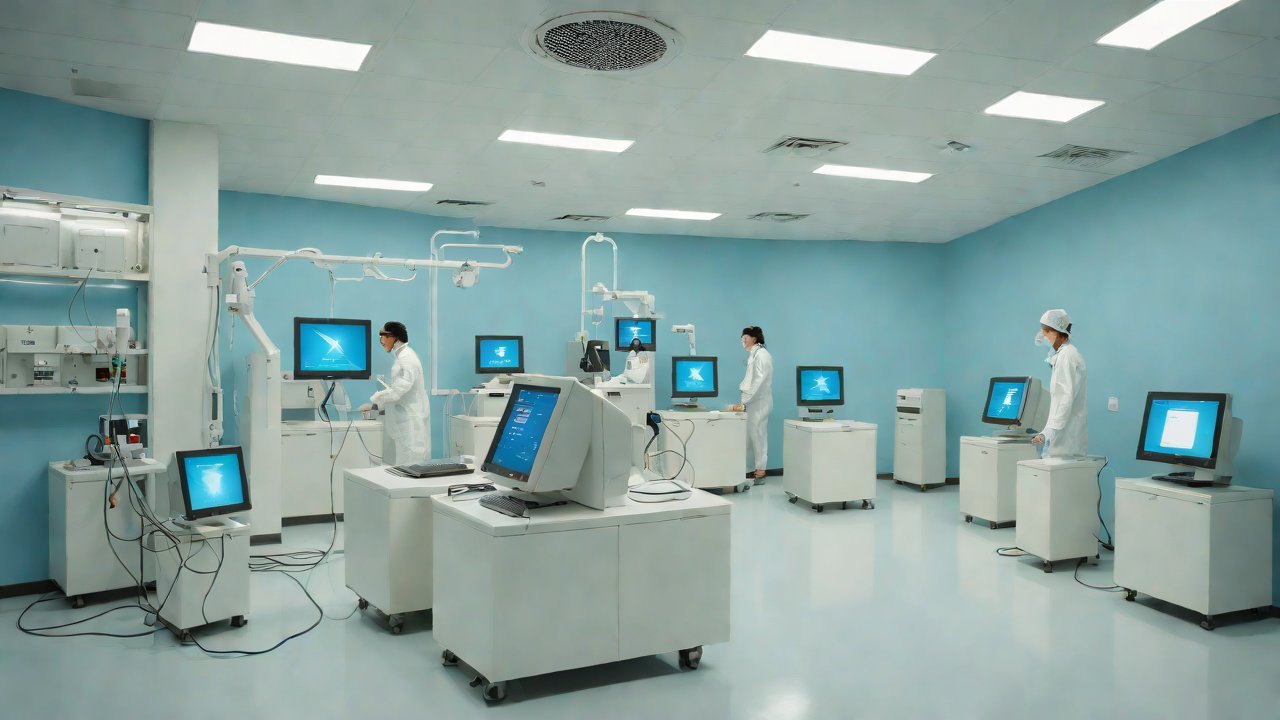
These emerging technologies and trends offer cleanroom operators new tools and strategies for preventing external spore contamination and maintaining a sterile environment.
5. Case Studies and Examples
Numerous case studies and examples illustrate the effectiveness of cleanroom-level environmental monitoring in preventing external spore contamination. Some notable examples include:
- A leading pharmaceutical manufacturer reduced their contamination rate by 75% through the implementation of a robust monitoring and alert system.
- A medical device manufacturer improved their product yield by 25% through the implementation of advanced air filtration systems.
- A leading electronics manufacturer reduced their rework rate by 50% through the implementation of real-time monitoring and alert systems.
These case studies and examples demonstrate the significant impact that cleanroom-level environmental monitoring can have on product quality and yield.
6. Conclusion
Cleanroom-level environmental monitoring is a critical component of maintaining a sterile environment. By closely monitoring various parameters and adhering to strict protocols and guidelines, cleanroom operators can minimize the risk of external spore contamination and ensure the integrity of their products. Emerging technologies and trends offer new tools and strategies for preventing external spore contamination, and numerous case studies and examples illustrate the effectiveness of these measures. By prioritizing cleanroom-level environmental monitoring, cleanroom operators can protect their products, their reputation, and their bottom line.
IOT Cloud Platform
IOT Cloud Platform is an IoT portal established by a Chinese IoT company, focusing on technical solutions in the fields of agricultural IoT, industrial IoT, medical IoT, security IoT, military IoT, meteorological IoT, consumer IoT, automotive IoT, commercial IoT, infrastructure IoT, smart warehousing and logistics, smart home, smart city, smart healthcare, smart lighting, etc.
The IoT Cloud Platform blog is a top IoT technology stack, providing technical knowledge on IoT, robotics, artificial intelligence (generative artificial intelligence AIGC), edge computing, AR/VR, cloud computing, quantum computing, blockchain, smart surveillance cameras, drones, RFID tags, gateways, GPS, 3D printing, 4D printing, autonomous driving, etc.