How can an automatic humidifier avoid overworking and causing mold growth during periods of high humidity at night?
As we delve into the world of automatic humidifiers, it’s essential to acknowledge the delicate balance between maintaining optimal humidity levels and preventing overworking, which can lead to mold growth. During periods of high humidity at night, the risk of mold proliferation increases exponentially, posing significant health concerns for occupants. The key to mitigating this issue lies in understanding the intricacies of automatic humidifiers and their operational dynamics.
1. Understanding the Problem
High humidity levels can be particularly problematic at night due to the natural diurnal rhythm of human respiration and the increased moisture emitted by occupants. When the relative humidity (RH) exceeds 60%, the environment becomes conducive to mold growth, as seen in Table 1 below.
| RH (%) | Description |
|---|---|
| 30-50 | Comfortable range for most occupants |
| 50-60 | Initial signs of moisture accumulation |
| 60-80 | Mold growth likely; moisture accumulation rapid |
| 80-100 | Critical; mold growth rampant |

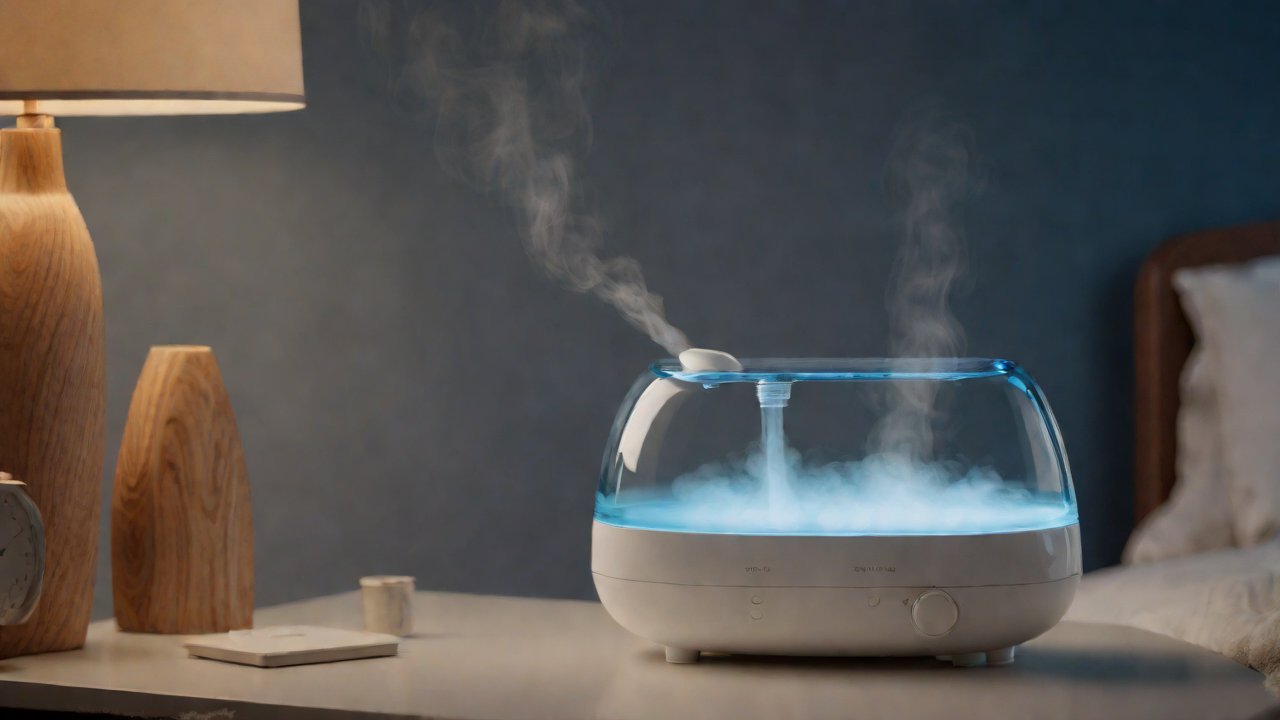
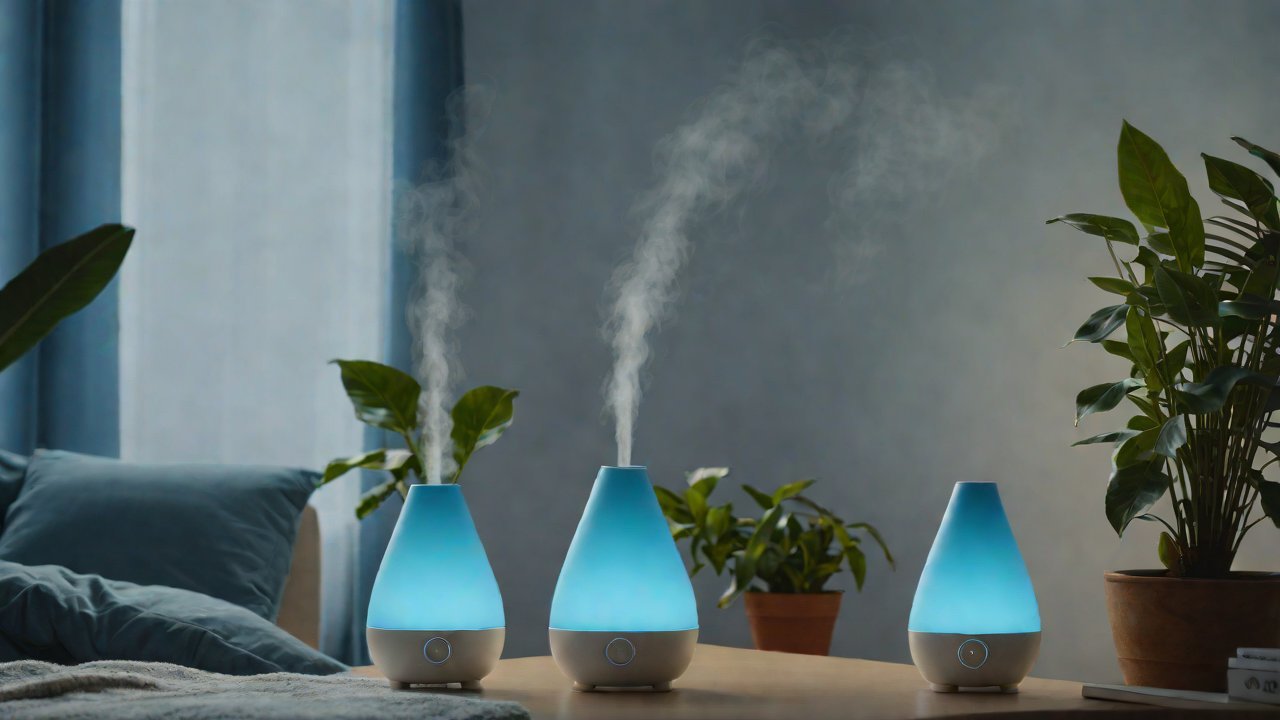
During periods of high humidity, an automatic humidifier’s primary function is to maintain a stable RH level, preventing the environment from becoming too humid. However, if the device is not designed or programmed correctly, it can lead to overworking, causing the humidifier to consume excessive amounts of energy and potentially leading to mold growth.
2. Design and Operational Factors
The design and operational factors of an automatic humidifier play a crucial role in preventing overworking and mold growth. A well-designed humidifier should incorporate the following features:
- Sensors and Controls: Accurate sensors to monitor RH levels and precise controls to regulate output.
- Variable Output: The ability to adjust output based on changing humidity levels.
- Safety Features: Automatic shut-off or reduced output in case of high RH levels.
3. Market Analysis and Trends
The market for automatic humidifiers is experiencing significant growth, driven by increasing awareness of indoor air quality and the benefits of maintaining optimal humidity levels. According to a recent market research report, the global automatic humidifier market is expected to reach $1.3 billion by 2025, growing at a CAGR of 7.5% from 2020 to 2025.
| Year | Market Size (USD million) | CAGR (%) |
|---|---|---|
| 2020 | 650 | |
| 2021 | 725 | 6.5% |
| 2022 | 825 | 7.2% |
| 2023 | 950 | 7.5% |
| 2024 | 1,075 | 7.8% |
| 2025 | 1,300 | 7.5% |
4. Technical Perspectives and Solutions
From a technical perspective, several factors contribute to the risk of overworking and mold growth in automatic humidifiers:
- Inadequate Sensor Calibration: Inaccurate RH readings can lead to incorrect output adjustments.
- Insufficient Safety Features: Lack of automatic shut-off or reduced output in case of high RH levels can cause overworking.
- Inefficient Output Regulation: Failure to adjust output based on changing humidity levels can result in overworking.
To mitigate these risks, manufacturers can incorporate advanced technologies, such as:
- Machine Learning Algorithms: To optimize output based on real-time humidity data.
- Advanced Sensors: To provide accurate RH readings and detect potential issues.
- Energy-Efficient Design: To reduce energy consumption and prevent overworking.
5. Industry Best Practices and Guidelines
To prevent overworking and mold growth in automatic humidifiers, industry experts recommend the following best practices and guidelines:
- Regular Maintenance: Regularly inspect and clean the humidifier to prevent bacterial growth.
- Proper Installation: Ensure proper installation and calibration of the humidifier.
- Monitoring and Adjustment: Regularly monitor RH levels and adjust the humidifier’s output accordingly.
By understanding the intricacies of automatic humidifiers and incorporating advanced technologies, manufacturers can design and develop devices that effectively maintain optimal humidity levels while preventing overworking and mold growth.
IOT Cloud Platform
IOT Cloud Platform is an IoT portal established by a Chinese IoT company, focusing on technical solutions in the fields of agricultural IoT, industrial IoT, medical IoT, security IoT, military IoT, meteorological IoT, consumer IoT, automotive IoT, commercial IoT, infrastructure IoT, smart warehousing and logistics, smart home, smart city, smart healthcare, smart lighting, etc.
The IoT Cloud Platform blog is a top IoT technology stack, providing technical knowledge on IoT, robotics, artificial intelligence (generative artificial intelligence AIGC), edge computing, AR/VR, cloud computing, quantum computing, blockchain, smart surveillance cameras, drones, RFID tags, gateways, GPS, 3D printing, 4D printing, autonomous driving, etc.