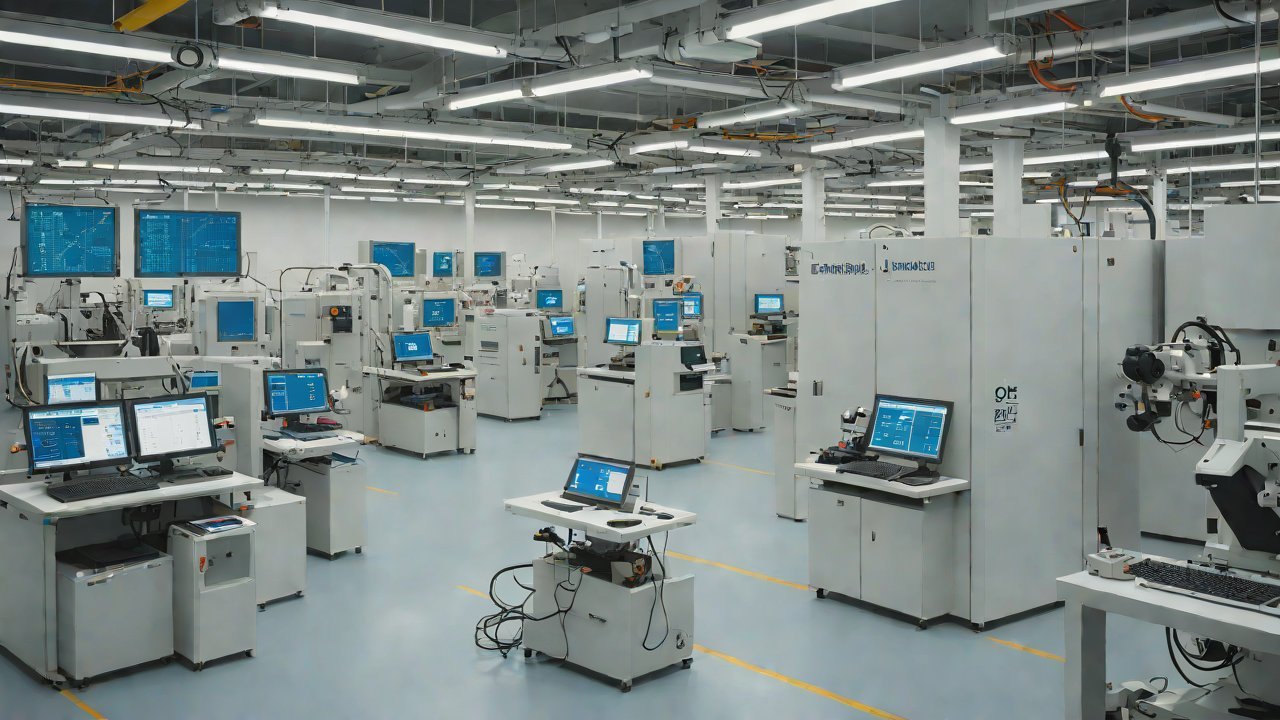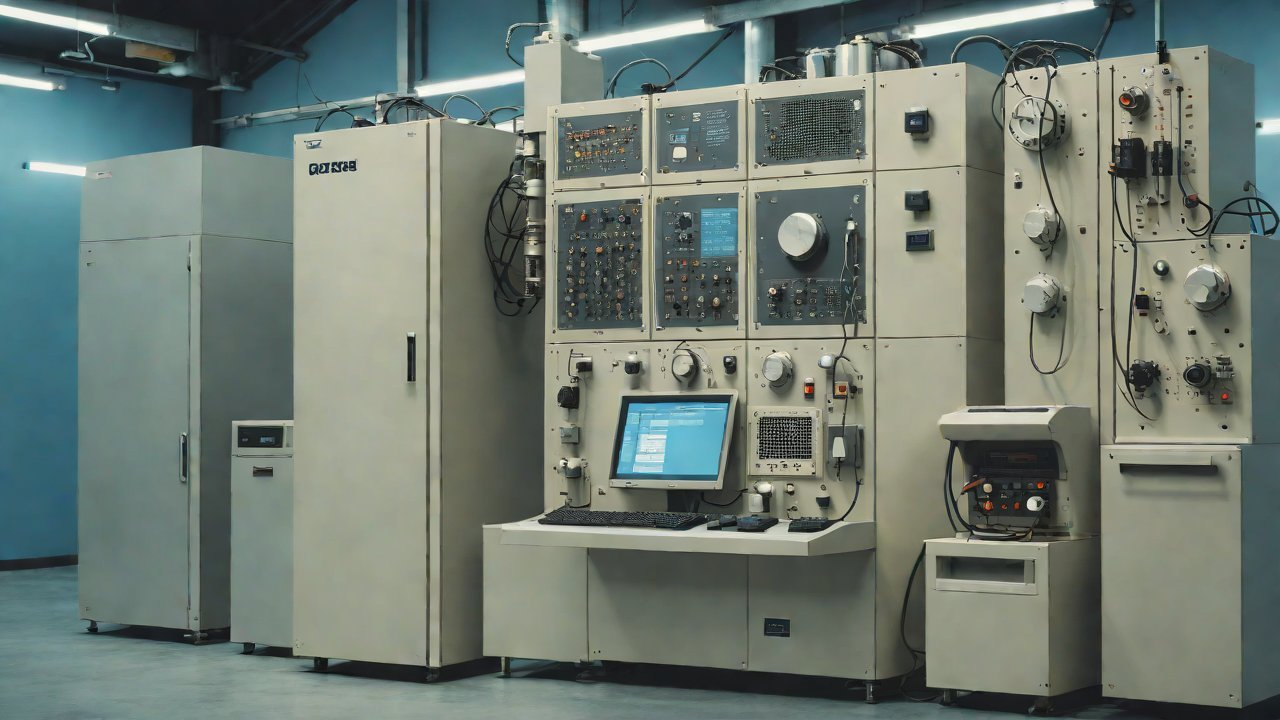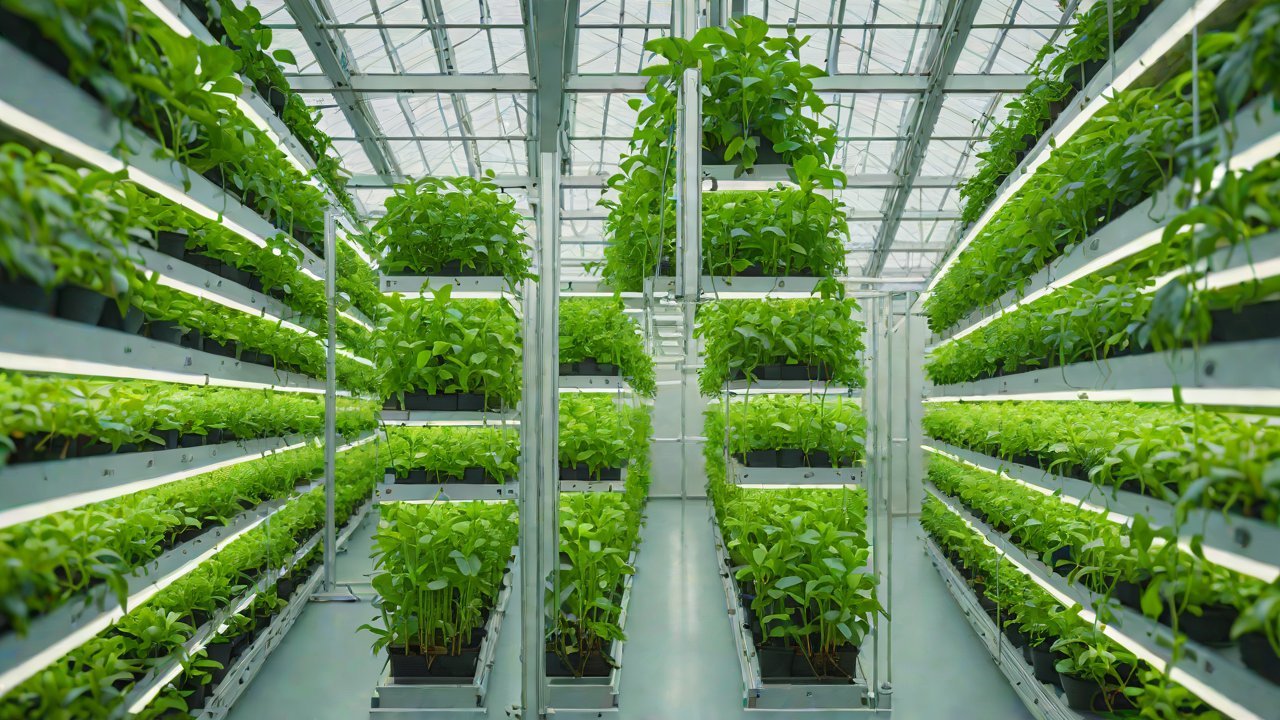
How can an artificial cultivation base for rare Tibetan medicinal herbs use IoT to simulate a high-altitude microclimate?
The snow-capped Himalayas stretch towards the sky, their rugged terrain home to some of the rarest and most prized medicinal herbs in the world. Among these, the Tibetan medicinal herbs are particularly renowned for their unique properties and therapeutic benefits. However, cultivating these herbs is a challenging task due to their specific requirements of high altitude, low temperature, and precise humidity levels.
In recent years, the concept of artificial cultivation bases has gained traction as an innovative solution to replicate these conditions in controlled environments. But how can these artificial cultivation bases utilize IoT (Internet of Things) technology to simulate a high-altitude microclimate? This report delves into the intricacies of this question, exploring the technical aspects, market trends, and potential applications.
1. Understanding High-Altitude Microclimates
High-altitude microclimates are characterized by low air pressure, high UV radiation, and specific temperature fluctuations that mimic the natural conditions found in the Himalayas. These microclimates play a crucial role in shaping the growth patterns of Tibetan medicinal herbs. For instance:
| Herb | Altitude (m) | Temperature Range (°C) |
|---|---|---|
| Cordyceps sinensis | 3,000 – 5,000 | 10 – 20 |
| Astragalus membranaceus | 4,000 – 6,000 | 8 – 18 |

These conditions are essential for the growth and development of these herbs. Any deviation can lead to reduced potency or even sterility.
2. IoT in Artificial Cultivation Bases
IoT technology can be integrated into artificial cultivation bases to simulate high-altitude microclimates by monitoring and controlling various environmental parameters such as:
- Temperature
- Humidity
- Air pressure
- UV radiation
- CO2 levels

This data is then used to adjust the conditions within the cultivation base, ensuring that they mirror those found in the natural environment.
3. Technical Aspects of IoT Integration
Several technical aspects need to be considered when integrating IoT technology into artificial cultivation bases:
- Sensor Selection: The choice of sensors for monitoring environmental parameters is crucial. For instance, temperature and humidity sensors should have high accuracy and response times.
- Data Analysis: Advanced algorithms can analyze real-time data from the sensors, enabling predictive maintenance and precise control over the microclimate.
- Communication Protocols: IoT devices require reliable communication protocols to exchange data with other components of the cultivation base.
4. Market Trends and Applications
The market for artificial cultivation bases is growing rapidly due to increasing demand for rare medicinal herbs. According to a report by Grand View Research:
“The global artificial cultivation market size was valued at USD 12.6 billion in 2020 and is expected to grow at a compound annual growth rate (CAGR) of 11.8% from 2021 to 2028.”
Some potential applications of IoT-integrated artificial cultivation bases include:
- Pharmaceutical Companies: Utilizing these systems for large-scale production of rare medicinal herbs.
- Research Institutions: Conducting experiments and gathering data on the effects of high-altitude microclimates on plant growth.
- Farmers: Small-scale farmers can replicate these conditions in their own environments, increasing crop yields.
5. Case Studies and Implementation Strategies
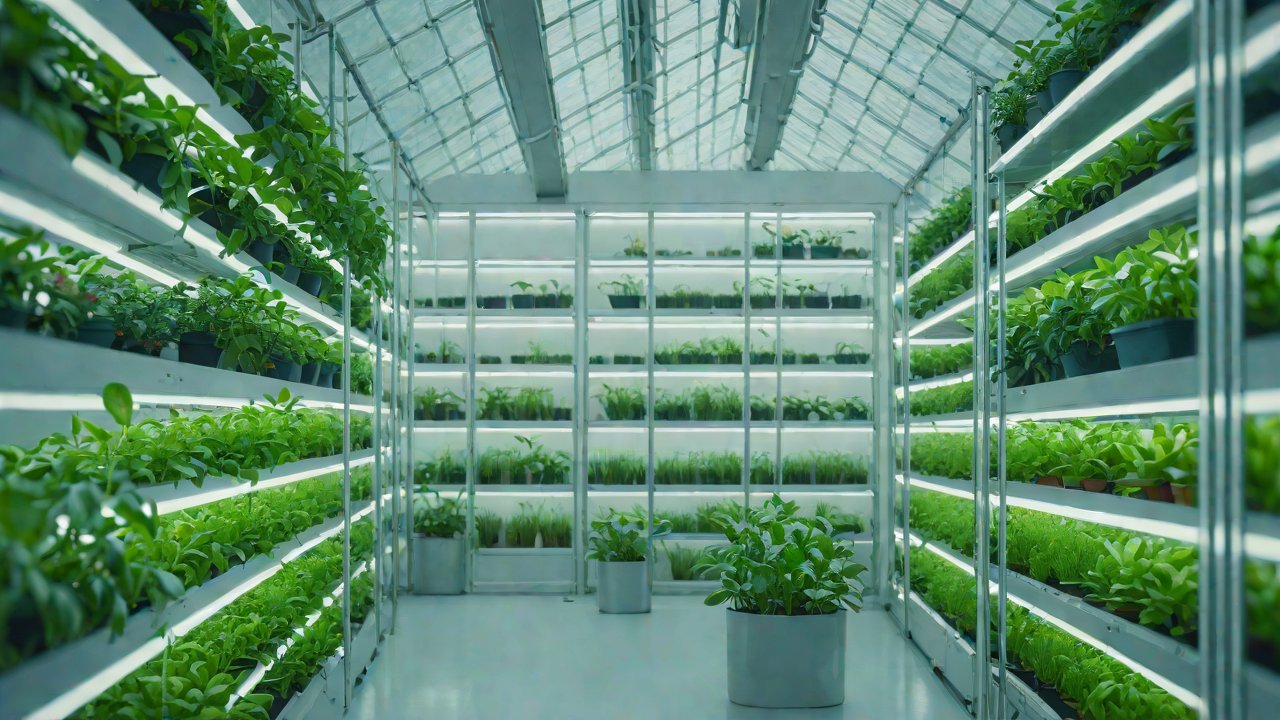
Several companies have successfully implemented IoT-integrated artificial cultivation bases for simulating high-altitude microclimates:
- Tibetan Medicinal Herb Farm (China): Implemented a large-scale artificial cultivation base with integrated IoT sensors and control systems.
- Astral Inc. (USA): Developed an innovative system for monitoring and controlling environmental parameters in their artificial cultivation facilities.
When implementing these systems, it is essential to consider factors such as:
- Initial investment costs
- Maintenance requirements
- Energy efficiency
6. Conclusion
Artificial cultivation bases can utilize IoT technology to simulate high-altitude microclimates, enabling the large-scale production of rare Tibetan medicinal herbs. By understanding the technical aspects, market trends, and potential applications, stakeholders in this field can make informed decisions about implementing these systems.
As the demand for rare medicinal herbs continues to grow, innovative solutions like IoT-integrated artificial cultivation bases will play a crucial role in meeting this demand while ensuring the quality and potency of these valuable resources.
IOT Cloud Platform
IOT Cloud Platform is an IoT portal established by a Chinese IoT company, focusing on technical solutions in the fields of agricultural IoT, industrial IoT, medical IoT, security IoT, military IoT, meteorological IoT, consumer IoT, automotive IoT, commercial IoT, infrastructure IoT, smart warehousing and logistics, smart home, smart city, smart healthcare, smart lighting, etc.
The IoT Cloud Platform blog is a top IoT technology stack, providing technical knowledge on IoT, robotics, artificial intelligence (generative artificial intelligence AIGC), edge computing, AR/VR, cloud computing, quantum computing, blockchain, smart surveillance cameras, drones, RFID tags, gateways, GPS, 3D printing, 4D printing, autonomous driving, etc.