How can a real-time bidding “manufacturing capacity market” achieve automatic capacity matching?
A real-time bidding “manufacturing capacity market” is an innovative concept that aims to revolutionize the way manufacturing capacity is allocated and utilized. By leveraging advanced technologies such as artificial intelligence, machine learning, and the Internet of Things (IoT), this market can achieve automatic capacity matching, ensuring that manufacturing capacity is utilized efficiently and effectively.
In this market, manufacturers can offer their available capacity to the highest bidder in real-time, while buyers can bid on the required capacity based on their specific needs. This dynamic pricing mechanism allows for the optimal allocation of manufacturing capacity, reducing waste and increasing productivity. With the help of advanced analytics and data science, the market can automatically match buyers with available capacity, ensuring that production targets are met while minimizing costs.
The concept of a real-time bidding manufacturing capacity market is not new, but its implementation has been hindered by the lack of a standardized platform and the inability to accurately measure and allocate manufacturing capacity in real-time. However, with the advent of advanced technologies, it has become increasingly feasible to create a market that can achieve automatic capacity matching.
1. Key Components of a Real-Time Bidding Manufacturing Capacity Market
A real-time bidding manufacturing capacity market requires several key components to function effectively. These include:
| Component | Description |
|---|---|
| Advanced Analytics | Real-time data analysis and predictive modeling to determine available capacity and demand |
| Machine Learning | Algorithms that can learn from data and optimize capacity allocation in real-time |
| IoT Sensors | Real-time monitoring of production processes and equipment to ensure accurate capacity measurement |
| Blockchain | Secure and transparent platform for bidding and capacity allocation |
| Data Integration | Integration of data from various sources, including ERP systems, production equipment, and supply chain partners |

2. Automatic Capacity Matching through Advanced Analytics
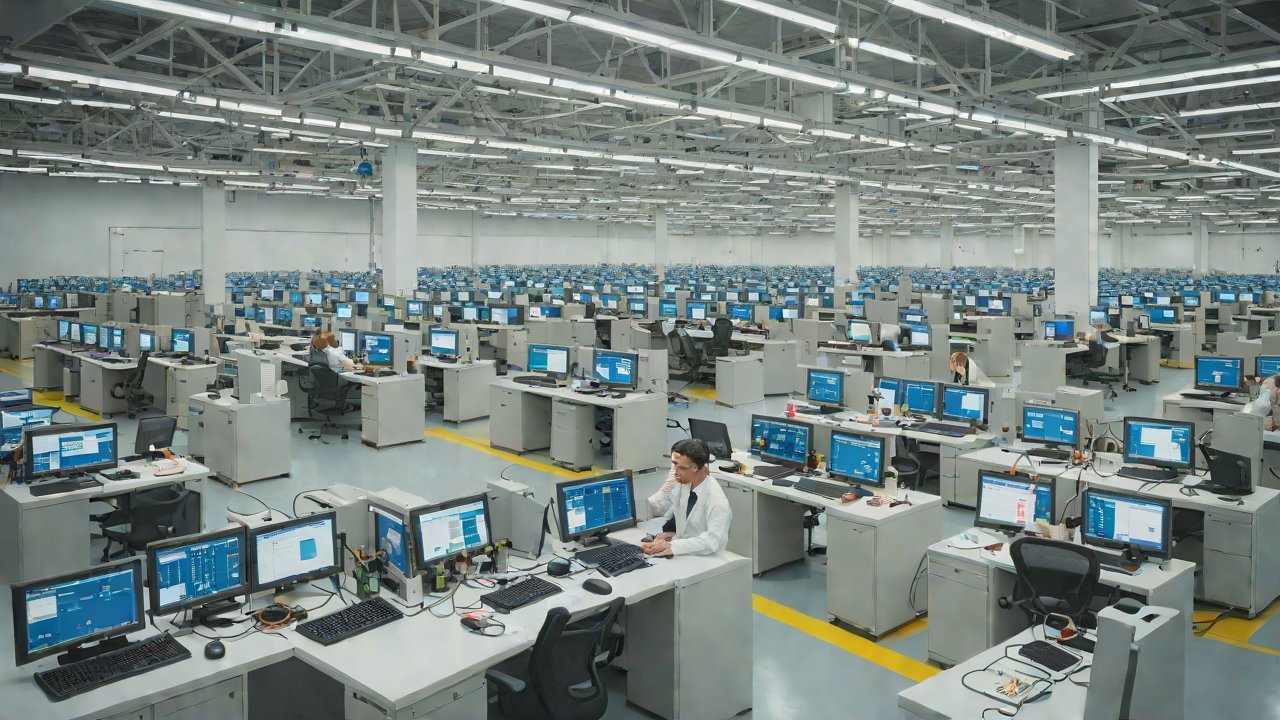
Advanced analytics plays a critical role in a real-time bidding manufacturing capacity market, as it enables the accurate measurement and allocation of manufacturing capacity in real-time. This is achieved through the use of advanced algorithms and machine learning models that can analyze large datasets and make predictions about future demand and capacity.
Some key applications of advanced analytics in a real-time bidding manufacturing capacity market include:
- Capacity forecasting: Predicting available capacity and demand in real-time to ensure optimal allocation
- Production planning: Optimizing production schedules to meet demand while minimizing waste and costs
- Supply chain optimization: Analyzing supply chain data to identify bottlenecks and optimize capacity allocation
3. Machine Learning for Capacity Allocation
Machine learning is a critical component of a real-time bidding manufacturing capacity market, as it enables the development of algorithms that can learn from data and optimize capacity allocation in real-time. Some key applications of machine learning in a real-time bidding manufacturing capacity market include:
- Capacity allocation: Optimizing capacity allocation based on real-time demand and available capacity
- Price determination: Determining optimal prices for capacity based on real-time demand and supply
- Risk management: Identifying and mitigating risks associated with capacity allocation and production
4. IoT Sensors for Real-Time Capacity Measurement
IoT sensors play a critical role in a real-time bidding manufacturing capacity market, as they enable real-time monitoring of production processes and equipment. This ensures accurate measurement of available capacity and enables real-time adjustments to capacity allocation.
Some key applications of IoT sensors in a real-time bidding manufacturing capacity market include:
- Real-time monitoring: Monitoring production processes and equipment in real-time to ensure accurate capacity measurement
- Predictive maintenance: Predicting equipment failures and scheduling maintenance to minimize downtime
- Quality control: Monitoring production quality in real-time to ensure compliance with quality standards
5. Blockchain for Secure and Transparent Bidding
Blockchain is a critical component of a real-time bidding manufacturing capacity market, as it enables secure and transparent bidding and capacity allocation. This ensures that all transactions are recorded and verified, reducing the risk of disputes and ensuring that all parties have a clear understanding of the capacity allocation process.
Some key applications of blockchain in a real-time bidding manufacturing capacity market include:
- Secure bidding: Secure and transparent bidding process to ensure fair and efficient capacity allocation
- Capacity allocation: Secure and transparent capacity allocation process to ensure that capacity is allocated efficiently and effectively
- Supply chain transparency: Providing transparency into supply chain transactions to ensure that all parties have a clear understanding of the capacity allocation process
6. Data Integration for Real-Time Capacity Allocation
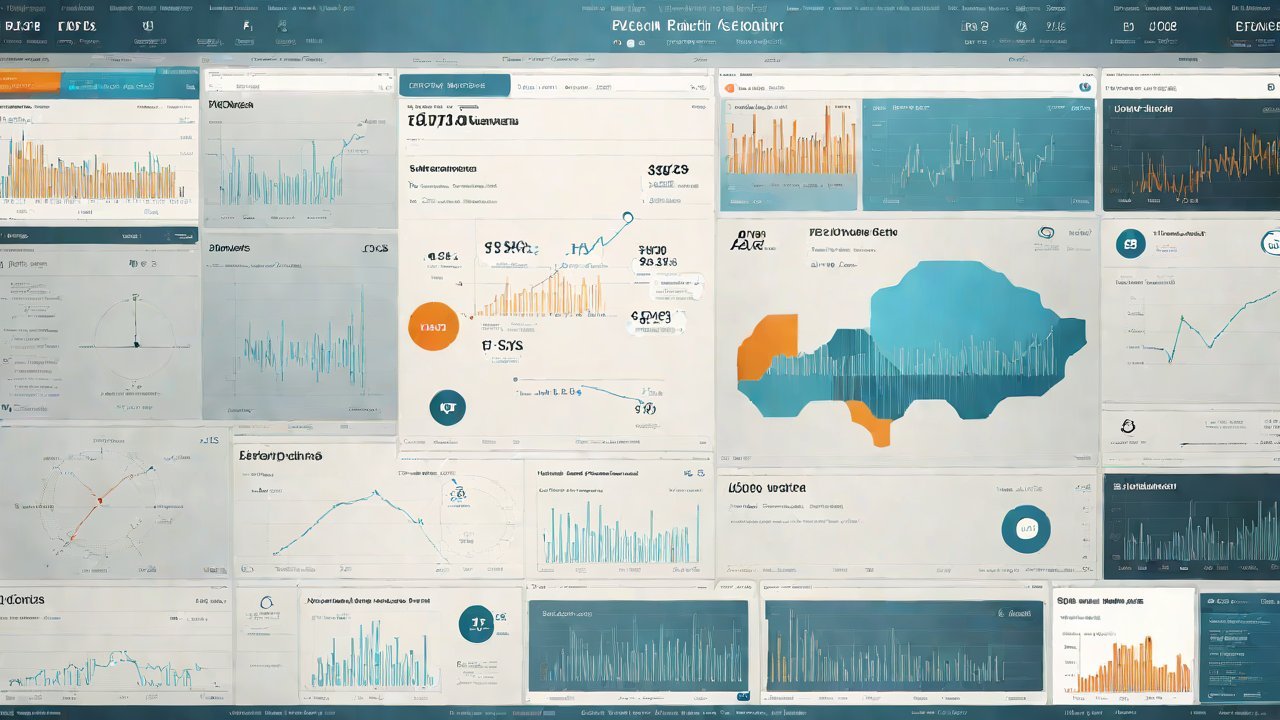
Data integration is critical to a real-time bidding manufacturing capacity market, as it enables the integration of data from various sources, including ERP systems, production equipment, and supply chain partners. This ensures that all relevant data is available in real-time, enabling accurate capacity measurement and allocation.
Some key applications of data integration in a real-time bidding manufacturing capacity market include:
- ERP integration: Integrating data from ERP systems to ensure accurate capacity measurement and allocation
- Production equipment integration: Integrating data from production equipment to ensure accurate capacity measurement and allocation
- Supply chain integration: Integrating data from supply chain partners to ensure accurate capacity measurement and allocation
7. Implementation Roadmap
Implementing a real-time bidding manufacturing capacity market requires a clear implementation roadmap. This should include the following key steps:
- Market analysis: Conducting market analysis to determine the feasibility of the project
- System development: Developing the system to support the real-time bidding market
- Testing and validation: Testing and validating the system to ensure that it meets the requirements of the market
- Launch: Launching the system and commencing trading
- Monitoring and evaluation: Monitoring and evaluating the performance of the system to ensure that it continues to meet the requirements of the market
8. Conclusion
A real-time bidding manufacturing capacity market has the potential to revolutionize the way manufacturing capacity is allocated and utilized. By leveraging advanced technologies such as advanced analytics, machine learning, and IoT sensors, this market can achieve automatic capacity matching, ensuring that production targets are met while minimizing costs. With a clear implementation roadmap and the support of key stakeholders, it is possible to create a market that can achieve automatic capacity matching and drive growth and efficiency in the manufacturing sector.
IOT Cloud Platform
IOT Cloud Platform is an IoT portal established by a Chinese IoT company, focusing on technical solutions in the fields of agricultural IoT, industrial IoT, medical IoT, security IoT, military IoT, meteorological IoT, consumer IoT, automotive IoT, commercial IoT, infrastructure IoT, smart warehousing and logistics, smart home, smart city, smart healthcare, smart lighting, etc.
The IoT Cloud Platform blog is a top IoT technology stack, providing technical knowledge on IoT, robotics, artificial intelligence (generative artificial intelligence AIGC), edge computing, AR/VR, cloud computing, quantum computing, blockchain, smart surveillance cameras, drones, RFID tags, gateways, GPS, 3D printing, 4D printing, autonomous driving, etc.