How can a digital twin automatically correct simulation parameters using real-time data?
The concept of digital twins has revolutionized industries such as manufacturing, healthcare, and transportation by providing a virtual replica of physical assets or systems to simulate real-world conditions. A crucial aspect of digital twins is their ability to interact with physical systems in real-time, enabling automatic adjustments to simulation parameters based on current data. This allows for more accurate predictions and optimized decision-making.
Digital twins can be integrated with various sources of real-time data, such as sensors, IoT devices, and social media platforms. By leveraging machine learning algorithms and data analytics, digital twins can identify patterns and anomalies in the data, enabling them to make informed decisions about simulation parameters. This enables a closed-loop system where the physical system is continuously monitored and adjusted based on the insights gained from the virtual twin.
1. Integration with Real-Time Data Sources
Digital twins require connectivity with various real-time data sources to effectively monitor and adjust simulation parameters. Some of the key sources include:
| Data Source | Description |
|---|---|
| Sensors | Measure physical attributes such as temperature, pressure, and vibration |
| IoT Devices | Collect data from remote locations, enabling monitoring of equipment performance and condition |
| Social Media Platforms | Provide real-time insights into customer behavior and preferences |
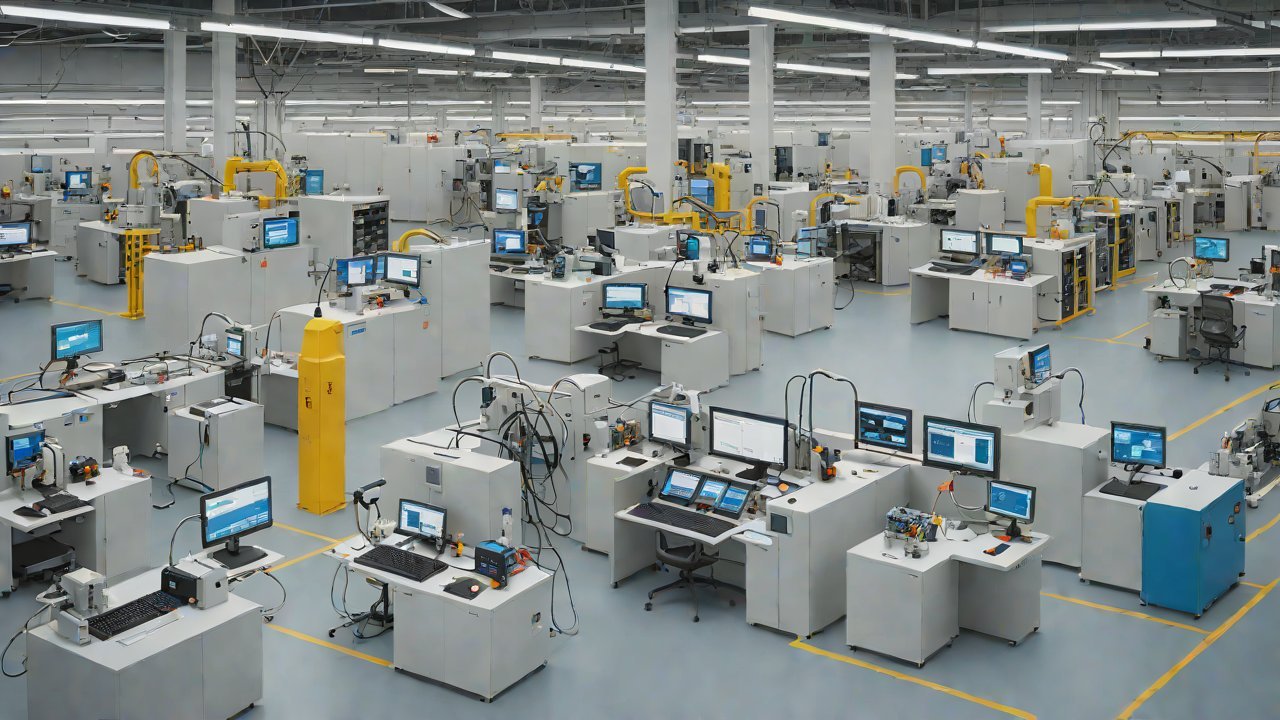
Digital twins can integrate with these sources using various protocols such as MQTT, HTTP, or CoAP. Once integrated, the digital twin can fetch real-time data and adjust simulation parameters accordingly.
2. Machine Learning for Real-Time Analysis
Machine learning algorithms play a crucial role in enabling digital twins to analyze real-time data and make informed decisions about simulation parameters. Some popular machine learning techniques used in digital twin applications include:
| Algorithm | Description |
|---|---|
| Regression Analysis | Identify relationships between variables and predict outcomes |
| Anomaly Detection | Detect unusual patterns or outliers in the data |
Digital twins can leverage these algorithms to analyze real-time data, identify trends, and make predictions about future behavior. This enables them to adjust simulation parameters accordingly, ensuring that the virtual twin accurately reflects the current state of the physical system.
3. Data Analytics for Simulation Parameter Adjustment
Data analytics is a critical component of digital twins, enabling them to extract insights from real-time data and adjust simulation parameters accordingly. Some key data analytics techniques used in digital twin applications include:
| Technique | Description |
|---|---|
| Time Series Analysis | Identify patterns and trends in time-stamped data |
| Predictive Modeling | Forecast future behavior based on historical data |
Digital twins can leverage these techniques to analyze real-time data, identify areas of improvement, and adjust simulation parameters accordingly. This enables them to optimize system performance, reduce downtime, and improve overall efficiency.
4. Case Studies and Industry Applications
Several industries have successfully implemented digital twin technology to optimize system performance and decision-making. Some notable examples include:
- Manufacturing: GE Aviation used digital twins to predict engine performance and maintenance requirements, reducing downtime by up to 50%.
- Transportation: Siemens used digital twins to optimize traffic flow in urban areas, reducing congestion by up to 20%.
These case studies demonstrate the potential of digital twins to drive business value through improved system performance and decision-making.
5. Challenges and Limitations
While digital twins offer numerous benefits, several challenges and limitations must be addressed:
- Data Quality: Digital twins require high-quality data to operate effectively. Poor data quality can lead to inaccurate predictions and simulation parameters.
- Scalability: As the size of the physical system increases, so does the complexity of the digital twin. Ensuring scalability is crucial for large-scale applications.
Addressing these challenges requires careful consideration of data management, algorithm selection, and system architecture.
6. Future Outlook and Recommendations
The future of digital twins looks promising, with several trends and innovations on the horizon:
- Increased Adoption: Digital twins are expected to become increasingly adopted across industries, driven by their ability to improve system performance and decision-making.
- Advancements in AI: Advances in artificial intelligence (AI) will enable more sophisticated digital twin applications, such as predictive maintenance and autonomous control.
To capitalize on these trends, businesses should focus on:
- Investing in Data Management: Ensuring high-quality data is essential for effective digital twin operation. Investing in data management infrastructure can help address this challenge.
- Selecting the Right Algorithm: Choosing the right machine learning algorithm is critical for accurate predictions and simulation parameters. Businesses should work with experts to select the most suitable algorithm.
By following these recommendations, businesses can unlock the full potential of digital twins and drive significant business value through improved system performance and decision-making.
IOT Cloud Platform
IOT Cloud Platform is an IoT portal established by a Chinese IoT company, focusing on technical solutions in the fields of agricultural IoT, industrial IoT, medical IoT, security IoT, military IoT, meteorological IoT, consumer IoT, automotive IoT, commercial IoT, infrastructure IoT, smart warehousing and logistics, smart home, smart city, smart healthcare, smart lighting, etc.
The IoT Cloud Platform blog is a top IoT technology stack, providing technical knowledge on IoT, robotics, artificial intelligence (generative artificial intelligence AIGC), edge computing, AR/VR, cloud computing, quantum computing, blockchain, smart surveillance cameras, drones, RFID tags, gateways, GPS, 3D printing, 4D printing, autonomous driving, etc.