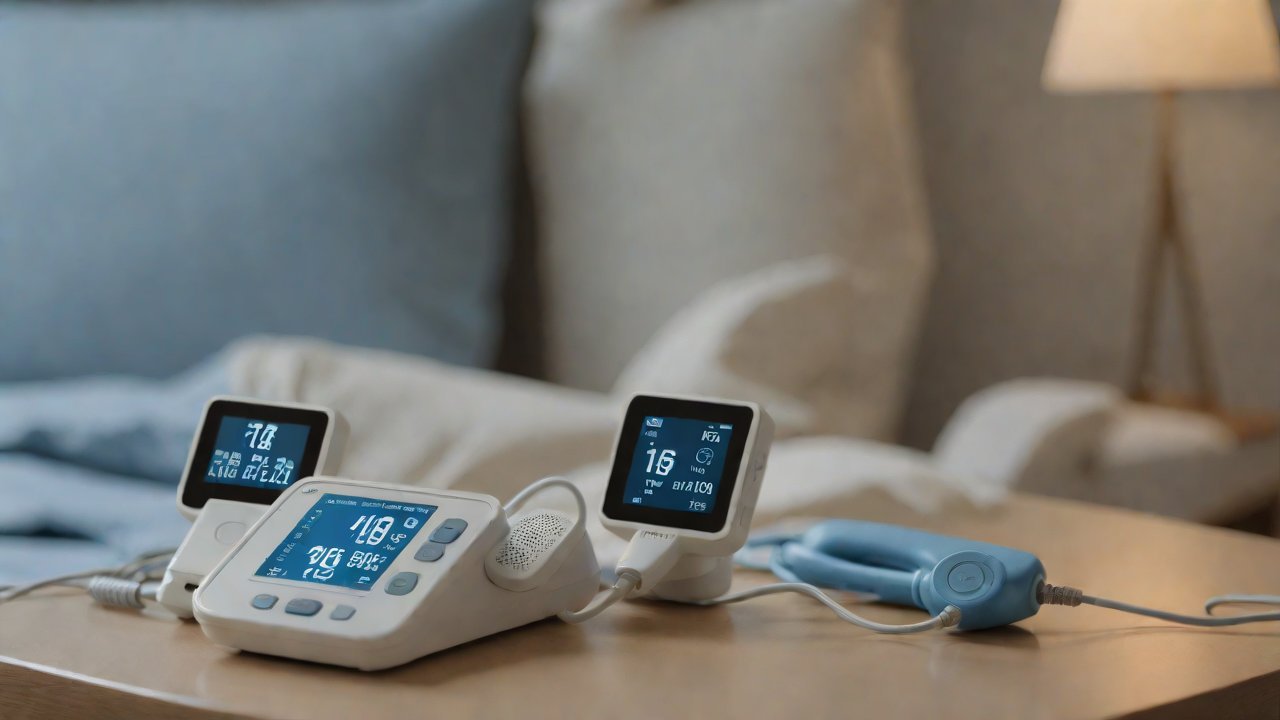
Home Monitoring Solution for Chronic Obstructive Pulmonary Disease (COPD) Based on Wearable Pulse Monitors
The advent of wearable technology has revolutionized the way we manage chronic diseases, and one such condition that benefits greatly from these innovations is Chronic Obstructive Pulmonary Disease (COPD). COPD is a progressive lung disease characterized by airflow limitation in the lungs, making it difficult for patients to breathe. The symptoms can be debilitating, leading to hospitalizations and a significant reduction in quality of life. Home monitoring solutions based on wearable pulse monitors have emerged as a game-changer in managing COPD, enabling real-time tracking of vital signs, timely interventions, and improved patient outcomes.
1. Understanding COPD: A Growing Concern
COPD affects over 65 million people worldwide, with the majority being aged 45-64 years. The disease is often associated with smoking, but other factors like air pollution, genetics, and occupational exposure can also contribute to its development. As the global population ages, the prevalence of COPD is expected to rise, putting a significant burden on healthcare systems.
| Region | Prevalence Rate (per 1000) |
|---|---|
| North America | 14.4 |
| Europe | 13.8 |
| Asia-Pacific | 10.2 |
| Latin America | 9.5 |
2. Current Challenges in COPD Management
Traditional methods of managing COPD focus on symptom management, medication adherence, and regular hospital visits for monitoring. However, these approaches have several limitations:
- Inadequate monitoring: Patients often experience exacerbations between scheduled hospital visits, leading to delayed interventions.
- Poor medication adherence: Patients may forget or intentionally skip medications, compromising treatment efficacy.
- Limited patient engagement: Traditional methods rely on sporadic interactions with healthcare providers, limiting opportunities for real-time feedback and adjustments.
3. Wearable Pulse Monitors: A Key Component of Home Monitoring Solutions
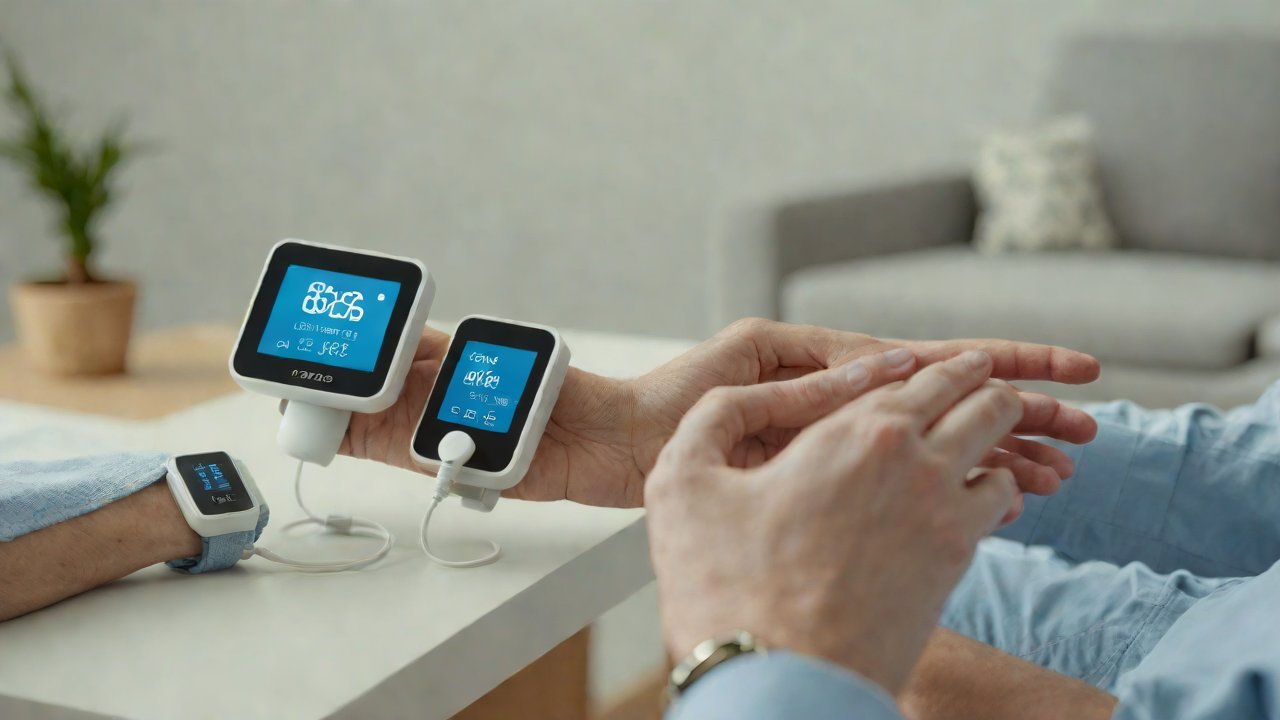
Wearable pulse monitors equipped with sensors that track vital signs such as heart rate, oxygen saturation, and respiratory rate provide a continuous flow of data. This information can be transmitted to healthcare providers in real-time, enabling timely interventions and adjustments.
| Device | Key Features |
|---|---|
| Fitbit | Heart rate monitoring, step tracking, sleep analysis |
| Apple Watch | ECG monitoring, heart rate monitoring, activity tracking |
| Samsung Galaxy Watch | Blood oxygen level monitoring, stress tracking |

4. Benefits of Home Monitoring Solutions for COPD Patients
Home monitoring solutions based on wearable pulse monitors offer numerous benefits to COPD patients:
- Improved symptom management: Real-time data enables healthcare providers to adjust treatment plans and provide timely interventions.
- Enhanced patient engagement: Wearable devices encourage patients to take an active role in their care, fostering a sense of responsibility and empowerment.
- Reduced hospitalizations: Timely interventions reduce the risk of exacerbations, minimizing the need for hospital visits.
5. Technical Considerations for Implementation
Successful implementation of home monitoring solutions requires careful consideration of several technical factors:
- Data security: Ensuring the confidentiality, integrity, and availability of patient data is critical.
- Device compatibility: Selecting devices that integrate seamlessly with existing healthcare systems is essential.
- User experience: Designing user-friendly interfaces that facilitate easy navigation and data interpretation is crucial.
6. Market Analysis and Future Outlook
The market for home monitoring solutions based on wearable pulse monitors is expected to grow significantly in the coming years, driven by increasing demand for remote patient monitoring and telehealth services.
| Market Segment | Projected Growth Rate (2023-2030) |
|---|---|
| Remote Patient Monitoring | 23.1% |
| Telehealth Services | 21.5% |
In conclusion, home monitoring solutions based on wearable pulse monitors have the potential to revolutionize COPD management by providing real-time data, enhancing patient engagement, and reducing hospitalizations. As the market continues to evolve, it is essential for healthcare providers to stay informed about the latest developments and technical considerations for successful implementation.
Sources:
- World Health Organization (WHO). (2019). Chronic Obstructive Pulmonary Disease (COPD).
- American Lung Association. (2022). State of the Air 2022.
- MarketsandMarkets. (2020). Remote Patient Monitoring Market by Component, Mode of Delivery, and Region – Global Forecast to 2025.
- Grand View Research. (2019). Telehealth Services Market Size, Share & Trends Analysis Report.
IOT Cloud Platform
IOT Cloud Platform is an IoT portal established by a Chinese IoT company, focusing on technical solutions in the fields of agricultural IoT, industrial IoT, medical IoT, security IoT, military IoT, meteorological IoT, consumer IoT, automotive IoT, commercial IoT, infrastructure IoT, smart warehousing and logistics, smart home, smart city, smart healthcare, smart lighting, etc.
The IoT Cloud Platform blog is a top IoT technology stack, providing technical knowledge on IoT, robotics, artificial intelligence (generative artificial intelligence AIGC), edge computing, AR/VR, cloud computing, quantum computing, blockchain, smart surveillance cameras, drones, RFID tags, gateways, GPS, 3D printing, 4D printing, autonomous driving, etc.
Note: This article was professionally generated with the assistance of AIGC and has been fact-checked and manually corrected by IoT expert editor IoTCloudPlatForm.