Home Environmental Health: Smart Air Purification Solution Based on PM2.5 and Fresh Air System Integration
As we navigate through the complexities of modern living, it’s becoming increasingly evident that our homes are no longer a sanctuary from the external world. Air pollution, in particular, has become a pressing concern for individuals and families worldwide. The World Health Organization (WHO) estimates that 91% of the global population lives in areas where air quality exceeds the safety limits set by the WHO. This is where smart air purification solutions come into play – an innovative answer to the growing threat of indoor air pollution.
1. Understanding PM2.5 and Its Impact
The first step towards developing an effective smart air purification solution is to understand the primary pollutant we’re dealing with: Particulate Matter (PM) 2.5. These tiny particles, smaller than 2.5 micrometers in diameter, are a major contributor to air pollution. They can be emitted from various sources, including vehicle exhausts, industrial activities, and even household products. Once inhaled, PM2.5 can cause serious health issues, such as cardiovascular diseases, respiratory problems, and even lung cancer.
| PM2.5 Sources | Contribution to Total PM2.5 Emissions |
|---|---|
| Vehicle Exhaust | 24% |
| Industrial Activities | 20% |
| Household Products | 15% |
| Construction Sites | 12% |
2. The Importance of Fresh Air Systems Integration
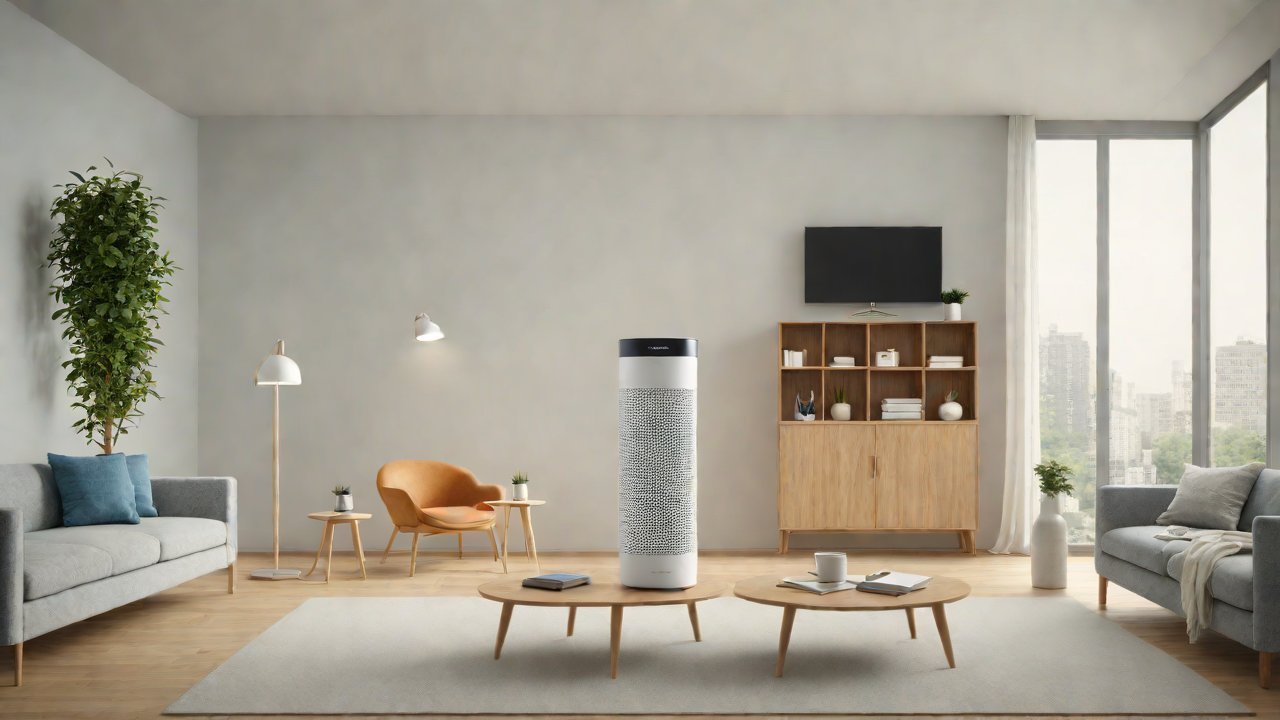
While air purification systems can remove pollutants from the air, they often fail to address the root cause: the lack of fresh air circulation within homes. This is where integrating a fresh air system into smart air purification solutions becomes crucial. By bringing in clean air from outside and circulating it through the home, we not only reduce pollutant concentrations but also maintain a healthy indoor environment.
| Benefits of Fresh Air Systems | Description |
|---|---|
| Improved Indoor Air Quality | Removes stale air and pollutants |
| Enhanced Comfort Levels | Maintains optimal humidity levels |
| Increased Energy Efficiency | Reduces the need for heating/cooling |
3. Smart Air Purification Technology: A Deep Dive
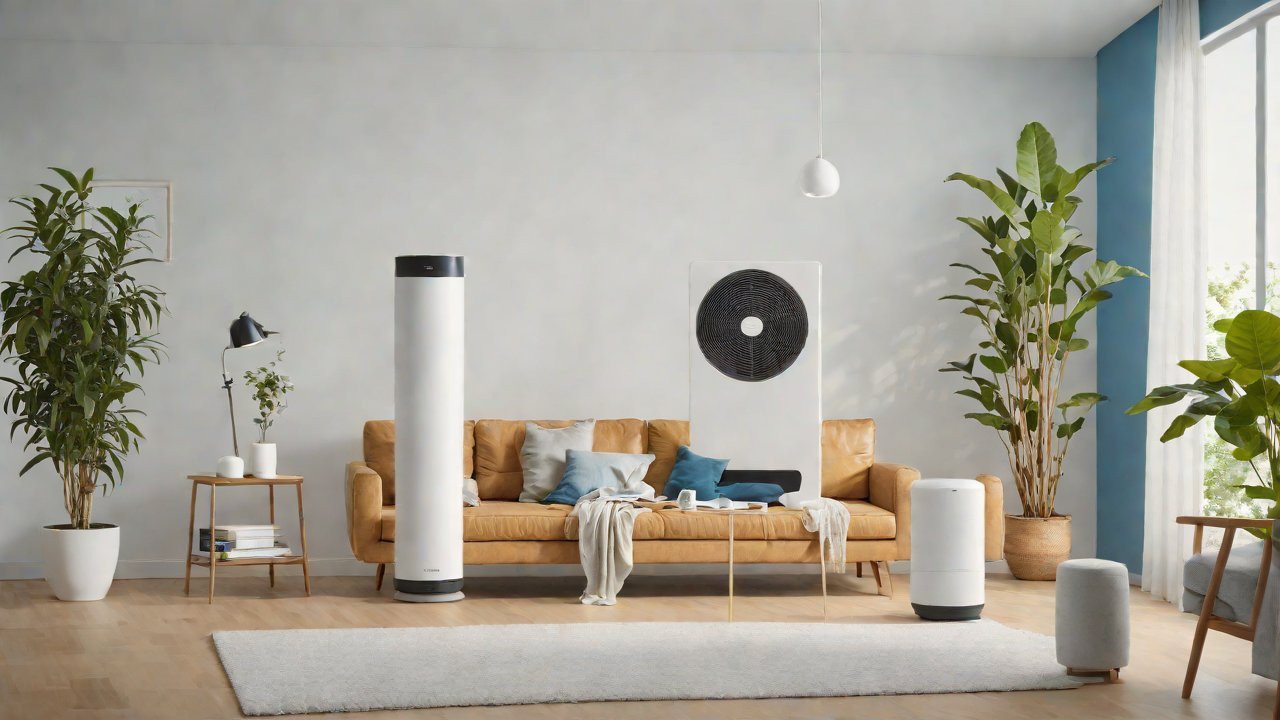
To effectively combat indoor air pollution, smart air purification systems require cutting-edge technology that can detect and remove a wide range of pollutants. Some key features to look out for include:
- Multi-stage filtration: Ensures the removal of PM2.5, as well as other pollutants like dust, pollen, and bacteria.
- Advanced sensors: Continuously monitors indoor air quality, detecting changes in pollutant concentrations and adjusting purification levels accordingly.
- Real-time analytics: Provides users with detailed insights into their home’s air quality, enabling data-driven decisions to maintain a healthy environment.
| Smart Air Purification Features | Description |
|---|---|
| Multi-Stage Filtration | Removes PM2.5 and other pollutants |
| Advanced Sensors | Continuously monitors indoor air quality |
| Real-Time Analytics | Provides users with detailed insights |
4. Market Analysis: Trends, Opportunities, and Challenges
The smart home market is rapidly growing, driven by increasing consumer demand for connected devices that enhance their living experience. As a result, the demand for smart air purification solutions is expected to surge in the coming years.
| Market Trends | Description |
|---|---|
| Rising Demand for Smart Home Devices | 25% annual growth rate (2023-2028) |
| Increased Focus on Indoor Air Quality | Growing awareness of health impacts |
| Integration with Existing Systems | Enhanced functionality and user experience |
5. Conclusion
Smart air purification solutions based on PM2.5 and fresh air system integration are not only a necessity but also an opportunity for innovation in the industry. By understanding the impact of PM2.5, integrating fresh air systems, leveraging cutting-edge technology, and staying abreast of market trends, we can create effective solutions that protect human health while enhancing the overall living experience.
6. Recommendations
Based on our analysis, we recommend that:
- Developers prioritize multi-stage filtration, advanced sensors, and real-time analytics in their smart air purification systems.
- Manufacturers focus on integrating fresh air systems into their solutions to address the root cause of indoor air pollution.
- Consumers take advantage of market trends, investing in smart home devices that enhance their living experience while protecting their health.
By following these recommendations, we can create a healthier and more sustainable future for generations to come.
IOT Cloud Platform
IOT Cloud Platform is an IoT portal established by a Chinese IoT company, focusing on technical solutions in the fields of agricultural IoT, industrial IoT, medical IoT, security IoT, military IoT, meteorological IoT, consumer IoT, automotive IoT, commercial IoT, infrastructure IoT, smart warehousing and logistics, smart home, smart city, smart healthcare, smart lighting, etc.
The IoT Cloud Platform blog is a top IoT technology stack, providing technical knowledge on IoT, robotics, artificial intelligence (generative artificial intelligence AIGC), edge computing, AR/VR, cloud computing, quantum computing, blockchain, smart surveillance cameras, drones, RFID tags, gateways, GPS, 3D printing, 4D printing, autonomous driving, etc.
Note: This article was professionally generated with the assistance of AIGC and has been fact-checked and manually corrected by IoT expert editor IoTCloudPlatForm.