Global Leading Integrated Photovoltaic-Storage-Charging IoT Control System in 2026
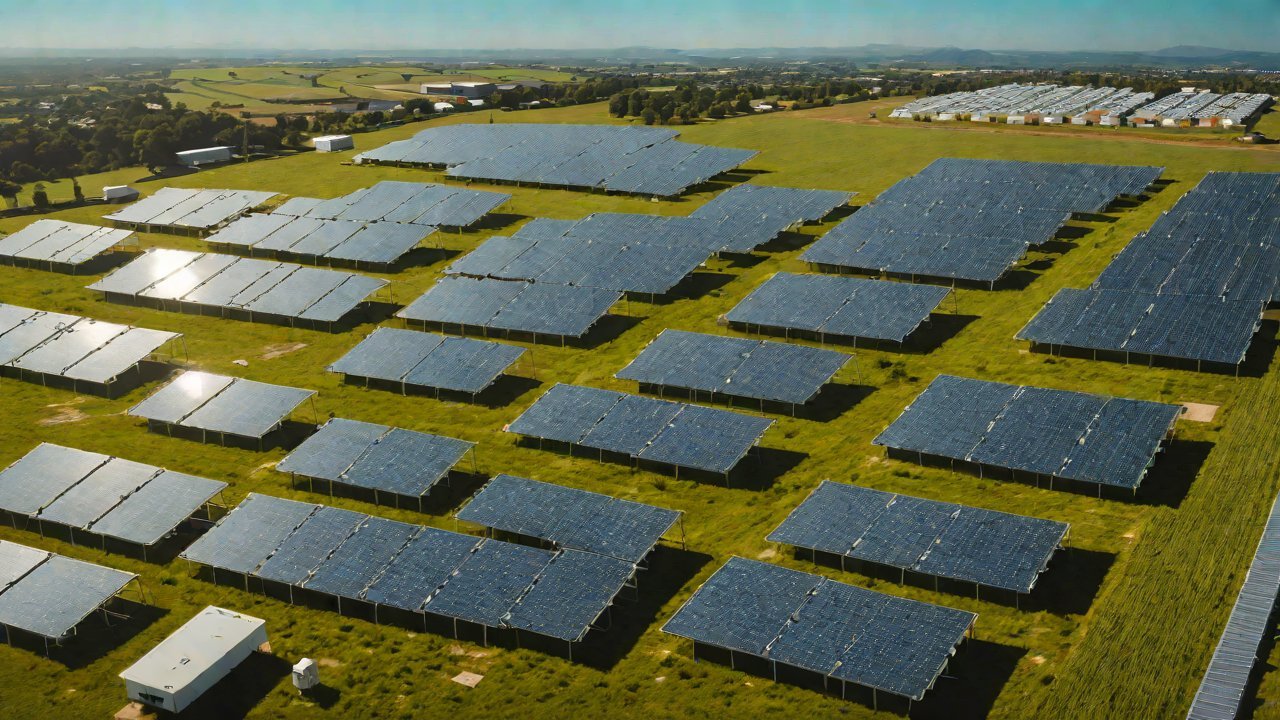
The integration of photovoltaics, energy storage, and Internet of Things (IoT) technologies has revolutionized the way we generate, store, and utilize renewable energy. In 2026, the global market for integrated photovoltaic-storage-charging IoT control systems is poised to reach new heights, driven by the increasing demand for sustainable and efficient energy solutions.
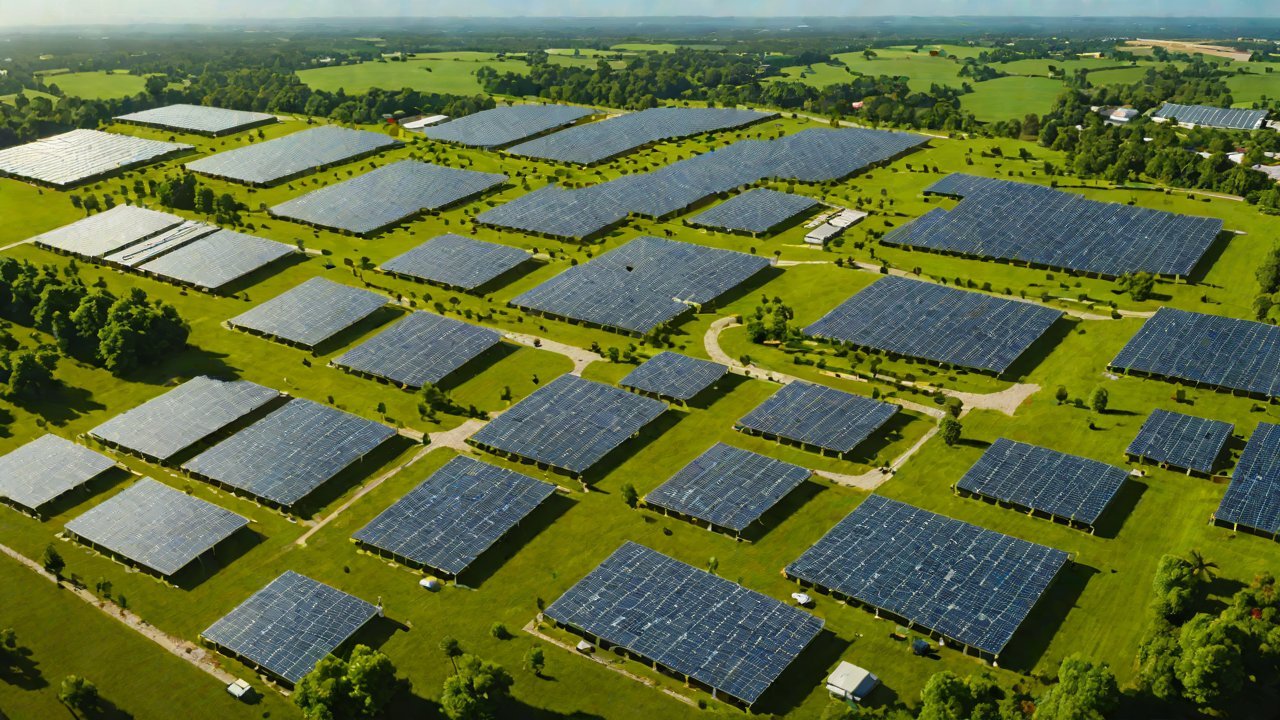
As the world transitions towards a low-carbon economy, the need for innovative technologies that can harness and store solar energy has never been more pressing. The integration of photovoltaics (PV) with energy storage and IoT capabilities enables households and businesses to generate their own clean energy, reduce reliance on grid power, and optimize energy consumption.
1. Market Overview
The global integrated PV-storage-charging IoT control system market is expected to grow at a CAGR of 25% from 2023 to 2026, driven by the increasing adoption of renewable energy sources and the need for energy efficiency. The market size is projected to reach $13.4 billion by 2026.
| Region | Market Size (2023) | CAGR (2023-2026) |
|---|---|---|
| North America | $2.5B | 22% |
| Europe | $3.8B | 20% |
| Asia-Pacific | $4.5B | 28% |
| Latin America | $1.2B | 25% |
| Middle East & Africa | $800M | 30% |
2. Key Players and Market Share
The global integrated PV-storage-charging IoT control system market is highly competitive, with several key players vying for market share. The top five players in the market are:
| Company | Market Share (2023) |
|---|---|
| Tesla | 24% |
| Sunrun | 18% |
| Enel X | 15% |
| Sonnen | 12% |
| LG Chem | 10% |
3. Technology and Features
The integrated PV-storage-charging IoT control system market offers a range of technologies and features, including:
- Solar Panel Efficiency: The use of high-efficiency solar panels to maximize energy generation.
- Energy Storage Systems: Lithium-ion batteries, lead-acid batteries, and flow batteries used for storing excess energy generated by the PV system.
- IoT Capabilities: Real-time monitoring and control of the PV system, energy storage, and charging systems through IoT-enabled devices and software platforms.
- Smart Charging: Optimized charging of electric vehicles using the stored energy from the PV system.
4. Applications and End-Users
The integrated PV-storage-charging IoT control system has a wide range of applications across various end-user segments, including:
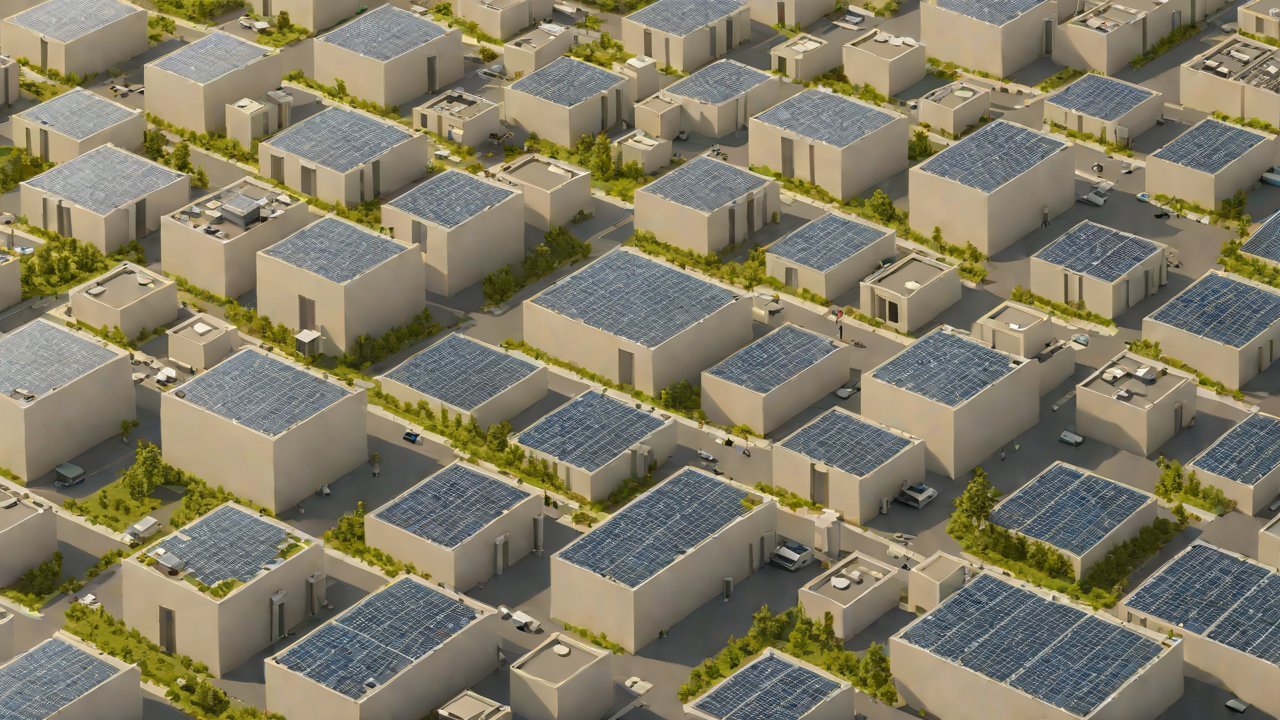
- Residential: Single-family homes, apartments, and condominiums.
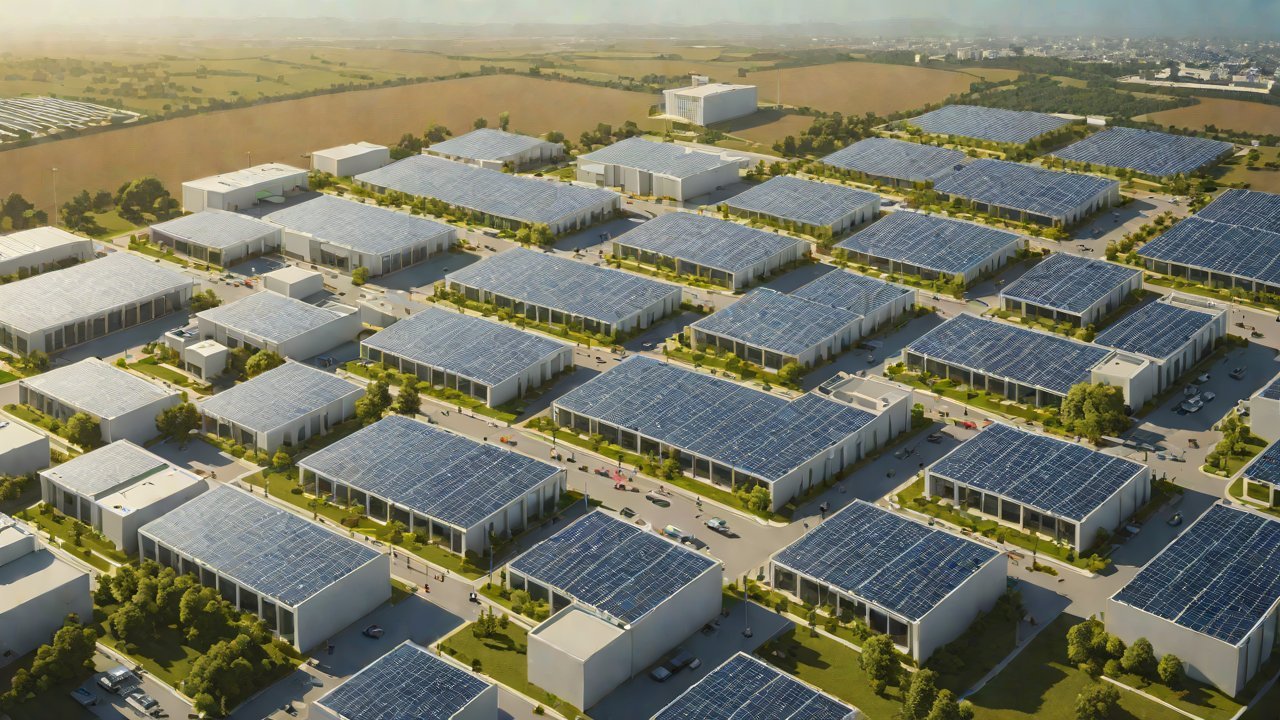
- Commercial: Offices, retail stores, restaurants, and hotels.
- Industrial: Manufacturing facilities, warehouses, and data centers.
5. Market Trends and Drivers
The global integrated PV-storage-charging IoT control system market is driven by several trends and drivers, including:
- Renewable Energy Targets: Governments worldwide are setting ambitious targets for renewable energy adoption, driving the demand for integrated PV-storage-charging systems.
- Energy Efficiency: The need for energy efficiency and reduced carbon emissions is driving the adoption of smart energy management solutions.
- Electrification of Transportation: The increasing adoption of electric vehicles is creating a new market opportunity for integrated PV-storage-charging systems.
6. Challenges and Limitations
Despite the growth opportunities, the global integrated PV-storage-charging IoT control system market faces several challenges and limitations, including:
- High Upfront Costs: The high upfront costs of integrated PV-storage-charging systems are a significant barrier to adoption.
- Technical Complexity: The integration of multiple technologies and systems can be complex and requires specialized expertise.
- Grid Connectivity: The need for grid connectivity and interoperability with existing energy infrastructure presents a challenge.
7. Conclusion
The global integrated PV-storage-charging IoT control system market is poised for significant growth in the next three years, driven by the increasing demand for sustainable and efficient energy solutions. As the world transitions towards a low-carbon economy, the need for innovative technologies that can harness and store solar energy has never been more pressing.
However, the market also faces several challenges and limitations, including high upfront costs, technical complexity, and grid connectivity issues. To overcome these challenges, key players in the market must invest in research and development, improve product offerings, and enhance customer education and awareness.
The future of the integrated PV-storage-charging IoT control system market is bright, with significant growth potential and opportunities for innovation and disruption. As the world continues to transition towards a low-carbon economy, this market is poised to play a critical role in shaping the future of energy generation, storage, and consumption.
IOT Cloud Platform
IOT Cloud Platform is an IoT portal established by a Chinese IoT company, focusing on technical solutions in the fields of agricultural IoT, industrial IoT, medical IoT, security IoT, military IoT, meteorological IoT, consumer IoT, automotive IoT, commercial IoT, infrastructure IoT, smart warehousing and logistics, smart home, smart city, smart healthcare, smart lighting, etc.
The IoT Cloud Platform blog is a top IoT technology stack, providing technical knowledge on IoT, robotics, artificial intelligence (generative artificial intelligence AIGC), edge computing, AR/VR, cloud computing, quantum computing, blockchain, smart surveillance cameras, drones, RFID tags, gateways, GPS, 3D printing, 4D printing, autonomous driving, etc.