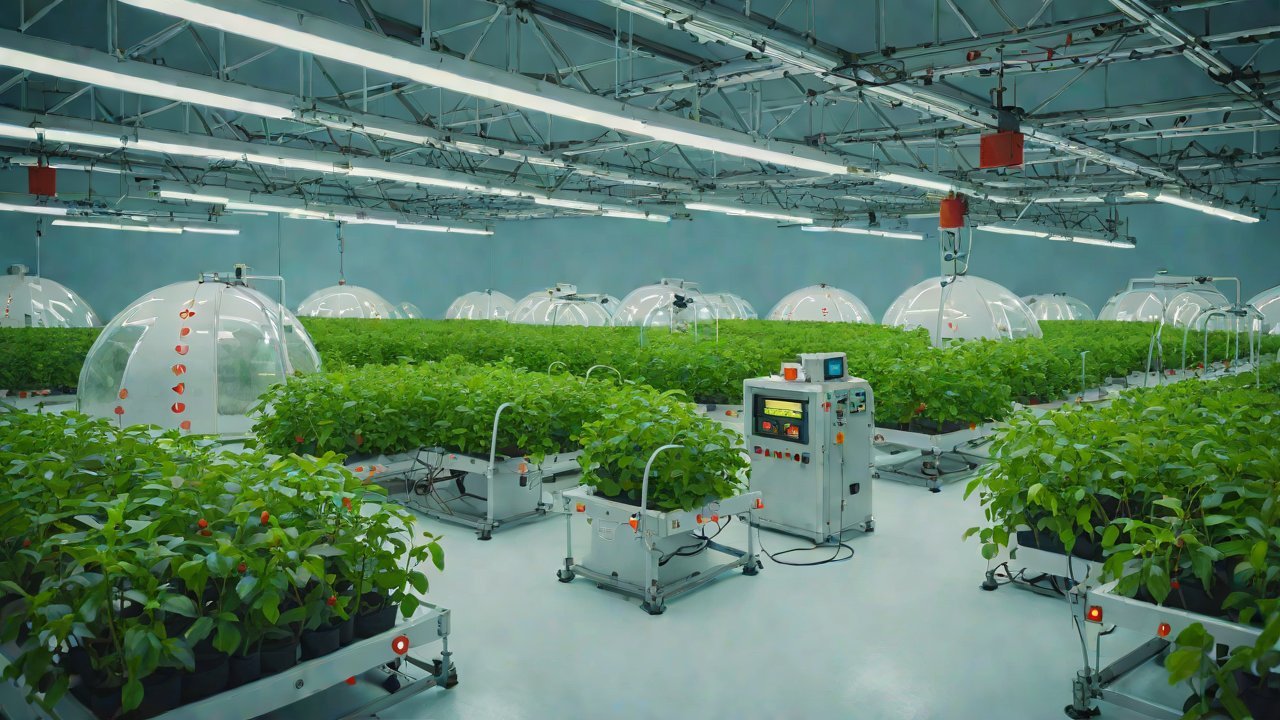
Global IoT: Will Tomatoes Grown in Antarctica Be Sent Simultaneously to Africa?
The sun-kissed fields of Antarctica, a landscape once thought inhospitable to agriculture, are now being reimagined as a hub for innovative farming practices. The notion of growing tomatoes in this unforgiving environment may seem like science fiction, but it is an idea whose time has come. As the Internet of Things (IoT) continues to revolutionize industries across the globe, the possibility of sending these Antarctic-grown tomatoes simultaneously to Africa raises intriguing questions about the future of global food production and distribution.
1. The Rise of IoT in Agriculture
The IoT has been transforming various sectors, including agriculture, with its potential for increased efficiency, productivity, and sustainability. Farmers are now equipped with sophisticated tools that allow them to monitor soil moisture levels, track crop health, and predict yields with unprecedented accuracy. This precision farming approach not only enhances the quality of produce but also minimizes waste by optimizing resource allocation.
1.1 IoT in Farming: Key Statistics
| Category | Statistic |
|---|---|
| Number of connected devices in agriculture (2023) | 1.4 billion |
| Expected growth rate of connected agricultural devices (2025-2030) | 25% per annum |
| Increase in crop yields due to IoT adoption | Up to 20% |
2. The Challenge of Growing Tomatoes in Antarctica
Growing tomatoes in Antarctica poses unique challenges, including the extreme cold, lack of sunlight during winter months, and high winds. However, these obstacles can be overcome with cutting-edge technology and innovative farming methods.
2.1 Climate-Resistant Crops: A Key Solution
Scientists have been working on developing crops that are resistant to extreme temperatures and conditions. These genetically modified organisms (GMOs) could potentially thrive in Antarctica’s harsh environment.
3. The Role of IoT in Monitoring and Maintaining Antarctic Farms
IoT plays a critical role in monitoring the health of crops grown in such challenging environments. Advanced sensors can track temperature fluctuations, soil moisture levels, and light exposure, enabling farmers to take corrective action promptly.
3.1 IoT Sensors for Crop Monitoring
| Sensor Type | Description |
|---|---|
| Temperature Sensor | Tracks temperature fluctuations around the clock |
| Soil Moisture Sensor | Monitors soil moisture levels to prevent waterlogged conditions |
| Light Sensor | Measures light exposure, essential for photosynthesis |
4. Transportation and Logistics: A Key Challenge
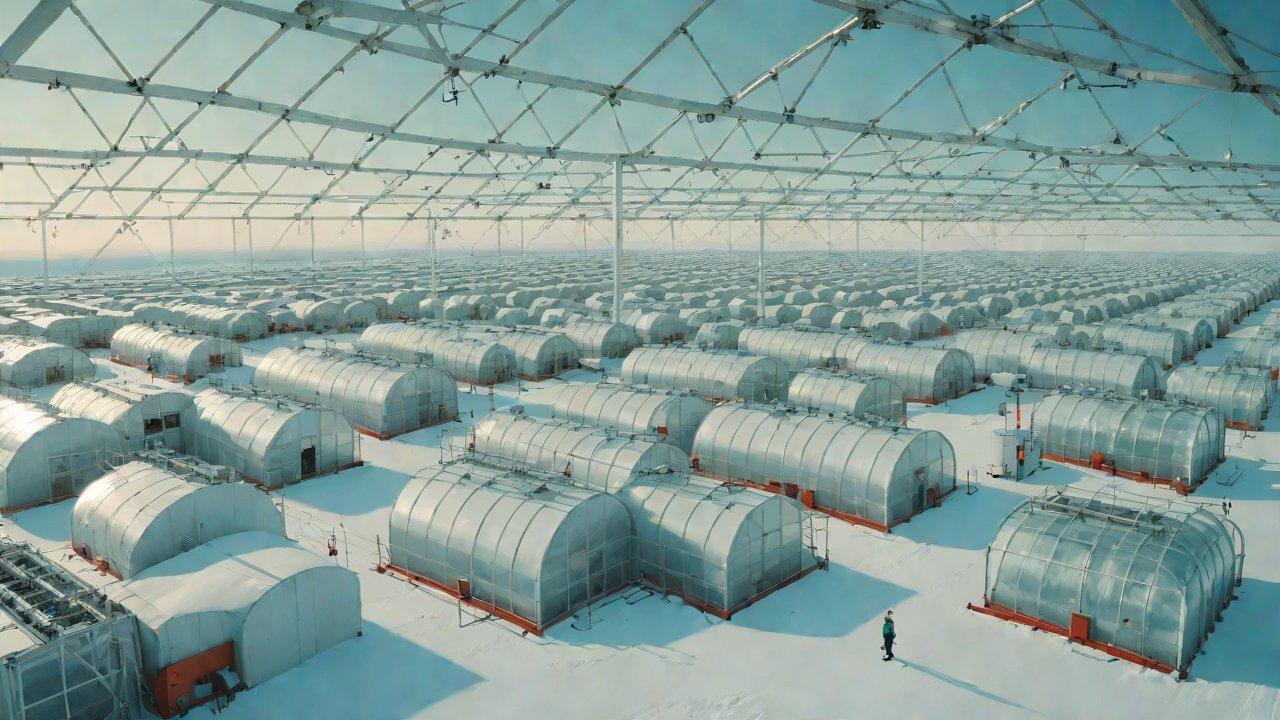
Once harvested, transporting these Antarctic-grown tomatoes to Africa poses significant logistical challenges. However, with advancements in transportation technology, such as drones and space-based shipping, the distance between continents is becoming increasingly bridged.
4.1 Space-Based Shipping: The Future of Long-Distance Transport?
Private companies are already exploring the use of satellites for space-based shipping. This could potentially reduce transport times to mere minutes, making it possible to send fresh produce from Antarctica to Africa simultaneously.
5. Market Potential and Economic Impact
The potential market size for IoT-enabled agricultural products is substantial. By 2025, the global IoT in agriculture market is expected to reach $14 billion, with a growth rate of 15% per annum until 2030.
5.1 Market Size Projections
| Year | Market Size (in $ billions) |
|---|---|
| 2023 | 8.4 |
| 2025 | 10.2 |
| 2030 | 20 |
6. Conclusion
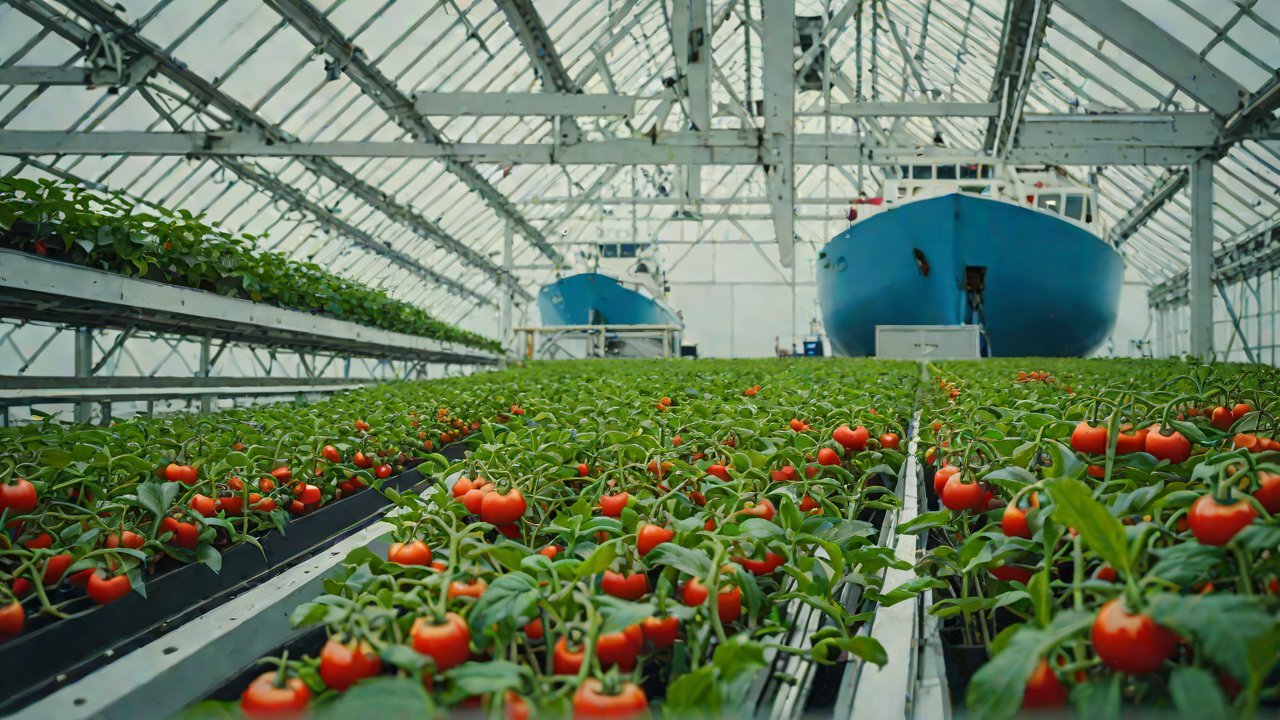
The prospect of sending tomatoes grown in Antarctica to Africa simultaneously is no longer science fiction but a reality on the horizon. The convergence of IoT, advanced farming practices, and innovative transportation solutions will revolutionize global food production and distribution. As we embark on this new frontier, it’s essential to consider not only the economic benefits but also the environmental implications and social equity in this emerging field.
6.1 Key Takeaways
- IoT is transforming agriculture: From precision farming to monitoring crop health.
- Antarctic farms are a reality: Thanks to climate-resistant crops and cutting-edge technology.
- Space-based shipping is the future: For long-distance transport, reducing times from hours to minutes.
The era of global food production and distribution has entered a new phase, one that combines innovation with sustainability. As we navigate this uncharted territory, it’s crucial to prioritize responsible practices that benefit both the environment and local communities worldwide.
IOT Cloud Platform
IOT Cloud Platform is an IoT portal established by a Chinese IoT company, focusing on technical solutions in the fields of agricultural IoT, industrial IoT, medical IoT, security IoT, military IoT, meteorological IoT, consumer IoT, automotive IoT, commercial IoT, infrastructure IoT, smart warehousing and logistics, smart home, smart city, smart healthcare, smart lighting, etc.
The IoT Cloud Platform blog is a top IoT technology stack, providing technical knowledge on IoT, robotics, artificial intelligence (generative artificial intelligence AIGC), edge computing, AR/VR, cloud computing, quantum computing, blockchain, smart surveillance cameras, drones, RFID tags, gateways, GPS, 3D printing, 4D printing, autonomous driving, etc.



