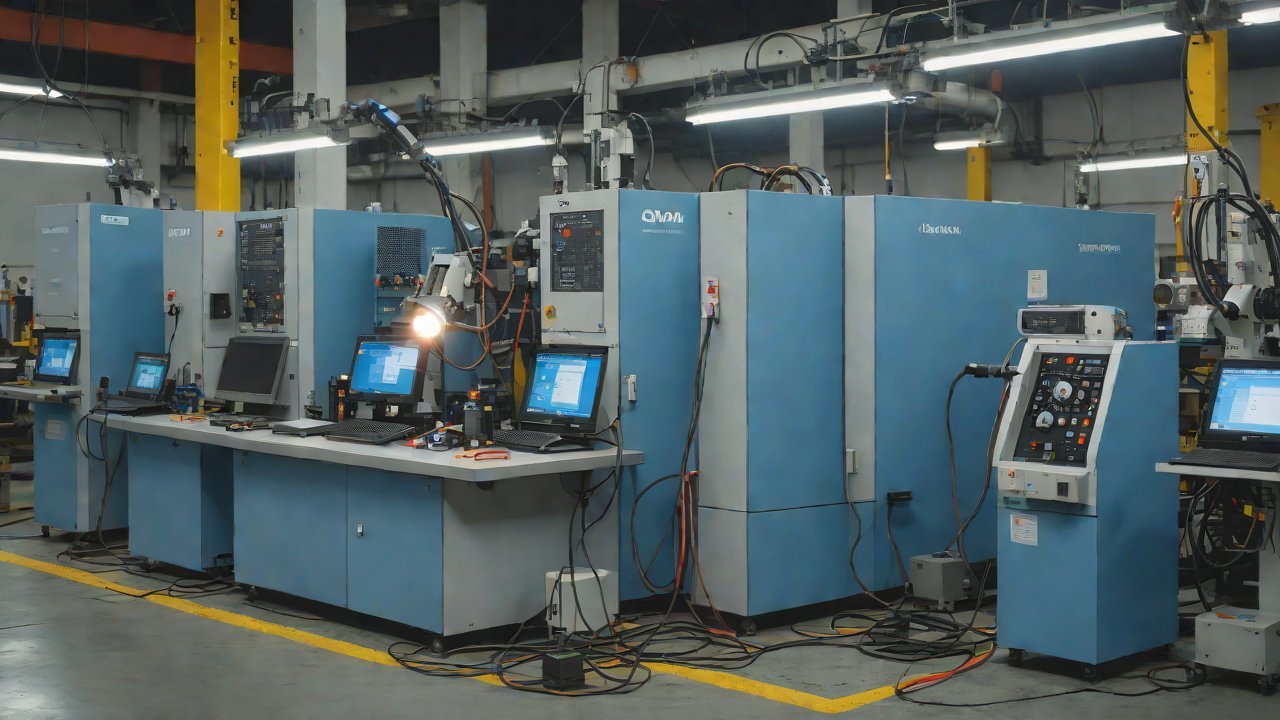
Global Desalination Plants: 2026 IoT-Based Real-Time Water Quality Compliance Solution
The desalination industry is on the cusp of a revolution, driven by the urgent need to provide clean drinking water for an increasingly thirsty world. The global demand for freshwater is projected to outstrip supply by 40% by 2030, making innovative solutions like desalination more crucial than ever. However, traditional desalination methods have been criticized for their energy-intensive nature and limited ability to monitor water quality in real-time. This report examines the emerging trend of IoT-based real-time water quality compliance solutions in global desalination plants, which promises to transform the industry’s efficiency and sustainability.
1. Market Overview
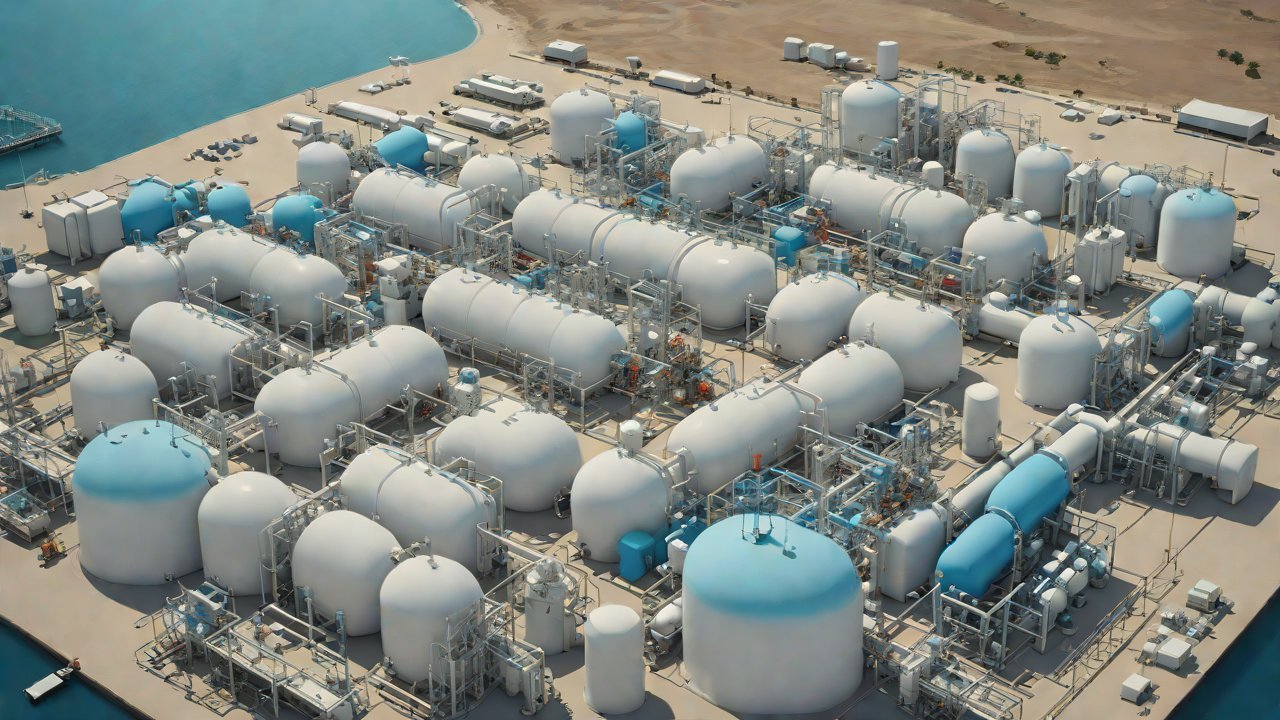
The global desalination market is projected to reach $26.4 billion by 2026, growing at a CAGR of 10.3% from 2020 to 2026 (Source: MarketsandMarkets). The increasing demand for freshwater due to population growth, urbanization, and climate change has driven the adoption of desalination technologies worldwide.
| Region | Desalination Capacity (Mm³/day) | Growth Rate (%) |
|---|---|---|
| Middle East & Africa | 12.6 | 10.5 |
| Asia-Pacific | 23.1 | 11.2 |
| Europe | 4.3 | 8.9 |
| Americas | 16.2 | 9.5 |
2. Challenges in Traditional Desalination
Traditional desalination methods, such as reverse osmosis (RO) and multi-stage flash distillation (MSF), have several limitations. They are energy-intensive, requiring significant amounts of electricity to operate. Moreover, these methods often struggle to maintain consistent water quality, which can lead to costly repairs and downtime.
| Method | Energy Consumption (kWh/m³) | Water Quality Issues (%) |
|---|---|---|
| RO | 3.5-4.5 | 20-30 |
| MSF | 15-25 | 10-20 |
3. IoT-Based Real-Time Water Quality Compliance Solutions
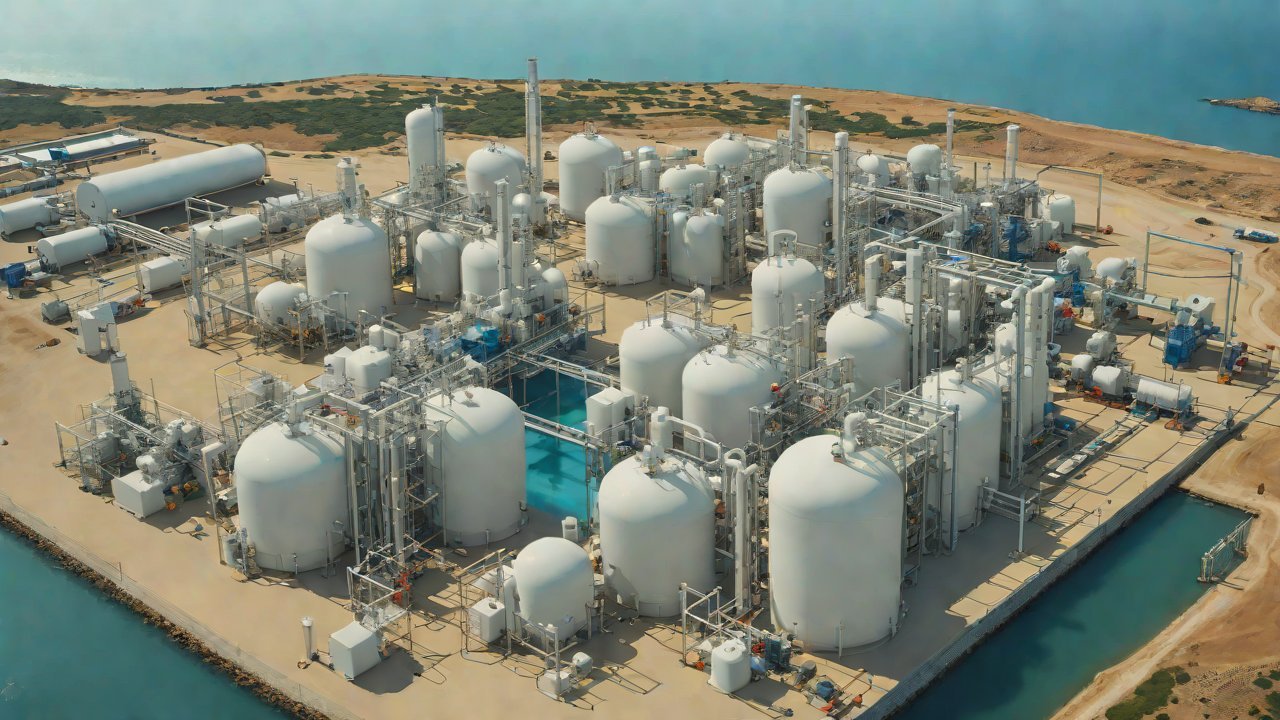
The integration of IoT technologies, such as sensors and analytics platforms, has the potential to transform desalination plants’ efficiency and sustainability. By monitoring water quality in real-time, operators can:
- Identify anomalies and take corrective action before they become major issues
- Optimize chemical dosing and reduce waste generation
- Minimize energy consumption through predictive maintenance
| IoT Component | Functionality |
|---|---|
| Sensors | Monitor water quality parameters (pH, turbidity, temperature) |
| Analytics Platform | Process sensor data to identify trends and anomalies |
4. Case Studies: IoT Adoption in Desalination Plants
Several desalination plants have already begun adopting IoT-based real-time water quality compliance solutions. For example:
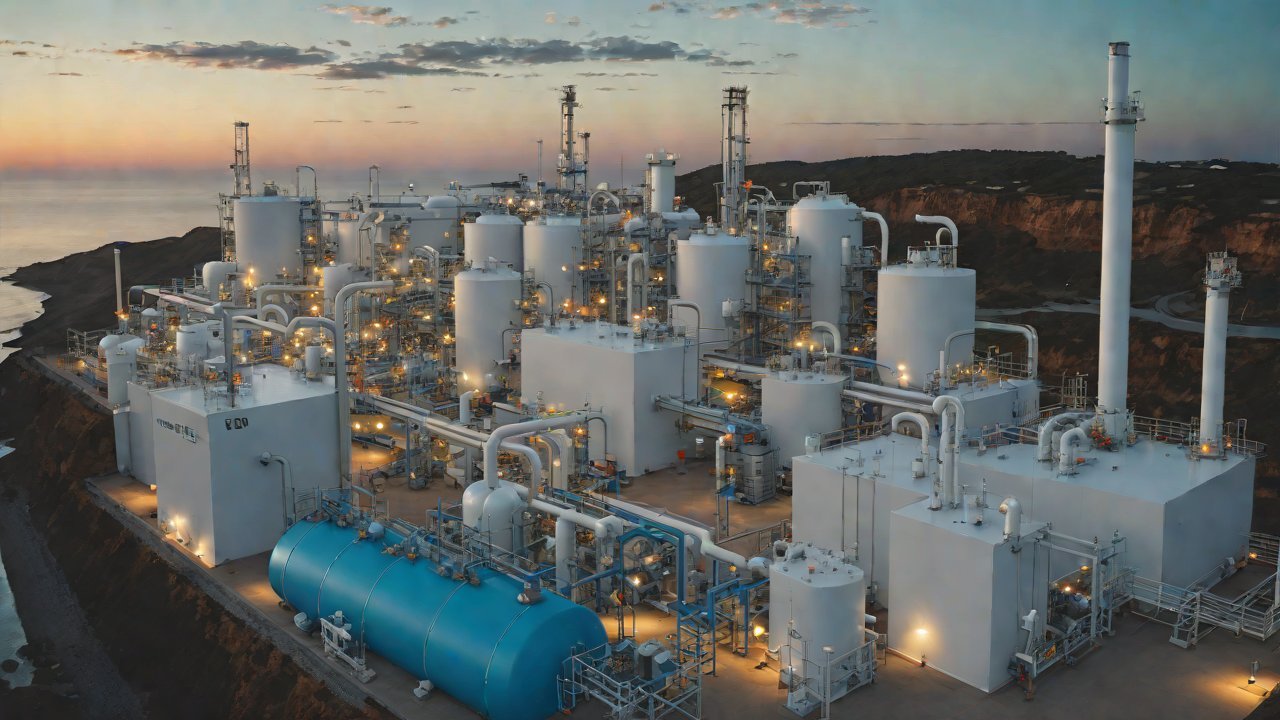
- The Ras Al Khair desalination plant in Saudi Arabia has implemented an IoT system that monitors water quality and optimizes chemical dosing, resulting in a 15% reduction in energy consumption.
- The Carlsbad Desalination Plant in California, USA, uses an IoT platform to monitor water quality and detect potential issues before they occur.
5. Market Opportunities and Challenges
The adoption of IoT-based real-time water quality compliance solutions in desalination plants presents several market opportunities:
- Reduced energy consumption and operating costs
- Improved water quality and reduced waste generation
- Enhanced operational efficiency through predictive maintenance
However, there are also challenges to be addressed:
- High upfront investment costs for IoT infrastructure
- Data security and privacy concerns
- Integration with existing plant systems and protocols
6. Conclusion
The adoption of IoT-based real-time water quality compliance solutions in global desalination plants has the potential to transform the industry’s efficiency and sustainability. As the demand for freshwater continues to grow, innovative technologies like these will play a crucial role in ensuring a reliable supply of clean drinking water.
Recommendations:
- Desalination plant operators should invest in IoT infrastructure to monitor water quality in real-time.
- Manufacturers should develop more energy-efficient and cost-effective desalination methods that integrate with IoT technologies.
- Regulatory bodies should establish standards for IoT adoption in desalination plants to ensure data security and privacy.
Future Research Directions:
- Development of more accurate and reliable sensors for water quality monitoring
- Integration of machine learning algorithms to enhance predictive maintenance capabilities
- Investigation into the potential for decentralized desalination systems using IoT technologies
IOT Cloud Platform
IOT Cloud Platform is an IoT portal established by a Chinese IoT company, focusing on technical solutions in the fields of agricultural IoT, industrial IoT, medical IoT, security IoT, military IoT, meteorological IoT, consumer IoT, automotive IoT, commercial IoT, infrastructure IoT, smart warehousing and logistics, smart home, smart city, smart healthcare, smart lighting, etc.
The IoT Cloud Platform blog is a top IoT technology stack, providing technical knowledge on IoT, robotics, artificial intelligence (generative artificial intelligence AIGC), edge computing, AR/VR, cloud computing, quantum computing, blockchain, smart surveillance cameras, drones, RFID tags, gateways, GPS, 3D printing, 4D printing, autonomous driving, etc.