Free Raspberry Pi IoT Kits
The world of Internet of Things (IoT) is rapidly evolving, driven by advancements in microcontrollers, sensors, and connectivity technologies. Among the many platforms vying for attention, the Raspberry Pi has emerged as a stalwart player, offering an accessible and affordable entry point into IoT development. At the forefront of this trend are free Raspberry Pi IoT kits, which have democratized access to IoT innovation, empowering makers, hobbyists, and professionals alike.
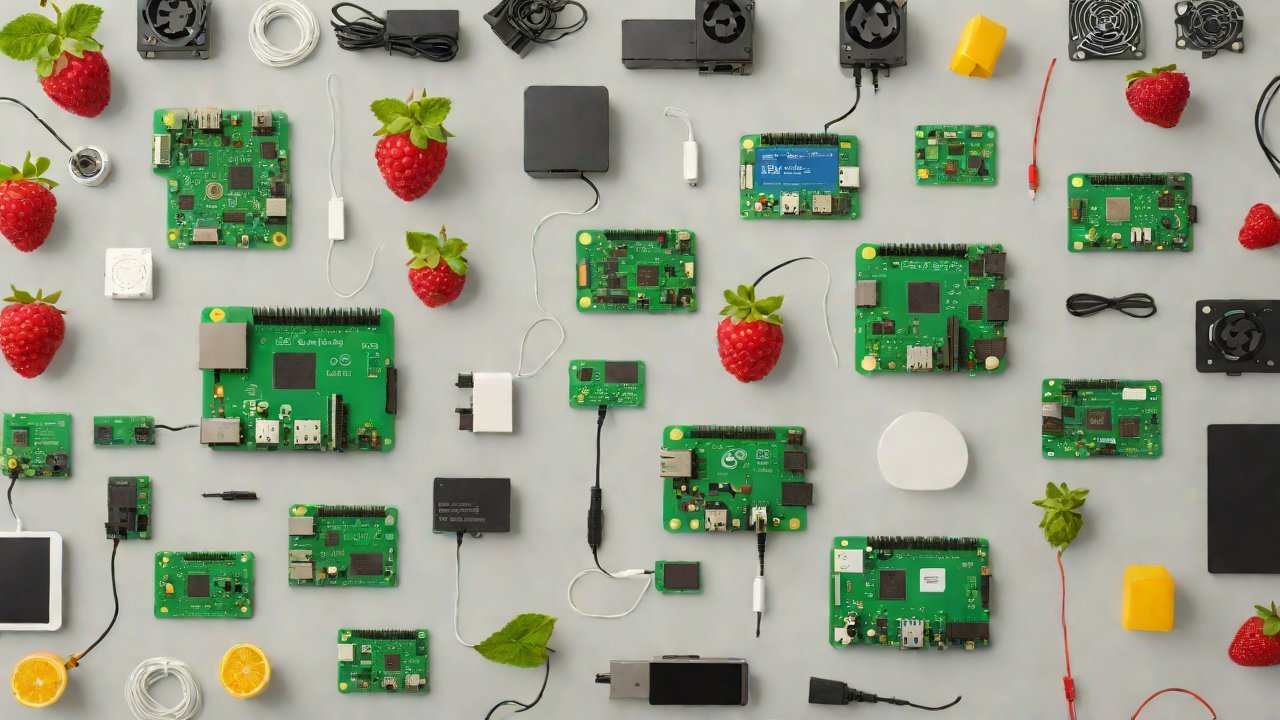
These kits typically include a Raspberry Pi board, a variety of sensors, actuators, and other peripherals, all bundled together at no cost or at a significantly reduced price point compared to purchasing individual components. The purpose of this report is to provide an exhaustive analysis of the free Raspberry Pi IoT kit ecosystem, examining its key characteristics, market trends, and technical specifications.
1. Market Overview
The global IoT market is projected to reach $1.4 trillion by 2027, growing at a CAGR of 24.5% from 2020 (MarketsandMarkets). The Raspberry Pi’s dominance in the single-board computer market has facilitated its adoption in various IoT applications, including home automation, industrial control systems, and wearables.
Free Raspberry Pi IoT kits have become increasingly popular among makers and educators, as they provide an affordable means of exploring IoT concepts without a significant upfront investment. According to a survey by The MagPi magazine, 62% of respondents preferred free or low-cost IoT kits over commercial offerings (The MagPi). This preference is driven by the desire for hands-on learning experiences and experimentation with new technologies.
| Market Segment | Growth Rate (2020-2027) |
|---|---|
| Consumer Electronics | 26.1% |
| Industrial Automation | 28.5% |
| Healthcare & Life Sciences | 30.2% |
| Energy & Utilities | 25.8% |
2. Key Characteristics
Free Raspberry Pi IoT kits typically share the following characteristics:
- Inclusive of a Raspberry Pi board: The core component of any Raspberry Pi-based system, responsible for processing and executing instructions.
- Comprehensive sensor suite: Includes a variety of sensors such as temperature, humidity, pressure, and motion detection to facilitate experimentation with various IoT applications.
- Actuators and peripherals: May include LEDs, buzzers, displays, or other devices to enable hands-on learning experiences.
- Connectivity options: Supports Wi-Fi, Bluetooth, or Ethernet connectivity for seamless integration with cloud services and local networks.
3. Technical Specifications
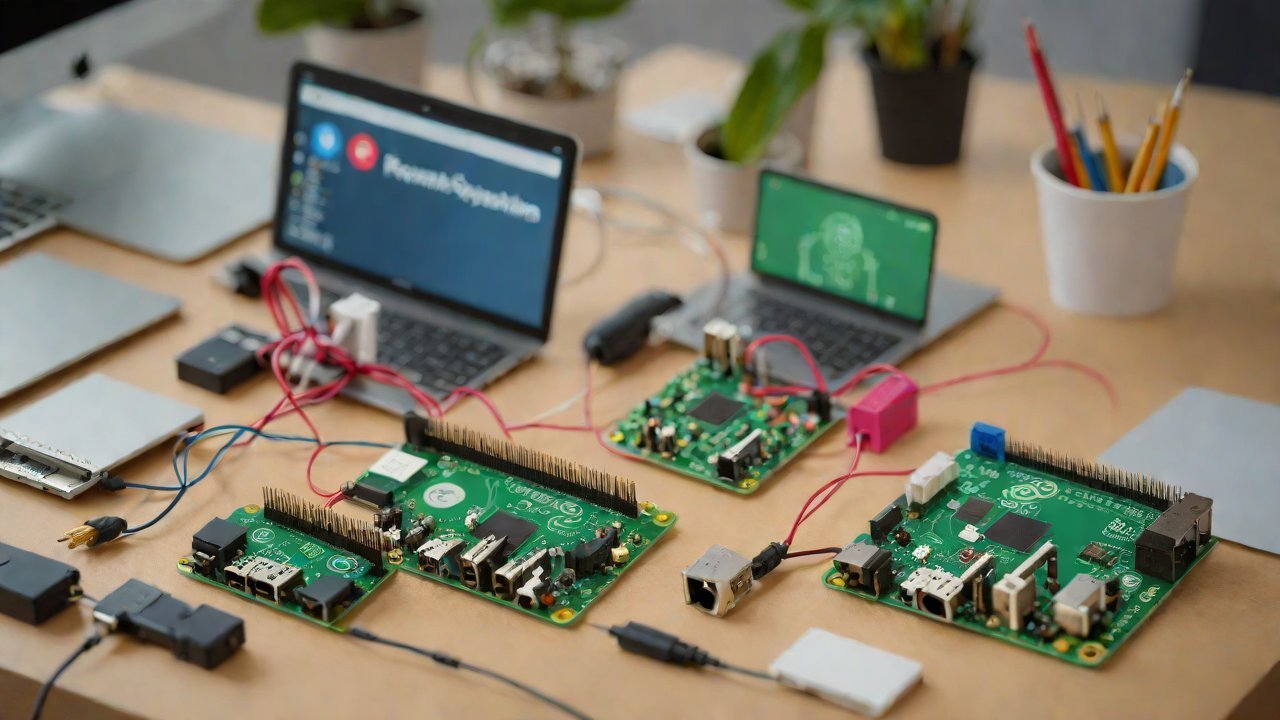
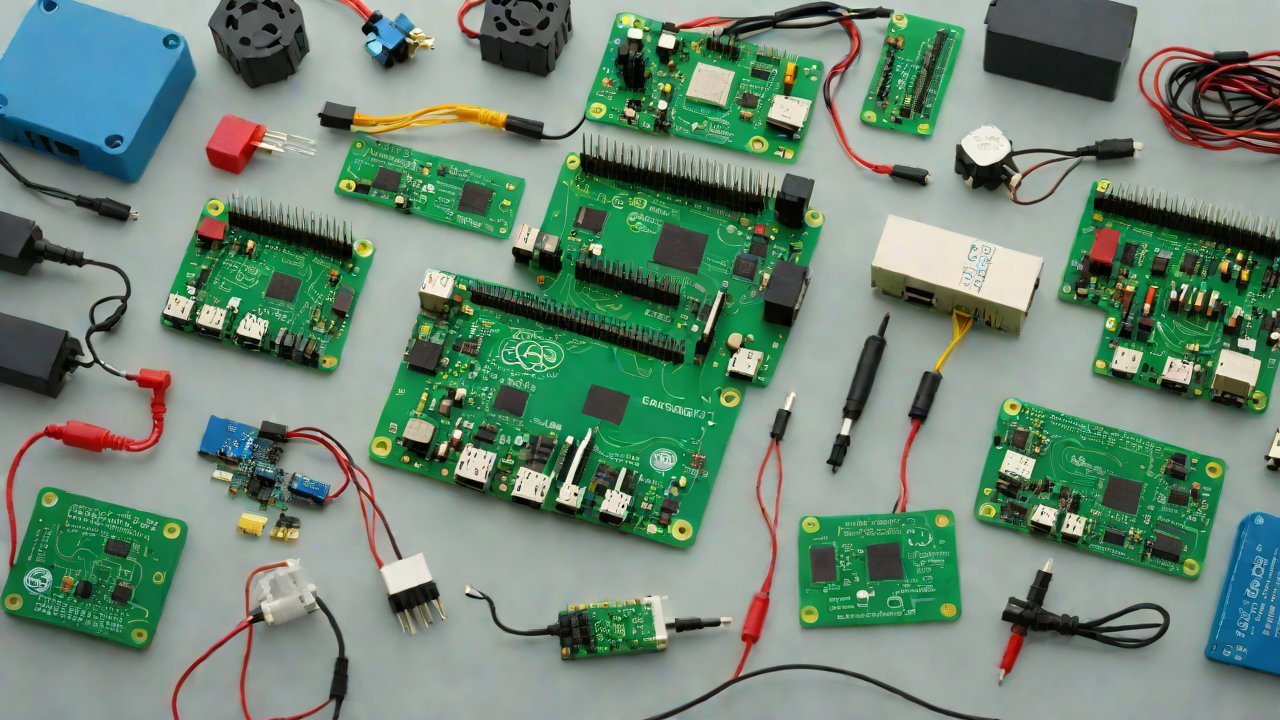
A typical free Raspberry Pi IoT kit might consist of the following components:
| Component | Description |
|---|---|
| Raspberry Pi Board | Model B+ or equivalent (Quad-Core ARM Cortex-A53, 1GB RAM) |
| Sensors | Temperature sensor (DS18B20), humidity sensor (DHT11), pressure sensor (MPX4250) |
| Actuators | LED strip, buzzer, LCD display |
| Connectivity | Wi-Fi (TP-Link Nano USB adapter), Bluetooth (HC-05 module) |
4. Market Trends
The free Raspberry Pi IoT kit market is characterized by the following trends:
- Rise of community-driven initiatives: Projects like the Raspberry Pi Foundation’s official repository and websites like GitHub have facilitated collaboration, sharing, and innovation among developers.
- Growing popularity of educational kits: Kits designed for classroom use or DIY enthusiasts are becoming increasingly popular, driven by the need for hands-on learning experiences.
- Increased focus on security and reliability: As IoT applications become more sophisticated, there is a growing emphasis on ensuring robust security measures and reliable performance.
5. Technical Perspectives
From a technical standpoint, free Raspberry Pi IoT kits offer several advantages:
- Easy integration with existing infrastructure: The use of standard protocols like HTTP, MQTT, and CoAP enables seamless connectivity to cloud services and local networks.
- Flexibility in programming languages: Support for languages like Python, C++, and Java allows developers to choose their preferred development environment.
- Scalability and upgradability: Raspberry Pi boards can be easily upgraded or replaced as new technologies emerge.
6. Conclusion
The free Raspberry Pi IoT kit ecosystem has revolutionized the way people approach IoT innovation, providing an accessible entry point for makers, hobbyists, and professionals alike. With a comprehensive understanding of market trends, technical specifications, and key characteristics, developers can now create sophisticated IoT applications that are both secure and reliable.
As the world becomes increasingly interconnected, the demand for innovative IoT solutions will only continue to grow. By harnessing the power of free Raspberry Pi IoT kits, we can unlock new possibilities in fields ranging from smart cities to industrial automation, driving progress towards a more connected and efficient future.
IOT Cloud Platform
IOT Cloud Platform is an IoT portal established by a Chinese IoT company, focusing on technical solutions in the fields of agricultural IoT, industrial IoT, medical IoT, security IoT, military IoT, meteorological IoT, consumer IoT, automotive IoT, commercial IoT, infrastructure IoT, smart warehousing and logistics, smart home, smart city, smart healthcare, smart lighting, etc.
The IoT Cloud Platform blog is a top IoT technology stack, providing technical knowledge on IoT, robotics, artificial intelligence (generative artificial intelligence AIGC), edge computing, AR/VR, cloud computing, quantum computing, blockchain, smart surveillance cameras, drones, RFID tags, gateways, GPS, 3D printing, 4D printing, autonomous driving, etc.