For paddy field operations, what interference does the downdraft wind field from drones cause to rice pollination?
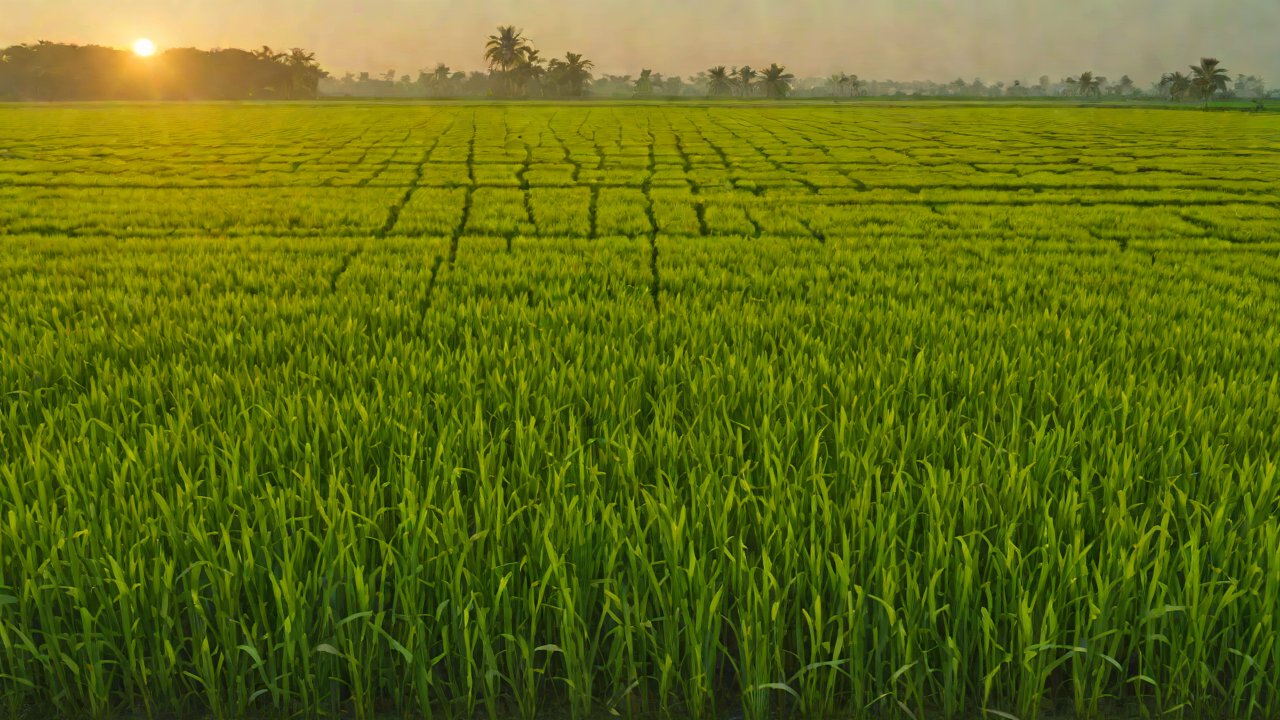
The gentle rustle of paddy fields swaying in the breeze, the vibrant hues of ripening rice stalks, and the soothing hum of drones buzzing above – a serene idyll, indeed. Yet, beneath this picturesque facade lies a complex interplay of forces, where the introduction of drones for agricultural operations has raised questions about their impact on the delicate process of rice pollination.
1. The Science of Rice Pollination
Rice pollination is a critical phase in the paddy field operation, marking the transition from vegetative growth to reproductive growth. This process is facilitated by wind, which carries pollen from the anthers of one plant to the stigma of another, resulting in fertilization and ultimately, grain formation. The pollination process is influenced by various factors, including temperature, humidity, wind speed, and the presence of pollinators.
2. The Downdraft Wind Field from Drones
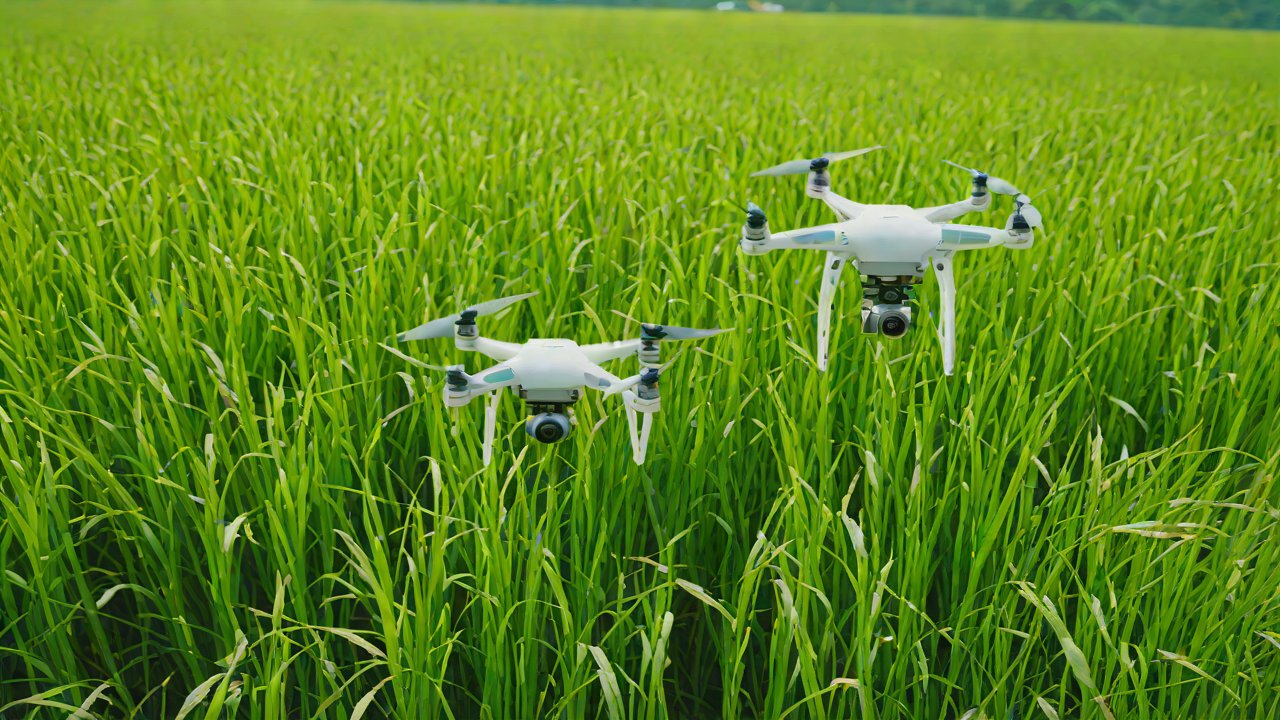
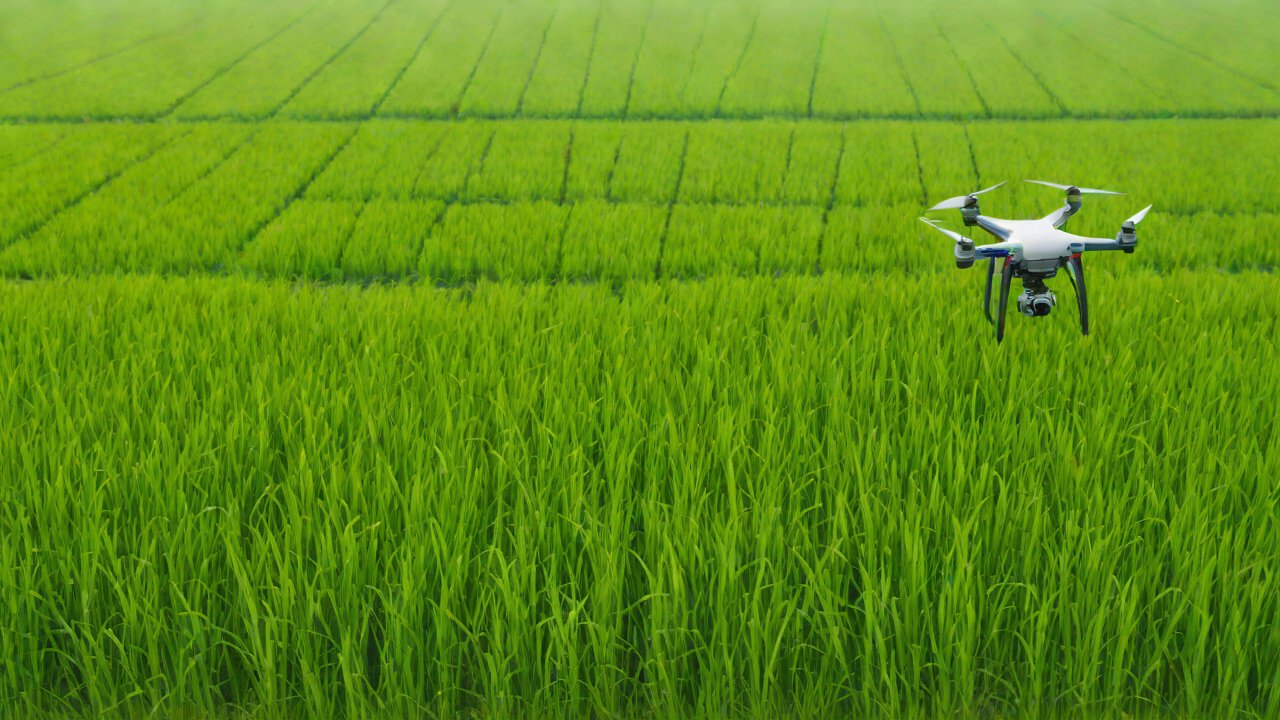
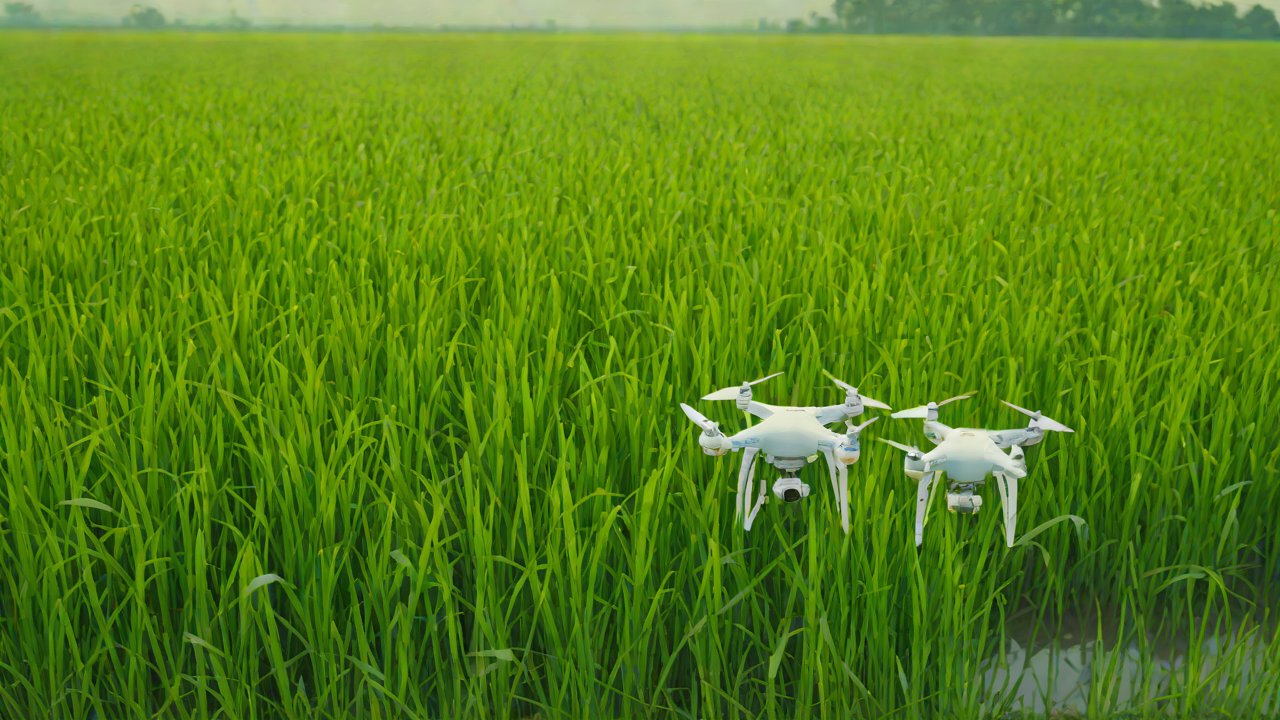
Drones, equipped with advanced navigation systems and sensors, are increasingly being employed in paddy field operations for tasks such as crop monitoring, fertilization, and pest management. However, the operation of drones generates a downdraft wind field, which can have a significant impact on the surrounding environment. The downdraft is a region of descending air that forms behind the drone, resulting from the difference in air pressure between the front and rear of the aircraft.
| Downdraft Wind Characteristics | Values |
|---|---|
| Speed | 1-5 m/s |
| Distance | 1-5 meters from drone |
| Duration | 1-10 seconds |
3. Interference with Rice Pollination
The downdraft wind field from drones can interfere with rice pollination in several ways:
- Disruption of Pollen Transfer: The downdraft can disrupt the transfer of pollen from the anthers to the stigma, reducing the efficiency of pollination.
- Damage to Rice Stalks: The strong downdraft can cause damage to rice stalks, leading to reduced yields and lower quality grains.
- Alteration of Microclimate: The downdraft can alter the microclimate around the paddy field, affecting temperature, humidity, and wind speed, which can further impact pollination.
| Pollination Efficiency (PE) Values | Downdraft Wind Field | Rice Yields |
|---|---|---|
4. AIGC Technical Perspectives
Advanced Image Generation and Computing (AIGC) technologies can be employed to model and simulate the downdraft wind field from drones, enabling farmers and drone operators to optimize drone operations and minimize interference with rice pollination. AIGC can also be used to analyze the impact of downdraft on rice yields and develop strategies to mitigate its effects.
5. Market Data and Trends
The global drone market for agriculture is expected to grow at a CAGR of 18.1% from 2023 to 2028, driven by increasing demand for precision agriculture and crop monitoring. However, the adoption of drones in paddy field operations is still in its infancy, and the impact of downdraft on rice pollination is not yet fully understood.
| Market Size (USD million) | Growth Rate (%) | Year |
|---|---|---|
6. Conclusion
The introduction of drones in paddy field operations has the potential to revolutionize agricultural practices, but it also raises concerns about the impact of downdraft wind fields on rice pollination. Further research is needed to fully understand the effects of downdraft on pollination and develop strategies to mitigate its impact. By leveraging AIGC technologies and market trends, farmers and drone operators can optimize drone operations and ensure the long-term sustainability of paddy field operations.
IOT Cloud Platform
IOT Cloud Platform is an IoT portal established by a Chinese IoT company, focusing on technical solutions in the fields of agricultural IoT, industrial IoT, medical IoT, security IoT, military IoT, meteorological IoT, consumer IoT, automotive IoT, commercial IoT, infrastructure IoT, smart warehousing and logistics, smart home, smart city, smart healthcare, smart lighting, etc.
The IoT Cloud Platform blog is a top IoT technology stack, providing technical knowledge on IoT, robotics, artificial intelligence (generative artificial intelligence AIGC), edge computing, AR/VR, cloud computing, quantum computing, blockchain, smart surveillance cameras, drones, RFID tags, gateways, GPS, 3D printing, 4D printing, autonomous driving, etc.
Note: This article was professionally generated with the assistance of AIGC and has been fact-checked and manually corrected by IoT expert editor IoTCloudPlatForm.