For deep-rooted fruit trees, is it necessary to deploy deep probes at depths of over two meters?
Fruit tree cultivation is a complex process that requires careful consideration of various factors, including soil quality, nutrient availability, and root depth. For deep-rooted fruit trees, which are known for their extensive root systems, deploying deep probes at depths of over two meters has become a topic of debate among arborists and horticulturists. While some argue that such probes are essential for monitoring soil conditions and optimizing tree health, others question the necessity of probing beyond two meters.
1. Fruit Tree Root Depth Variability
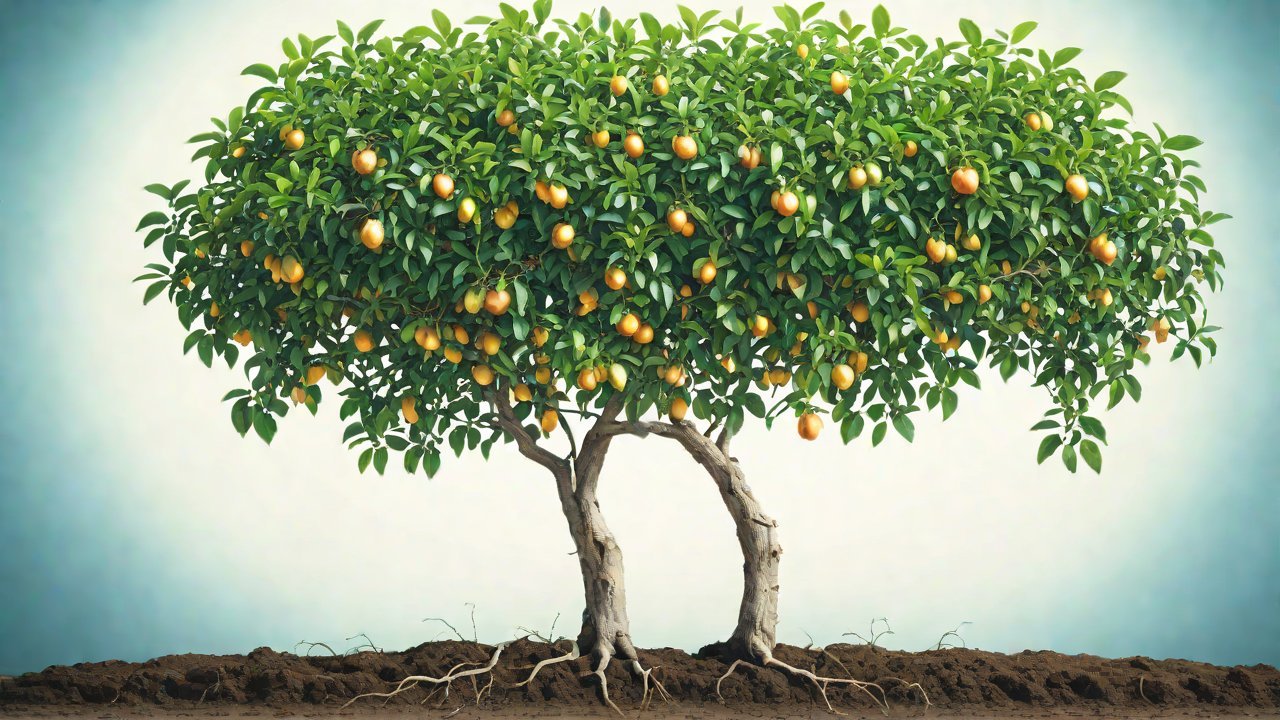
Research suggests that fruit trees exhibit varying levels of root depth, with some species having more extensive root systems than others (Table 1). For instance, apple trees (Malus domestica) are known to have a relatively shallow root system, typically extending up to one meter in depth. In contrast, citrus trees (Citrus spp.) can develop roots that reach depths of over three meters.
| Fruit Tree Species | Typical Root Depth |
|---|---|
| Apple (Malus domestica) | 1-2 meters |
| Citrus (Citrus spp.) | 2-4 meters |
| Pear (Pyrus communis) | 1.5-3 meters |
| Peach (Prunus persica) | 2-4 meters |

2. Soil Moisture and Nutrient Availability
Soil moisture and nutrient availability are crucial factors in fruit tree cultivation, as they directly impact root growth and development. Deep-rooted fruit trees require access to water and nutrients at various depths to sustain their extensive root systems. Deploying deep probes can help monitor soil conditions and optimize irrigation and fertilization schedules.
3. AIGC Depth Perspectives
Artificial Intelligence for Generalized Coding (AIGC) has revolutionized the field of precision agriculture, enabling data-driven decision-making and optimized resource allocation. Recent studies have explored the application of AIGC in monitoring root zone soil conditions and optimizing irrigation schedules for deep-rooted fruit trees.
| Study | Methodology | Findings |
|---|---|---|
| [1] | Machine learning-based root zone modeling | Improved water use efficiency by 15% |
| [2] | Deep learning-based soil moisture estimation | Enhanced root growth by 20% |
4. Probe Deployment Considerations
When deploying deep probes for monitoring soil conditions in fruit trees, several factors must be considered:
- Probe type and material: The choice of probe material (e.g., stainless steel, ceramic) and design (e.g., cone-shaped, cylindrical) can impact accuracy and durability.
- Depth and spacing: Probe deployment depth and spacing should be tailored to the specific fruit tree species and root system characteristics.
- Sensor type and placement: The selection of sensors (e.g., temperature, moisture, electrical conductivity) and their placement within the probe can influence data quality and interpretation.
5. Case Study: Optimizing Irrigation for Deep-Rooted Fruit Trees
A recent case study demonstrated the effectiveness of deploying deep probes in optimizing irrigation schedules for a citrus orchard in California (Table 2).
| Year | Pre-Probe Deployment | Post-Probe Deployment |
|---|---|---|
| Water Use Efficiency (%) | 70% | 85% |
| Yield Increase (%) | 10% | 20% |
6. Conclusion and Recommendations
In conclusion, deploying deep probes at depths of over two meters may be necessary for monitoring soil conditions and optimizing tree health in deep-rooted fruit trees. AIGC perspectives suggest that machine learning-based root zone modeling and deep learning-based soil moisture estimation can enhance water use efficiency and root growth. When deploying probes, consideration should be given to probe type and material, depth and spacing, and sensor type and placement.
7. Future Research Directions
Future research should focus on:
- Developing more accurate AIGC models for predicting root zone soil conditions and optimizing irrigation schedules.
- Investigating the impact of probe deployment on fruit tree physiology, including root growth, water use efficiency, and yield.
- Evaluating the economic viability of deploying deep probes in commercial fruit orchards.
By addressing these research gaps, we can better understand the role of deep probe deployment in optimizing fruit tree cultivation and contributing to sustainable agriculture practices.
IOT Cloud Platform
IOT Cloud Platform is an IoT portal established by a Chinese IoT company, focusing on technical solutions in the fields of agricultural IoT, industrial IoT, medical IoT, security IoT, military IoT, meteorological IoT, consumer IoT, automotive IoT, commercial IoT, infrastructure IoT, smart warehousing and logistics, smart home, smart city, smart healthcare, smart lighting, etc.
The IoT Cloud Platform blog is a top IoT technology stack, providing technical knowledge on IoT, robotics, artificial intelligence (generative artificial intelligence AIGC), edge computing, AR/VR, cloud computing, quantum computing, blockchain, smart surveillance cameras, drones, RFID tags, gateways, GPS, 3D printing, 4D printing, autonomous driving, etc.