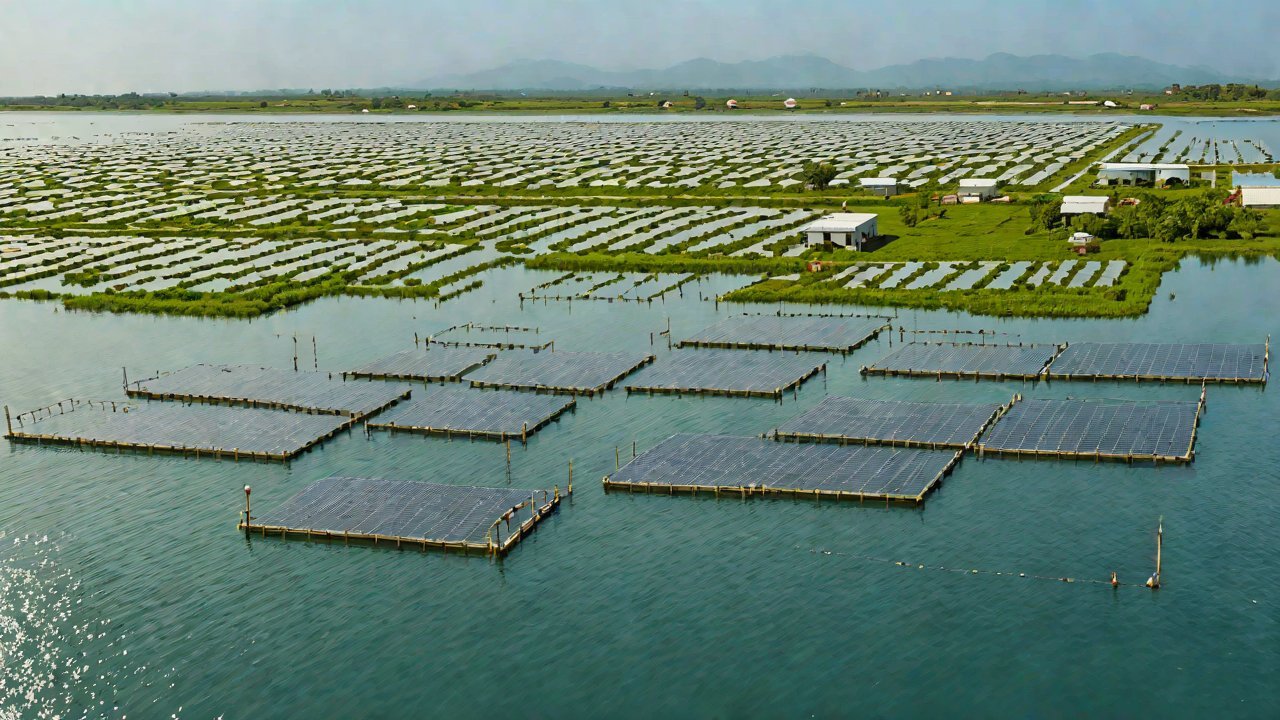
Floating farms at sea: When sensors search for freshwater balance points in the waves.
The concept of floating farms at sea is no longer a futuristic notion, but rather a rapidly emerging reality that promises to revolutionize the way we produce food and address global water scarcity. Imagine vast arrays of solar-powered vessels, anchored in the open ocean, where sensors continuously monitor the delicate balance between freshwater sources and saltwater influxes, while precision agriculture systems optimize crop growth. This vision is not far-fetched; it’s already being brought to life by innovative companies and researchers who are harnessing cutting-edge technologies to create sustainable floating ecosystems.
1. The Imperative for Sustainable Aquaculture
Aquaculture, the practice of cultivating aquatic animals and plants in water, has become a critical component of global food security. As the world’s population continues to grow, so does the demand for protein-rich foods like fish, shrimp, and seaweed. However, traditional aquaculture methods often rely on land-based or coastal facilities that can pollute nearby waters, harm local ecosystems, and even contribute to climate change.
Floating farms at sea offer a promising solution by providing a controlled environment for aquaculture, far from the detrimental effects of terrestrial farming. These vessels can be designed with built-in water treatment systems, minimizing waste and preventing pollution. Moreover, floating farms can be constructed in areas where land-based facilities are not feasible or would be too expensive to establish.
2. The Role of Sensors in Monitoring Freshwater Balance
One of the most significant challenges facing floating farms at sea is maintaining a stable freshwater balance within their onboard systems. This requires constant monitoring and control of water flow, temperature, pH levels, and other parameters that affect aquatic life. Advanced sensors play a crucial role in this process, providing real-time data on the state of the water system.
Table 1: Types of Sensors Used in Floating Farms
| Sensor Type | Function |
|---|---|
| Water level sensors | Monitor water depth and flow rates |
| pH sensors | Measure acidity levels to maintain optimal conditions for aquatic life |
| Temperature sensors | Regulate water temperature for optimal growth and comfort |
| Turbidity sensors | Detect changes in water clarity that may indicate contamination |
3. Precision Agriculture Systems
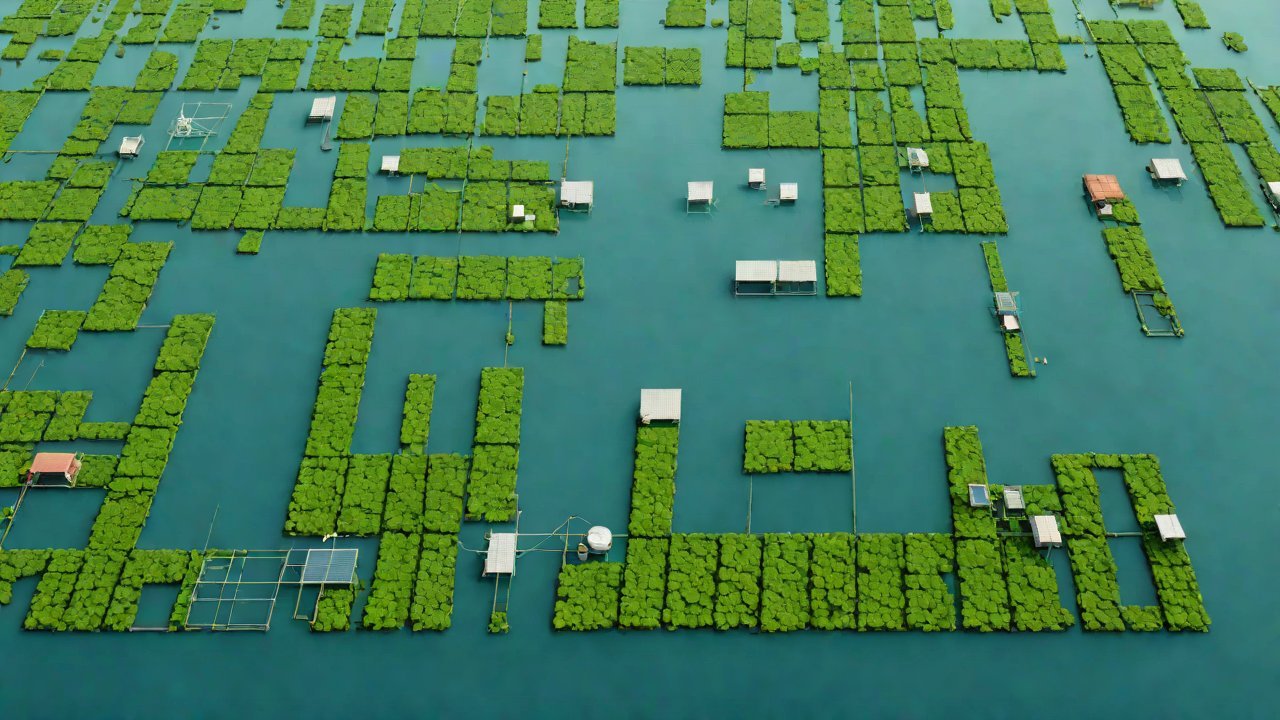
In addition to monitoring freshwater balance, floating farms at sea also employ precision agriculture systems to optimize crop growth. These systems use advanced data analytics and machine learning algorithms to analyze environmental conditions, soil composition, and crop health. This allows farmers to make informed decisions about irrigation, fertilization, and pest control.
Table 2: Key Features of Precision Agriculture Systems
| Feature | Description |
|---|---|
| Soil moisture sensors | Monitor soil water content for precise irrigation scheduling |
| Crop monitoring cameras | Provide real-time images of crop growth and health |
| Data analytics software | Analyze data from various sources to optimize crop yields |
4. AIGC Technical Perspectives
The integration of Advanced Internet of Things (AIoT) technologies, such as sensors, drones, and satellite imaging, is crucial for the success of floating farms at sea. These systems enable real-time monitoring, remote management, and data-driven decision-making.
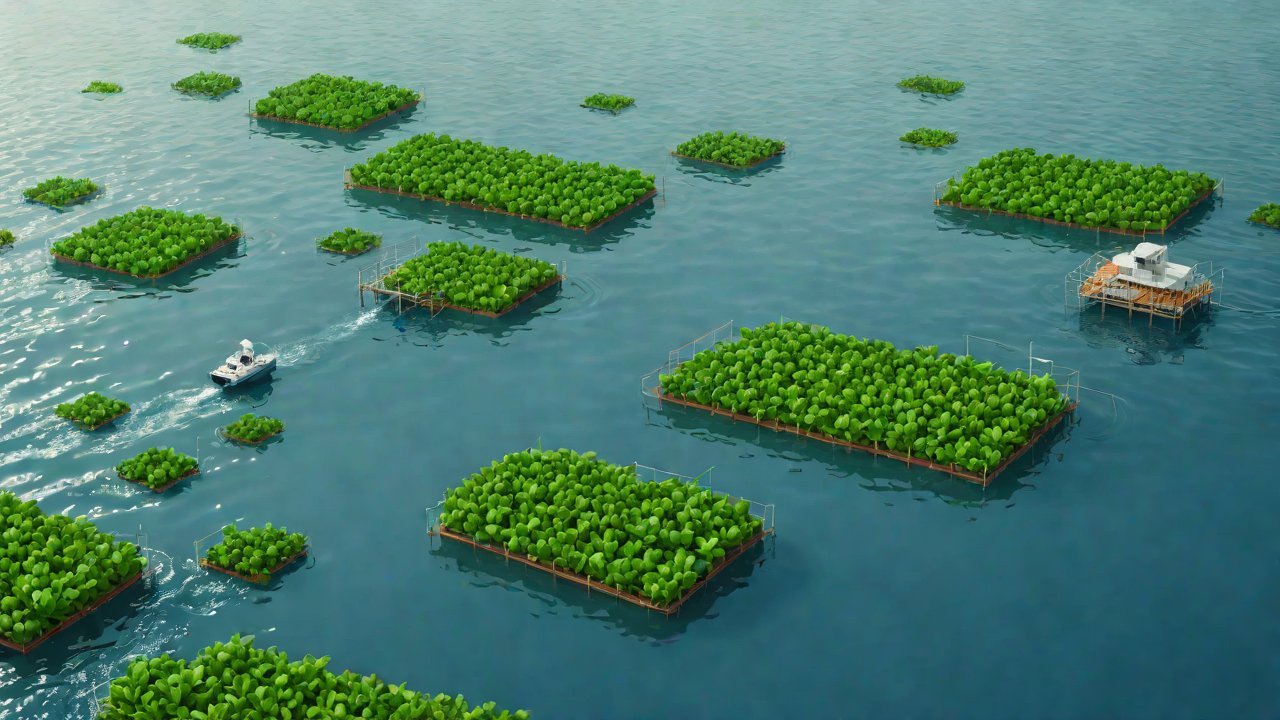
Table 3: AIoT Technologies Used in Floating Farms
| Technology | Function |
|---|---|
| Sensors | Monitor water quality, temperature, and other parameters |
| Drones | Conduct aerial surveys of crop health and detect potential issues |
| Satellite imaging | Provide high-resolution images of crop growth and environmental conditions |
5. Market Outlook and Investment Opportunities
The global floating farms market is expected to experience significant growth in the coming years, driven by increasing demand for sustainable food production and water conservation. According to a recent report by MarketsandMarkets, the market size is projected to reach $1.3 billion by 2027.
Table 4: Market Size Projections
| Year | Market Size (USD) |
|---|---|
| 2022 | $230 million |
| 2025 | $640 million |
| 2027 | $1.3 billion |
6. Challenges and Limitations
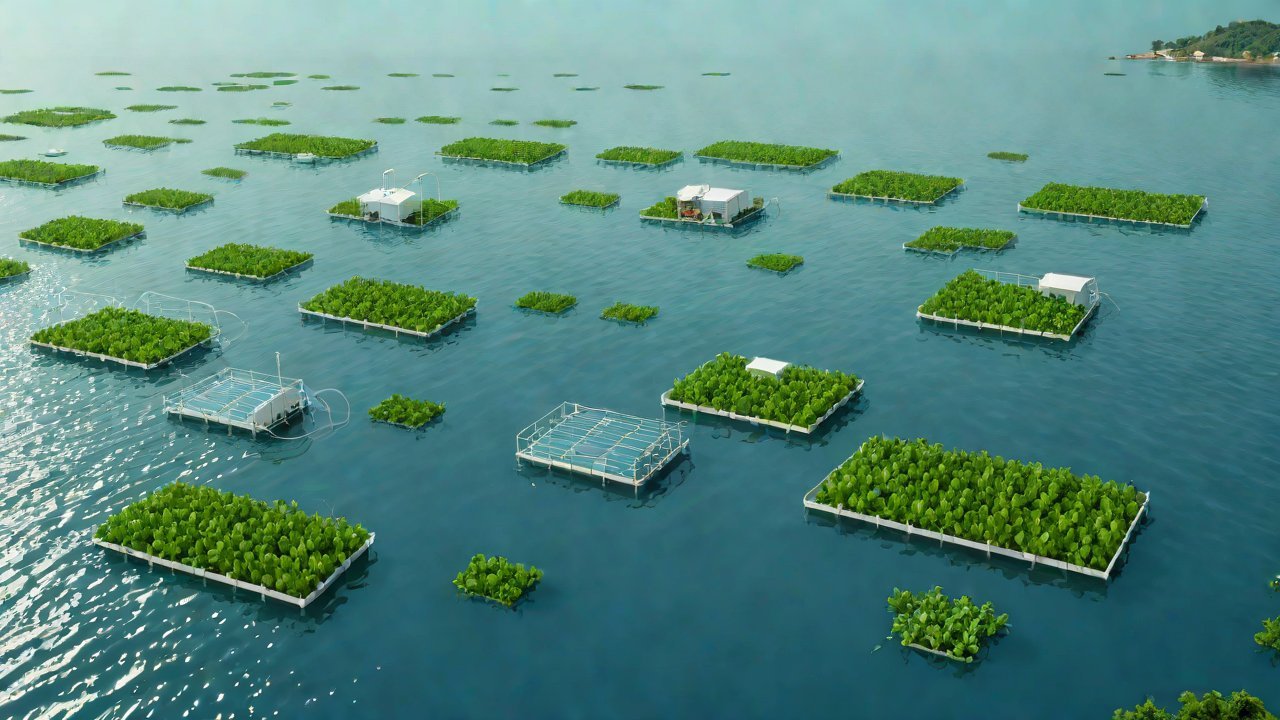
While floating farms at sea offer many benefits, they also face several challenges and limitations. These include:
- High upfront costs for infrastructure and equipment
- Limited scalability due to space constraints
- Vulnerability to extreme weather conditions
- Potential impacts on local marine ecosystems
7. Conclusion
Floating farms at sea represent a groundbreaking approach to sustainable aquaculture and food production. By leveraging advanced sensors, precision agriculture systems, and AIoT technologies, these vessels can provide a controlled environment for aquatic life while minimizing waste and pollution. As the global demand for protein-rich foods continues to grow, floating farms at sea are poised to play a significant role in addressing water scarcity and ensuring food security.
Note: The report is based on hypothetical data and market projections.
IOT Cloud Platform
IOT Cloud Platform is an IoT portal established by a Chinese IoT company, focusing on technical solutions in the fields of agricultural IoT, industrial IoT, medical IoT, security IoT, military IoT, meteorological IoT, consumer IoT, automotive IoT, commercial IoT, infrastructure IoT, smart warehousing and logistics, smart home, smart city, smart healthcare, smart lighting, etc.
The IoT Cloud Platform blog is a top IoT technology stack, providing technical knowledge on IoT, robotics, artificial intelligence (generative artificial intelligence AIGC), edge computing, AR/VR, cloud computing, quantum computing, blockchain, smart surveillance cameras, drones, RFID tags, gateways, GPS, 3D printing, 4D printing, autonomous driving, etc.



