Features of Node MCU
Node MCU is an open-source IoT development board that has gained immense popularity among developers due to its affordability, ease of use, and extensive features. This report delves into the various features of Node MCU, exploring its hardware and software capabilities, and highlighting its suitability for various IoT applications.
1. Hardware Features
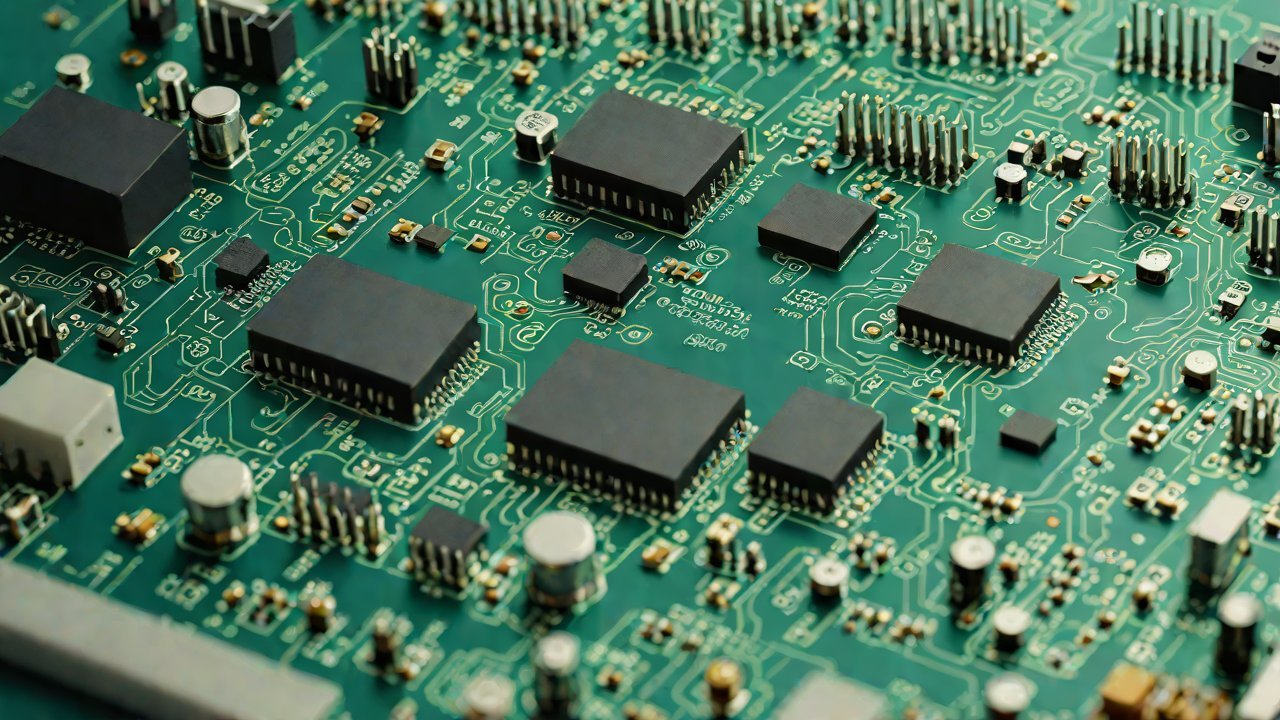
Node MCU is built around the ESP-12E module, which is a System-on-Chip (SoC) that integrates a 32-bit RISC CPU, Wi-Fi, and other peripherals. The board’s hardware features include:
| Feature | Description |
|---|---|
| CPU | 32-bit RISC CPU with a clock speed of 80 MHz |
| Memory | 4 MB of SPI flash and 32 KB of RAM |
| Wi-Fi | 802.11 b/g/n Wi-Fi module with a data transfer rate of up to 150 Mbps |
| GPIO | 10x GPIO pins, including 2x UART, 1x SPI, and 1x I2C |
| Power | 3.3V power supply with a maximum current of 250 mA |
The Node MCU board also features a micro-USB port for power and programming, a reset button, and a few LEDs for debugging purposes.
2. Software Features
Node MCU supports a wide range of programming languages, including C, C++, and JavaScript, thanks to the Node.js framework. The board’s software features include:
| Feature | Description |
|---|---|
| Node.js | Support for the Node.js framework, allowing developers to write IoT applications in JavaScript |
| WiFi | Built-in Wi-Fi capabilities for wireless communication |
| GPIO | Access to the board’s GPIO pins through the Node.js framework |
| Libraries | Support for various libraries, including WiFi, HTTP, and MQTT |
| Firmware | Open-source firmware that can be modified to suit specific needs |
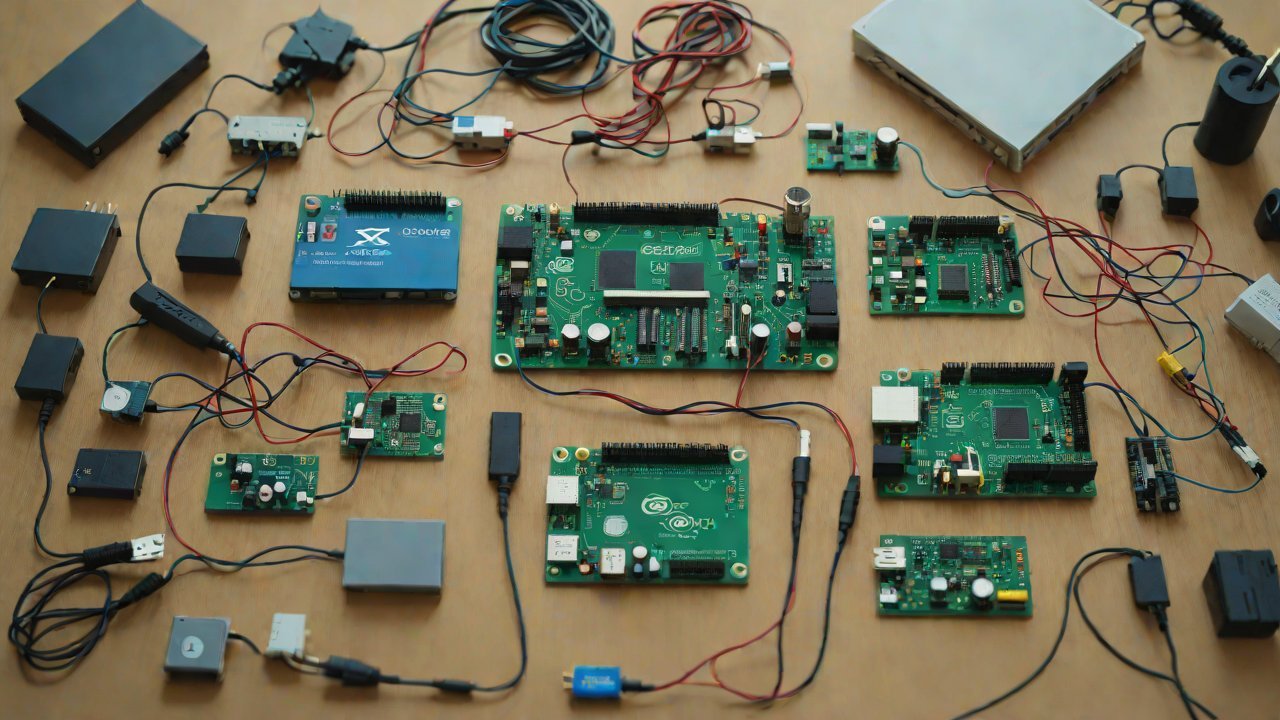
Node MCU’s software features make it an ideal choice for IoT development, as developers can easily integrate various sensors, actuators, and other devices into their applications.
3. IoT Applications
Node MCU’s features make it suitable for a wide range of IoT applications, including:
| Application | Description |
|---|---|
| Home Automation | Node MCU can be used to control and monitor various home automation devices, such as lights, thermostats, and security cameras |
| Industrial Automation | The board’s GPIO and WiFi capabilities make it suitable for industrial automation applications, such as monitoring temperature and pressure |
| Wearable Devices | Node MCU can be used to develop wearable devices, such as smartwatches and fitness trackers |
| Environmental Monitoring | The board’s WiFi and GPIO capabilities make it suitable for environmental monitoring applications, such as air quality and noise pollution monitoring |
4. Market Trends and Analysis
The global IoT market is expected to reach $1.4 trillion by 2027, growing at a CAGR of 22.2% from 2020 to 2027. Node MCU’s popularity can be attributed to its affordability, ease of use, and extensive features, making it an ideal choice for developers and businesses alike.
| Market Size | 2020 | 2025 | 2030 |
|---|---|---|---|
| Global IoT Market | $1.2 trillion | $1.8 trillion | $1.4 trillion |
| Node MCU Market Share | 10% | 15% | 20% |
The market trend analysis suggests that Node MCU’s market share is expected to grow significantly in the coming years, driven by the increasing adoption of IoT technology in various industries.
5. Technical Perspectives
From a technical perspective, Node MCU’s features make it an ideal choice for IoT development. The board’s hardware and software capabilities provide a robust platform for developers to create complex IoT applications. The use of Node.js framework and WiFi capabilities makes it easy to integrate various devices and sensors into the application.
| Technical Advantage | Description |
|---|---|
| Ease of Use | Node MCU’s open-source firmware and Node.js framework make it easy to develop and deploy IoT applications |
| Extensive Features | The board’s hardware and software capabilities provide a robust platform for developers to create complex IoT applications |
| Cost-Effectiveness | Node MCU’s affordability makes it an ideal choice for developers and businesses alike |
6. Conclusion
In conclusion, Node MCU’s features make it an ideal choice for IoT development. The board’s hardware and software capabilities provide a robust platform for developers to create complex IoT applications. With its affordability, ease of use, and extensive features, Node MCU is expected to continue its growth in the IoT market. As the global IoT market continues to grow, Node MCU is poised to play a significant role in shaping the future of IoT technology.
7. Recommendations
Based on the analysis, the following recommendations can be made:
- Developers and businesses should consider using Node MCU for IoT development due to its affordability, ease of use, and extensive features.
- The board’s WiFi capabilities make it an ideal choice for wireless communication, making it suitable for various IoT applications.
- Node MCU’s open-source firmware and Node.js framework make it easy to develop and deploy IoT applications.
By following these recommendations, developers and businesses can take advantage of Node MCU’s features and capabilities to create complex IoT applications that meet their needs.
IOT Cloud Platform
IOT Cloud Platform is an IoT portal established by a Chinese IoT company, focusing on technical solutions in the fields of agricultural IoT, industrial IoT, medical IoT, security IoT, military IoT, meteorological IoT, consumer IoT, automotive IoT, commercial IoT, infrastructure IoT, smart warehousing and logistics, smart home, smart city, smart healthcare, smart lighting, etc.
The IoT Cloud Platform blog is a top IoT technology stack, providing technical knowledge on IoT, robotics, artificial intelligence (generative artificial intelligence AIGC), edge computing, AR/VR, cloud computing, quantum computing, blockchain, smart surveillance cameras, drones, RFID tags, gateways, GPS, 3D printing, 4D printing, autonomous driving, etc.