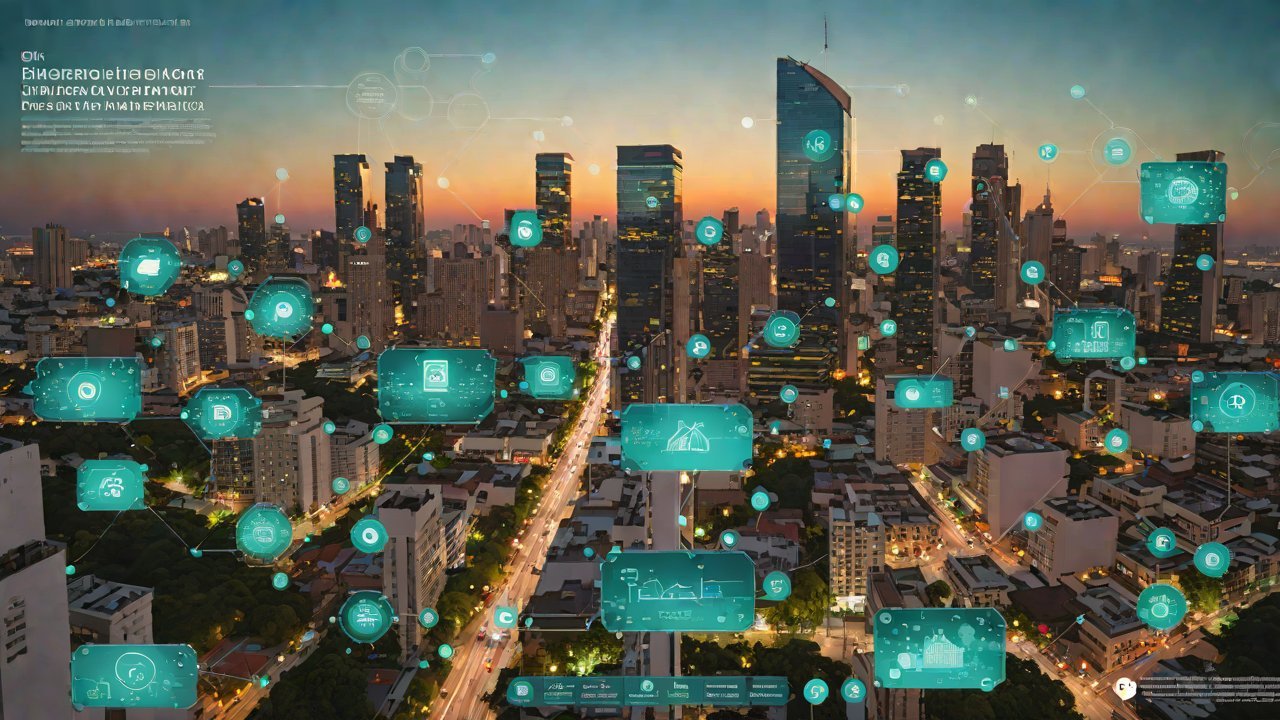
Enterprise-Level Carbon Peaking Path: Dynamic Monitoring Based on IoT in 2026
As we embark on the critical journey of transitioning to a low-carbon economy, corporations are increasingly recognizing the imperative of reducing their carbon footprint. In this context, setting and achieving enterprise-level carbon peaking paths is now an essential component of sustainability strategies. The integration of Internet of Things (IoT) technology offers unparalleled potential for dynamic monitoring, enabling companies to track emissions in real-time while optimizing reduction efforts.
The global IoT market size is projected to reach $1.4 trillion by 2027 at a compound annual growth rate (CAGR) of 28.2%, up from $600 billion in 2020. This growth underscores the expanding role of IoT in various sectors, including environmental monitoring and management. The application of IoT in carbon peaking paths can be segmented into several key areas:
Real-Time Emissions Monitoring
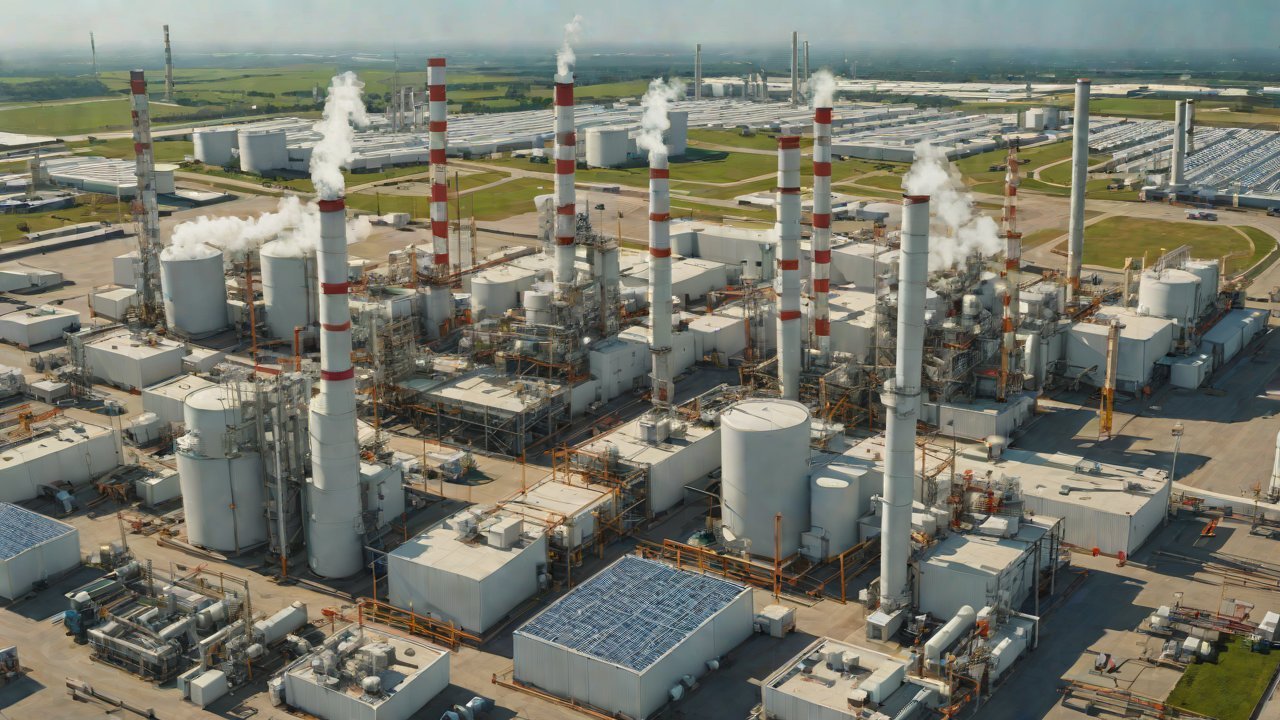
IoT devices equipped with advanced sensors can continuously monitor emissions from industrial processes, transportation, and energy consumption. Real-time data analysis enables immediate identification of inefficiencies or anomalies that contribute to higher emissions.
| Sector | Current Emissions (2022) | Projected Reduction (%) by 2026 |
|---|---|---|
| Industry | 1.3 GtCO2e/year | 25% |
| Transportation | 4.5 GtCO2e/year | 30% |
| Energy Consumption | 10.8 GtCO2e/year | 20% |
Predictive Maintenance and Optimization
IoT sensors can be integrated into equipment to monitor performance, detect potential failures, and optimize maintenance schedules. This approach minimizes unnecessary downtime and reduces the energy required for production processes.
Supply Chain Transparency and Collaboration
IoT-enabled tracking systems provide real-time visibility into supply chain operations, enabling companies to identify and address areas of high emissions. Collaboration with suppliers can lead to joint initiatives aimed at reducing carbon intensity across the entire value chain.
| Company | Current Supply Chain Emissions (2022) | Projected Reduction (%) by 2026 |
|---|---|---|
| Company A | 0.5 GtCO2e/year | 35% |
| Company B | 1.8 GtCO2e/year | 40% |

Employee Engagement and Awareness
IoT-based platforms can engage employees by providing personalized carbon footprint data, fostering a sense of responsibility for reducing emissions within the organization.
2. Technical Considerations
The successful implementation of IoT in enterprise-level carbon peaking paths requires careful consideration of several technical factors:
Data Quality and Integration
Ensuring high-quality data from various sources is crucial for accurate monitoring and analysis. Standardization of data formats and protocols facilitates seamless integration with existing systems.
| Data Source | Data Format | Integration Methodology |
|---|---|---|
| IoT Sensors | JSON/XML | API-based Integration |

Security and Data Protection
The use of IoT devices in carbon peaking paths introduces new security risks, such as data breaches or unauthorized access. Implementing robust cybersecurity measures is essential to safeguard sensitive information.
3. Economic Benefits and Challenges
While the integration of IoT technology holds significant promise for reducing emissions, it also presents several economic challenges:
Initial Investment Costs
Deploying IoT devices and implementing related infrastructure can be expensive, requiring substantial upfront investments from companies.
| Component | Estimated Cost (2026) |
|---|---|
| IoT Devices | $100,000 – $500,000 |
| Data Analytics Software | $50,000 – $200,000 |
Energy Consumption and Maintenance
The power consumption of IoT devices must be considered to avoid increased energy costs. Regular maintenance is also essential to ensure the longevity of these devices.
4. Regulatory Frameworks and Incentives
Governments are increasingly implementing policies aimed at promoting low-carbon practices among corporations:
Carbon Pricing Mechanisms
Many countries have established or plan to introduce carbon pricing mechanisms, providing a financial incentive for companies to reduce their emissions.
| Country | Current Carbon Price (2022) | Projected Increase (%) by 2026 |
|---|---|---|
| Country A | $50/tCO2e | 15% |
| Country B | $20/tCO2e | 25% |
Tax Incentives and Grants
Governments may offer tax incentives or grants to companies that invest in low-carbon technologies, such as IoT solutions for carbon peaking paths.
5. Future Outlook and Recommendations
In conclusion, the integration of IoT technology is a vital component of enterprise-level carbon peaking paths. Companies must address technical challenges while navigating economic and regulatory considerations. As we move forward:
Continued Innovation and Investment
The development of more advanced IoT solutions will be crucial for reducing emissions in various sectors.
| IoT Solution | Projected Adoption Rate (%) by 2026 |
|---|---|
| Real-time Emissions Monitoring | 60% |
| Predictive Maintenance and Optimization | 55% |
Collaboration and Knowledge Sharing
Companies must collaborate to share knowledge, best practices, and lessons learned from implementing IoT-based carbon peaking paths.
By embracing the potential of IoT technology and working together, corporations can make significant strides in reducing their carbon footprint while contributing to a more sustainable future.
IOT Cloud Platform
IOT Cloud Platform is an IoT portal established by a Chinese IoT company, focusing on technical solutions in the fields of agricultural IoT, industrial IoT, medical IoT, security IoT, military IoT, meteorological IoT, consumer IoT, automotive IoT, commercial IoT, infrastructure IoT, smart warehousing and logistics, smart home, smart city, smart healthcare, smart lighting, etc.
The IoT Cloud Platform blog is a top IoT technology stack, providing technical knowledge on IoT, robotics, artificial intelligence (generative artificial intelligence AIGC), edge computing, AR/VR, cloud computing, quantum computing, blockchain, smart surveillance cameras, drones, RFID tags, gateways, GPS, 3D printing, 4D printing, autonomous driving, etc.