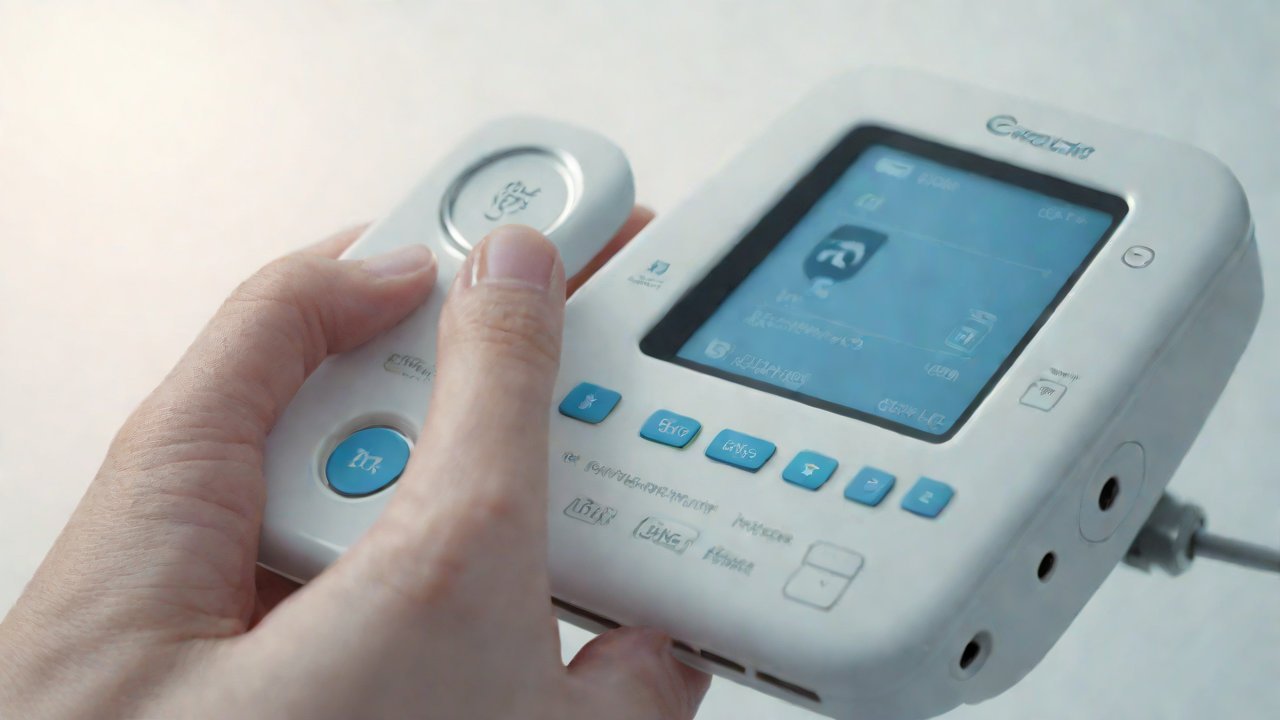
End-to-end encrypted storage and privacy protection strategies for infant behavior data.
The collection and analysis of infant behavior data has become increasingly important in various fields, including pediatric research, healthcare, and education. However, the sensitive nature of this data raises significant concerns regarding its security, confidentiality, and integrity. As a result, there is an urgent need for robust end-to-end encrypted storage and privacy protection strategies to safeguard infant behavior data.
Infant behavior data encompasses a wide range of information, including but not limited to, sleep patterns, feeding schedules, physical activity levels, emotional responses, and cognitive development milestones. The unauthorized access or disclosure of this data can have severe consequences, such as compromising the child’s personal safety, revealing sensitive family dynamics, or even influencing research outcomes.
To address these concerns, organizations handling infant behavior data must implement robust security measures that ensure the confidentiality, integrity, and availability of the data throughout its entire lifecycle. This includes the collection, storage, processing, transmission, and disposal of the data.
1. Data Collection and Storage
The first step in ensuring the privacy and security of infant behavior data is to adopt secure data collection methods. This can be achieved through the use of mobile applications, wearable devices, or online portals that employ end-to-end encryption protocols to protect the data from unauthorized access.
Once the data is collected, it must be stored in a secure manner. This involves implementing robust access controls, such as multi-factor authentication and role-based access control, to ensure only authorized personnel can access the data.
| Storage Solutions | Description |
|---|---|
| Cloud Storage | Scalable, on-demand storage solution that ensures high availability and redundancy |
| On-Premises Storage | Secure, centralized storage solution that provides fine-grained access controls |
2. Data Processing and Transmission
Once the data is collected and stored securely, it must be processed in a manner that maintains its confidentiality and integrity. This involves implementing data processing protocols that ensure the accuracy, completeness, and consistency of the data.
During transmission, the data must be protected from unauthorized access or interception. This can be achieved through the use of secure communication protocols, such as Transport Layer Security (TLS) or Secure Sockets Layer (SSL), to encrypt the data in transit.
| Data Processing Solutions | Description |
|---|---|
| Cloud-Based Analytics | Scalable analytics platform that provides real-time insights and supports machine learning algorithms |
| On-Premises Analytics | Centralized analytics solution that ensures fine-grained access controls and supports advanced analytics techniques |
3. Access Control and Authentication
To ensure the confidentiality, integrity, and availability of infant behavior data, it is essential to implement robust access control measures. This involves adopting multi-factor authentication protocols that require users to provide two or more forms of verification before accessing the data.
| Access Control Solutions | Description |
|---|---|
| Role-Based Access Control (RBAC) | Fine-grained access control solution that assigns permissions based on user roles and responsibilities |
| Attribute-Based Access Control (ABAC) | Dynamic access control solution that grants permissions based on user attributes and environmental factors |
4. Data Disposal and Retention
Once the data is no longer required, it must be disposed of securely to prevent unauthorized access or disclosure. This involves implementing robust data disposal protocols that ensure the complete erasure of the data from storage devices.
| Data Disposal Solutions | Description |
|---|---|
| Secure Deletion | Method of deleting sensitive data in a manner that renders it unrecoverable |
| Data Sanitization | Process of overwriting sensitive data to prevent unauthorized access or disclosure |

5. Compliance and Governance
To ensure the confidentiality, integrity, and availability of infant behavior data, organizations must comply with relevant regulatory requirements, such as the General Data Protection Regulation (GDPR) and the Health Insurance Portability and Accountability Act (HIPAA).
This involves implementing robust governance frameworks that establish clear policies and procedures for handling sensitive data. This includes assigning data owners, defining data classification levels, and establishing incident response protocols.
| Compliance Solutions | Description |
|---|---|
| Data Classification Frameworks | Method of categorizing sensitive data based on its confidentiality, integrity, and availability requirements |
| Incident Response Plans | Documented procedures for responding to security incidents that compromise sensitive data |

6. Emerging Trends and Technologies
Several emerging trends and technologies are poised to impact the collection, storage, processing, transmission, and disposal of infant behavior data. These include:
- Artificial Intelligence (AI) and Machine Learning (ML): Enable organizations to analyze large datasets and identify patterns or anomalies that may indicate potential security risks.
- Internet of Things (IoT): Allow for the collection of real-time data from wearable devices and other IoT-enabled sensors.
- Blockchain: Provide a secure, decentralized platform for storing and transmitting sensitive data.
| Emerging Trends and Technologies | Description |
|---|---|
| AI/ML-based Security Solutions | Use machine learning algorithms to detect anomalies or predict potential security risks |
| IoT-enabled Data Collection | Collect real-time data from wearable devices and other IoT-enabled sensors |
| Blockchain-based Storage Solutions | Store and transmit sensitive data on a secure, decentralized platform |
7. Conclusion
The collection and analysis of infant behavior data are critical components of various fields, including pediatric research, healthcare, and education. However, the sensitive nature of this data raises significant concerns regarding its security, confidentiality, and integrity.
To address these concerns, organizations handling infant behavior data must implement robust end-to-end encrypted storage and privacy protection strategies that ensure the confidentiality, integrity, and availability of the data throughout its entire lifecycle. This includes adopting secure data collection methods, implementing robust access controls, processing and transmitting the data securely, disposing of it securely, complying with relevant regulatory requirements, and leveraging emerging trends and technologies to enhance security and compliance.
By implementing these strategies, organizations can ensure the confidentiality, integrity, and availability of infant behavior data, while also ensuring compliance with relevant regulatory requirements.
IOT Cloud Platform
IOT Cloud Platform is an IoT portal established by a Chinese IoT company, focusing on technical solutions in the fields of agricultural IoT, industrial IoT, medical IoT, security IoT, military IoT, meteorological IoT, consumer IoT, automotive IoT, commercial IoT, infrastructure IoT, smart warehousing and logistics, smart home, smart city, smart healthcare, smart lighting, etc.
The IoT Cloud Platform blog is a top IoT technology stack, providing technical knowledge on IoT, robotics, artificial intelligence (generative artificial intelligence AIGC), edge computing, AR/VR, cloud computing, quantum computing, blockchain, smart surveillance cameras, drones, RFID tags, gateways, GPS, 3D printing, 4D printing, autonomous driving, etc.