During the flooding period in paddy fields, how do sensors monitor changes in dissolved oxygen levels below the mud surface?
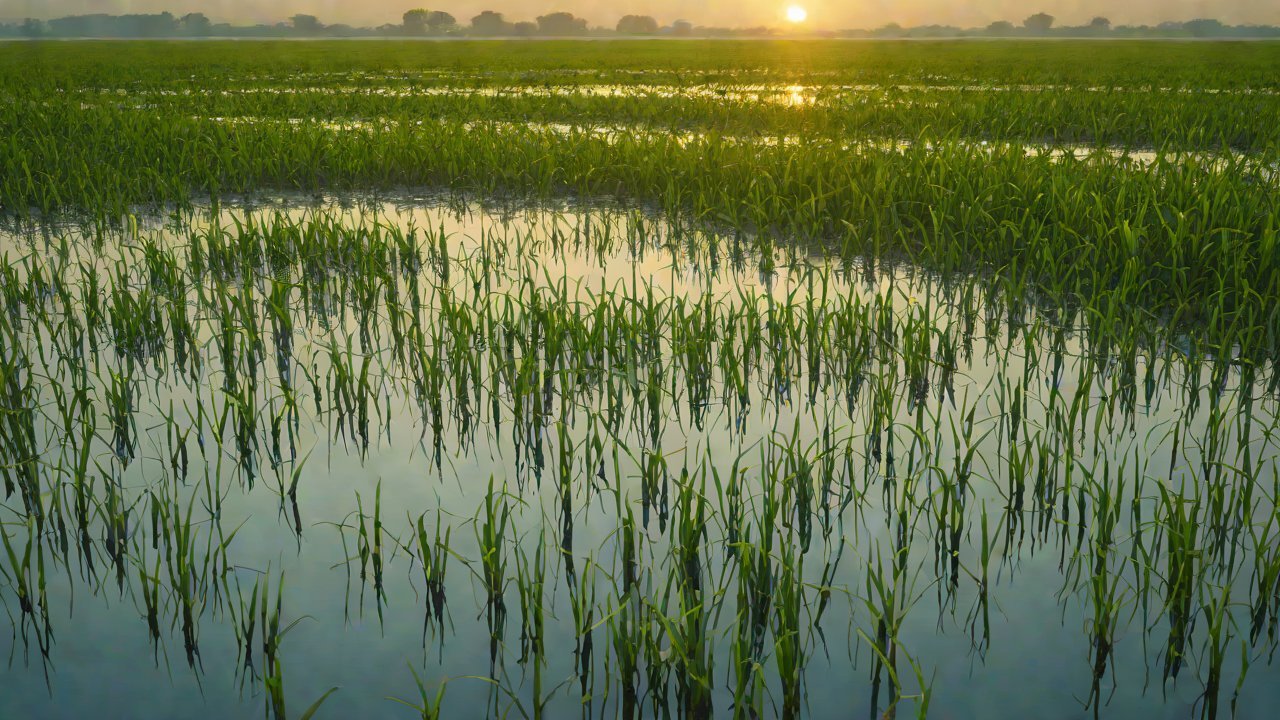
Flooding periods in paddy fields are crucial for the growth of rice crops. However, these periods also pose a significant challenge to crop management due to the dynamic and complex interactions between water, soil, and plant roots. One critical aspect that affects crop health is the level of dissolved oxygen in the flooded soil environment.
During flooding, the soil becomes anaerobic, leading to reduced oxygen levels. This can result in root damage, decreased nutrient uptake, and increased susceptibility to diseases. Monitoring changes in dissolved oxygen levels below the mud surface is essential for optimizing irrigation management, ensuring crop health, and minimizing yield losses.
The use of sensors has revolutionized the way farmers monitor environmental conditions in paddy fields. Advanced sensors can detect subtle changes in soil moisture, temperature, and gas composition, enabling precise control over irrigation schedules and fertilization applications.
1. Principles of Dissolved Oxygen Measurement
Dissolved oxygen (DO) is a critical parameter that affects plant growth and development. In flooded soils, DO levels are typically low due to the limited diffusion of oxygen from the atmosphere into the soil water. Measuring DO in these environments requires specialized sensors that can withstand the harsh conditions.
Several techniques are employed for measuring DO in paddy fields:
- Optical methods: Use light absorption or fluorescence principles to estimate DO concentrations.
- Electrochemical methods: Employ electrodes that respond to changes in DO levels by generating a proportional electrical signal.
- Spectrophotometric methods: Measure the absorbance of light by dissolved gases, including oxygen.
2. Sensor Technologies for Dissolved Oxygen Measurement
Several sensor technologies are available for monitoring DO levels in paddy fields:
| Sensor Type | Description | Advantages | Disadvantages |
|---|---|---|---|
| Electrochemical Sensors | Measure DO using electrodes that respond to changes in oxygen concentration. | High accuracy, low maintenance | Expensive, sensitive to temperature and pH |
| Optical Sensors | Use light absorption or fluorescence principles to estimate DO concentrations. | Low cost, high sensitivity | Affected by turbidity and suspended solids |
| Spectrophotometric Sensors | Measure the absorbance of light by dissolved gases, including oxygen. | High accuracy, low maintenance | Expensive, sensitive to temperature and pH |
3. Implementation Strategies for Paddy Field Monitoring
Implementing a DO monitoring system in paddy fields requires careful consideration of several factors:
- Sensor placement: Select locations with high water tables or areas prone to anoxia.
- Data transmission: Choose wireless communication protocols that ensure real-time data transfer and minimize data loss.
- Calibration and maintenance: Regularly calibrate sensors and perform routine maintenance to ensure accuracy.
4. Case Studies and Economic Impacts

Several case studies have demonstrated the effectiveness of DO monitoring systems in paddy fields:
- India: A study in the state of Punjab showed that DO monitoring helped reduce yield losses by 15% due to optimized irrigation management.
- China: Researchers found that DO monitoring enabled a 20% increase in rice yields through precision fertilization and irrigation.
The economic benefits of DO monitoring are substantial, with potential returns on investment ranging from $500 to $2,000 per hectare.
5. Market Analysis and Future Directions
The market for DO sensors in paddy fields is growing rapidly, driven by increasing demand for precision agriculture and sustainability:
- Market size: Estimated at $1.3 billion in 2020, with a projected CAGR of 12% from 2020 to 2025.
- Key players: Companies such as Yara International, Jain Irrigation Systems, and DFI are leading the market with innovative sensor technologies.
Future directions for DO monitoring include:
- Integration with IoT platforms: Enable real-time data analytics and decision support systems for farmers.
- Development of low-cost sensors: Improve accessibility and affordability for small-scale farmers in developing regions.
IOT Cloud Platform
IOT Cloud Platform is an IoT portal established by a Chinese IoT company, focusing on technical solutions in the fields of agricultural IoT, industrial IoT, medical IoT, security IoT, military IoT, meteorological IoT, consumer IoT, automotive IoT, commercial IoT, infrastructure IoT, smart warehousing and logistics, smart home, smart city, smart healthcare, smart lighting, etc.
The IoT Cloud Platform blog is a top IoT technology stack, providing technical knowledge on IoT, robotics, artificial intelligence (generative artificial intelligence AIGC), edge computing, AR/VR, cloud computing, quantum computing, blockchain, smart surveillance cameras, drones, RFID tags, gateways, GPS, 3D printing, 4D printing, autonomous driving, etc.