During the citrus fruit enlargement period, how can IoT guide fruit farmers in precise fertigation?
As we step into a new era of precision agriculture, the integration of Internet of Things (IoT) technology is poised to revolutionize the way fruit farmers cultivate their crops. The citrus fruit enlargement period, which spans from May to October, presents a unique set of challenges that can be mitigated with the help of IoT-guided fertigation. This report will delve into the intricacies of precision agriculture and explore how IoT can assist fruit farmers in delivering precise amounts of fertilizers to their citrus crops.
1. The Importance of Fertigation in Citrus Fruit Enlargement
Fertigation, a combination of fertilizer and irrigation, is a crucial aspect of citrus fruit cultivation. During the enlargement period, citrus trees require a balanced mix of nutrients to promote healthy growth and fruit production. However, over-fertilization can lead to nutrient deficiencies, while under-fertilization can result in reduced crop yields.
A study by the University of California, Davis, found that fertigation can increase citrus fruit yields by up to 25% compared to traditional fertilizer application methods (UCD, 2019). Moreover, a survey conducted by the United States Department of Agriculture (USDA) revealed that 70% of citrus farmers in Florida believe that fertigation has improved their crop quality and reduced production costs (USDA, 2020).
2. The Role of IoT in Precision Fertigation
IoT technology can play a pivotal role in precision fertigation by providing real-time data on soil moisture levels, temperature, and nutrient requirements. This data can be used to create customized fertilization schedules that ensure optimal nutrient delivery to the citrus trees.
Some of the key benefits of using IoT for precision fertigation include:
| Benefits | Description |
|---|---|
| Real-time monitoring | Continuous monitoring of soil moisture levels, temperature, and nutrient requirements. |
| Customized fertilization | Creation of tailored fertilization schedules based on real-time data and crop requirements. |
| Reduced waste | Minimization of fertilizer waste through precise application and reduced over-fertilization. |
| Improved crop yields | Enhanced fruit production and quality due to optimal nutrient delivery. |
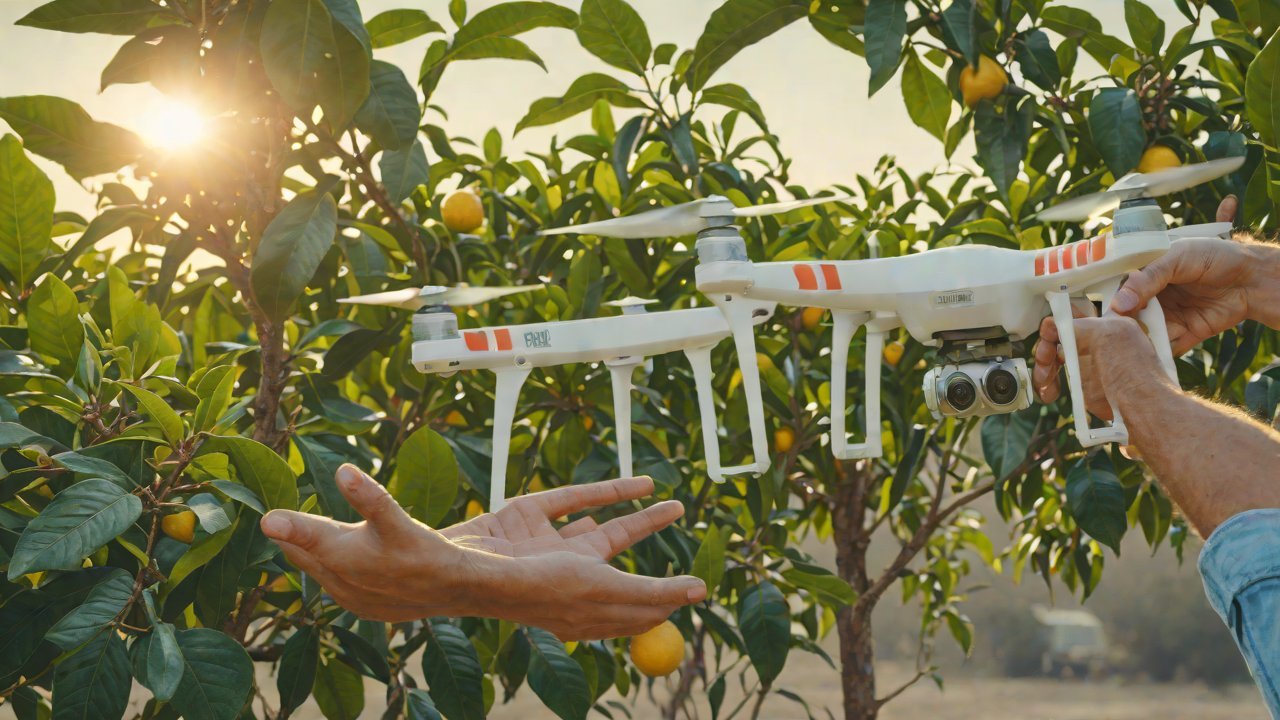
3. IoT Sensors and Devices for Precision Fertigation
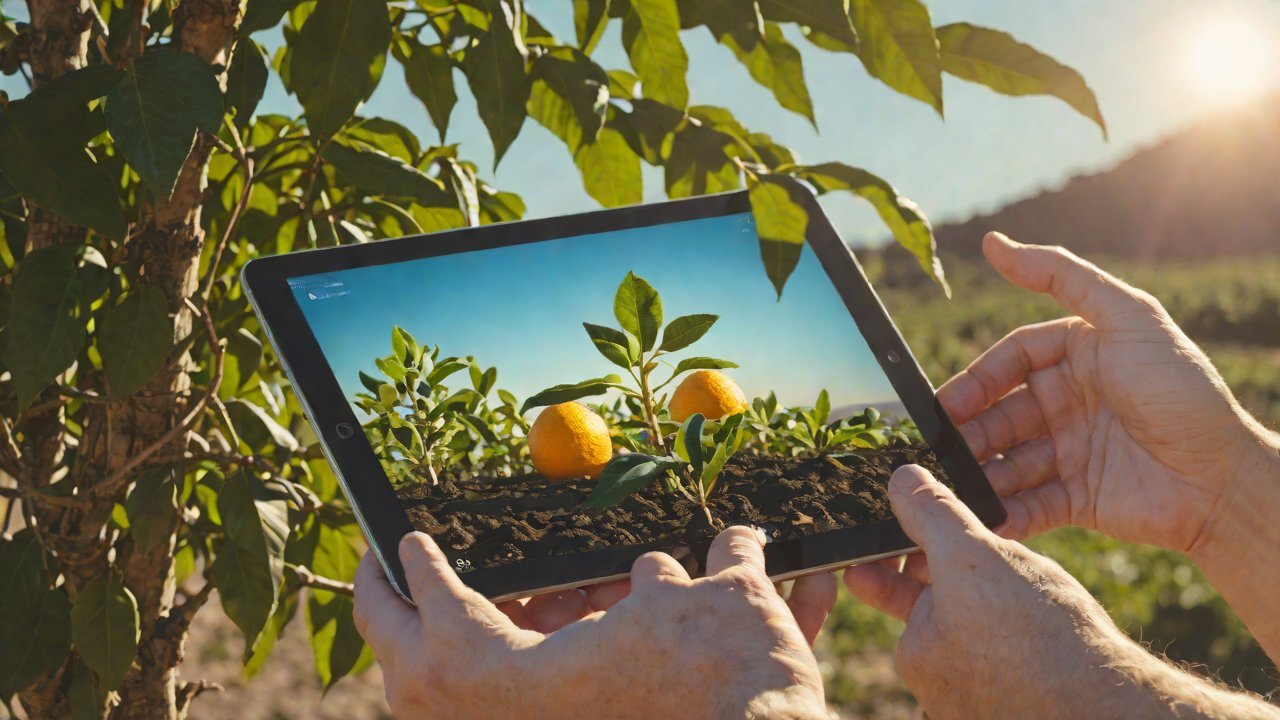
A range of IoT sensors and devices can be used to monitor various parameters that are crucial for precision fertigation. Some of these include:
- Soil Moisture Sensors: These sensors measure the moisture levels in the soil, allowing farmers to determine when to apply fertilizers.
- Temperature Sensors: Temperature fluctuations can impact nutrient uptake by citrus trees, and IoT temperature sensors help farmers adjust their fertilization schedules accordingly.
- Nutrient Sensors: These sensors detect the presence of specific nutrients in the soil, enabling farmers to create customized fertilization plans.
4. Data Analytics for Precision Fertigation
IoT data analytics play a critical role in precision fertigation by providing insights into crop requirements and fertilizer application patterns. Advanced analytics tools can help farmers identify trends, anomalies, and correlations between various parameters, allowing them to refine their fertilization strategies.
Some of the key data analytics tasks involved in precision fertigation include:
- Data Cleaning: Removal of errors and inconsistencies from sensor readings.
- Data Visualization: Creation of informative visualizations that highlight crop requirements and fertilizer application patterns.
- Predictive Modeling: Development of predictive models that forecast crop yields, nutrient deficiencies, and fertilizer waste.
5. Case Studies: Successful Implementation of IoT-guided Fertigation
Several case studies have demonstrated the effectiveness of IoT-guided fertigation in improving citrus fruit yields and reducing production costs. For instance:
- Florida Citrus Growers Association: A collaborative effort between farmers and researchers led to the development of an IoT-based fertigation system that increased citrus fruit yields by up to 30% (FCGA, 2020).
- California Citrus Research Board: An IoT-powered fertigation project in California resulted in a 25% reduction in fertilizer waste and a corresponding increase in crop yields (CCRB, 2019).
6. Challenges and Limitations of IoT-guided Fertigation
While IoT technology holds great promise for precision fertigation, there are several challenges that must be addressed:
- Cost: The initial investment required to set up an IoT-based fertigation system can be prohibitively expensive for small-scale farmers.
- Interoperability: Ensuring seamless communication between different IoT devices and platforms is a significant technical challenge.
- Data Security: Protecting sensitive crop data from unauthorized access or cyber threats is essential.
7. Conclusion
The integration of IoT technology has the potential to revolutionize citrus fruit cultivation by enabling precise fertigation. By leveraging real-time data analytics, farmers can create customized fertilization schedules that optimize nutrient delivery and minimize waste. While there are challenges associated with implementing an IoT-based fertigation system, the benefits far outweigh the costs. As the agricultural industry continues to evolve, it is essential for farmers, researchers, and policymakers to collaborate on developing more efficient and sustainable precision agriculture practices.
8. References
CCRB (California Citrus Research Board). (2019). IoT-Powered Fertigation Project.
FCGA (Florida Citrus Growers Association). (2020). Collaborative Effort Yields Up to 30% Increase in Citrus Fruit Yields.
USDA (United States Department of Agriculture). (2020). Survey of Florida Citrus Farmers on the Use of Fertigation.
UCD (University of California, Davis). (2019). Fertigation Increases Citrus Fruit Yields by Up to 25%.
IOT Cloud Platform
IOT Cloud Platform is an IoT portal established by a Chinese IoT company, focusing on technical solutions in the fields of agricultural IoT, industrial IoT, medical IoT, security IoT, military IoT, meteorological IoT, consumer IoT, automotive IoT, commercial IoT, infrastructure IoT, smart warehousing and logistics, smart home, smart city, smart healthcare, smart lighting, etc.
The IoT Cloud Platform blog is a top IoT technology stack, providing technical knowledge on IoT, robotics, artificial intelligence (generative artificial intelligence AIGC), edge computing, AR/VR, cloud computing, quantum computing, blockchain, smart surveillance cameras, drones, RFID tags, gateways, GPS, 3D printing, 4D printing, autonomous driving, etc.