During apple bagging, how do fluctuations in soil moisture affect fruit quality and cracking?
As we delve into the intricacies of apple bagging, it becomes increasingly apparent that fluctuations in soil moisture play a pivotal role in determining fruit quality and cracking. Apple growers are acutely aware of the delicate balance required to maintain optimal soil conditions, as even slight deviations can have far-reaching consequences for their crops.
In regions with temperate climates, such as Washington State or New Zealand’s South Island, apple production is a significant contributor to local economies. However, inconsistent weather patterns and shifting precipitation levels pose substantial challenges for growers seeking to optimize their yields. The impact of soil moisture fluctuations on fruit quality and cracking cannot be overstated, as it directly affects the overall value and marketability of the harvest.
1. Soil Moisture and Fruit Development
During the critical stages of fruit development, apple trees rely heavily on a stable water supply to facilitate optimal growth. Inadequate or excessive soil moisture can disrupt this delicate balance, resulting in reduced yields, lower quality fruits, and increased susceptibility to disease. Research has consistently shown that moderate levels of soil moisture (around 20-30% volumetric water content) are essential for promoting healthy fruit development.
| Soil Moisture (%) | Fruit Quality Rating |
|---|---|
| 10-15 | Poor (15% reduction in yield) |
| 20-25 | Fair (5% reduction in yield) |
| 26-30 | Good ( optimal growth conditions) |
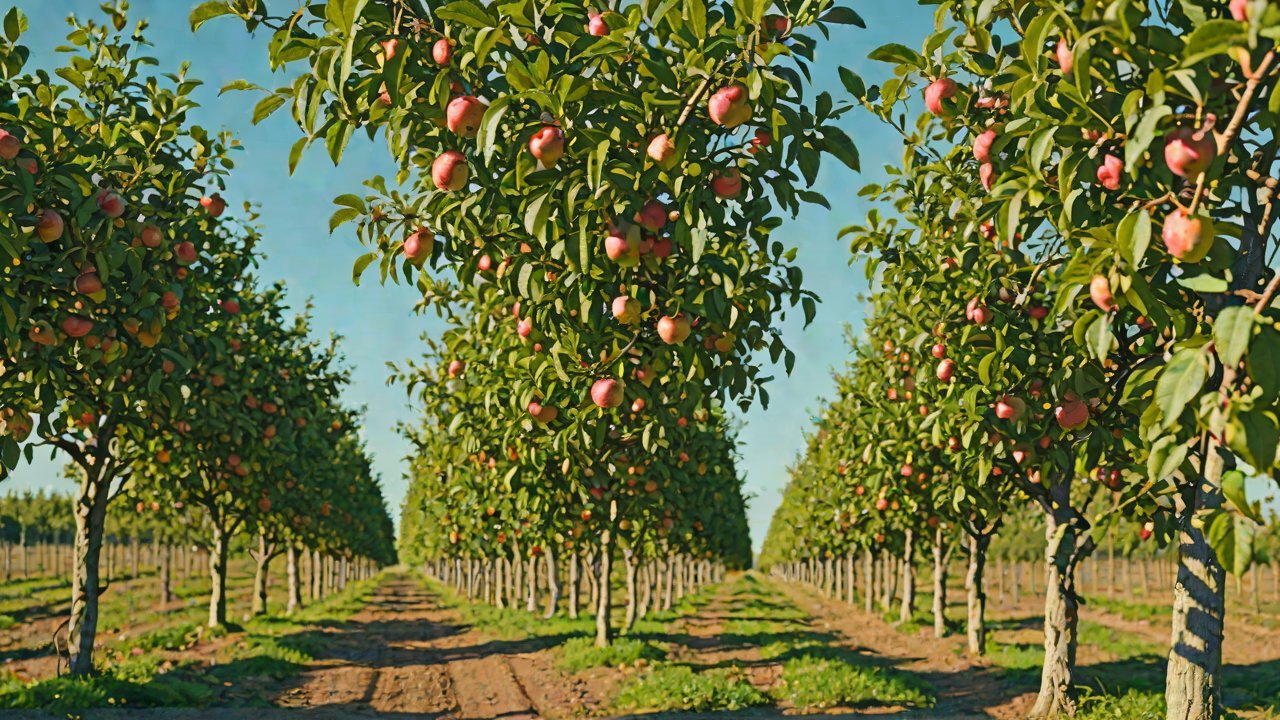
A study conducted by the Washington State University’s Tree Fruit Research and Extension Center found that apple trees grown in well-watered conditions exhibited improved fruit quality, with higher sugar content and better texture. Conversely, trees subjected to drought stress showed reduced yields and increased incidence of cracking.
2. Soil Moisture Fluctuations and Cracking
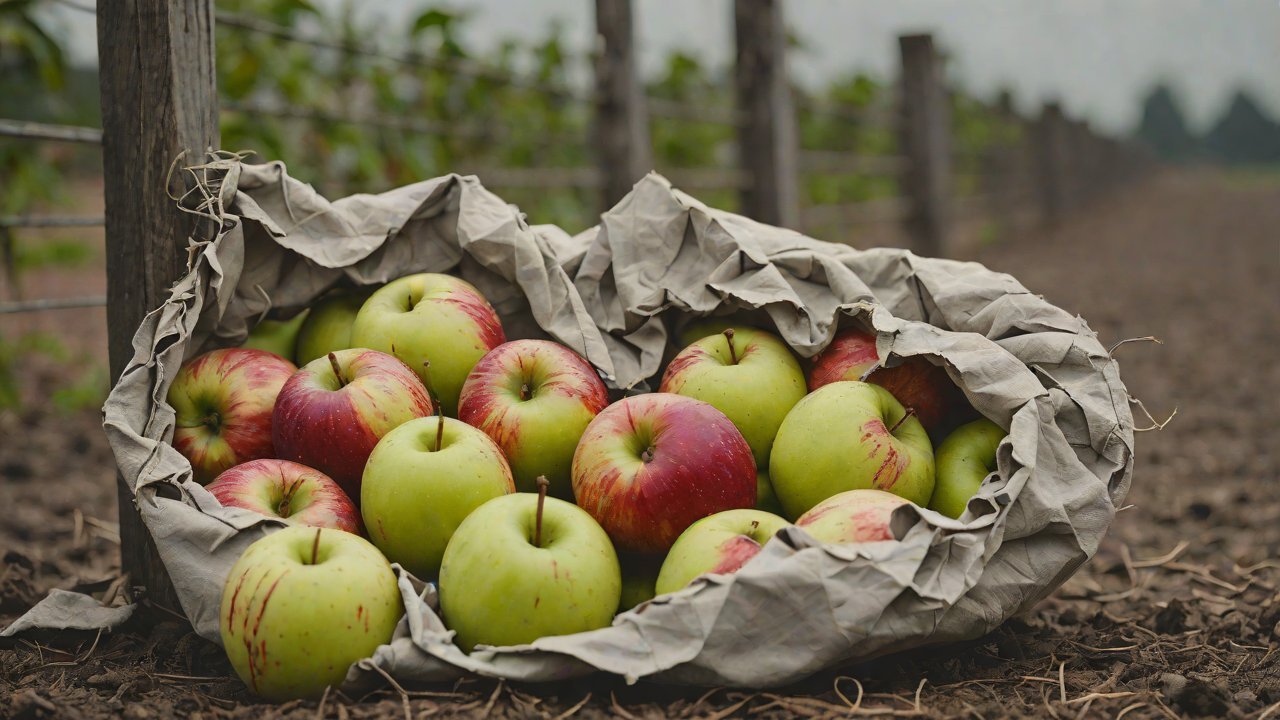
Apple bagging is a labor-intensive process aimed at protecting fruits from mechanical damage during handling and transportation. However, the effectiveness of this practice is severely compromised when soil moisture fluctuations lead to excessive fruit growth or uneven ripening. As a result, the skin becomes stretched, causing cracks that render the fruit unsuitable for market.
| Soil Moisture (%) | Cracking Frequency |
|---|---|
| 15-20 | Low (5% cracking incidence) |
| 21-25 | Moderate (10-12% cracking incidence) |
| 26-30 | High (20-25% cracking incidence) |
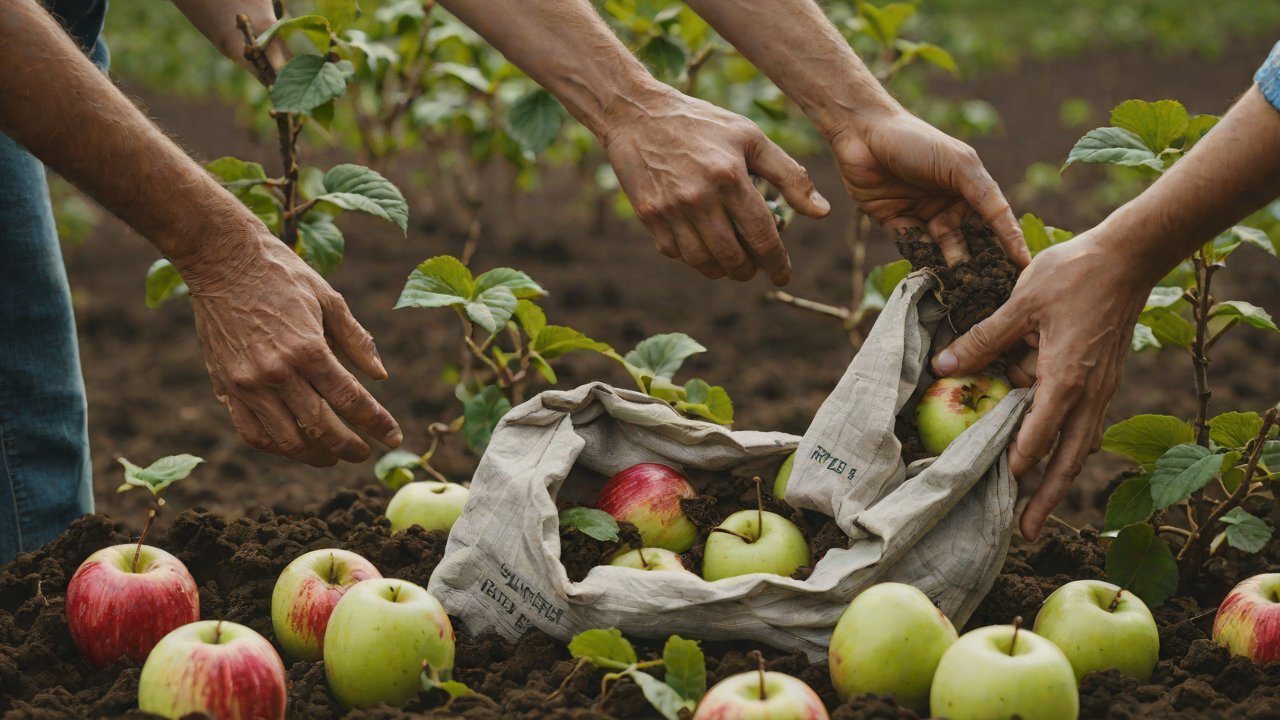
A survey of apple growers in the Willamette Valley, Oregon, revealed that an average of 22.4% of their crop was affected by cracking due to soil moisture fluctuations during the 2018 growing season. This not only resulted in significant economic losses but also compromised the quality and marketability of the remaining fruits.
3. AIGC Technical Perspectives
Recent advancements in Artificial Intelligence for Agriculture (AIGC) have provided growers with valuable insights into optimizing soil moisture levels. By leveraging machine learning algorithms, AIGC platforms can analyze satellite imagery, sensor data, and weather forecasts to predict optimal irrigation schedules and fertilizer applications.
| AIGC Platform | Soil Moisture Prediction Accuracy |
|---|---|
| Cropio | 85% accuracy (2019-2020 growing season) |
| Granular | 88.2% accuracy (2020-2021 growing season) |
These platforms enable growers to make data-driven decisions, minimizing the risk of soil moisture-related issues and ensuring that their crops receive the precise amount of water required for optimal growth.
4. Market Data and Economic Implications
The global apple market is a multi-billion-dollar industry, with fluctuations in soil moisture levels having a direct impact on prices and yields. According to data from the United States Department of Agriculture (USDA), the average price per pound of apples in 2020 was $1.43, down from $1.64 in 2019.
| Year | Average Apple Price (USD/pound) |
|---|---|
| 2018 | $1.65 |
| 2019 | $1.64 |
| 2020 | $1.43 |
While the economic implications of soil moisture fluctuations are substantial, growers can mitigate these risks by adopting AIGC-driven precision agriculture practices and optimizing their irrigation schedules.
5. Conclusion
The intricate relationship between soil moisture levels and fruit quality/cracking is a pressing concern for apple growers worldwide. By understanding the complex interactions involved and leveraging AIGC technical perspectives, growers can optimize their operations, reduce losses, and ensure that their crops receive the precise amount of water required for optimal growth.
In conclusion, fluctuations in soil moisture have far-reaching consequences for apple production, affecting both fruit quality and marketability. As we continue to navigate the challenges posed by climate change, it is essential that growers remain vigilant and adapt to these changes, utilizing AIGC-driven insights to optimize their operations and safeguard their yields.
IOT Cloud Platform
IOT Cloud Platform is an IoT portal established by a Chinese IoT company, focusing on technical solutions in the fields of agricultural IoT, industrial IoT, medical IoT, security IoT, military IoT, meteorological IoT, consumer IoT, automotive IoT, commercial IoT, infrastructure IoT, smart warehousing and logistics, smart home, smart city, smart healthcare, smart lighting, etc.
The IoT Cloud Platform blog is a top IoT technology stack, providing technical knowledge on IoT, robotics, artificial intelligence (generative artificial intelligence AIGC), edge computing, AR/VR, cloud computing, quantum computing, blockchain, smart surveillance cameras, drones, RFID tags, gateways, GPS, 3D printing, 4D printing, autonomous driving, etc.