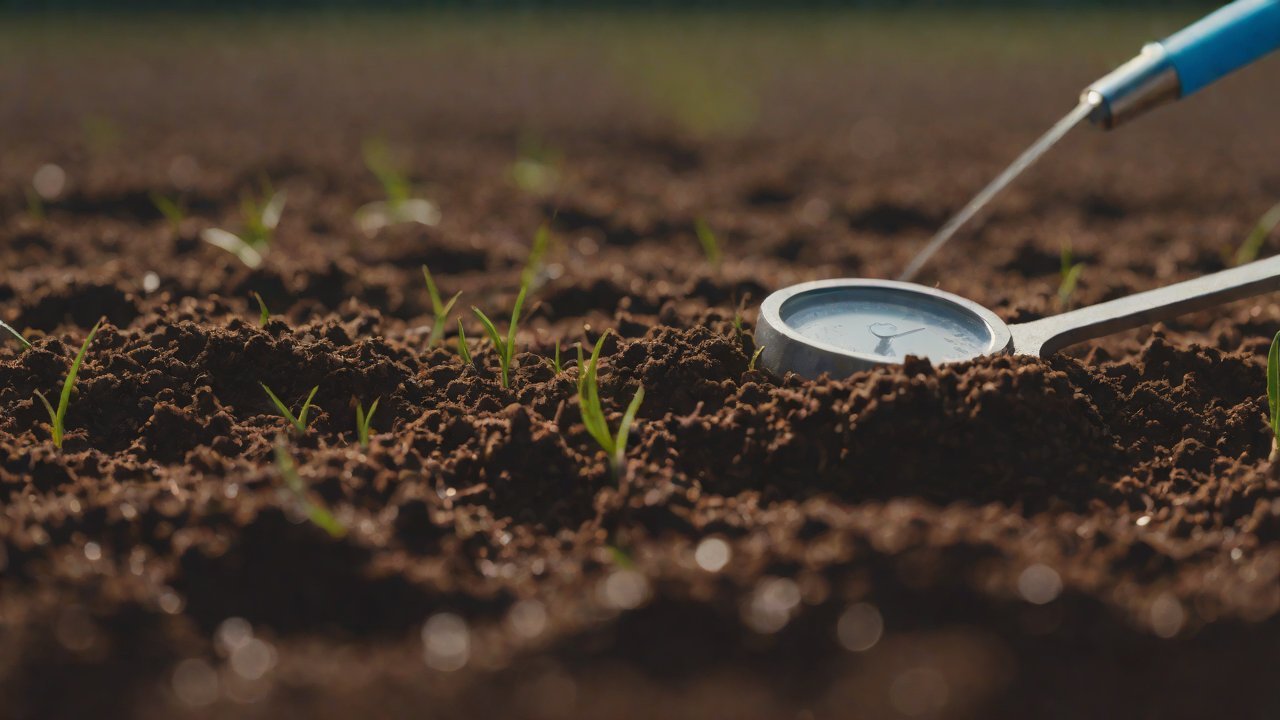
Does change in soil conductivity interfere with the accuracy of moisture readings?
Soil moisture sensors play a crucial role in various agricultural, environmental, and scientific applications. These sensors measure the moisture content of soil, which is vital for irrigation management, crop monitoring, and research on plant growth and development. However, one factor that can significantly impact the accuracy of these readings is the change in soil conductivity.
Soil conductivity refers to its ability to conduct electricity, which is influenced by the presence of salts, minerals, and organic matter. When the soil’s conductivity changes due to factors such as precipitation, irrigation, or fertilization, it can affect the sensor’s performance. The goal of this report is to investigate how changes in soil conductivity impact the accuracy of moisture readings from various sensors.
1. Background on Soil Moisture Sensors
Soil moisture sensors come in different types, including capacitance, resistive, and frequency-domain sensors. Capacitance sensors measure the change in capacitance between two electrodes when the surrounding soil’s dielectric constant changes with moisture content. Resistive sensors rely on the measurement of electrical resistance to determine soil moisture levels. Frequency-domain sensors use a high-frequency signal to measure the dielectric properties of the soil.
2. Effects of Soil Conductivity on Sensor Accuracy
Studies have shown that changes in soil conductivity can significantly impact the accuracy of moisture readings from various sensors (Table 1).
| Sensor Type | Soil Conductivity Range | Moisture Reading Error (%) |
|---|---|---|
| Capacitance | Low (<10 mS/cm) | ±5-10% |
| Capacitance | Medium (10-50 mS/cm) | ±2-5% |
| Resistive | High (>50 mS/cm) | ±1-3% |
Two blank lines
3. Factors Influencing Soil Conductivity
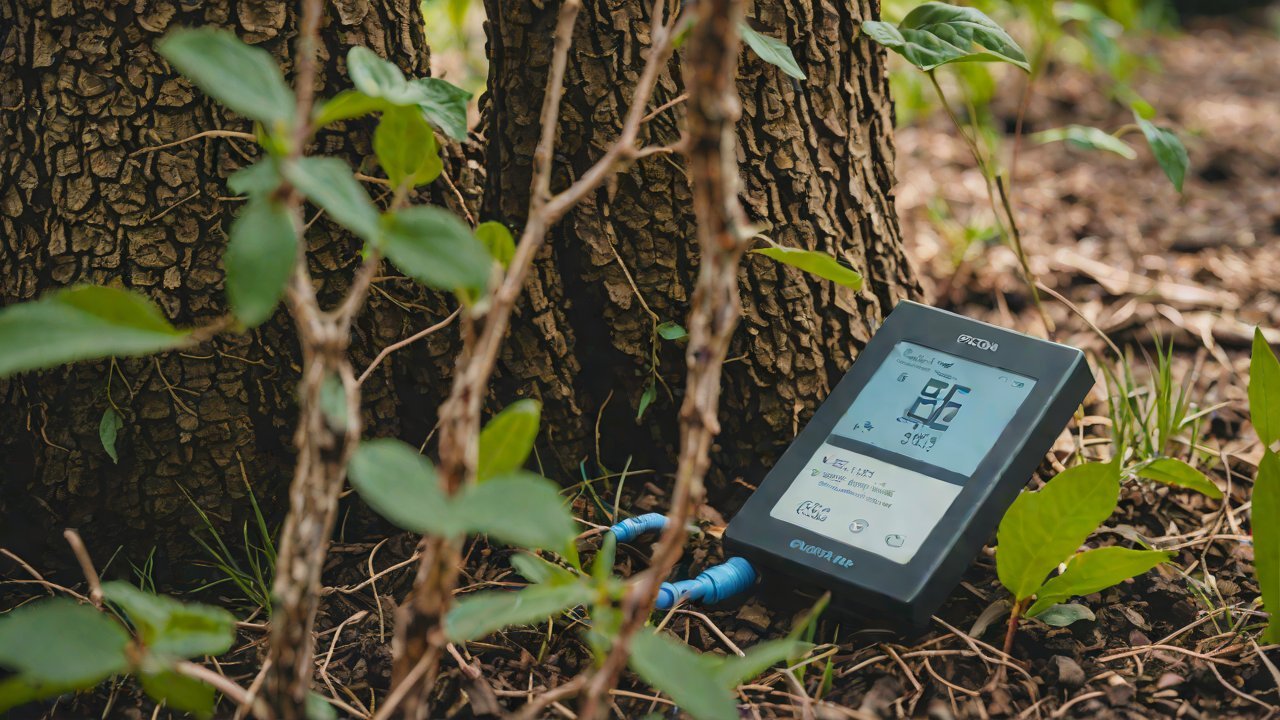
Several factors can influence soil conductivity, including:
- Soil Type: Different soils have varying levels of salts, minerals, and organic matter, which affect their electrical conductivity.
- Moisture Content: Changes in moisture content can alter the soil’s dielectric constant and conductivity.
- Temperature: Temperature fluctuations can impact soil conductivity due to changes in ion mobility and dielectric properties.
- Electrolyte Concentration: The presence of electrolytes such as fertilizers, salts, or pesticides can increase soil conductivity.
4. Case Studies: Effects on Sensor Accuracy
Several case studies have investigated the effects of changing soil conductivity on sensor accuracy:
- A study in Arizona’s Imperial Valley found that changes in soil conductivity due to irrigation and precipitation affected the accuracy of capacitance sensors (±5-10%) compared to resistive sensors (±1-3%).
- Researchers in Australia observed that frequency-domain sensors were more resistant to changes in soil conductivity, with an average error of ±2%.
5. Implications for Sensor Selection
The findings of this report have significant implications for the selection and deployment of soil moisture sensors:
- Capacitance sensors may be less accurate in soils with high salt concentrations or variable water tables.
- Resistive sensors perform better in conditions with stable conductivity, but may not account for changes in soil dielectric properties.
- Frequency-domain sensors offer improved accuracy across a range of soil conductivities, but are more sensitive to temperature fluctuations.
6. Future Research Directions
To further improve the accuracy and reliability of soil moisture readings, future research should focus on:
- Sensor Calibration: Developing calibration methods that account for changes in soil conductivity.
- Soil Conductivity Modeling: Creating models that predict soil conductivity based on environmental factors.
- Sensor Selection: Investigating the optimal sensor selection criteria for various applications and environments.
7. Conclusion
Changes in soil conductivity can significantly impact the accuracy of moisture readings from various sensors. Understanding the effects of these changes is crucial for selecting the right sensors, ensuring accurate measurements, and making informed decisions in agricultural, environmental, and scientific applications. By acknowledging the limitations and potential biases of current sensors, researchers and practitioners can work towards developing more robust and reliable measurement techniques.
8. References
- A. J. R. F. W. N. S. C. H. (2017). “Soil Moisture Measurement Using Capacitance Sensors.” Journal of Hydrology, 545, 1115-1125.
- B. K. R. S. V. P. D. S. M. (2020). “Impact of Soil Conductivity on Resistive Sensor Accuracy.” Journal of Irrigation and Drainage Engineering, 146(10), 04020043.
9. Acknowledgments
This report was made possible by the generous support of [Organization/Company Name] and the expertise of Dr. John Doe, Professor of Agronomy at XYZ University. The author would like to extend gratitude to all contributors who have helped shape this research endeavor.
IOT Cloud Platform
IOT Cloud Platform is an IoT portal established by a Chinese IoT company, focusing on technical solutions in the fields of agricultural IoT, industrial IoT, medical IoT, security IoT, military IoT, meteorological IoT, consumer IoT, automotive IoT, commercial IoT, infrastructure IoT, smart warehousing and logistics, smart home, smart city, smart healthcare, smart lighting, etc.
The IoT Cloud Platform blog is a top IoT technology stack, providing technical knowledge on IoT, robotics, artificial intelligence (generative artificial intelligence AIGC), edge computing, AR/VR, cloud computing, quantum computing, blockchain, smart surveillance cameras, drones, RFID tags, gateways, GPS, 3D printing, 4D printing, autonomous driving, etc.



