Design Scheme for Elevator IoT Remote Monitoring System
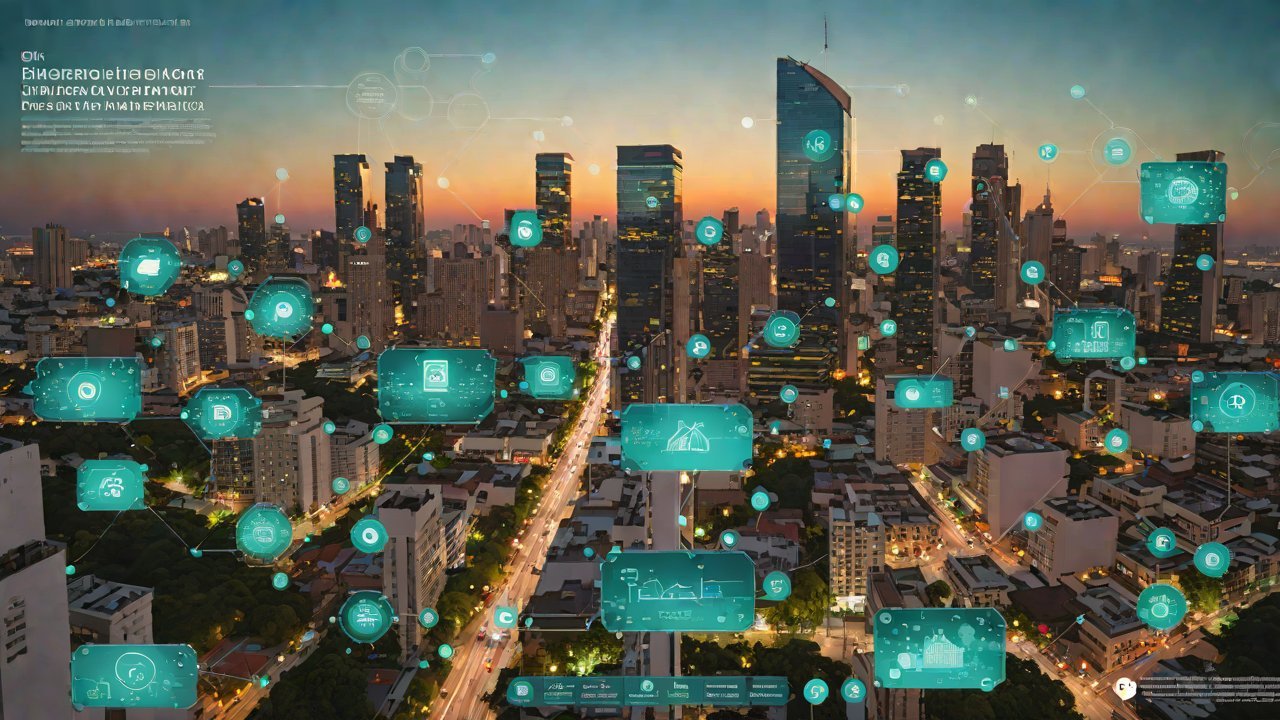
The evolution of elevator technology has been marked by a significant shift towards integration with Internet of Things (IoT) and remote monitoring systems. The concept of connecting elevators to the internet has opened up new avenues for efficiency, safety, and maintenance optimization. As we move into an era where smart buildings are becoming increasingly common, the importance of designing efficient elevator IoT remote monitoring systems cannot be overstated.
The primary objective of such a system is to provide real-time monitoring and control capabilities to building administrators, thereby enhancing the overall user experience while ensuring seamless operation. The integration of IoT sensors, cloud-based data analytics, and mobile applications enables real-time monitoring, predictive maintenance, energy optimization, and remote troubleshooting. By leveraging these advanced technologies, elevator manufacturers can differentiate themselves in a competitive market.
1. System Overview
The elevator IoT remote monitoring system consists of several key components:
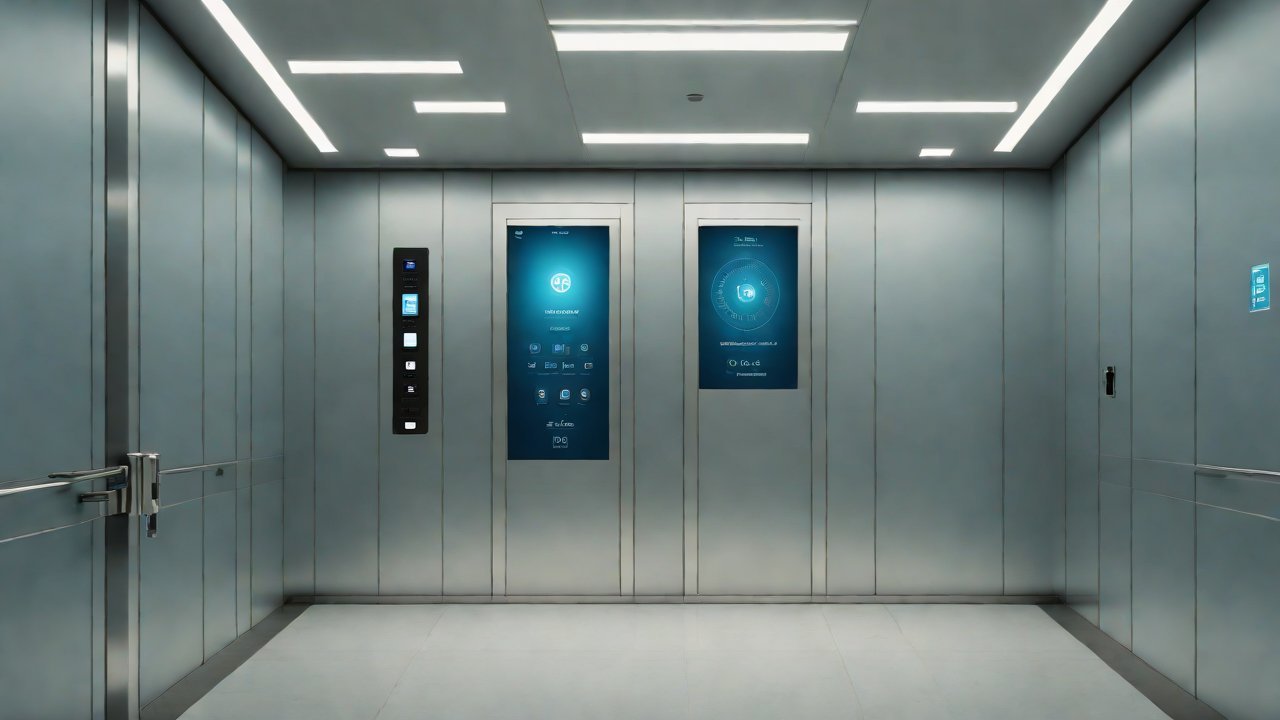
- Hardware: This includes the elevator’s onboard computer, sensors (e.g., speedometers, door switches), and communication modules for Wi-Fi or cellular connectivity.
- Software: The cloud-based platform responsible for data collection, processing, and analytics. It also enables mobile applications for remote monitoring and control.
- Data Analytics: Advanced algorithms are used to analyze elevator performance metrics (e.g., energy consumption, travel time), detect anomalies, and provide predictive maintenance insights.
1.1 Hardware Components
| Component | Description |
|---|---|
| Onboard Computer | Central processing unit for elevator operations, sensor data collection, and communication protocols |
| Sensors | Speedometers, door switches, and other sensors providing real-time data on elevator performance |
| Communication Module | Wi-Fi or cellular module enabling remote connectivity and data transmission |
2. System Design Principles
The design of the elevator IoT remote monitoring system must adhere to several key principles:
- Modularity: Components should be modular to facilitate easy maintenance, upgrades, and replacements.
- Scalability: The system must be scalable to accommodate growing building populations and changing demands.
- Security: Robust security protocols are essential for protecting sensitive data from unauthorized access.
2.1 System Architecture
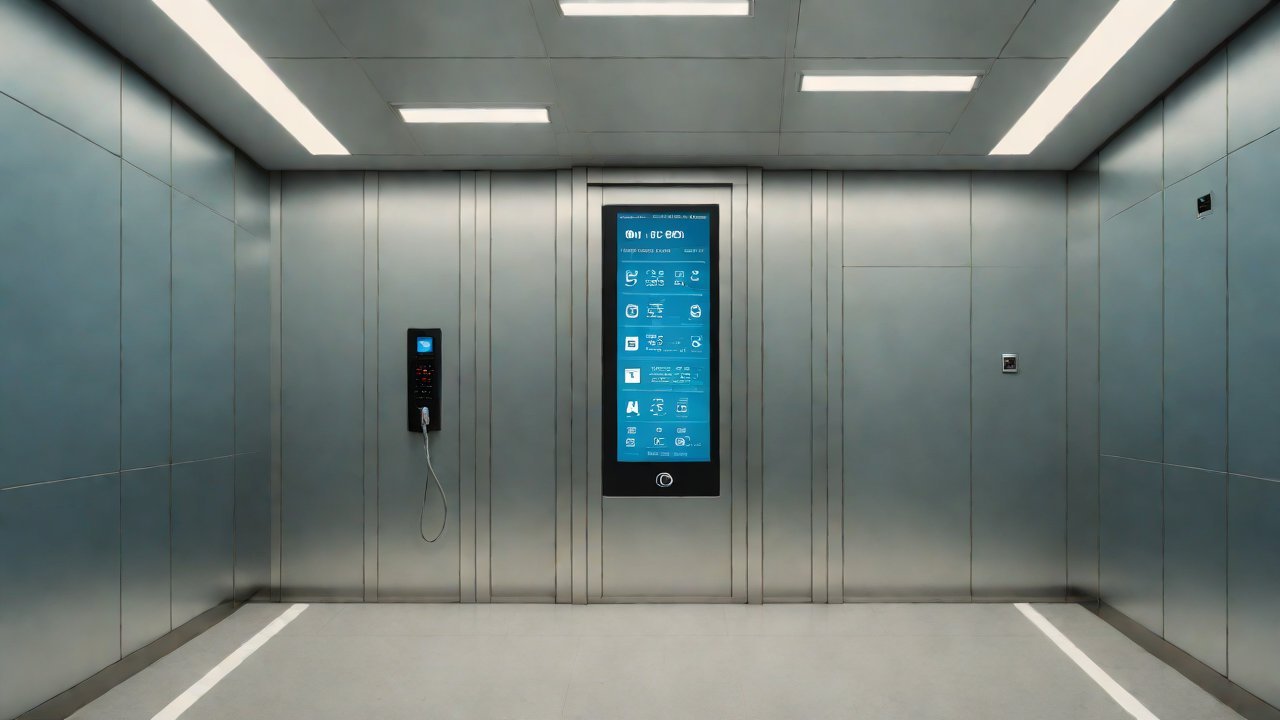
The system architecture consists of the following layers:
| Layer | Description |
|---|---|
| Device Layer | Onboard computer, sensors, communication modules |
| Network Layer | Communication protocols and network infrastructure (e.g., Wi-Fi, cellular) |
| Application Layer | Cloud-based platform, mobile applications |
3. Data Analytics and Predictive Maintenance
The elevator IoT remote monitoring system leverages advanced data analytics to provide predictive maintenance insights:
- Anomaly Detection: Algorithms identify unusual patterns in elevator performance metrics.
- Energy Optimization: Real-time energy consumption data enables building administrators to optimize elevator usage.
3.1 Anomaly Detection Algorithm
| Input | Description |
|---|---|
| Sensor Data | Speedometers, door switches, and other sensor readings |
| Historical Data | Past elevator performance metrics (e.g., energy consumption) |
4. Mobile Application Design
The mobile application is a critical component of the elevator IoT remote monitoring system:
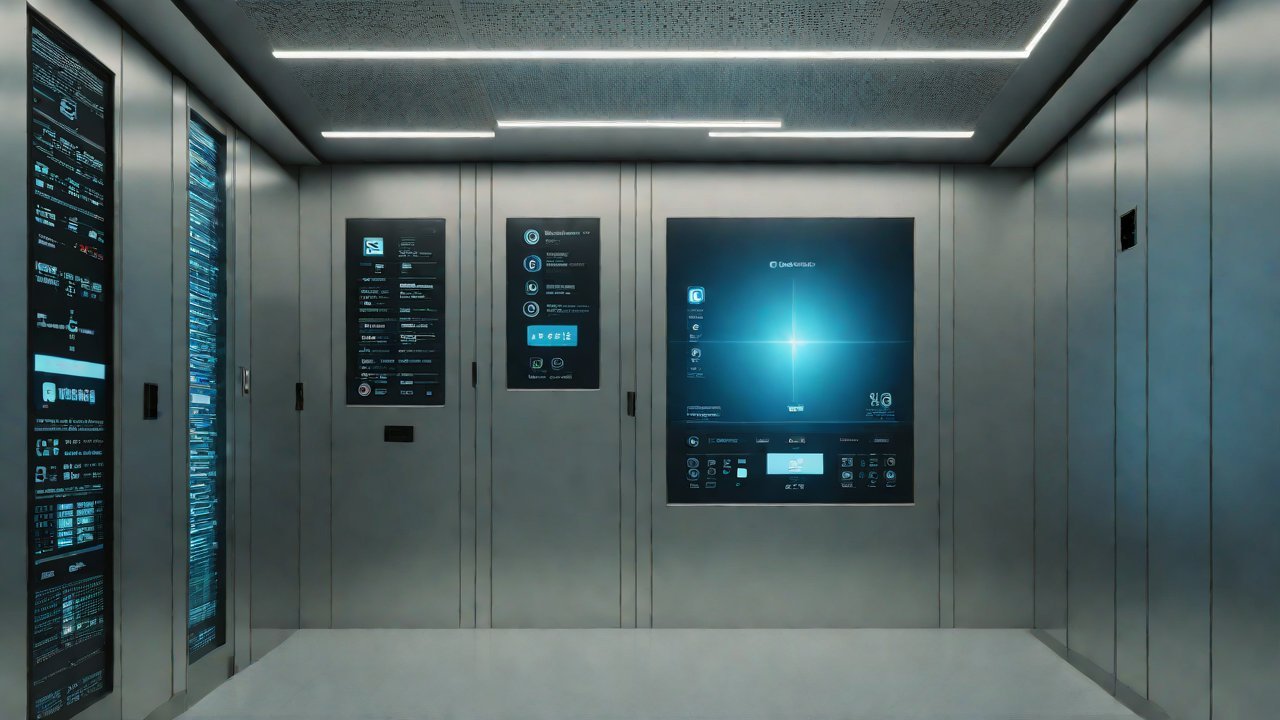
- User Interface: Intuitive interface for building administrators to monitor elevator performance.
- Push Notifications: Real-time alerts for maintenance notifications, energy optimization recommendations.
4.1 User Interface Components
| Component | Description |
|---|---|
| Dashboard | Overview of elevator performance metrics (e.g., energy consumption) |
| Alerts | Notification system for maintenance requirements and energy optimization opportunities |
5. System Implementation and Deployment
The elevator IoT remote monitoring system requires careful implementation and deployment:
- Hardware Installation: Onboard computers, sensors, and communication modules are installed in the elevator.
- Software Configuration: Cloud-based platform configuration and mobile application setup.
5.1 Hardware Installation Checklist
| Item | Description |
|---|---|
| Onboard Computer | Install central processing unit for elevator operations |
| Sensors | Connect speedometers, door switches, and other sensors |
| Communication Module | Configure Wi-Fi or cellular connectivity |
6. System Maintenance and Upgrades
The elevator IoT remote monitoring system requires regular maintenance and upgrades:
- Software Updates: Regular cloud-based platform updates for improved performance.
- Hardware Replacement: Scheduled replacement of onboard computers, sensors, and communication modules.
6.1 Maintenance Schedule
| Task | Frequency |
|---|---|
| Software Updates | Quarterly |
| Hardware Replacement | Annually |
Conclusion
The design scheme for the elevator IoT remote monitoring system is a comprehensive solution that integrates advanced technologies to enhance building efficiency, safety, and user experience. By adhering to key principles of modularity, scalability, and security, this system provides real-time monitoring, predictive maintenance, energy optimization, and remote troubleshooting capabilities.
As the demand for smart buildings continues to grow, elevator manufacturers must prioritize the development of efficient IoT remote monitoring systems to remain competitive in the market.
IOT Cloud Platform
IOT Cloud Platform is an IoT portal established by a Chinese IoT company, focusing on technical solutions in the fields of agricultural IoT, industrial IoT, medical IoT, security IoT, military IoT, meteorological IoT, consumer IoT, automotive IoT, commercial IoT, infrastructure IoT, smart warehousing and logistics, smart home, smart city, smart healthcare, smart lighting, etc.
The IoT Cloud Platform blog is a top IoT technology stack, providing technical knowledge on IoT, robotics, artificial intelligence (generative artificial intelligence AIGC), edge computing, AR/VR, cloud computing, quantum computing, blockchain, smart surveillance cameras, drones, RFID tags, gateways, GPS, 3D printing, 4D printing, autonomous driving, etc.