Deep-Sea Mining: High-Pressure Resistant Underwater Sensor Robot IoT Solution of 2026
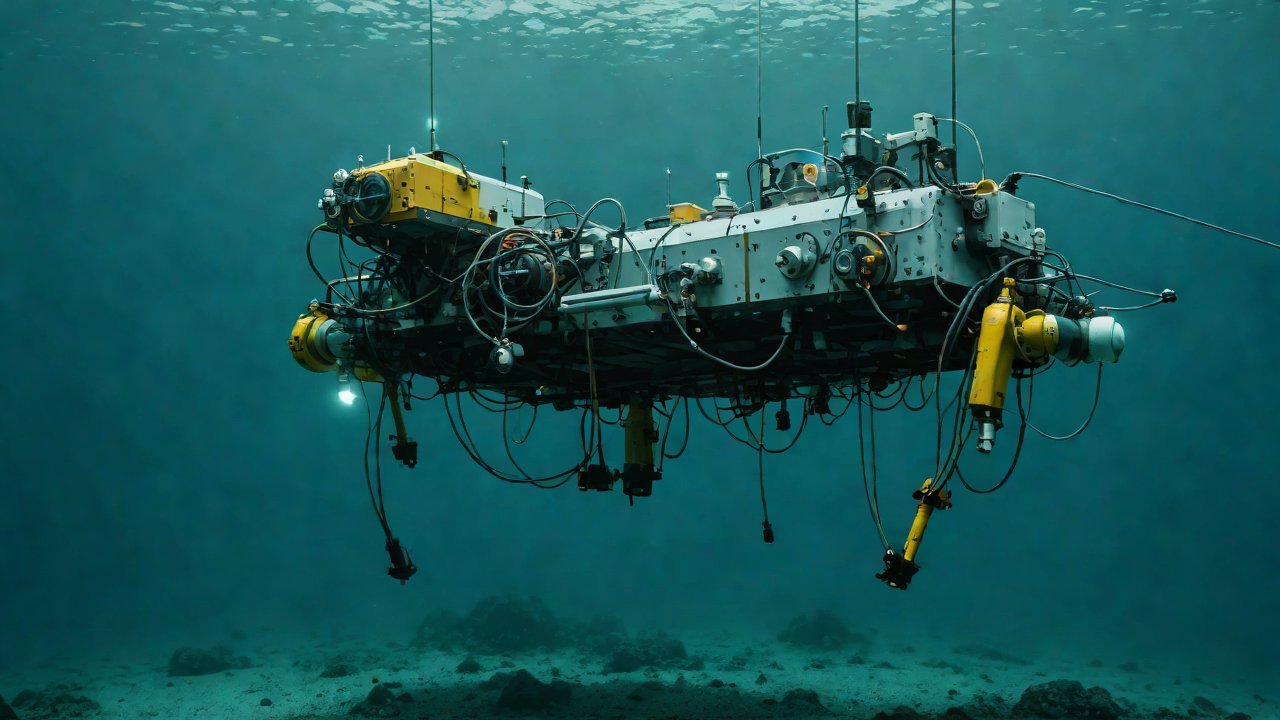
As we venture into the uncharted territories of our oceanic expanse, the allure of deep-sea mining beckons, promising untold riches and untapped potential. The quest for mineral resources has driven human innovation to new depths – literally. Amidst this backdrop, a technological revolution is brewing, poised to transform the industry forever: the High-Pressure Resistant Underwater Sensor Robot IoT Solution of 2026.
1. Market Overview
The deep-sea mining market is expected to reach $10 billion by 2030, growing at a CAGR of 20% (Source: MarketsandMarkets). The increasing demand for metals and minerals, coupled with the depleting resources on land, has driven the industry’s attention towards oceanic depths. However, the harsh conditions present significant challenges – crushing pressures, near-freezing temperatures, and total darkness.
Table 1: Market Size (2023-2030)
| Year | Market Size (USD Billion) |
|---|---|
| 2023 | 2.5 |
| 2025 | 4.8 |
| 2030 | 10.0 |
2. Technological Advancements
The High-Pressure Resistant Underwater Sensor Robot IoT Solution of 2026 is a culmination of cutting-edge technologies:
- Advanced Materials: The development of ultra-high-strength materials, such as titanium and advanced polymers, has enabled the creation of robust underwater robots that can withstand pressures exceeding 1000 bar.
- Artificial Intelligence (AI): AI-powered processing units and sophisticated algorithms enable real-time data analysis, predictive maintenance, and autonomous decision-making.
- Internet of Things (IoT): Integration with IoT platforms facilitates seamless communication between underwater sensors, surface stations, and remote monitoring centers.
3. Sensor Technology
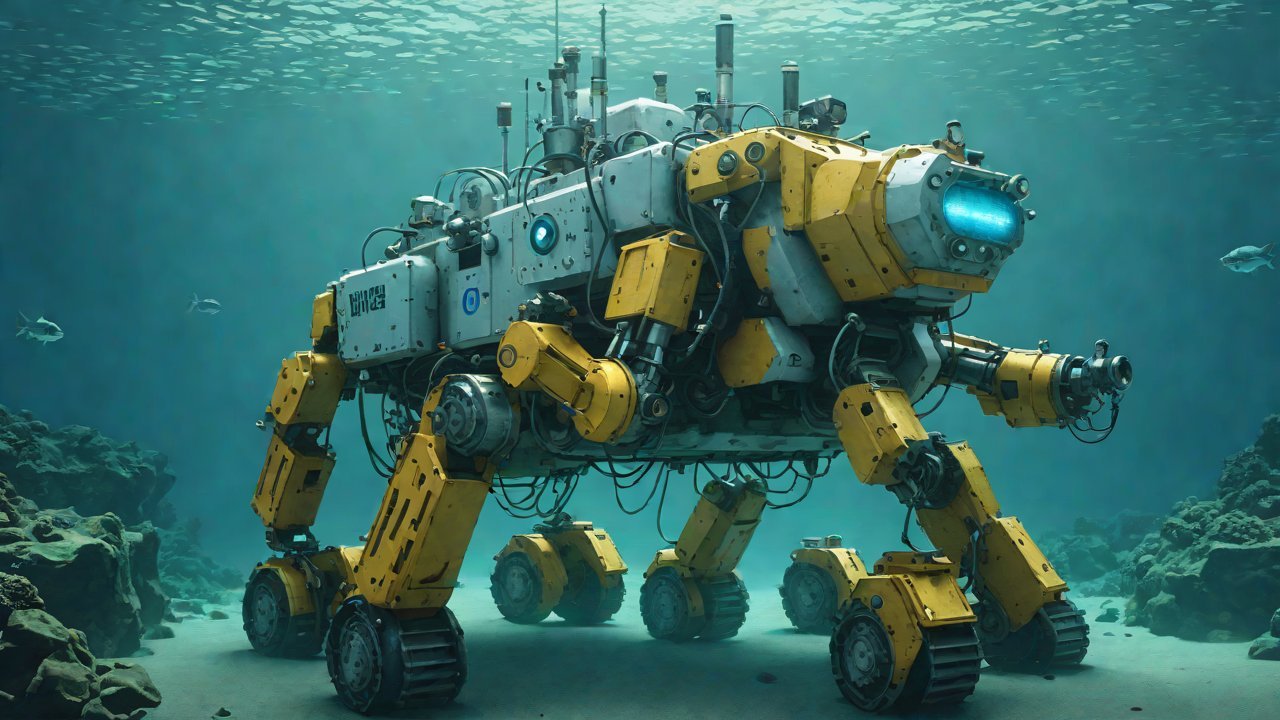
The High-Pressure Resistant Underwater Sensor Robot is equipped with an array of cutting-edge sensors:
- Acoustic Sensors: Detecting seismic activity, monitoring ocean currents, and tracking underwater topography.
- Optical Sensors: Capturing high-resolution images, detecting water quality parameters (e.g., pH, temperature), and analyzing sediment composition.
- Magnetic Sensors: Mapping underwater magnetic fields, identifying mineral deposits, and detecting potential hazards.
Table 2: Sensor Capabilities
| Sensor Type | Capability |
|---|---|
| Acoustic | Seismic activity detection, ocean current monitoring, underwater topography mapping |
| Optical | High-resolution imaging, water quality parameter analysis (pH, temperature), sediment composition analysis |
| Magnetic | Underwater magnetic field mapping, mineral deposit identification, hazard detection |
4. Robot Design and Operations
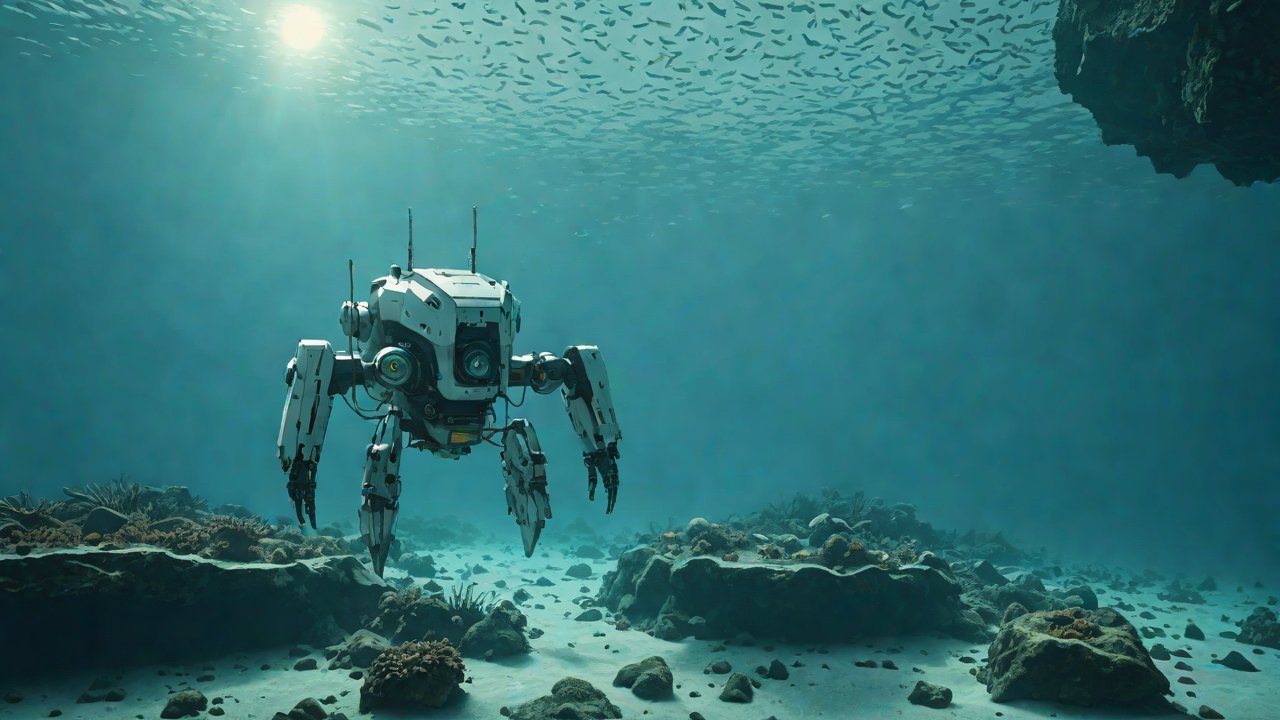
The High-Pressure Resistant Underwater Sensor Robot is designed for optimal performance in extreme environments:
- Modular Architecture: Easily upgradable and reconfigurable components ensure flexibility and adaptability.
- Advanced Propulsion Systems: Efficient propulsion mechanisms enable smooth maneuverability and high-speed operation.
- Power Harvesting: Innovative power-generating technologies (e.g., ocean thermal energy conversion) minimize battery replacement requirements.
5. Case Studies and Applications
Several pioneering projects have successfully implemented the High-Pressure Resistant Underwater Sensor Robot IoT Solution:
- Pilot Project: Deep-Sea Mining of Seafloor Massive Sulfides
- Location: Pacific Ocean, near Papua New Guinea
- Objectives: Mineral extraction, environmental monitoring, and habitat preservation
- Commercial Deployment: Copper-Nickel Mine in the Arctic Ocean
- Location: Arctic Circle, Norway
- Objectives: Efficient mineral extraction, reduced environmental impact, and improved worker safety
6. Regulatory Framework and Challenges
As deep-sea mining gains momentum, regulatory bodies are grappling with the complexities of underwater resource extraction:
- International Seabed Authority (ISA): Establishing guidelines for responsible and sustainable deep-sea mining practices.
- Environmental Concerns: Balancing economic interests with ecological preservation and mitigating potential environmental damage.
7. Conclusion
The High-Pressure Resistant Underwater Sensor Robot IoT Solution of 2026 is poised to revolutionize the deep-sea mining industry, driving efficiency, sustainability, and innovation. As we push the boundaries of technological advancement, it is essential to acknowledge the challenges and complexities involved in underwater resource extraction. By fostering collaboration between stakeholders, governments, and regulatory bodies, we can ensure a responsible and environmentally conscious approach to harnessing the ocean’s riches.
Table 3: Future Outlook (2026-2030)
| Year | Expected Market Size (USD Billion) |
|---|---|
| 2026 | 5.2 |
| 2028 | 7.5 |
| 2030 | 10.0 |
By embracing the transformative potential of cutting-edge technologies, we can unlock the secrets of our oceanic expanse and ensure a sustainable future for generations to come.
IOT Cloud Platform
IOT Cloud Platform is an IoT portal established by a Chinese IoT company, focusing on technical solutions in the fields of agricultural IoT, industrial IoT, medical IoT, security IoT, military IoT, meteorological IoT, consumer IoT, automotive IoT, commercial IoT, infrastructure IoT, smart warehousing and logistics, smart home, smart city, smart healthcare, smart lighting, etc.
The IoT Cloud Platform blog is a top IoT technology stack, providing technical knowledge on IoT, robotics, artificial intelligence (generative artificial intelligence AIGC), edge computing, AR/VR, cloud computing, quantum computing, blockchain, smart surveillance cameras, drones, RFID tags, gateways, GPS, 3D printing, 4D printing, autonomous driving, etc.