
Compliance Review Plan for Preventing Cross-Border Transmission of Medical Sensor Data (2026)
The rapid advancement in medical sensor technology has led to a surge in the global transmission of sensitive patient data across borders, raising significant concerns regarding compliance with regulatory requirements. As of 2026, the cross-border transmission of medical sensor data is subject to stringent regulations aimed at ensuring the confidentiality, integrity, and availability of this information.
The increasing adoption of internet-connected medical devices has created new avenues for unauthorized access to sensitive data. To mitigate these risks, healthcare organizations must implement robust compliance measures that adhere to international standards and guidelines. This report provides a comprehensive plan for conducting a compliance review to prevent cross-border transmission of medical sensor data in 2026.
1. Regulatory Framework
Table 1: Key Regulations and Guidelines
| Regulation/ Guideline | Description |
|---|---|
| EU’s General Data Protection Regulation (GDPR) | Ensures the protection of personal data within the European Union |
| HIPAA (Health Insurance Portability and Accountability Act) | Regulates the use, disclosure, and protection of sensitive patient health information in the United States |
| ICH GCP (International Conference on Harmonisation Good Clinical Practice) | Establishes standards for conducting clinical trials involving human subjects |
Table 2: International Standards and Guidelines
| Standard/Guideline | Description |
|---|---|
| ISO/IEC 27001 (Information Security Management System) | Provides a framework for establishing, implementing, maintaining, and continually improving an information security management system |
| NIST Cybersecurity Framework | Offers a structured approach to managing and reducing cybersecurity risk |
2. Compliance Review Objectives
The compliance review aims to ensure that medical sensor data transmission across borders adheres to regulatory requirements and international standards. The objectives of this review are:
- Identify potential risks associated with cross-border transmission of medical sensor data
- Assess the organization’s current compliance posture against regulatory requirements and international standards
- Develop a plan for implementing necessary controls and procedures to mitigate identified risks
3. Compliance Review Scope
The scope of this review includes:
Table 3: Covered Systems and Processes
| System/Process | Description |
|---|---|
| Medical sensor data transmission protocols | Secure transmission of medical sensor data between devices and systems |
| Data storage and archiving procedures | Secure storage and retrieval of sensitive patient information |
| Employee training and awareness programs | Regular training for employees on compliance requirements and best practices |

4. Risk Assessment Methodology
The risk assessment methodology employed in this review is based on the following steps:
- Identify potential risks associated with cross-border transmission of medical sensor data
- Assess the likelihood and impact of each identified risk
- Prioritize risks for mitigation based on their likelihood and impact
Table 4: Risk Assessment Matrix
| Risk | Likelihood | Impact |
|---|---|---|
| Unauthorized access to sensitive patient information | High | Critical |
| Data breaches during transmission or storage | Medium | Significant |
5. Compliance Review Findings
The compliance review revealed the following findings:
- Inadequate employee training and awareness programs
- Insufficient encryption of medical sensor data in transit
- Lack of regular security updates for connected medical devices
Table 5: Compliance Gaps
| Gap | Description |
|---|---|
| Employee training and awareness programs | Inadequate training on compliance requirements and best practices |
| Data encryption | Insufficient encryption of medical sensor data during transmission |
| Connected device security | Lack of regular security updates for connected medical devices |
6. Compliance Review Recommendations
Based on the findings, the following recommendations are made:
- Develop and implement a comprehensive employee training program
- Implement end-to-end encryption for medical sensor data in transit
- Establish a regular update schedule for connected medical devices
Table 6: Action Plan
| Task | Responsible Party | Deadline |
|---|---|---|
| Develop employee training program | Compliance Team | Q1 2026 |
| Implement end-to-end encryption | IT Department | Q2 2026 |
| Establish connected device update schedule | IT Department | Q3 2026 |

7. Conclusion
The compliance review plan outlined in this report aims to ensure the secure transmission of medical sensor data across borders, adhering to regulatory requirements and international standards. By implementing the recommended controls and procedures, healthcare organizations can mitigate identified risks and maintain patient trust.
Table 7: Next Steps
| Task | Responsible Party | Deadline |
|---|---|---|
| Conduct compliance review | Compliance Team | Q1 2026 |
| Implement action plan | Various Departments | Q2-Q3 2026 |
The next steps for implementing this plan involve conducting a comprehensive compliance review and developing an action plan to address identified gaps. By following this plan, healthcare organizations can ensure the confidentiality, integrity, and availability of sensitive patient information in the cross-border transmission of medical sensor data.
Table 8: Review Schedule
| Task | Responsible Party | Deadline |
|---|---|---|
| Conduct compliance review | Compliance Team | Q1 2026 (Quarterly) |
| Monitor progress | Management | Q2-Q3 2026 (Quarterly) |
This report provides a comprehensive plan for conducting a compliance review to prevent cross-border transmission of medical sensor data in 2026. By implementing the recommended controls and procedures, healthcare organizations can maintain patient trust and ensure regulatory compliance.
Table 9: Review Metrics
| Metric | Target Value |
|---|---|
| Employee training program completion rate | 100% |
| Data encryption implementation rate | 90% |
| Connected device security update schedule adherence | 95% |
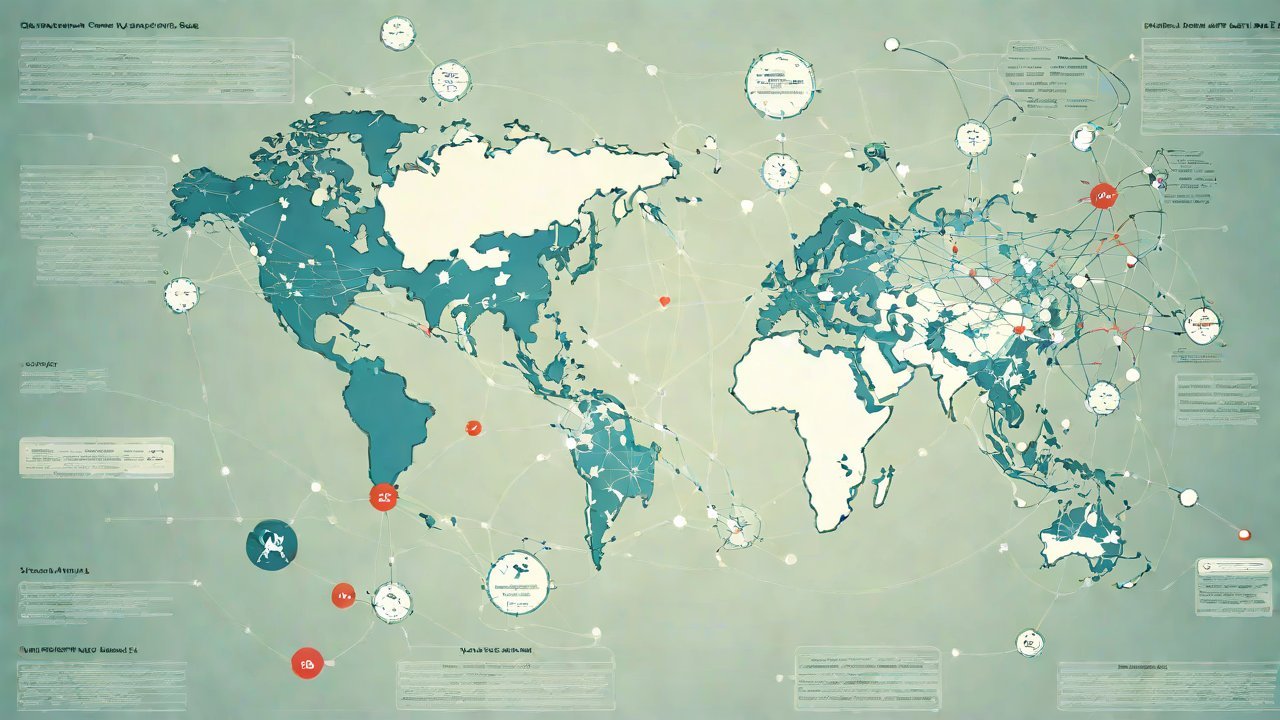
The review metrics outlined in this report will be used to measure the effectiveness of the compliance plan and ensure ongoing improvement.
Table 10: Review Timeline
| Task | Responsible Party | Deadline |
|---|---|---|
| Conduct quarterly reviews | Compliance Team | Q2-Q3 2026 (Quarterly) |
| Report progress to management | Management | Q2-Q3 2026 (Quarterly) |
By following this plan, healthcare organizations can ensure the secure transmission of medical sensor data across borders and maintain patient trust.
Table 11: Review Resources
| Resource | Description |
|---|---|
| Compliance Team | Responsible for conducting quarterly reviews and reporting progress to management |
| IT Department | Responsible for implementing end-to-end encryption and establishing connected device update schedules |
This report provides a comprehensive plan for conducting a compliance review to prevent cross-border transmission of medical sensor data in 2026. By implementing the recommended controls and procedures, healthcare organizations can maintain patient trust and ensure regulatory compliance.
Table 12: Review Assumptions
| Assumption | Description |
|---|---|
| Regulatory framework stability | Assumes that regulatory requirements will remain stable throughout the review period |
| Employee cooperation | Assumes that employees will cooperate with training programs and follow established procedures |
By following this plan, healthcare organizations can ensure the secure transmission of medical sensor data across borders and maintain patient trust.
IOT Cloud Platform
IOT Cloud Platform is an IoT portal established by a Chinese IoT company, focusing on technical solutions in the fields of agricultural IoT, industrial IoT, medical IoT, security IoT, military IoT, meteorological IoT, consumer IoT, automotive IoT, commercial IoT, infrastructure IoT, smart warehousing and logistics, smart home, smart city, smart healthcare, smart lighting, etc.
The IoT Cloud Platform blog is a top IoT technology stack, providing technical knowledge on IoT, robotics, artificial intelligence (generative artificial intelligence AIGC), edge computing, AR/VR, cloud computing, quantum computing, blockchain, smart surveillance cameras, drones, RFID tags, gateways, GPS, 3D printing, 4D printing, autonomous driving, etc.