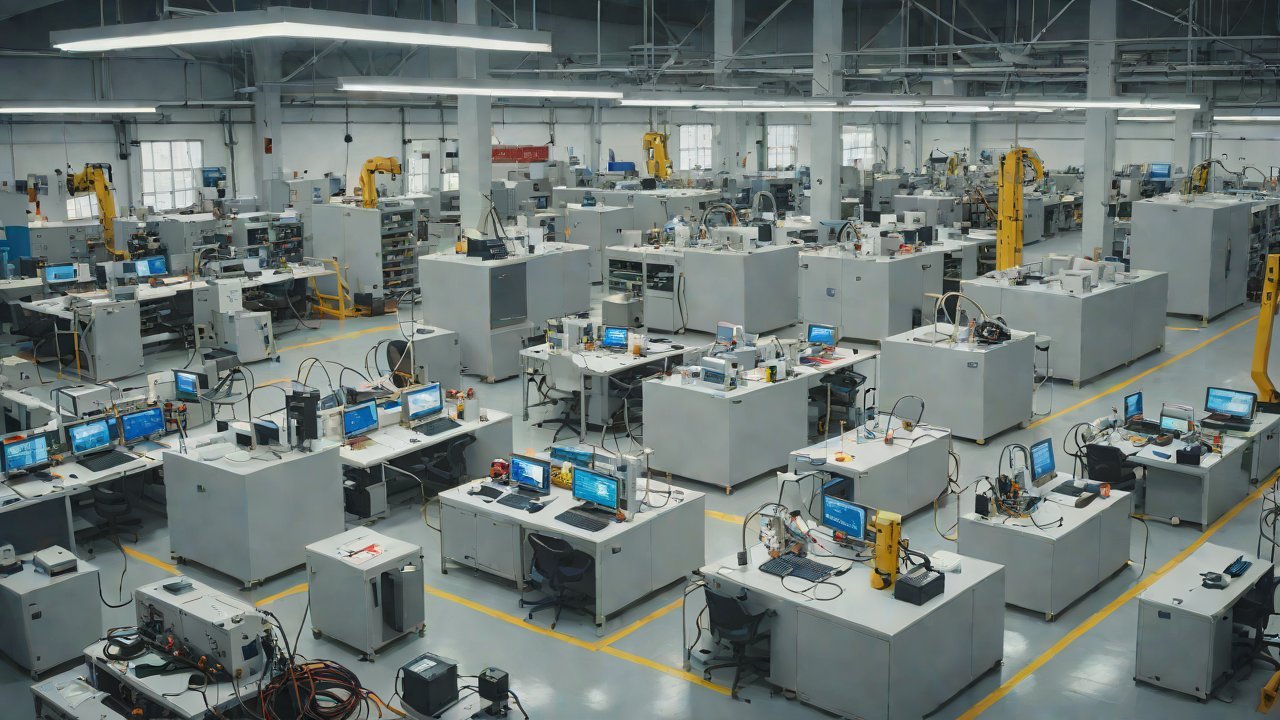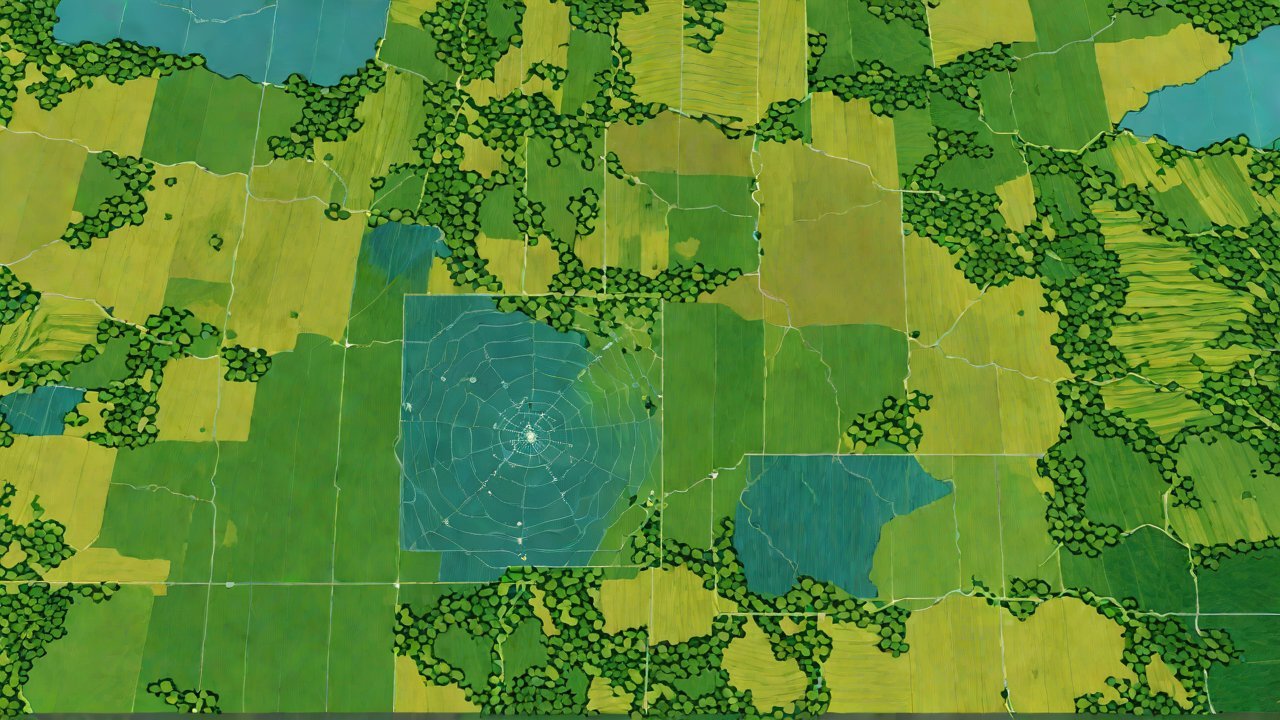
Combined with meteorological data, can the algorithm calculate the real-time transpiration rate of crops?
The intricate dance between crop growth and environmental factors is a complex phenomenon that has been studied extensively in various fields of agriculture and meteorology. At its core, understanding the transpiration rate of crops is crucial for optimizing irrigation systems, predicting water scarcity, and ensuring sustainable agricultural practices. Recent advancements in artificial intelligence (AI) and machine learning (ML) have enabled the development of sophisticated algorithms capable of processing vast amounts of data from various sources, including weather patterns.
1. Background and Context
Transpiration refers to the process by which plants release water vapor into the atmosphere through their leaves. This process is essential for maintaining plant growth, regulating temperature, and influencing local climate conditions. However, transpiration rates can vary significantly depending on environmental factors such as temperature, humidity, wind speed, and soil moisture.
Meteorological data provides valuable insights into these factors, enabling farmers to make informed decisions about irrigation schedules and crop management strategies. With the advent of digital technologies, it is now possible to integrate meteorological data with AI-driven algorithms to estimate transpiration rates in real-time.
2. Algorithmic Approaches
Several algorithmic approaches can be employed to calculate real-time transpiration rates using meteorological data. Some of these include:
| Algorithm | Description |
|---|---|
| Penman-Monteith | A widely used equation for estimating evapotranspiration, which takes into account solar radiation, temperature, humidity, and wind speed. |
| Priestley-Taylor | A simplified version of the Penman-Monteith equation that is often used in regions with limited data availability. |
| FAO-56 | A standardized method developed by the Food and Agriculture Organization (FAO) for estimating crop water requirements based on climate data. |
3. Integration with Meteorological Data
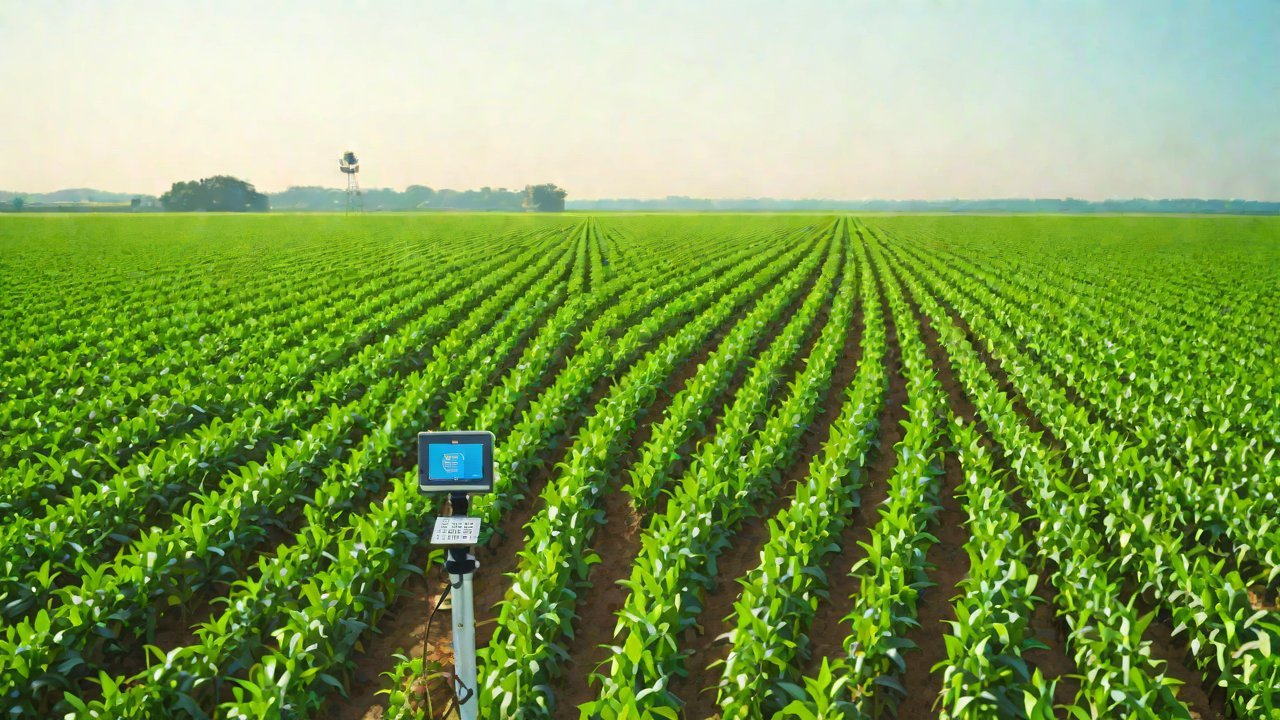
To calculate real-time transpiration rates, meteorological data must be integrated into AI-driven algorithms. This can be achieved through various methods, including:
- Data Fusion: Combining multiple data sources, such as satellite imagery, weather stations, and soil moisture sensors, to generate a comprehensive understanding of environmental conditions.
- Machine Learning: Training ML models on historical data to predict transpiration rates based on patterns and relationships between meteorological factors.
- Deep Learning: Employing deep neural networks to analyze complex spatial and temporal relationships within meteorological data.
4. Challenges and Limitations
While AI-driven algorithms hold promise for estimating real-time transpiration rates, several challenges and limitations must be addressed:
- Data Quality: Inconsistent or inaccurate meteorological data can compromise the accuracy of transpiration rate estimates.
- Algorithmic Complexity: Developing and training ML models requires significant expertise and computational resources.
- Scalability: Integrating AI-driven algorithms with existing agricultural management systems can be a complex task.
5. Market Applications
The integration of AI-driven algorithms with meteorological data has numerous market applications, including:
- Precision Irrigation Systems: Optimizing water usage through real-time transpiration rate estimates and automated irrigation control.
- Crop Yield Prediction: Enhancing crop forecasting capabilities by incorporating real-time environmental data into ML models.
- Water Resource Management: Predicting water scarcity and optimizing water allocation strategies for agricultural and urban purposes.
6. Conclusion
The integration of AI-driven algorithms with meteorological data has the potential to revolutionize our understanding of crop transpiration rates in real-time. While challenges and limitations exist, the benefits of improved irrigation management, enhanced crop forecasting, and optimized water resource allocation make this technology an attractive area for further research and development.
By combining advanced algorithmic approaches with high-quality meteorological data, we can unlock new insights into the intricate relationships between crops, climate, and water resources. This knowledge will be essential for ensuring sustainable agricultural practices, predicting and mitigating the impacts of climate change, and promoting food security in an increasingly complex world.
IOT Cloud Platform
IOT Cloud Platform is an IoT portal established by a Chinese IoT company, focusing on technical solutions in the fields of agricultural IoT, industrial IoT, medical IoT, security IoT, military IoT, meteorological IoT, consumer IoT, automotive IoT, commercial IoT, infrastructure IoT, smart warehousing and logistics, smart home, smart city, smart healthcare, smart lighting, etc.
The IoT Cloud Platform blog is a top IoT technology stack, providing technical knowledge on IoT, robotics, artificial intelligence (generative artificial intelligence AIGC), edge computing, AR/VR, cloud computing, quantum computing, blockchain, smart surveillance cameras, drones, RFID tags, gateways, GPS, 3D printing, 4D printing, autonomous driving, etc.
Note: This article was professionally generated with the assistance of AIGC and has been fact-checked and manually corrected by IoT expert editor IoTCloudPlatForm.