Can unmanned factories autonomously shut down using residual kinetic energy after a complete power outage?
Unmanned factories, also known as smart factories or Industry 4.0 facilities, are revolutionizing the manufacturing landscape with their advanced automation and artificial intelligence capabilities. These factories rely heavily on complex systems and machinery to operate, often with a high degree of autonomy. However, a critical question arises when considering the resilience of these facilities in the event of a complete power outage: can unmanned factories autonomously shut down using residual kinetic energy?
The concept of residual kinetic energy refers to the remaining energy stored in a system or component after a power outage. In the context of unmanned factories, this energy could potentially be harnessed to initiate a controlled shutdown sequence, preventing damage to equipment and minimizing the risk of injury to personnel. However, the feasibility of such a scenario depends on various factors, including the design and architecture of the factory, the type and configuration of machinery, and the level of automation and control.
1. Unmanned Factory Architecture and Automation
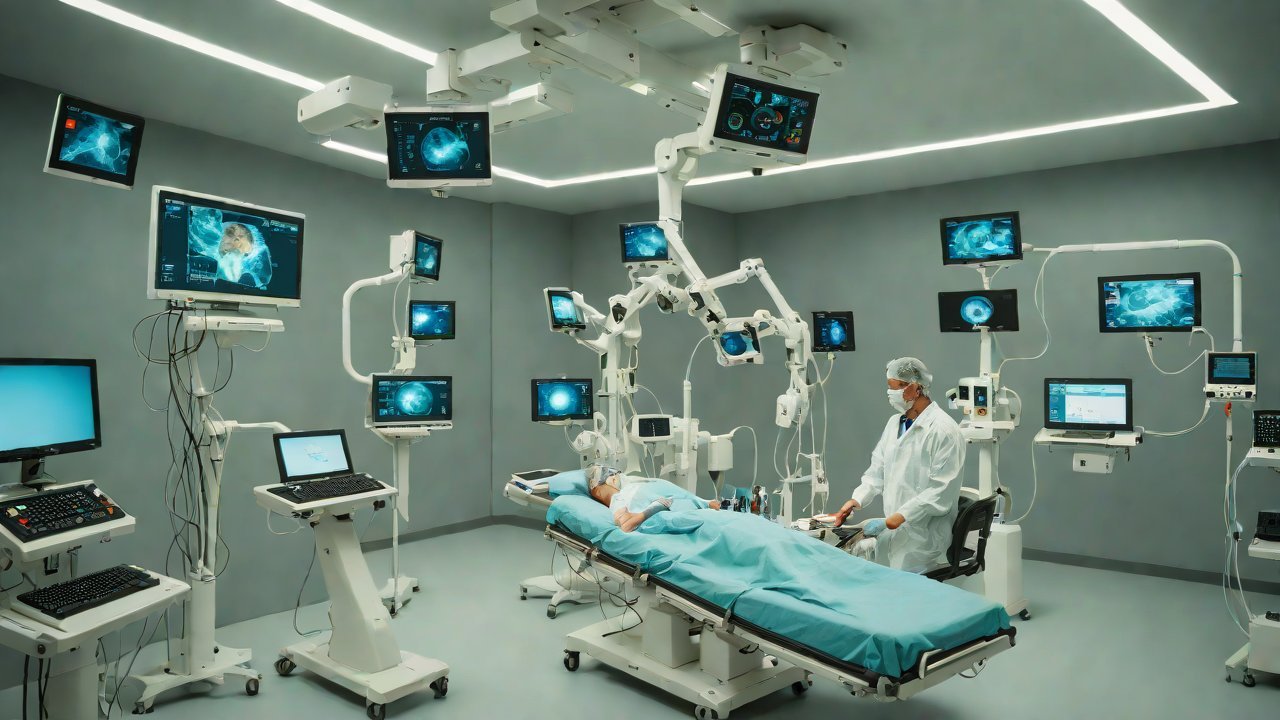
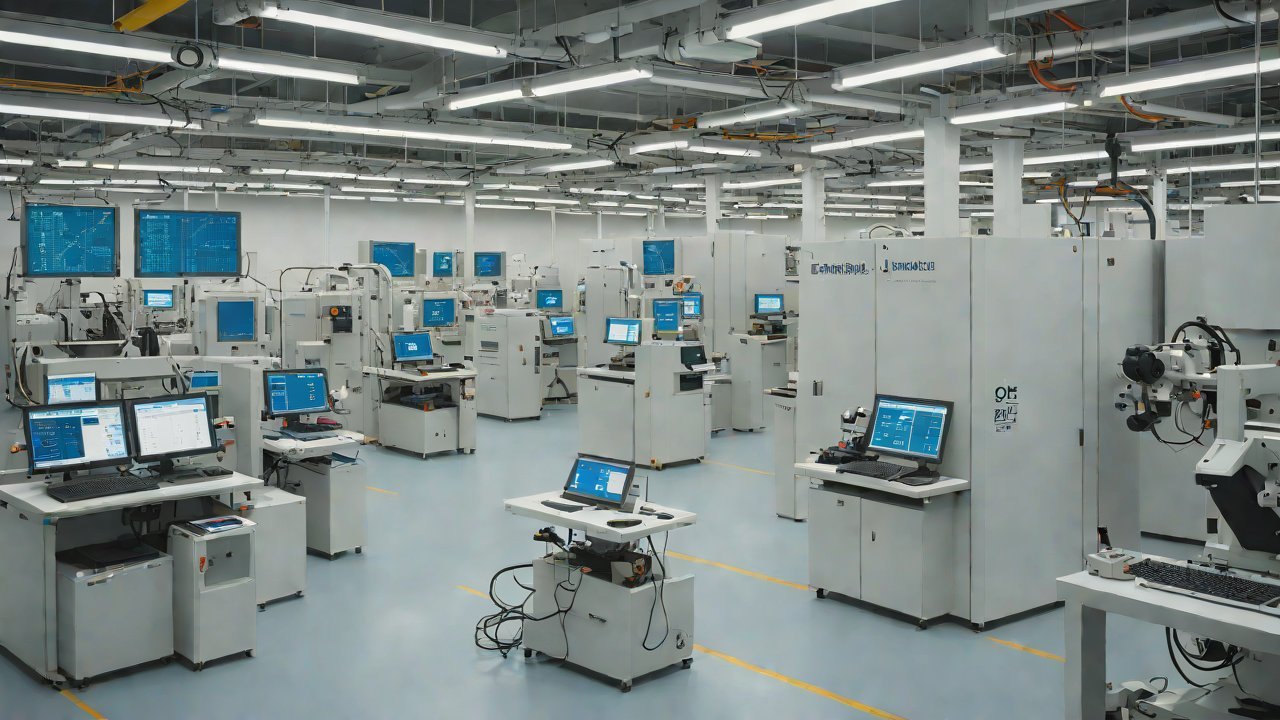
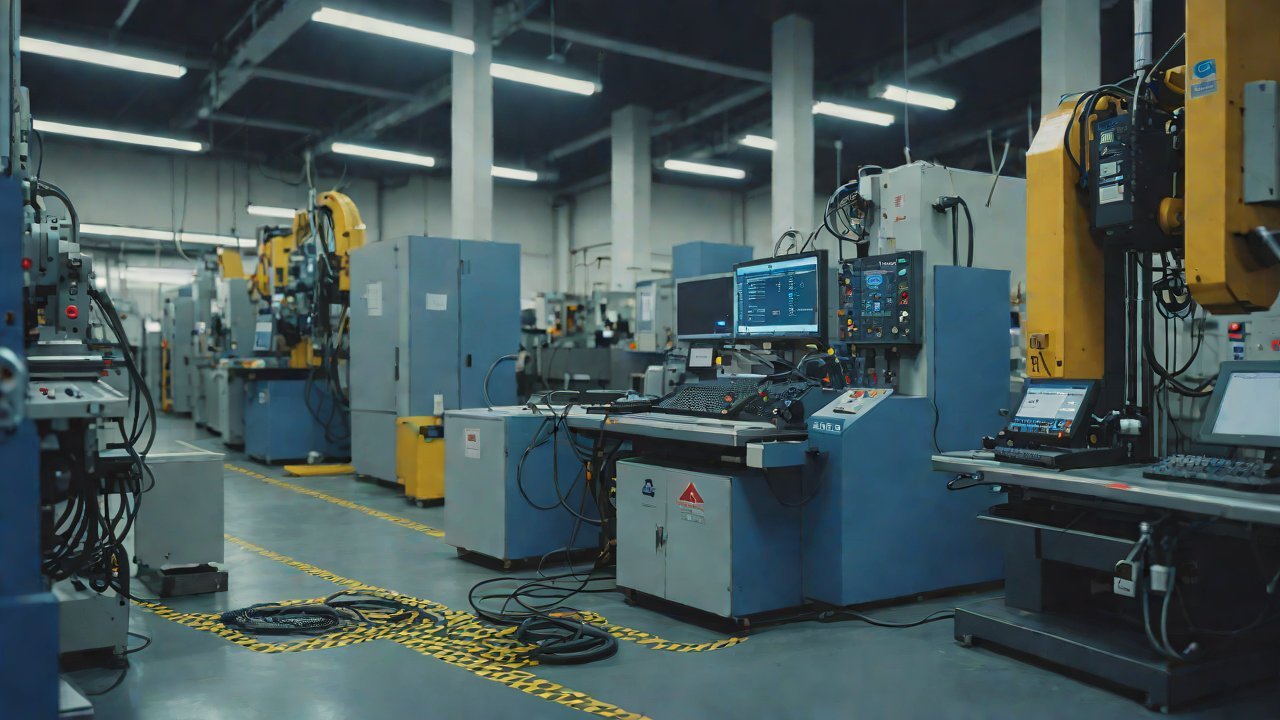
Unmanned factories are typically designed with a high degree of automation, featuring advanced control systems, robotics, and IoT sensors. These systems enable real-time monitoring and control of production processes, optimizing efficiency and productivity. The architecture of an unmanned factory can be broadly categorized into several key components:
- Production Line: This is the core of the factory, where raw materials are transformed into finished products through a series of manufacturing processes.
- Automation and Control Systems: These systems include robots, CNC machines, and other automated equipment, which are controlled by advanced software and algorithms.
- IoT Sensors and Monitoring Systems: These sensors and systems provide real-time data on production metrics, equipment performance, and environmental conditions.
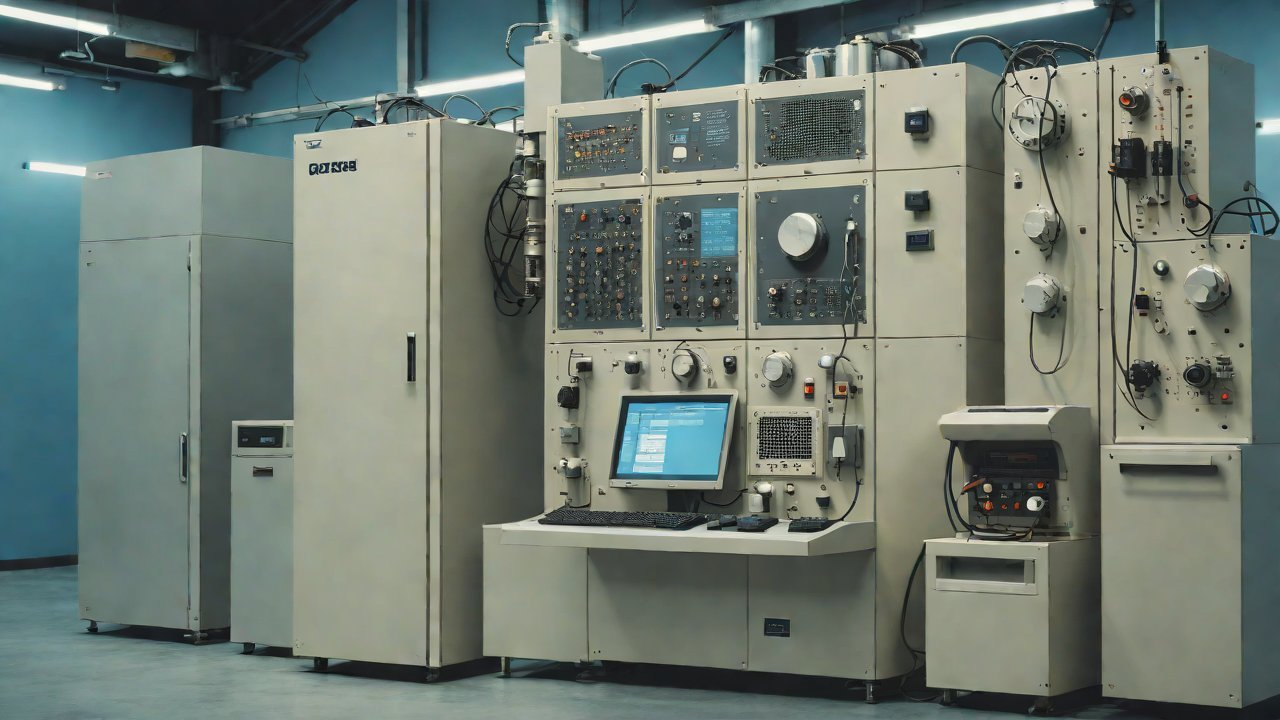
- Energy and Power Distribution: This component includes the power generation, transmission, and distribution infrastructure, as well as backup power systems.
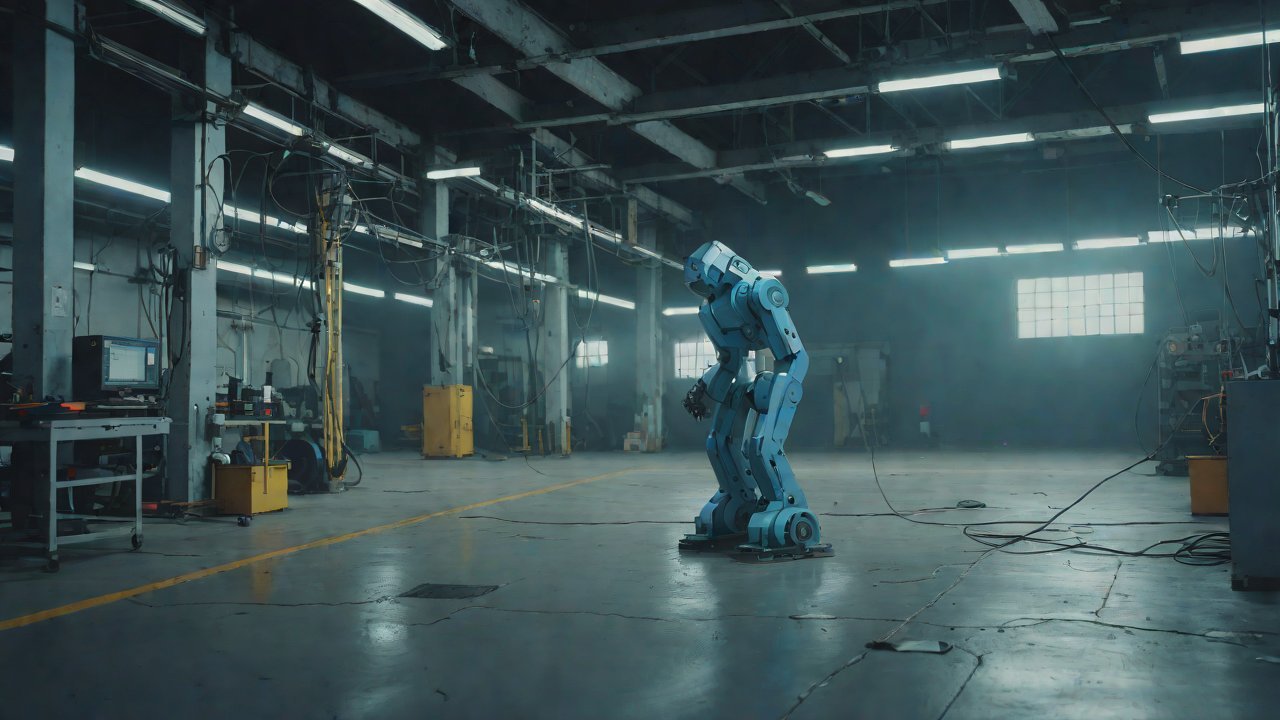
2. Residual Kinetic Energy and Shutdown Sequences
Residual kinetic energy can be harnessed in various ways to initiate a controlled shutdown sequence in an unmanned factory. Some possible approaches include:
- Energy Storage Systems: These systems, such as batteries or supercapacitors, can store excess energy generated by the factory’s machinery and release it to power the shutdown sequence.
- Flywheels and Kinetic Energy Storage: Flywheels can store rotational energy, which can be released to power the shutdown sequence.
- Regenerative Braking Systems: These systems can capture kinetic energy from moving machinery and convert it into electrical energy, which can be used to power the shutdown sequence.
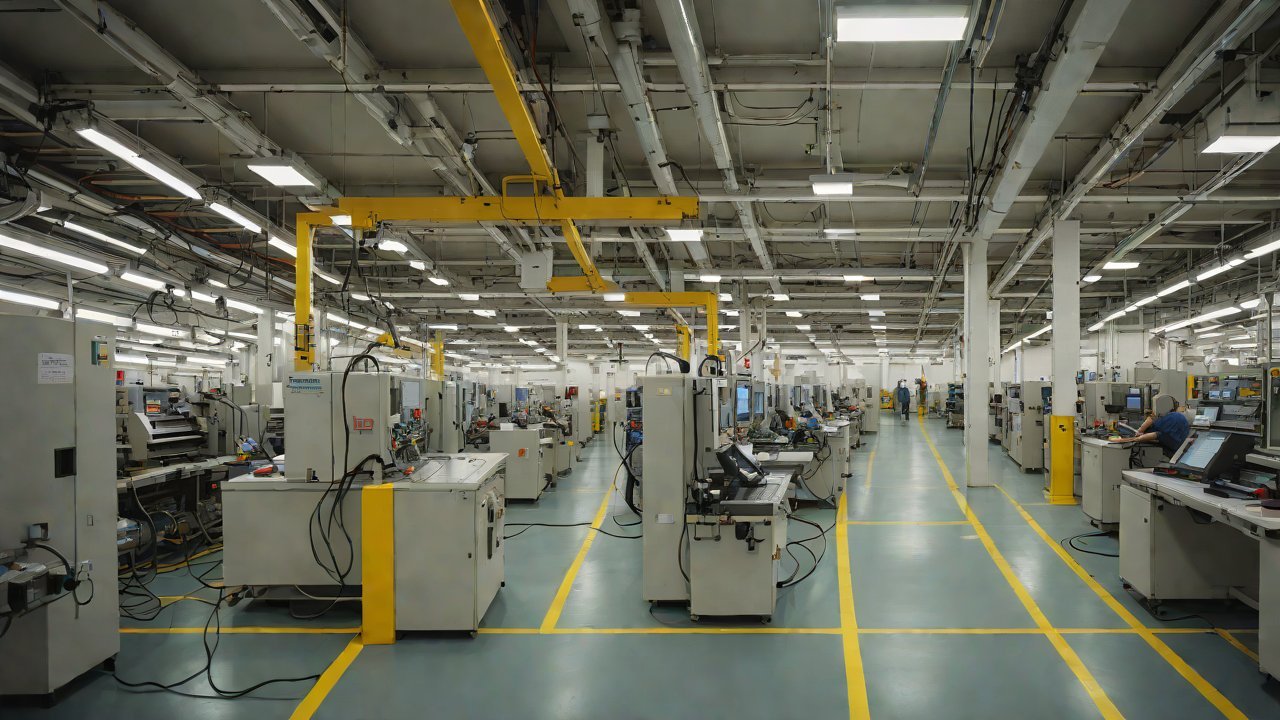
3. Market Data and AIGC Perspectives
The market for unmanned factories and automation technologies is rapidly growing, driven by the increasing demand for efficiency, productivity, and flexibility in manufacturing processes. According to a report by Grand View Research, the global automation market is expected to reach USD 245.4 billion by 2025, growing at a CAGR of 9.2% during the forecast period.
From an AIGC (Artificial Intelligence and General Computing) perspective, the development of advanced automation and control systems is crucial for the successful implementation of unmanned factories. These systems must be able to learn from experience, adapt to changing conditions, and make decisions in real-time to ensure optimal performance and efficiency.
4. Technical Challenges and Limitations
While the concept of harnessing residual kinetic energy to initiate a controlled shutdown sequence in unmanned factories is intriguing, several technical challenges and limitations must be addressed. These include:
- Energy Storage and Release: The efficient storage and release of residual kinetic energy is critical for a successful shutdown sequence.
- System Complexity and Interoperability: The complexity of modern automation systems and the need for interoperability between different components and systems can create challenges for the implementation of a residual kinetic energy-based shutdown sequence.
- Scalability and Flexibility: The scalability and flexibility of the system are essential to accommodate varying production volumes and product mixes.
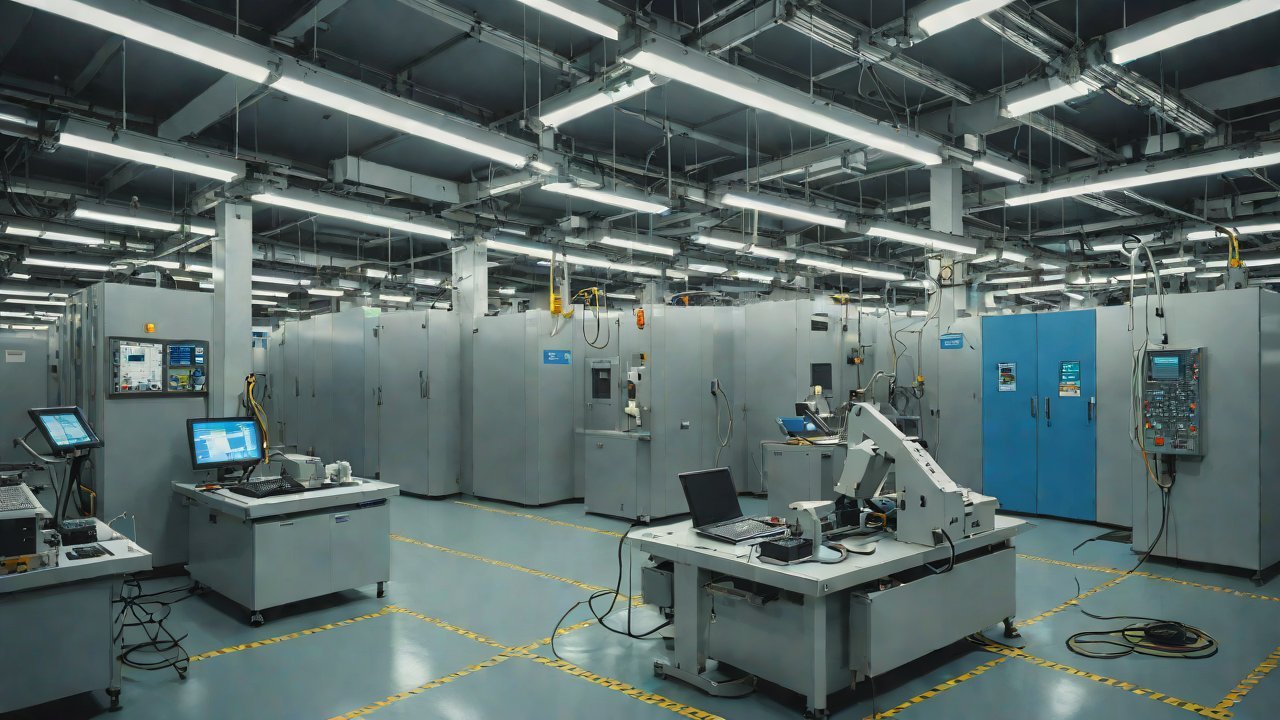
5. Case Studies and Industry Examples
Several case studies and industry examples demonstrate the potential of harnessing residual kinetic energy to initiate a controlled shutdown sequence in unmanned factories. These include:
- Siemens’ Industry 4.0 Factory: Siemens’ Industry 4.0 factory in Berlin features advanced automation and control systems, including energy storage and release systems, which enable a controlled shutdown sequence in the event of a power outage.
- ABB’s Robotics and Automation: ABB’s robotics and automation solutions for unmanned factories include advanced control systems and energy storage and release systems, which enable a controlled shutdown sequence in the event of a power outage.
6. Conclusion
In conclusion, the concept of harnessing residual kinetic energy to initiate a controlled shutdown sequence in unmanned factories is a promising area of research and development. While several technical challenges and limitations must be addressed, the potential benefits of increased efficiency, productivity, and flexibility in manufacturing processes make this approach worthy of further exploration.
IOT Cloud Platform
IOT Cloud Platform is an IoT portal established by a Chinese IoT company, focusing on technical solutions in the fields of agricultural IoT, industrial IoT, medical IoT, security IoT, military IoT, meteorological IoT, consumer IoT, automotive IoT, commercial IoT, infrastructure IoT, smart warehousing and logistics, smart home, smart city, smart healthcare, smart lighting, etc.
The IoT Cloud Platform blog is a top IoT technology stack, providing technical knowledge on IoT, robotics, artificial intelligence (generative artificial intelligence AIGC), edge computing, AR/VR, cloud computing, quantum computing, blockchain, smart surveillance cameras, drones, RFID tags, gateways, GPS, 3D printing, 4D printing, autonomous driving, etc.