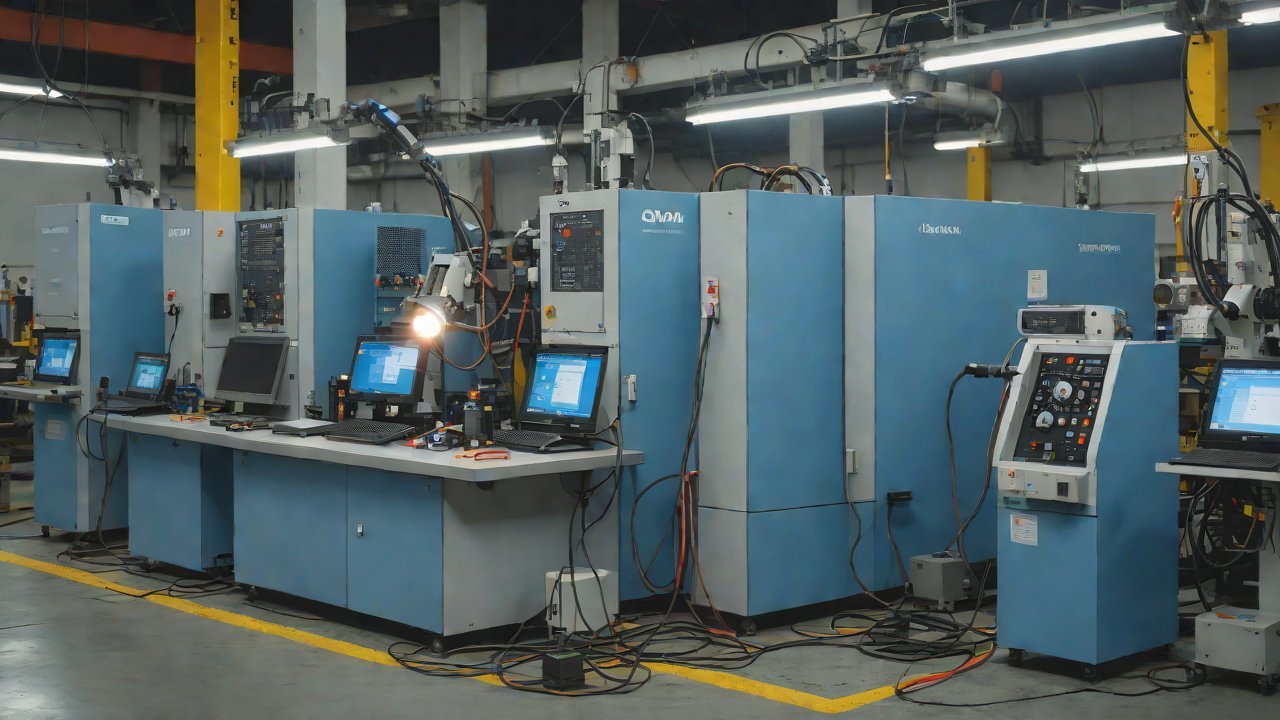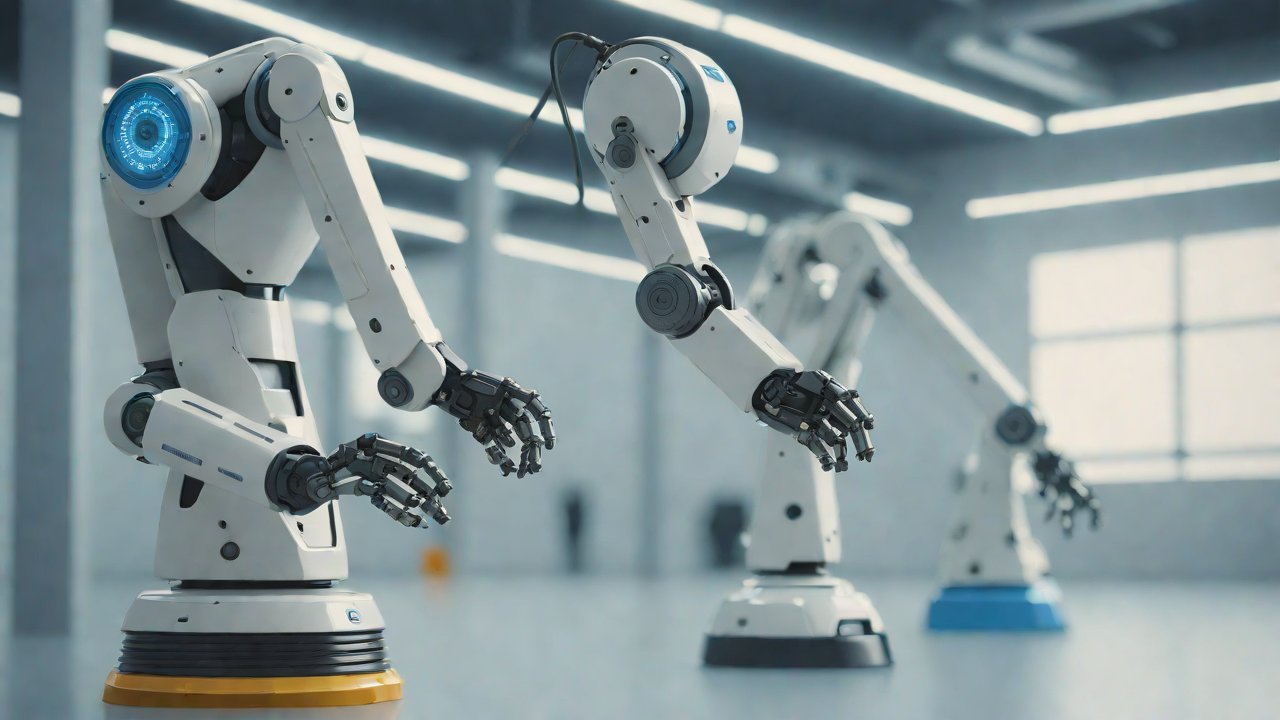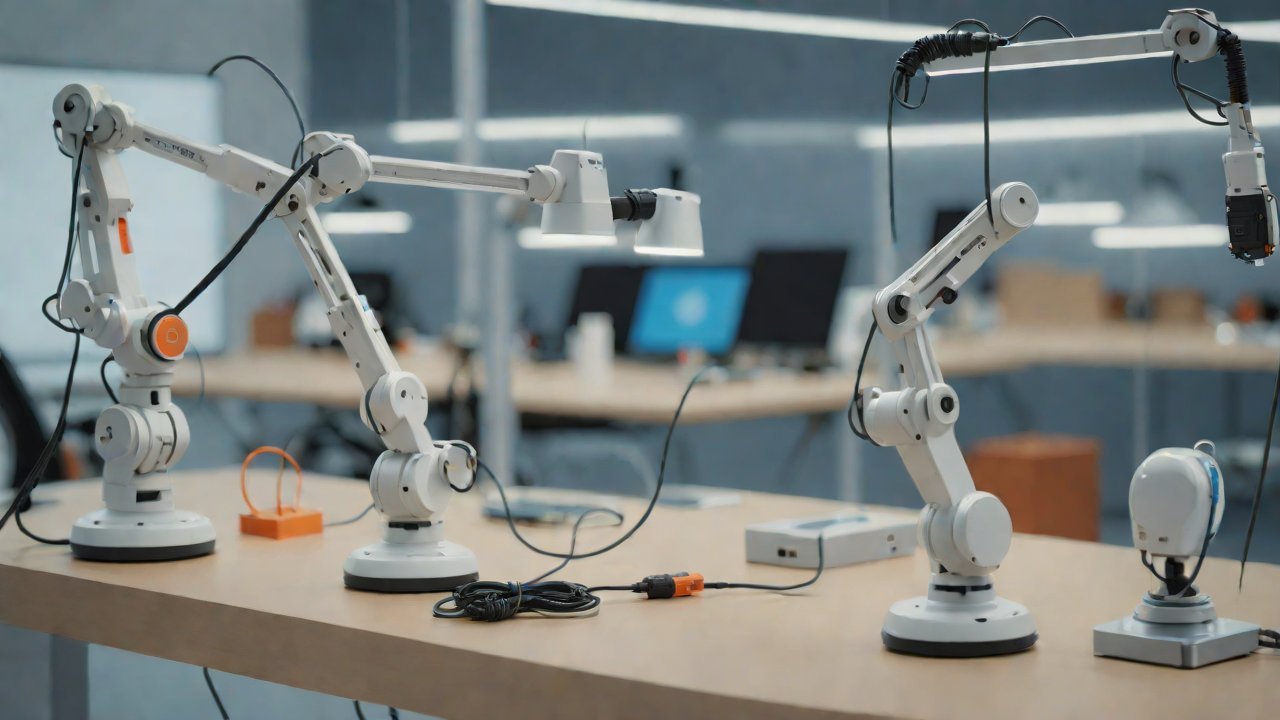
Can this wireless teach pendant control different types of robots from different brands?
As we navigate the rapidly evolving landscape of industrial automation, one crucial aspect that has garnered significant attention is the potential for a single wireless teach pendant to control various types of robots from diverse manufacturers. This concept, often referred to as “robot agnosticism” or “open robotics,” promises to revolutionize the way factories and production lines operate by eliminating the need for multiple proprietary interfaces.
The idea may seem simple at first glance: why not have a single device that can communicate with any robot on the market? However, upon closer inspection, it becomes clear that this is no trivial matter. The complexity of robotics systems, coupled with the varying levels of technology and communication protocols employed by different manufacturers, presents numerous challenges to achieving true interoperability.
1. Market Demand for Interoperable Robotics
To gauge the potential demand for a wireless teach pendant capable of controlling multiple robot brands, let us examine some market trends and statistics. According to a report by Grand View Research, the global industrial robotics market is projected to reach $75.4 billion by 2025, growing at a CAGR of 8.3% during the forecast period. This growth can be attributed to increasing adoption in manufacturing industries, particularly in the automotive and electronics sectors.
Table 1: Market Size (USD Billion) and Growth Rate (%) for Industrial Robotics
| Year | Market Size | Growth Rate |
|---|---|---|
| 2020 | $43.2 | – |
| 2025 | $75.4 | 8.3% |

2. Technical Challenges to Interoperability
While the market demand for interoperable robotics is evident, technical hurdles must be addressed before a single wireless teach pendant can control multiple robot brands. These challenges include:
- Communication Protocols: Robots from different manufacturers employ various communication protocols, such as Ethernet/IP, PROFINET, and DeviceNet. Developing a device that can seamlessly integrate with these disparate protocols is no trivial task.
- Robot-Specific Interfaces: Each robot brand has its unique interface requirements, making it essential to design a device that can adapt to these differences while maintaining compatibility across brands.
- Machine Learning and AI: To achieve true interoperability, the wireless teach pendant would need to employ advanced machine learning algorithms and artificial intelligence (AI) techniques to learn and adapt to different robot systems.
3. Current State of Wireless Teach Pendants
Currently, most wireless teach pendants are designed specifically for use with a single brand or family of robots. For example:
- ABB’s IRP5: ABB’s IRP5 is a wireless teach pendant designed exclusively for their IRB 6700 and IRB 7600 robot arms.
- KUKA’s i4: KUKA’s i4 is a wireless teach pendant tailored to their KR C6, KR C8, and LBR iiwa robot arms.

These proprietary devices are optimized for performance with the corresponding robots but fail to provide interoperability across brands. However, some companies have begun exploring the concept of open robotics, as seen in:
4. Emerging Trends in Open Robotics
Several manufacturers are now embracing the idea of open robotics by developing more modular and adaptable robotic systems. This shift towards openness can be attributed to growing demand for flexibility and scalability in production lines.
- Universal Robots’ UR+ Ecosystem: Universal Robots has introduced their UR+ ecosystem, which enables users to seamlessly integrate third-party components and peripherals with their e-Series robots.
- ABB’s YuMi Robot: ABB’s YuMi robot is designed with a modular architecture that allows for easy integration of new features and functionalities.
These innovations demonstrate the industry’s move towards more open and adaptable robotic systems. However, there is still a significant gap between these early attempts at openness and true interoperability across brands.
5. Conclusion
In conclusion, while the concept of a single wireless teach pendant controlling multiple robot brands may seem appealing, it poses numerous technical challenges that must be addressed before becoming a reality. Despite current limitations, emerging trends in open robotics suggest a growing recognition within the industry of the need for increased flexibility and adaptability in production lines.
The demand for industrial robotics is projected to continue its upward trajectory, driven by market growth and technological advancements. As we navigate this rapidly evolving landscape, it is essential to address the complexities surrounding interoperability and develop innovative solutions that bridge the gaps between disparate robotic systems.
In the coming years, we can expect significant progress towards achieving true openness in robotics. Whether through the development of advanced machine learning algorithms or the creation of modular robotic architectures, the industry will likely witness a transformation that enables seamless communication and control across various robot brands.
The future holds promise for a world where production lines are no longer confined by proprietary interfaces, but instead empowered by the ability to integrate multiple robotic systems in a unified and efficient manner.
IOT Cloud Platform
IOT Cloud Platform is an IoT portal established by a Chinese IoT company, focusing on technical solutions in the fields of agricultural IoT, industrial IoT, medical IoT, security IoT, military IoT, meteorological IoT, consumer IoT, automotive IoT, commercial IoT, infrastructure IoT, smart warehousing and logistics, smart home, smart city, smart healthcare, smart lighting, etc.
The IoT Cloud Platform blog is a top IoT technology stack, providing technical knowledge on IoT, robotics, artificial intelligence (generative artificial intelligence AIGC), edge computing, AR/VR, cloud computing, quantum computing, blockchain, smart surveillance cameras, drones, RFID tags, gateways, GPS, 3D printing, 4D printing, autonomous driving, etc.