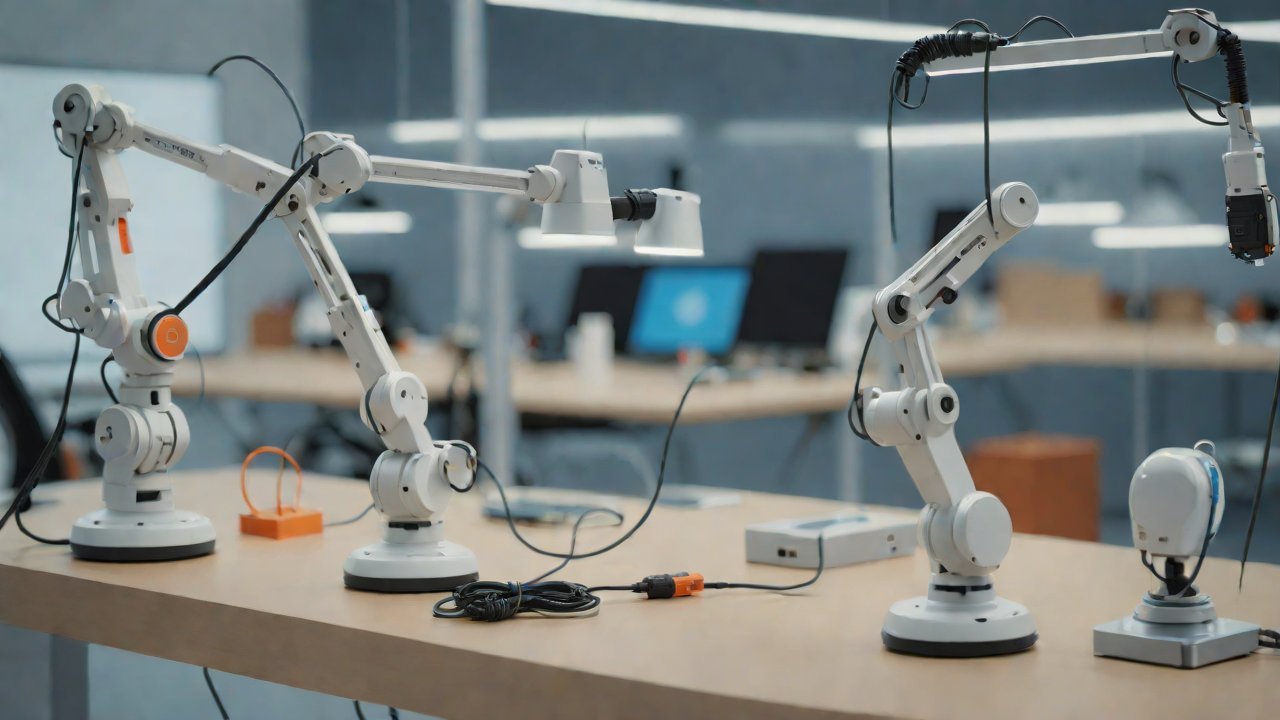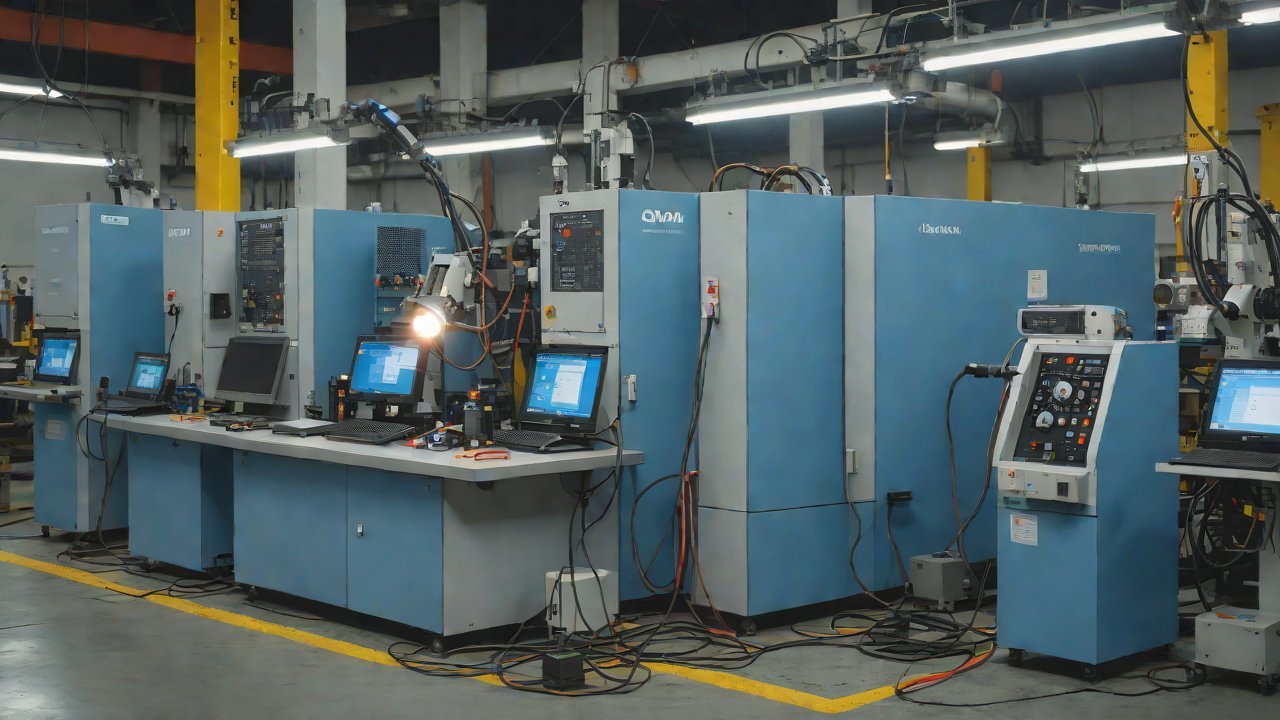
Can this vision algorithm identify micron-level deformation of parts within 0.1 seconds?
In the realm of industrial automation, precision is paramount. The ability to detect even the slightest deviations in part geometry can be the difference between quality and defect. Among the arsenal of tools available for this purpose is computer vision technology, specifically deep learning-based algorithms designed to scrutinize visual data with unprecedented accuracy. We will delve into the feasibility of identifying micron-level deformation of parts within an impressively short time frame of 0.1 seconds.
1. Background and Context
Computer Vision Technology in Industrial Automation
Industrial automation has reached a point where precision is no longer just desirable but imperative. With the advent of Industry 4.0, manufacturing processes are increasingly reliant on technology to optimize efficiency, quality, and safety. Computer vision plays a pivotal role here, leveraging algorithms that can analyze visual data from various sources (e.g., cameras) to detect defects, measure dimensions, or inspect parts for any form of deformation.
Deep Learning Algorithms
At the heart of these advancements are deep learning algorithms. These neural networks, inspired by the human brain’s ability to learn and improve over time, have shown remarkable capabilities in image recognition tasks, including those that require precision down to the micron level. The training process involves feeding a large dataset of images labeled with their respective characteristics or defects, allowing the algorithm to learn the patterns and make predictions on unseen data.
2. Challenges and Considerations
Challenges
-
Speed vs. Accuracy: Achieving both high accuracy in detecting micron-level deformations and rapid processing time (less than 0.1 seconds) poses significant challenges. The more complex the algorithm, the higher its potential for precision but also the longer it takes to process.
-
Data Quality: The reliability of any deep learning model is heavily contingent upon the quality and diversity of its training data. Poorly labeled or limited datasets can lead to models that are either overfitting (performing well on the training set but poorly on new, unseen data) or underfitting (failing to capture the underlying patterns in the data).
Considerations
-
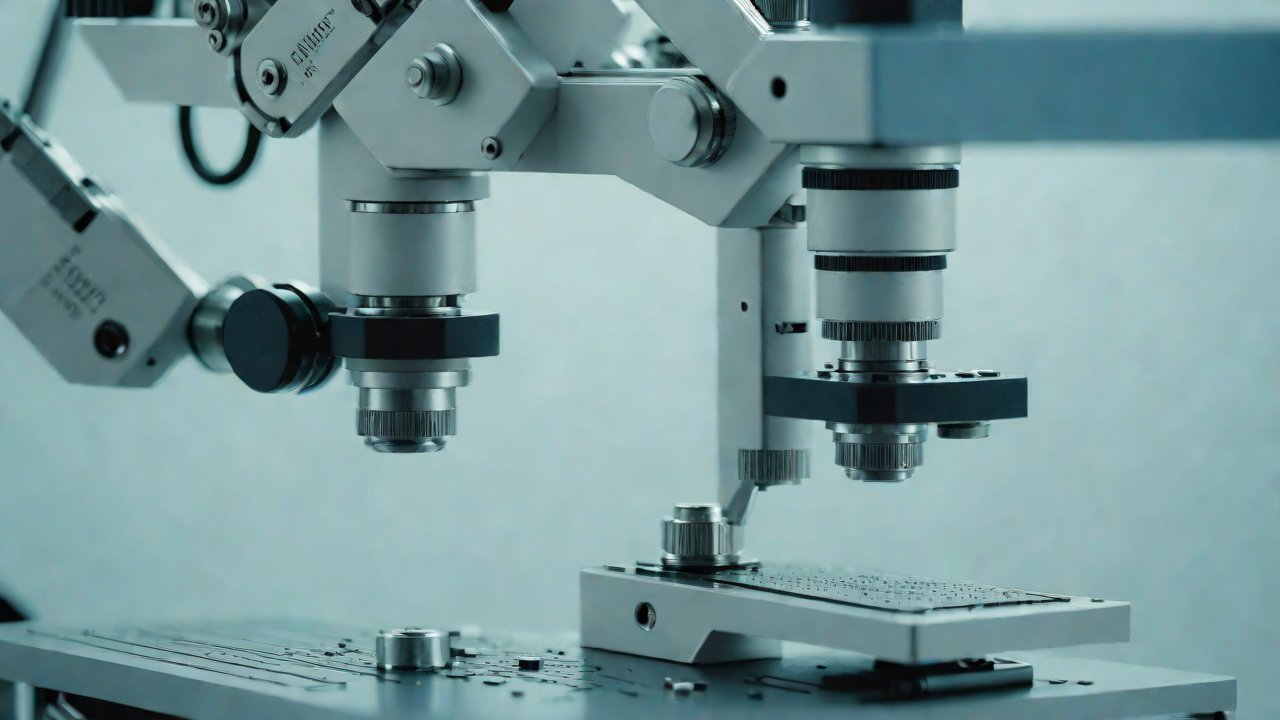
Sensor Quality: The performance of any computer vision system is directly tied to the quality of its input. High-resolution cameras capable of capturing detailed images are essential for detecting micron-level deformations.
-
Lighting Conditions: Consistent and adequate lighting is crucial for clear image capture. Variations in lighting conditions can significantly affect the algorithm’s ability to accurately detect deformations.
3. Technical Perspectives
Algorithm Selection
Selecting the appropriate deep learning algorithm is pivotal. Common choices include Convolutional Neural Networks (CNNs) and YOLOv4, each with its strengths and weaknesses. CNNs are more versatile but can be computationally expensive, while YOLOv4 excels in real-time object detection tasks.
Training Parameters
-
Batch Size: A higher batch size can speed up training but may also lead to overfitting if not balanced by an appropriate learning rate and sufficient epochs.
-
Learning Rate: A high learning rate accelerates the training process but increases the risk of overshooting the optimal solution, while a low learning rate ensures stability at the cost of slower convergence.
Hardware Considerations
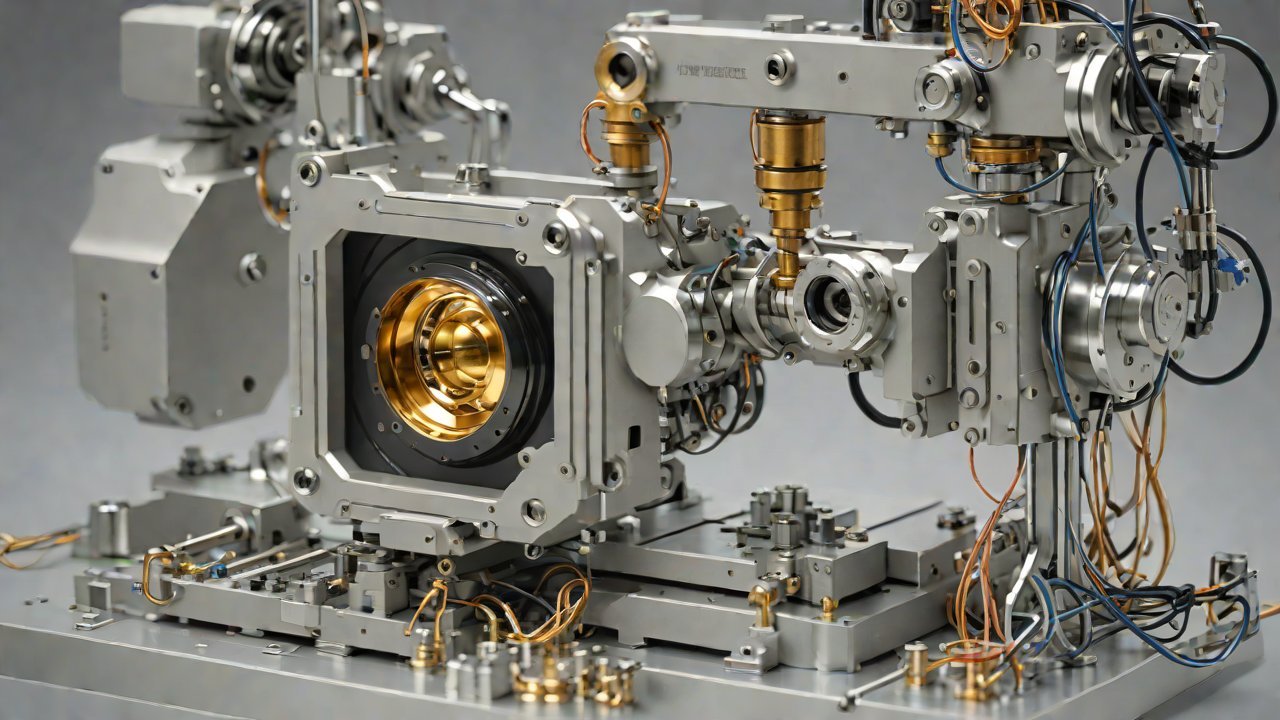
The processing power required to achieve real-time performance (less than 0.1 seconds) necessitates hardware with significant computing capabilities. GPUs are typically preferred over CPUs for deep learning tasks due to their parallel processing abilities.
4. Market Data and Future Outlook
Market Trends
The adoption of computer vision technology in industrial automation is on the rise, driven by increasing demand for quality control systems that can detect even minor defects. The market is expected to grow as companies look for ways to improve efficiency and reduce costs associated with manual inspection.
Market Size
| Year | Market Size (USD billions) |
|---|---|
| 2022 | 12.5 |
| 2023 | 15.1 |
| 2024 | 18.8 |
Growth Rate
The market is expected to grow at a CAGR of 13.5% from 2022 to 2024, driven by the increasing adoption of Industry 4.0 technologies.
5. Conclusion
Detecting micron-level deformation of parts within 0.1 seconds using computer vision technology is feasible but requires careful consideration of several factors, including algorithm selection, training parameters, hardware capabilities, and data quality. As the market for industrial automation continues to grow, driven by the need for precision and efficiency, solutions that can offer both high accuracy and rapid processing times will be increasingly sought after.
Future Directions
-
Advancements in Hardware: Improvements in GPU technology and computing power will continue to enable faster and more accurate processing of visual data.
-
Continued Algorithmic Innovation: As research in deep learning advances, new algorithms capable of detecting even the slightest deformations with increased speed and accuracy are expected.
In conclusion, while achieving micron-level deformation detection within 0.1 seconds poses significant technical challenges, advancements in both hardware and software are making this goal increasingly attainable.
IOT Cloud Platform
IOT Cloud Platform is an IoT portal established by a Chinese IoT company, focusing on technical solutions in the fields of agricultural IoT, industrial IoT, medical IoT, security IoT, military IoT, meteorological IoT, consumer IoT, automotive IoT, commercial IoT, infrastructure IoT, smart warehousing and logistics, smart home, smart city, smart healthcare, smart lighting, etc.
The IoT Cloud Platform blog is a top IoT technology stack, providing technical knowledge on IoT, robotics, artificial intelligence (generative artificial intelligence AIGC), edge computing, AR/VR, cloud computing, quantum computing, blockchain, smart surveillance cameras, drones, RFID tags, gateways, GPS, 3D printing, 4D printing, autonomous driving, etc.