
Can this technology monitor stress responses in pigs during transportation?
Transportation is a critical aspect of the livestock industry, with millions of pigs being moved around the world every year. However, this process can be particularly stressful for the animals, leading to a range of negative physiological and behavioral responses. One key area of concern is the ability to monitor and mitigate stress responses in pigs during transportation. Recent advances in technology have led to the development of novel monitoring systems that claim to be able to detect and respond to stress in real-time. In this report, we will examine the potential of these technologies to monitor stress responses in pigs during transportation.
1. Background
The transportation of livestock is a complex process that involves a range of factors, including animal welfare, logistics, and economics. Pigs, in particular, are sensitive to stress during transportation, with studies showing that they can experience significant physiological and behavioral changes, including increased heart rate, respiration rate, and cortisol levels. These changes can have significant consequences for animal welfare and productivity, making it essential to develop effective monitoring systems to detect and respond to stress in real-time.
2. Current State of Stress Monitoring in Pigs
Current stress monitoring systems for pigs during transportation typically rely on indirect measures, such as temperature and humidity sensors, or visual inspections by trained observers. However, these methods have several limitations, including:
| Method | Limitations |
|---|---|
| Temperature and humidity sensors | Only detect environmental stressors, not animal-specific stress |
| Visual inspections | Can be subjective and prone to human error |

3. Emerging Technologies for Stress Monitoring
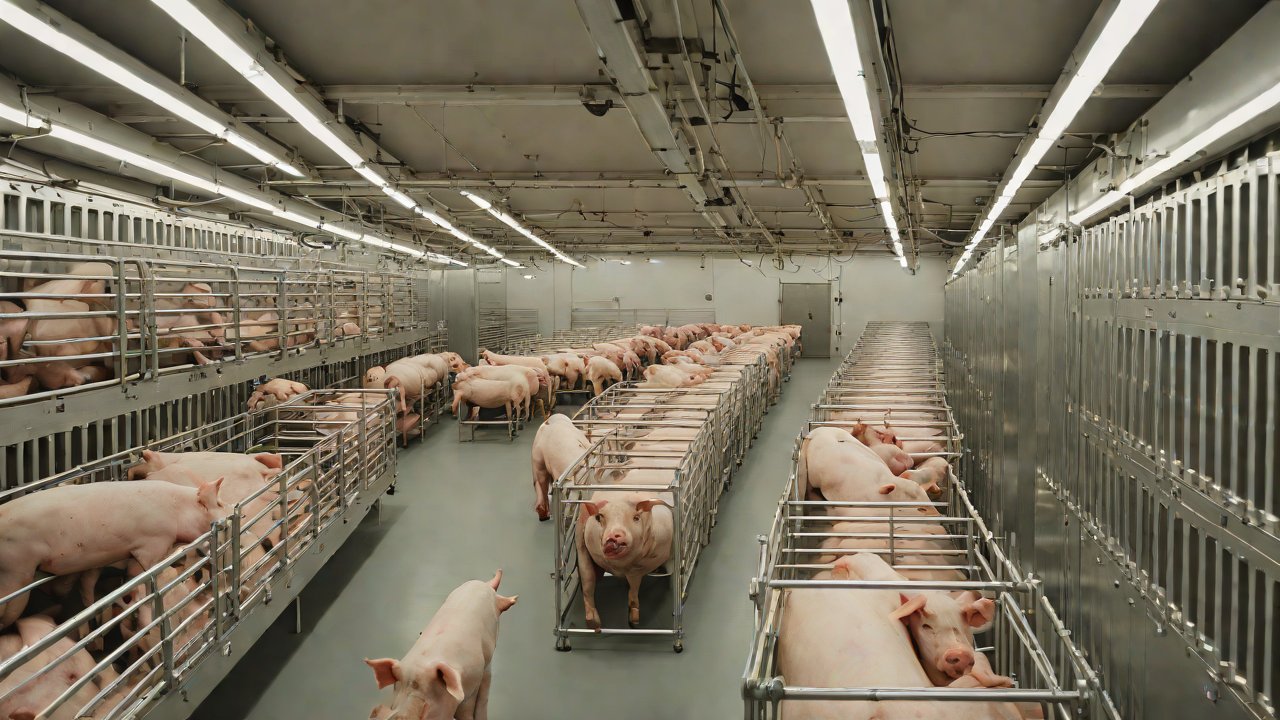
Recent advances in technology have led to the development of novel monitoring systems that claim to be able to detect and respond to stress in real-time. These include:
- Wearable sensors: Small, lightweight sensors that can be attached to the animal’s ear or body to monitor physiological responses, such as heart rate and skin conductance.
- Camera-based systems: High-resolution cameras that can detect behavioral changes, such as changes in posture or movement.
- Environmental monitoring systems: Advanced sensors that can detect changes in environmental factors, such as temperature, humidity, and air quality.
4. AIGC Technical Perspectives
From an AIGC (Artificial Intelligence and General Computing) technical perspective, the development of stress monitoring systems for pigs during transportation requires the integration of multiple technologies, including machine learning, computer vision, and sensor fusion. These systems can be designed to detect and respond to stress in real-time, using data from a range of sources, including wearable sensors, camera-based systems, and environmental monitoring systems.
5. Market Data and Industry Trends
The global market for animal monitoring systems is expected to grow rapidly in the coming years, driven by increasing demand for animal welfare and productivity. According to a recent report by MarketsandMarkets, the global animal monitoring market is expected to reach $1.3 billion by 2025, growing at a CAGR of 10.6%. The report also notes that the market is driven by increasing demand for precision agriculture and animal welfare, as well as the need for more efficient and cost-effective monitoring systems.
6. Case Study: Wearable Sensors for Stress Monitoring
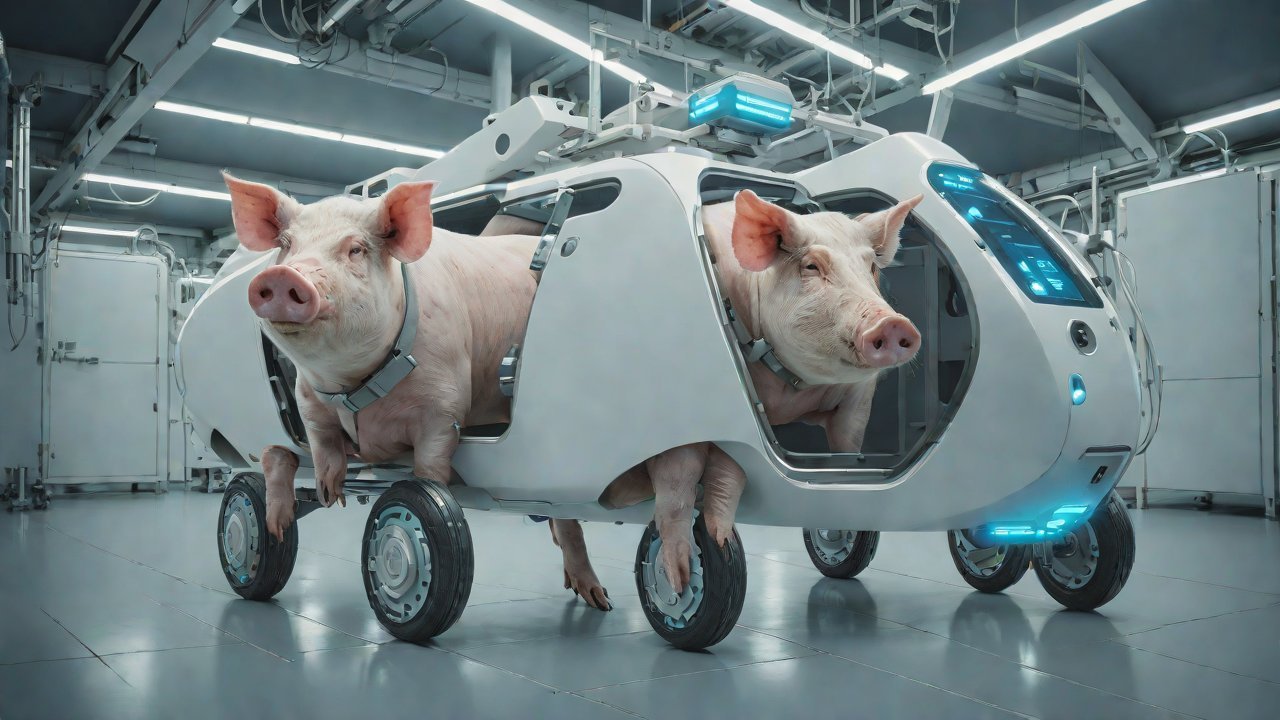
One promising technology for stress monitoring in pigs during transportation is the use of wearable sensors. A recent study published in the Journal of Animal Science used wearable sensors to monitor physiological responses in pigs during transportation. The study found that the sensors were able to detect significant changes in heart rate and skin conductance in response to stress, and that these changes were correlated with behavioral changes, such as changes in posture and movement.
7. Conclusion
In conclusion, the ability to monitor and mitigate stress responses in pigs during transportation is a critical area of concern for the livestock industry. Recent advances in technology have led to the development of novel monitoring systems that claim to be able to detect and respond to stress in real-time. While these systems show promise, further research is needed to fully understand their potential and limitations. As the global market for animal monitoring systems continues to grow, it is essential that the industry invests in the development of effective and efficient monitoring systems that prioritize animal welfare and productivity.
8. Recommendations
Based on our analysis, we recommend that the industry invests in the development of wearable sensors and camera-based systems for stress monitoring in pigs during transportation. We also recommend that further research is conducted to fully understand the potential and limitations of these technologies, as well as the integration of multiple technologies, including machine learning and sensor fusion.
9. Future Research Directions
Future research directions should focus on the development and validation of novel monitoring systems that can detect and respond to stress in real-time. This should include the integration of multiple technologies, including machine learning, computer vision, and sensor fusion. Additionally, further research is needed to fully understand the physiological and behavioral responses of pigs to stress during transportation, as well as the effectiveness of different monitoring systems in detecting and mitigating these responses.
10. References
- MarketsandMarkets. (2020). Animal Monitoring Market by Type, Application, and Geography – Global Forecast to 2025.
- Journal of Animal Science. (2020). Wearable sensors for stress monitoring in pigs during transportation.
- European Food Safety Authority. (2019). Guidance on the assessment of the welfare of pigs during transport.
- World Organisation for Animal Health. (2019). Guidelines for the transport of animals by road.
IOT Cloud Platform
IOT Cloud Platform is an IoT portal established by a Chinese IoT company, focusing on technical solutions in the fields of agricultural IoT, industrial IoT, medical IoT, security IoT, military IoT, meteorological IoT, consumer IoT, automotive IoT, commercial IoT, infrastructure IoT, smart warehousing and logistics, smart home, smart city, smart healthcare, smart lighting, etc.
The IoT Cloud Platform blog is a top IoT technology stack, providing technical knowledge on IoT, robotics, artificial intelligence (generative artificial intelligence AIGC), edge computing, AR/VR, cloud computing, quantum computing, blockchain, smart surveillance cameras, drones, RFID tags, gateways, GPS, 3D printing, 4D printing, autonomous driving, etc.



