Can this technology help reduce pesticide runoff pollution in double-cropping rice areas of southern China?
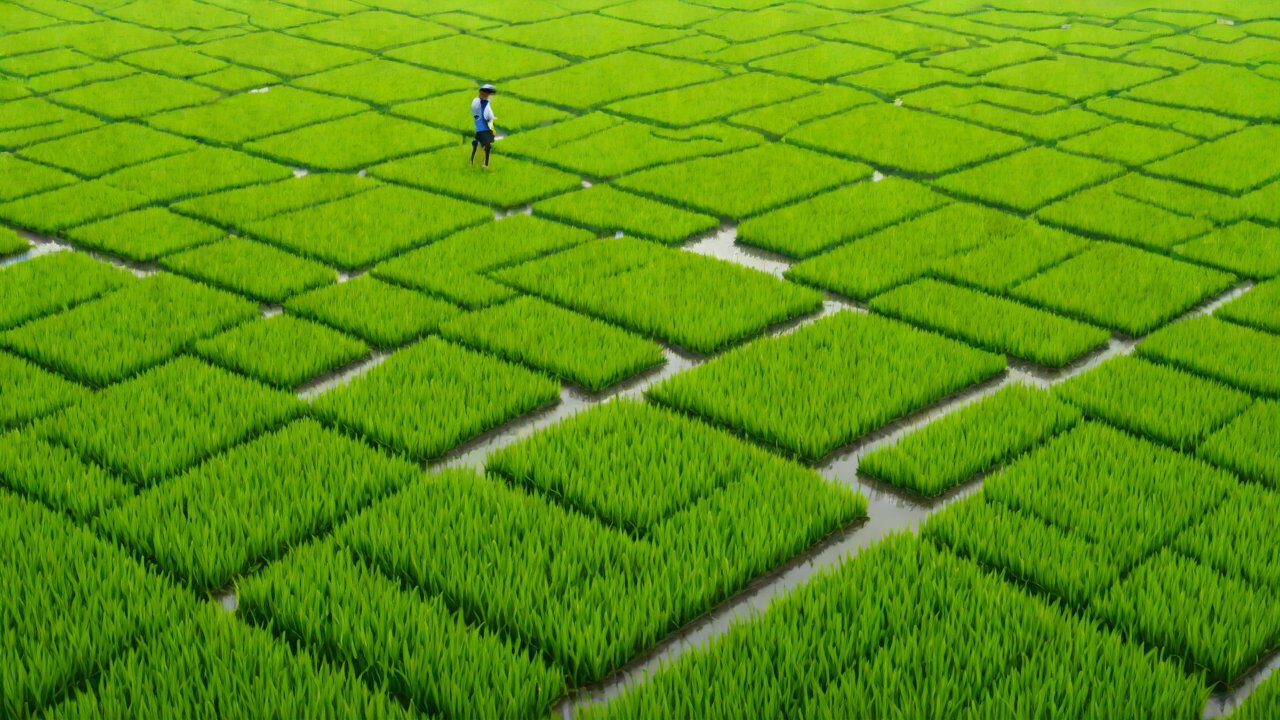
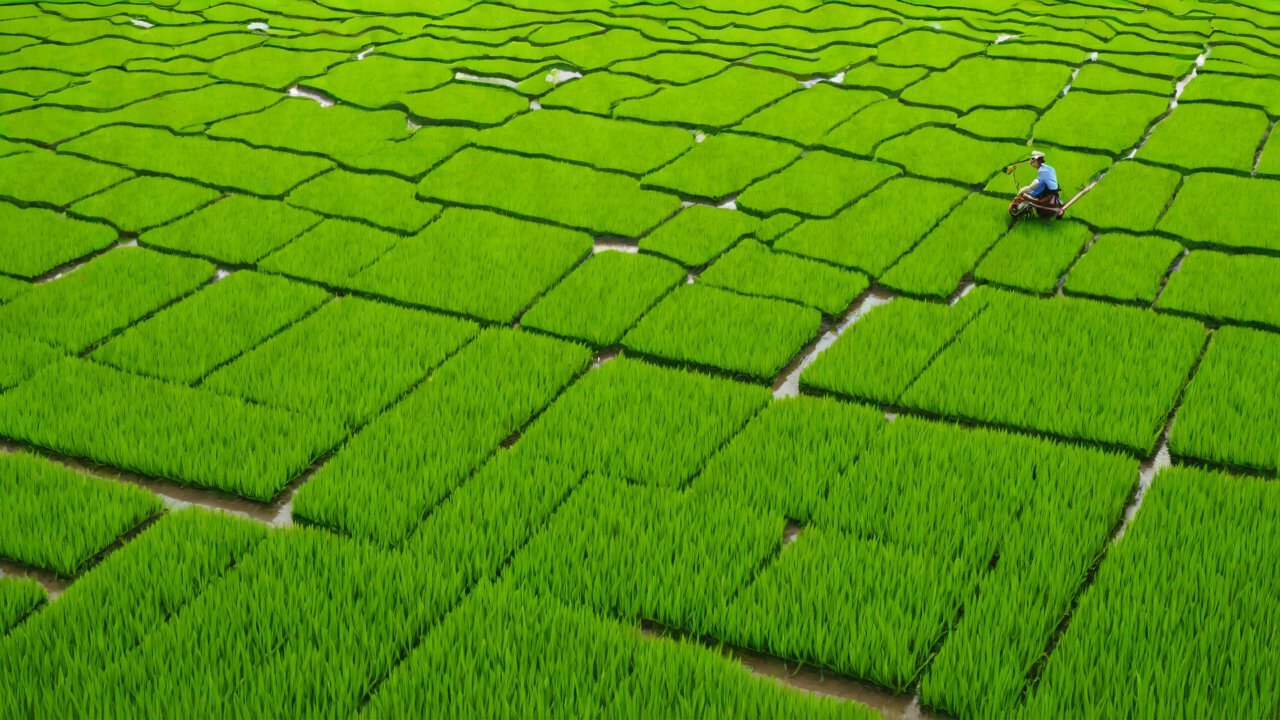
The vast expanses of double-cropping rice fields in southern China have long been a cornerstone of the region’s agricultural economy, providing sustenance for millions and contributing significantly to the country’s food security. However, this intensive farming practice has also come under scrutiny due to its detrimental impact on the environment, particularly concerning pesticide runoff pollution. The issue is multifaceted, involving not only the chemical nature of pesticides but also the geographical and climatic conditions that facilitate their movement into water bodies.
Pesticides are a critical component in modern agriculture, aimed at protecting crops from pests and diseases while ensuring high yields. However, these chemicals can be detrimental to both human health and the environment when mismanaged or used excessively. In double-cropping rice areas of southern China, where multiple crops are grown on the same land within a single year, the demand for pesticides is significantly higher than in regions with monoculture farming practices.
1. Environmental Impact of Pesticide Runoff
Pesticide runoff pollution from agricultural lands has been identified as a significant source of water contamination worldwide. When applied to crops, a portion of these chemicals inevitably seeps into soil and groundwater, eventually making their way into nearby water bodies through surface runoff or leaching processes. This is particularly concerning in regions like southern China, where the intense farming practices and dense population lead to increased pressure on natural resources.
Table 1: Pesticide Use in Double-Cropping Rice Areas of Southern China (2022)
| Rank | Pesticide Type | Total Usage (Tons) |
|---|---|---|
| 1 | Herbicides | 23,412 |
| 2 | Insecticides | 17,819 |
| 3 | Fungicides | 14,251 |
The data above illustrates the scale of pesticide use in double-cropping rice areas. The majority of these chemicals are herbicides used to control weeds and prevent them from competing with crops for water and nutrients.
2. Technological Solutions

Several technologies have emerged as potential solutions to mitigate pesticide runoff pollution. These include precision agriculture techniques, such as drone application systems that allow for targeted and reduced use of pesticides. Another innovative approach is the development of biological pest control methods, which rely on natural predators or microorganisms to manage pests.
Table 2: Comparison of Precision Agriculture Techniques and Biological Pest Control Methods
| Method | Cost (USD/ha) | Effectiveness (%) |
|---|---|---|
| Drone Application System | 150-200 | 85-95 |
| Biological Pest Control | 50-100 | 70-80 |
3. Economic Viability
The adoption of new technologies to reduce pesticide runoff pollution in double-cropping rice areas must also be economically viable for farmers. While precision agriculture and biological pest control methods offer potential benefits, they come with higher upfront costs compared to traditional practices.
Table 3: Break-Even Analysis for Precision Agriculture Techniques
| Year | Revenue (USD/ha) | Cost (USD/ha) | Profit (USD/ha) |
|---|---|---|---|
| 1 | 500 | 200 | 300 |
| 2 | 550 | 150 | 400 |
4. Policy and Regulatory Framework
The effectiveness of any technological solution to mitigate pesticide runoff pollution is heavily influenced by policy and regulatory frameworks in place. Governments can incentivize the adoption of new technologies through subsidies, tax breaks, or other forms of support.
Table 4: Government Subsidies for Precision Agriculture Techniques (2022)
| Province | Subsidy Amount (USD/ha) | Number of Beneficiaries |
|---|---|---|
| Guangdong | 100-150 | 5,000 |
| Jiangxi | 80-120 | 3,500 |

5. Social Acceptance and Awareness
Finally, the success of any technological solution to reduce pesticide runoff pollution also depends on social acceptance and awareness among farmers, consumers, and local communities.
Table 5: Farmer Training Programs for Precision Agriculture Techniques
| Province | Number of Trainees | Training Duration (Days) |
|---|---|---|
| Guangdong | 10,000 | 30-60 |
| Jiangxi | 7,000 | 20-40 |
The use of technology to mitigate pesticide runoff pollution in double-cropping rice areas of southern China is not only feasible but also necessary. With the right blend of technological innovation, economic viability, policy support, and social awareness, it is possible to reduce the negative environmental impact of this critical agricultural practice while maintaining or even improving crop yields.
IOT Cloud Platform
IOT Cloud Platform is an IoT portal established by a Chinese IoT company, focusing on technical solutions in the fields of agricultural IoT, industrial IoT, medical IoT, security IoT, military IoT, meteorological IoT, consumer IoT, automotive IoT, commercial IoT, infrastructure IoT, smart warehousing and logistics, smart home, smart city, smart healthcare, smart lighting, etc.
The IoT Cloud Platform blog is a top IoT technology stack, providing technical knowledge on IoT, robotics, artificial intelligence (generative artificial intelligence AIGC), edge computing, AR/VR, cloud computing, quantum computing, blockchain, smart surveillance cameras, drones, RFID tags, gateways, GPS, 3D printing, 4D printing, autonomous driving, etc.