Can this technology allow plant factories to operate underground in complete darkness?
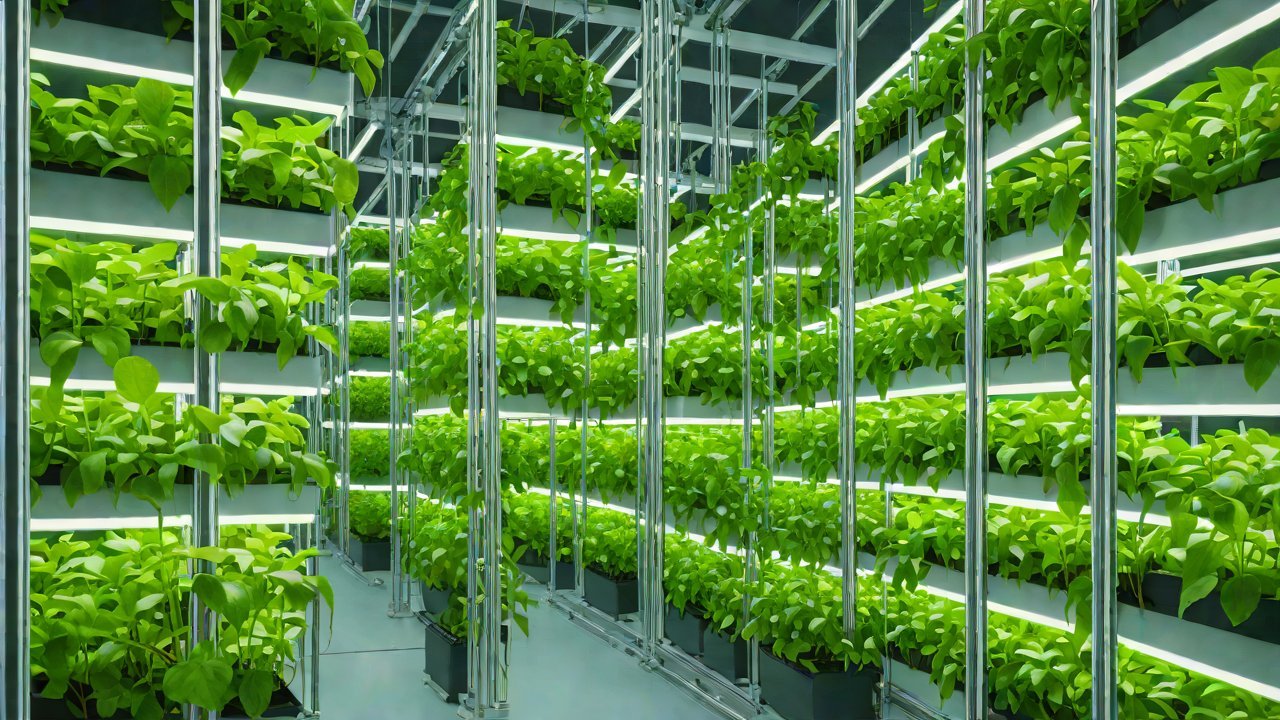
In the realm of urban agriculture, a novel approach to plant factory design has emerged, sparking interest in the feasibility of underground operation. This concept, often referred to as “subterranean” or “underground” plant factories, aims to harness the benefits of controlled environment agriculture (CEA) while minimizing the visual impact on urban landscapes. By leveraging cutting-edge technologies, it is theoretically possible to create plant factories that can thrive in complete darkness, eliminating the need for natural light and thereby increasing the potential for urban agriculture in densely populated areas.
1. Background and Context
The idea of underground plant factories has been gaining traction in recent years, driven by the increasing demand for sustainable and locally sourced produce. Traditional plant factories rely heavily on natural light, which can be a limiting factor in urban environments where space is scarce and light pollution is a concern. In contrast, underground plant factories can be designed to operate independently of natural light, using artificial lighting systems to support photosynthesis.
2. The Role of LED Lighting in Underground Plant Factories
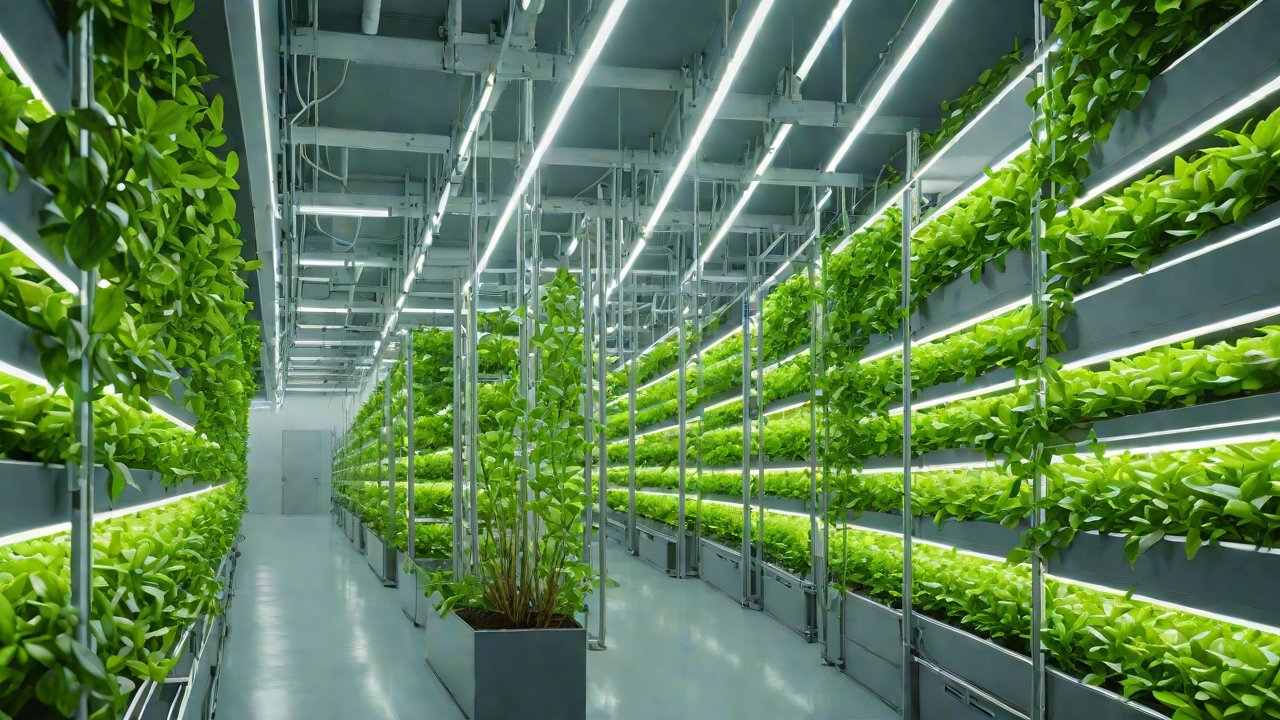
LED lighting plays a crucial role in underground plant factories, as it provides the necessary light spectrum and intensity for plant growth. Recent advancements in LED technology have led to the development of high-efficiency lighting systems that can mimic the natural light spectrum, reducing the energy consumption and increasing the yield of crops.
| LED Lighting Characteristics | Unit | Typical Values |
|---|---|---|
| Lumen Output | lm | 100,000 – 200,000 |
| Color Temperature | K | 2700 – 6500 |
| Energy Efficiency | μmol/J | 2.5 – 3.5 |
3. Air Quality and CO2 Management in Underground Plant Factories
Maintaining optimal air quality and CO2 levels is critical in underground plant factories, as it can significantly impact plant growth and yield. CO2 enrichment systems can be integrated into the design to provide the necessary CO2 levels for photosynthesis.
| CO2 Enrichment System Characteristics | Unit | Typical Values |
|---|---|---|
| CO2 Concentration | % | 400 – 600 |
| CO2 Enrichment Rate | %/h | 0.5 – 1.5 |
| Energy Consumption | kWh | 0.5 – 1.5 |
4. Water Management and Irrigation Systems in Underground Plant Factories
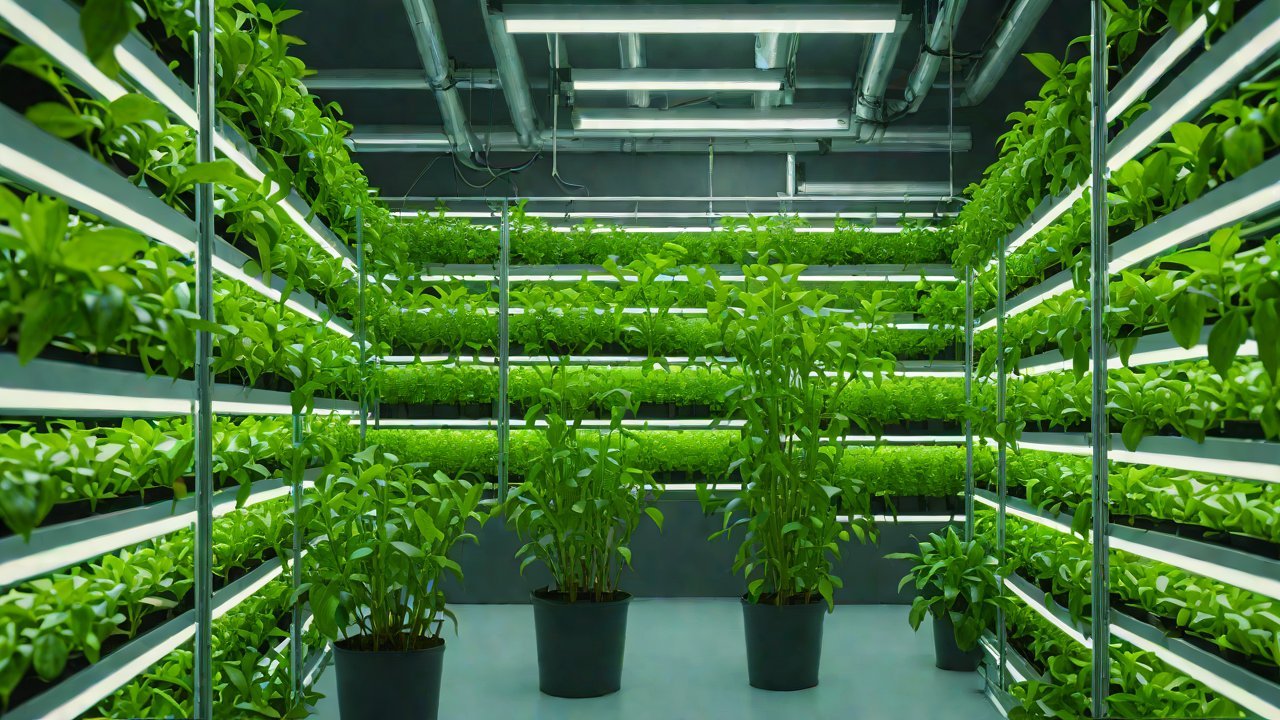
Water management and irrigation systems are essential components of underground plant factories, as they must be designed to optimize water consumption and minimize waste. Drip irrigation systems and hydroponic systems can be used to deliver nutrients and water directly to the roots of plants.
| Water Management System Characteristics | Unit | Typical Values |
|---|---|---|
| Water Consumption | L/h | 50 – 100 |
| Nutrient Concentration | mg/L | 100 – 500 |
| pH Control | pH | 5.5 – 6.5 |
5. Temperature Control and Climate Regulation in Underground Plant Factories
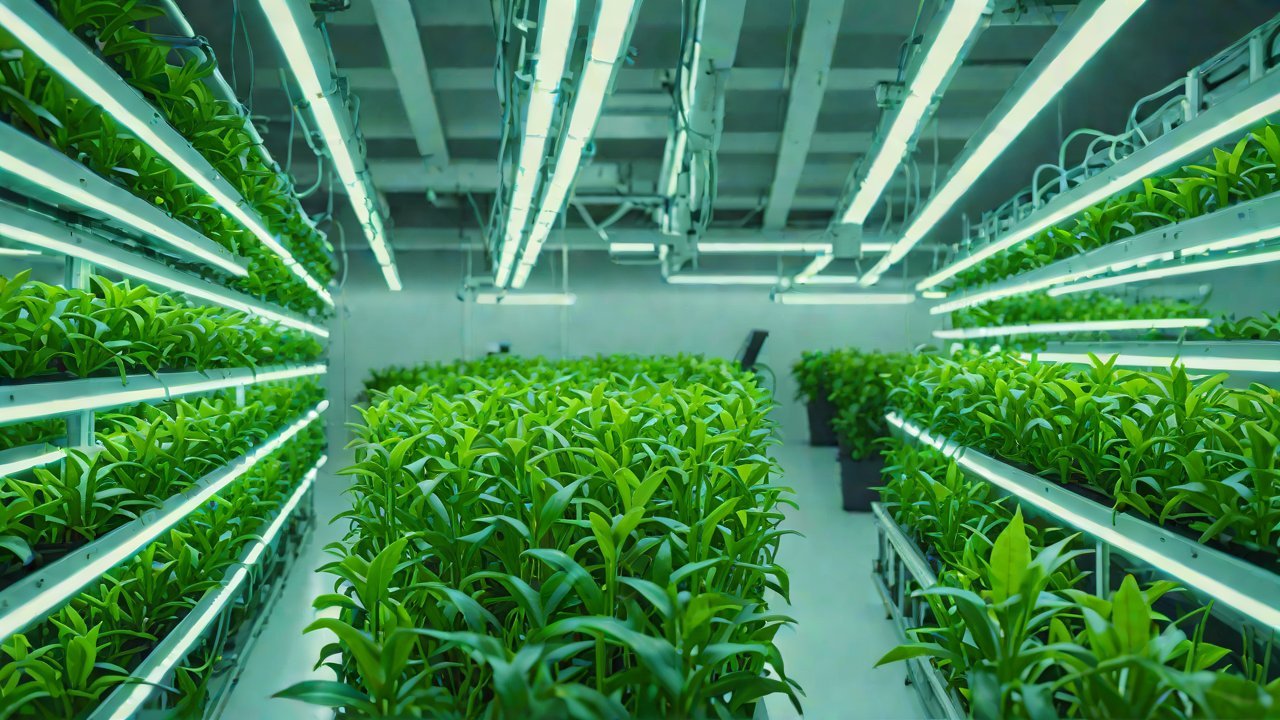
Temperature control and climate regulation are critical factors in underground plant factories, as they must be maintained within a specific range to support optimal plant growth. Heating, ventilation, and air conditioning (HVAC) systems can be integrated into the design to regulate temperature and humidity levels.
| Temperature Control System Characteristics | Unit | Typical Values |
|---|---|---|
| Temperature Range | °C | 18 – 22 |
| Humidity Level | % | 40 – 60 |
| Energy Consumption | kWh | 1 – 2 |
6. The Feasibility of Underground Plant Factories
While the concept of underground plant factories is intriguing, several factors must be considered before implementation. These include the initial investment costs, energy consumption, and the potential for contamination and pests. However, with careful planning and design, underground plant factories can provide a sustainable and efficient solution for urban agriculture.
7. Case Studies and Examples
Several case studies and examples have demonstrated the feasibility of underground plant factories. These include:
- The Soma Urban Farm in Tokyo, Japan, which uses LED lighting and hydroponic systems to grow a variety of crops in a 1,000 sqm underground facility.
- The Boston Underground Farm in Massachusetts, USA, which uses CO2 enrichment systems and drip irrigation to grow leafy greens and herbs in a 2,000 sqm underground facility.
8. Conclusion
In conclusion, the concept of underground plant factories has the potential to revolutionize urban agriculture by providing a sustainable and efficient solution for growing crops in densely populated areas. While several challenges must be addressed, including initial investment costs and energy consumption, the benefits of underground plant factories make them an attractive option for urban farmers and entrepreneurs.
By leveraging cutting-edge technologies and careful planning, underground plant factories can thrive in complete darkness, providing a reliable source of fresh produce for urban communities. As the demand for sustainable and locally sourced produce continues to grow, the potential for underground plant factories to transform urban agriculture is vast and exciting.
IOT Cloud Platform
IOT Cloud Platform is an IoT portal established by a Chinese IoT company, focusing on technical solutions in the fields of agricultural IoT, industrial IoT, medical IoT, security IoT, military IoT, meteorological IoT, consumer IoT, automotive IoT, commercial IoT, infrastructure IoT, smart warehousing and logistics, smart home, smart city, smart healthcare, smart lighting, etc.
The IoT Cloud Platform blog is a top IoT technology stack, providing technical knowledge on IoT, robotics, artificial intelligence (generative artificial intelligence AIGC), edge computing, AR/VR, cloud computing, quantum computing, blockchain, smart surveillance cameras, drones, RFID tags, gateways, GPS, 3D printing, 4D printing, autonomous driving, etc.