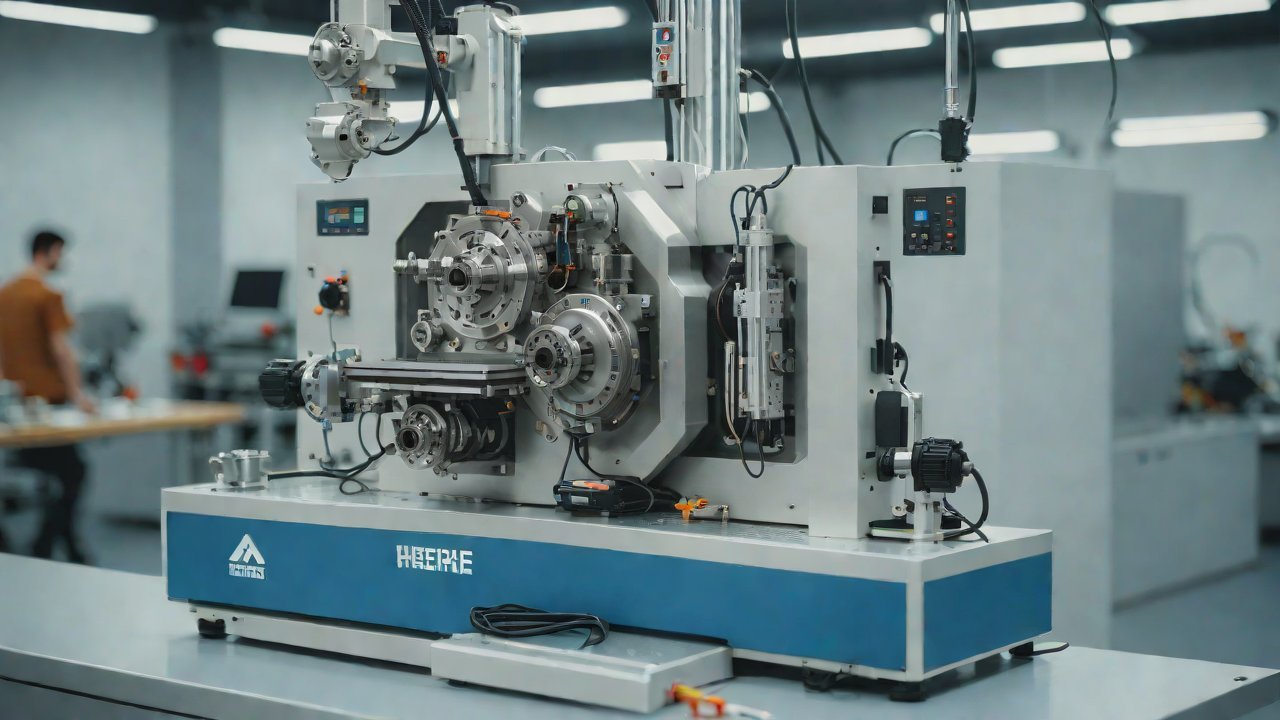
Can this technology allow ordinary people to manufacture aircraft engines on their desktops at home?
The prospect of individuals manufacturing complex machinery like aircraft engines in the comfort of their own homes is a tantalizing one, filled with both promise and peril. The notion that advanced technologies could democratize access to such capabilities has been gaining traction in recent years, fueled by breakthroughs in additive manufacturing (AM), artificial intelligence (AI), and other fields.
The idea of ordinary people fabricating aircraft engines on their desktops is not entirely far-fetched, considering the rapid advancements in 3D printing and AM. These technologies have already enabled the creation of complex components with unprecedented precision and speed. However, there are numerous technical, regulatory, and safety hurdles that must be addressed before such a scenario becomes feasible.
1. Technical Feasibility
Aircraft engines are intricate machines comprising thousands of parts, requiring an extraordinary level of precision and quality control to ensure safe operation. The manufacturing process involves multiple stages, including design, material selection, machining, assembly, and testing. To determine whether desktop manufacturing is viable for aircraft engines, we must examine the technical requirements.
| Component | Technical Specifications |
|---|---|
| Engine Block | Cast iron or aluminum alloy, surface finish: 1.6 μm (Ra), dimensional tolerance: ±0.05 mm |
| Cylinder Head | Steel or titanium alloy, surface finish: 0.8 μm (Ra), dimensional tolerance: ±0.02 mm |
| Turbine Blades | Titanium alloy, surface finish: 0.4 μm (Ra), dimensional tolerance: ±0.01 mm |
Currently, the most advanced desktop manufacturing technologies, such as direct energy deposition (DED) and selective laser sintering (SLS), are capable of producing parts with surface finishes ranging from 10 to 50 micrometers. While these technologies have improved significantly in recent years, they still fall short of meeting the stringent requirements for aircraft engine components.
2. Material Science
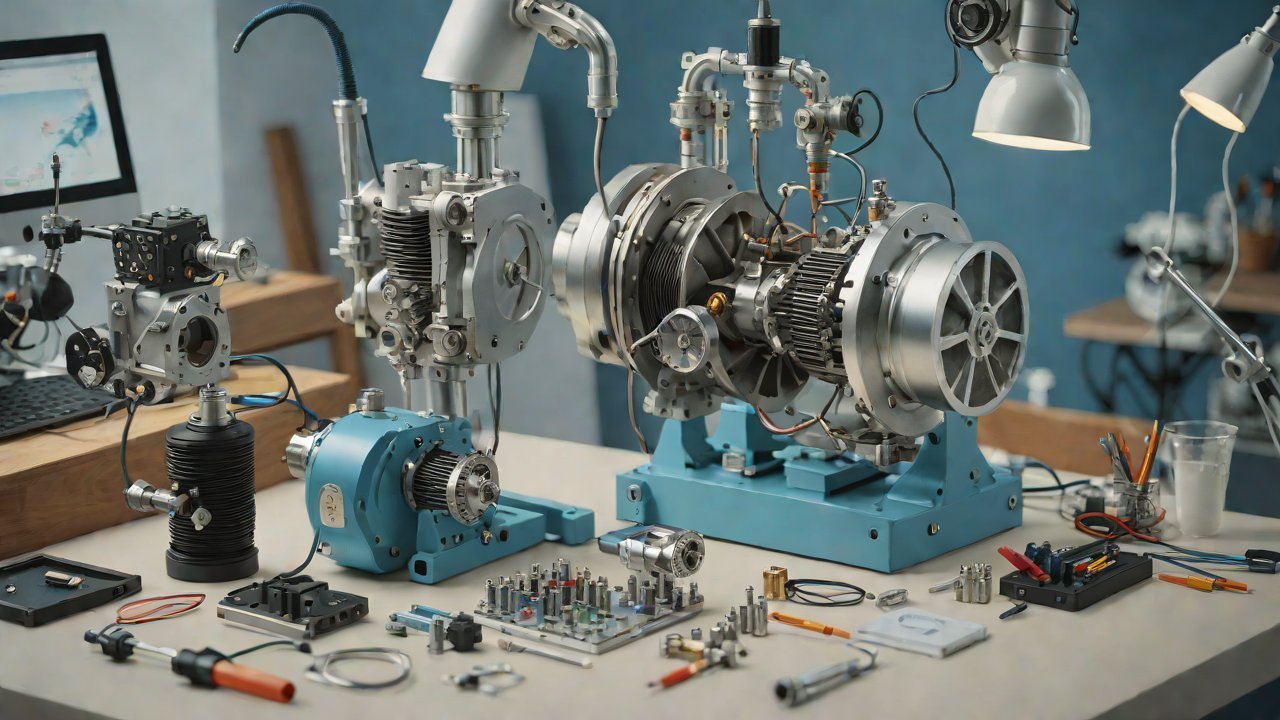
Aircraft engines operate under extreme conditions, including high temperatures, pressures, and stresses. The materials used must possess exceptional strength, durability, and resistance to corrosion and fatigue. Currently, most commercial aircraft engines use high-temperature alloys like Inconel, Haynes, or Waspaloy, which are difficult to fabricate using desktop manufacturing techniques.
| Material | Properties |
|---|---|
| Inconel 718 | High temperature strength (up to 980°C), corrosion resistance, and good weldability |
| Haynes 230 | High temperature strength (up to 1150°C), oxidation resistance, and low thermal conductivity |
Developing materials with suitable properties for desktop manufacturing is an ongoing area of research. For instance, the use of nanomaterials or composites could potentially offer improved performance and reduced weight.
3. Regulatory Framework
The aviation industry is heavily regulated by organizations like the Federal Aviation Administration (FAA) in the United States, the European Aviation Safety Agency (EASA), and the International Civil Aviation Organization (ICAO). These bodies set strict standards for aircraft design, manufacture, testing, and certification.
| Regulation | Description |
|---|---|
| FAA Part 21 | Certification procedures for aircraft engines and components |
| EASA CS-25 | Certification specifications for aeronautical products |

To ensure public safety, regulatory authorities would need to adapt their frameworks to accommodate desktop manufacturing of aircraft engine components. This might involve establishing new standards for material selection, testing, and validation.
4. Safety Considerations
The primary concern with allowing individuals to manufacture aircraft engines on their desktops is the potential for catastrophic failure due to design or fabrication errors. The consequences of such an event would be severe, resulting in loss of life and damage to property.
| Risk Factor | Description |
|---|---|
| Design Errors | Incorrectly designed components can lead to engine failure, causing accidents |
| Material Defects | Inadequate material selection or processing can compromise component integrity |
To mitigate these risks, regulatory bodies would need to implement robust quality control measures and certification procedures for desktop manufacturing of aircraft engines.
5. Economic Viability
While the prospect of democratizing access to advanced technologies is intriguing, it’s essential to consider the economic feasibility of such a scenario. The costs associated with developing and implementing desktop manufacturing capabilities for aircraft engine components would likely be substantial.
| Cost Factor | Description |
|---|---|
| Equipment Costs | High-end 3D printing machines can cost upwards of $500,000 |
| Material Costs | High-performance materials used in aircraft engines are expensive |
The economic benefits of decentralized manufacturing must be weighed against the costs of developing and implementing new technologies, as well as the potential risks to public safety.
6. Conclusion
While the idea of ordinary people manufacturing aircraft engines on their desktops is captivating, it remains largely speculative at this point. The technical, regulatory, and safety hurdles are significant, and the economic viability is uncertain. However, ongoing advancements in AM, AI, and materials science may eventually make such a scenario feasible.
As the aviation industry continues to evolve, it’s essential to monitor developments in these areas and adapt regulatory frameworks accordingly. By doing so, we can ensure that emerging technologies are harnessed safely and responsibly, benefiting society as a whole.
The prospect of decentralized manufacturing for aircraft engines is an exciting one, but it requires careful consideration of the complex interplay between technical, economic, and regulatory factors. As we move forward, it’s crucial to prioritize public safety while exploring the potential benefits of this emerging trend.
IOT Cloud Platform
IOT Cloud Platform is an IoT portal established by a Chinese IoT company, focusing on technical solutions in the fields of agricultural IoT, industrial IoT, medical IoT, security IoT, military IoT, meteorological IoT, consumer IoT, automotive IoT, commercial IoT, infrastructure IoT, smart warehousing and logistics, smart home, smart city, smart healthcare, smart lighting, etc.
The IoT Cloud Platform blog is a top IoT technology stack, providing technical knowledge on IoT, robotics, artificial intelligence (generative artificial intelligence AIGC), edge computing, AR/VR, cloud computing, quantum computing, blockchain, smart surveillance cameras, drones, RFID tags, gateways, GPS, 3D printing, 4D printing, autonomous driving, etc.