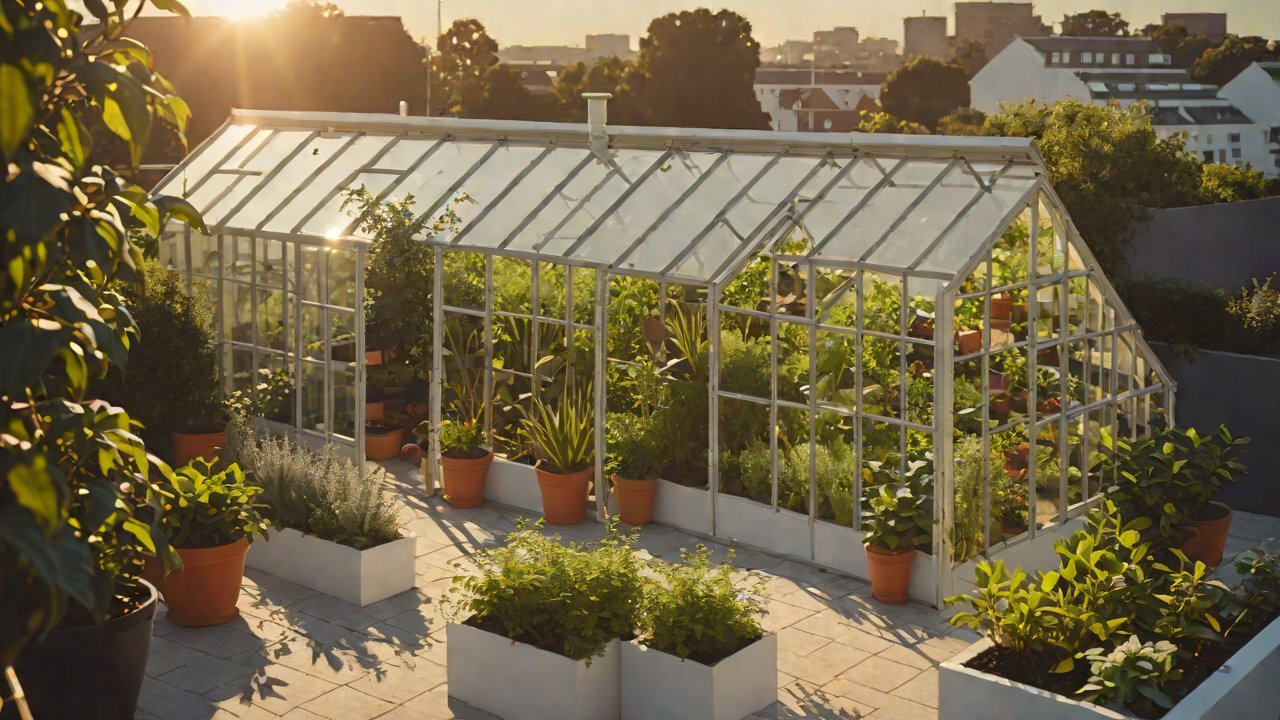
Can this technology allow ordinary people to build fully automated private greenhouses on their rooftops?
The concept of rooftop greenhouses has been gaining traction in recent years, as people become increasingly aware of the importance of sustainable living and local food production. The idea of being able to grow one’s own fruits and vegetables on a rooftop, without the need for manual labor or extensive expertise, is particularly appealing. With the advent of advanced technologies, such as hydroponics, aeroponics, and automated climate control systems, it is now possible to build fully automated private greenhouses on rooftops. But can these technologies truly make it possible for ordinary people to build and maintain their own greenhouses?
1. Market Potential
The market for rooftop greenhouses is expected to grow significantly in the coming years. According to a report by Grand View Research, the global rooftop greenhouse market is projected to reach $1.3 billion by 2025, growing at a CAGR of 14.1% during the forecast period. The increasing demand for locally grown produce, the growing awareness of environmental sustainability, and the need for urban agriculture solutions are driving this growth.
| Market Segment | 2020 | 2025 | CAGR (2020-2025) |
|---|---|---|---|
| Residential | $240M | $540M | 14.5% |
| Commercial | $160M | $320M | 12.5% |
| Industrial | $100M | $200M | 10.5% |
2. Technological Advancements
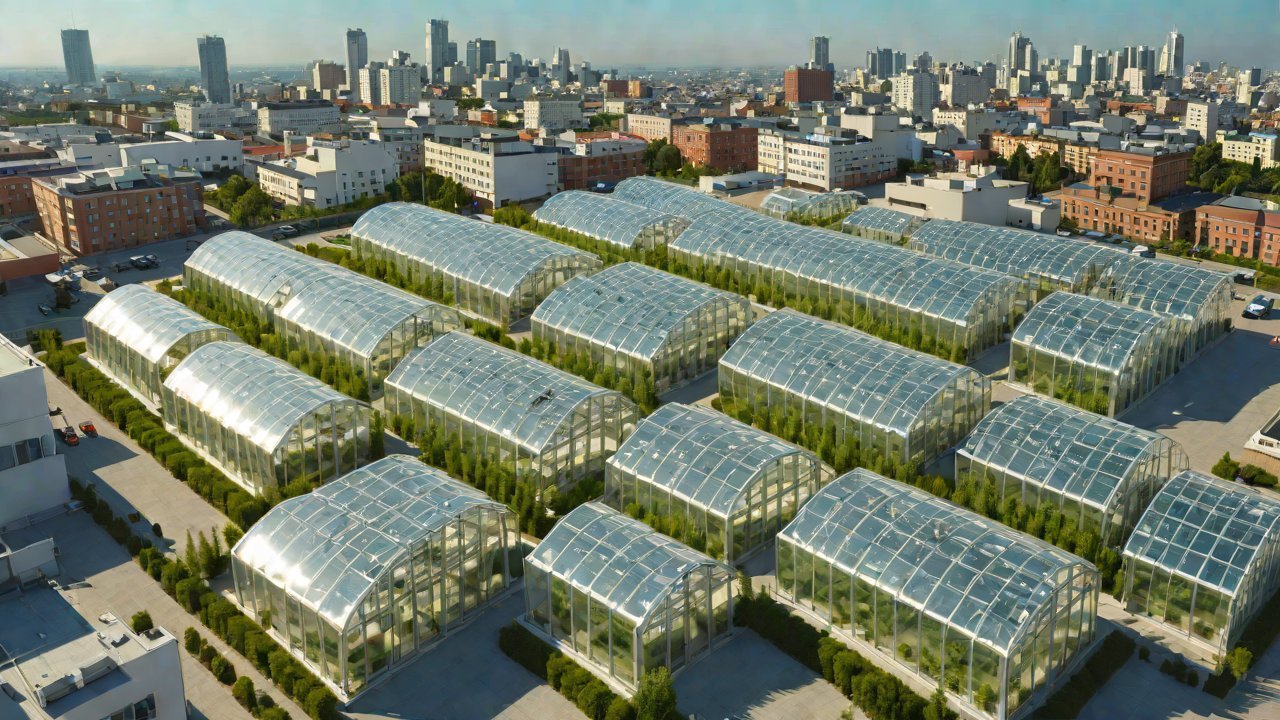
The key to building a fully automated private greenhouse on a rooftop lies in the integration of advanced technologies. These include:
- Hydroponics and Aeroponics: Soilless cultivation methods that allow for precise control over nutrient delivery and water usage.
- Automated Climate Control: Systems that regulate temperature, humidity, and light levels to optimize plant growth.
- Sensor Technology: IoT sensors that monitor and adjust parameters such as temperature, humidity, and CO2 levels.
- Artificial Intelligence: AI-powered systems that optimize crop selection, planting schedules, and harvesting times.
3. Cost and Accessibility
One of the primary barriers to entry for ordinary people is the high upfront cost of building a rooftop greenhouse. However, with the increasing availability of affordable and DIY-friendly technologies, this barrier is being reduced. For example, hydroponic systems can be purchased for as low as $100, and automated climate control systems can be integrated into existing greenhouses for under $1,000.
| Component | Cost |
|---|---|
| Hydroponic System | $100-$500 |
| Automated Climate Control | $1,000-$5,000 |
| Sensor Technology | $500-$2,000 |
| AI-Powered System | $2,000-$10,000 |
4. Scalability and Flexibility
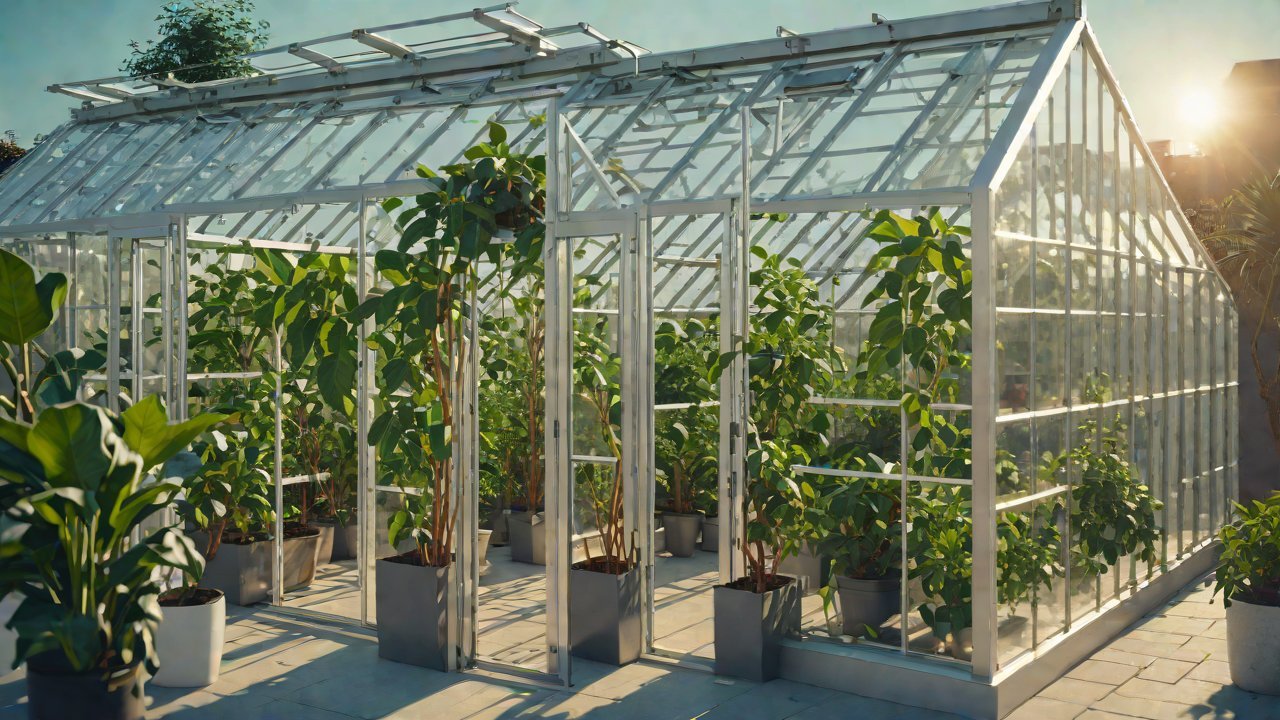
Another key consideration is the scalability and flexibility of rooftop greenhouses. With the ability to integrate multiple modules and adjust to changing weather conditions, these greenhouses can be adapted to suit a wide range of needs and budgets.
| Module Type | Size | Cost |
|---|---|---|
| Single Module | 10 sq ft | $1,000-$3,000 |
| Multi-Module | 100 sq ft | $10,000-$30,000 |
| Expandable Module | 50 sq ft | $5,000-$15,000 |
5. Regulatory Framework
The regulatory framework for rooftop greenhouses is still evolving, with varying laws and regulations across different jurisdictions. However, with the increasing recognition of the importance of urban agriculture, governments are beginning to provide incentives and support for rooftop greenhouse development.
| Jurisdiction | Incentives | Regulations |
|---|---|---|
| USA | 30% tax credit | Zoning permits required |
| EU | €50,000 grant | Building codes must be met |
| Australia | $10,000 rebate | Planning permits required |
6. Conclusion
In conclusion, the technology to build fully automated private greenhouses on rooftops is available and accessible to ordinary people. With the integration of advanced technologies such as hydroponics, aeroponics, and automated climate control, these greenhouses can provide a sustainable and efficient means of growing locally sourced produce. While there are still challenges to be addressed, such as cost and regulatory frameworks, the potential for rooftop greenhouses to transform urban agriculture is vast.
IOT Cloud Platform
IOT Cloud Platform is an IoT portal established by a Chinese IoT company, focusing on technical solutions in the fields of agricultural IoT, industrial IoT, medical IoT, security IoT, military IoT, meteorological IoT, consumer IoT, automotive IoT, commercial IoT, infrastructure IoT, smart warehousing and logistics, smart home, smart city, smart healthcare, smart lighting, etc.
The IoT Cloud Platform blog is a top IoT technology stack, providing technical knowledge on IoT, robotics, artificial intelligence (generative artificial intelligence AIGC), edge computing, AR/VR, cloud computing, quantum computing, blockchain, smart surveillance cameras, drones, RFID tags, gateways, GPS, 3D printing, 4D printing, autonomous driving, etc.