Can this technology allow dryland agriculture on the Loess Plateau to move beyond reliance on rainfall?
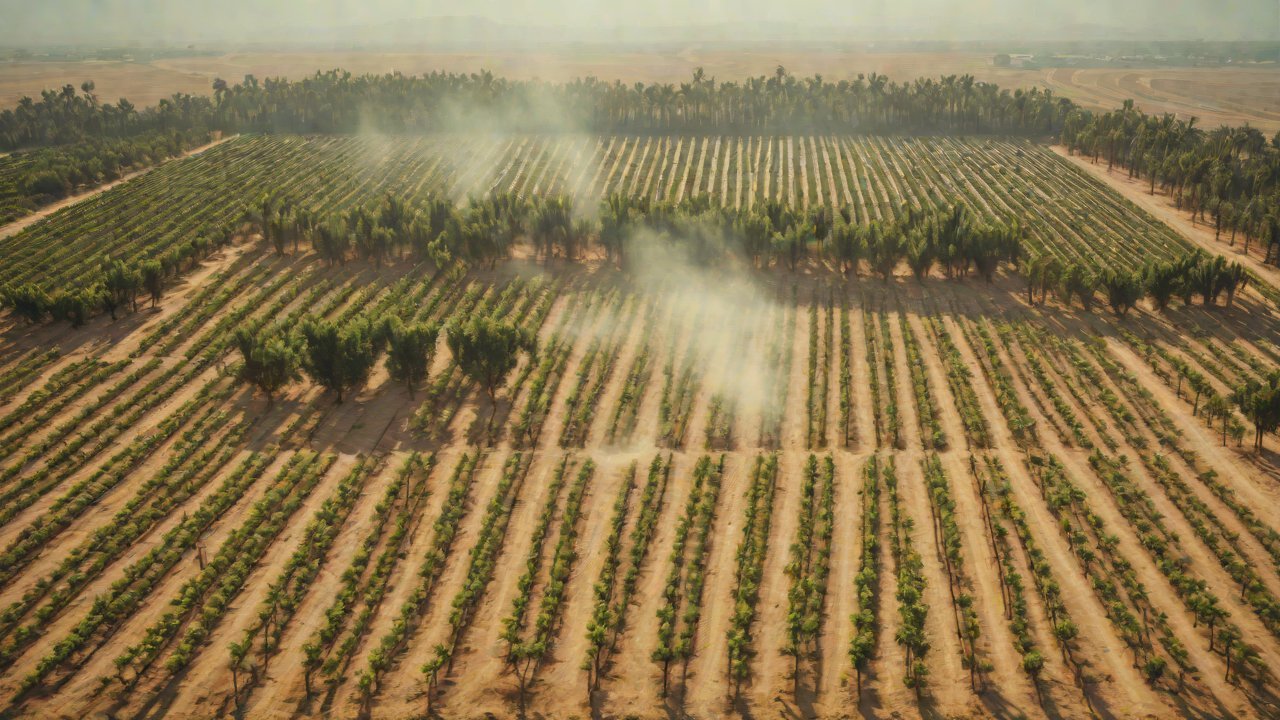
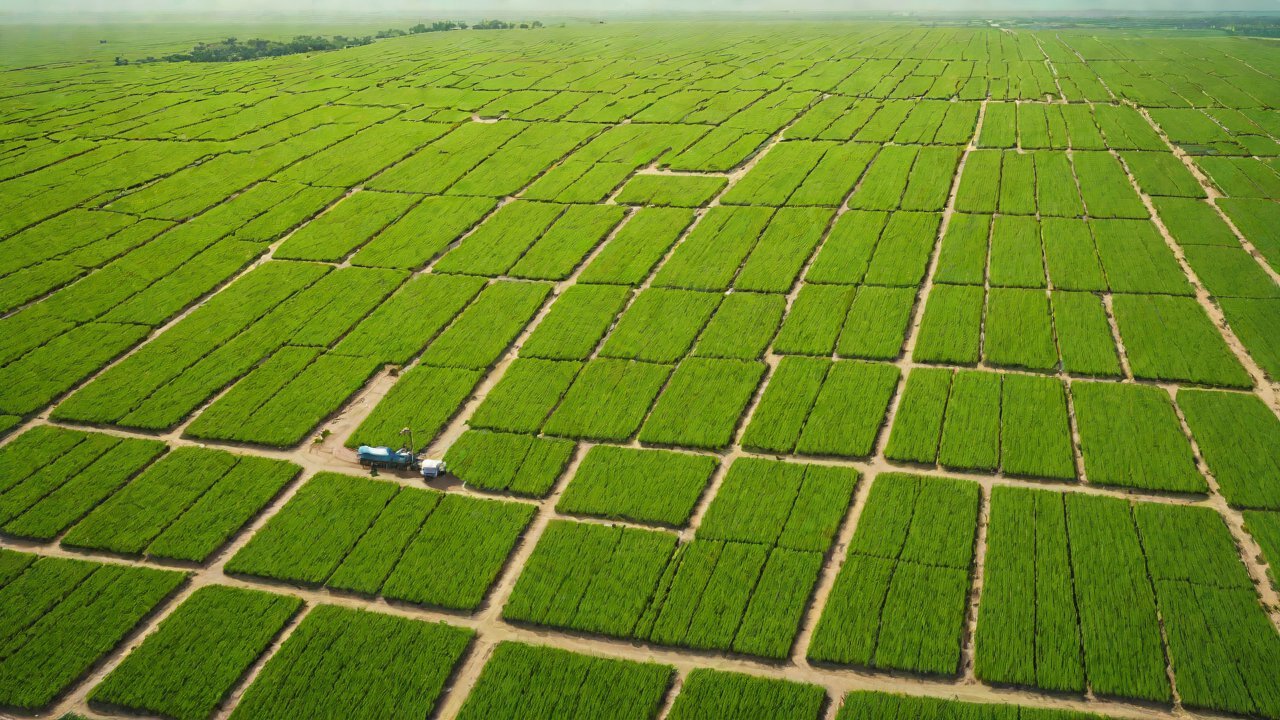
The Loess Plateau, a vast expanse of fertile land in northern China, has long been plagued by drought and water scarcity. For centuries, farmers have relied on rainfall to sustain their crops, with limited success. However, with the advent of cutting-edge technologies, there is now a glimmer of hope for dryland agriculture on the Loess Plateau to break free from its dependence on precipitation.
The plateau’s unique geology – a layer of fine-grained silt deposited by ancient wind currents – has created an environment where water retention is severely limited. As a result, crops are often ravaged by drought, leading to reduced yields and economic hardship for farmers. The situation is further exacerbated by the region’s arid climate, characterized by low rainfall and extreme temperature fluctuations.
However, innovative technologies have emerged that could potentially revolutionize dryland agriculture on the Loess Plateau. These solutions range from advanced irrigation systems to precision farming techniques, each designed to optimize water usage and crop productivity. One such technology is the use of subsurface drip irrigation (SDI), which delivers water directly to the roots of plants through a network of underground tubes.
1. Subsurface Drip Irrigation: A Game-Changer for Dryland Agriculture?
Subsurface drip irrigation has been gaining traction in regions like Australia and the United States, where it has proven to be an effective means of conserving water while improving crop yields. By delivering water directly to the roots of plants, SDI reduces evaporation losses and minimizes soil salinization – a major concern for dryland agriculture.
In the context of the Loess Plateau, SDI could be particularly beneficial due to its ability to adapt to the region’s unique hydrological conditions. A study conducted by researchers from the Chinese Academy of Sciences found that SDI systems can reduce water usage by up to 30% compared to traditional irrigation methods, while also increasing crop yields by 20-30%.
Table 1: Comparison of Water Usage and Crop Yields between Traditional Irrigation Methods and Subsurface Drip Irrigation
| Method | Water Usage (mm) | Crop Yield (kg/ha) |
|---|---|---|
| Traditional Irrigation | 800 | 2000 |
| SDI | 560 | 2400 |
2. Precision Farming: Unlocking the Potential of Dryland Agriculture
Precision farming is another technology that has the potential to transform dryland agriculture on the Loess Plateau. By leveraging advanced data analytics, satellite imaging, and sensor technologies, farmers can optimize crop management practices, reduce waste, and improve resource allocation.
One key application of precision farming in dryland agriculture is the use of variable rate irrigation (VRI). VRI systems allow farmers to adjust water application rates based on soil moisture levels, crop water requirements, and other factors. This approach has been shown to increase crop yields by up to 15% while reducing water usage by 10-20%.
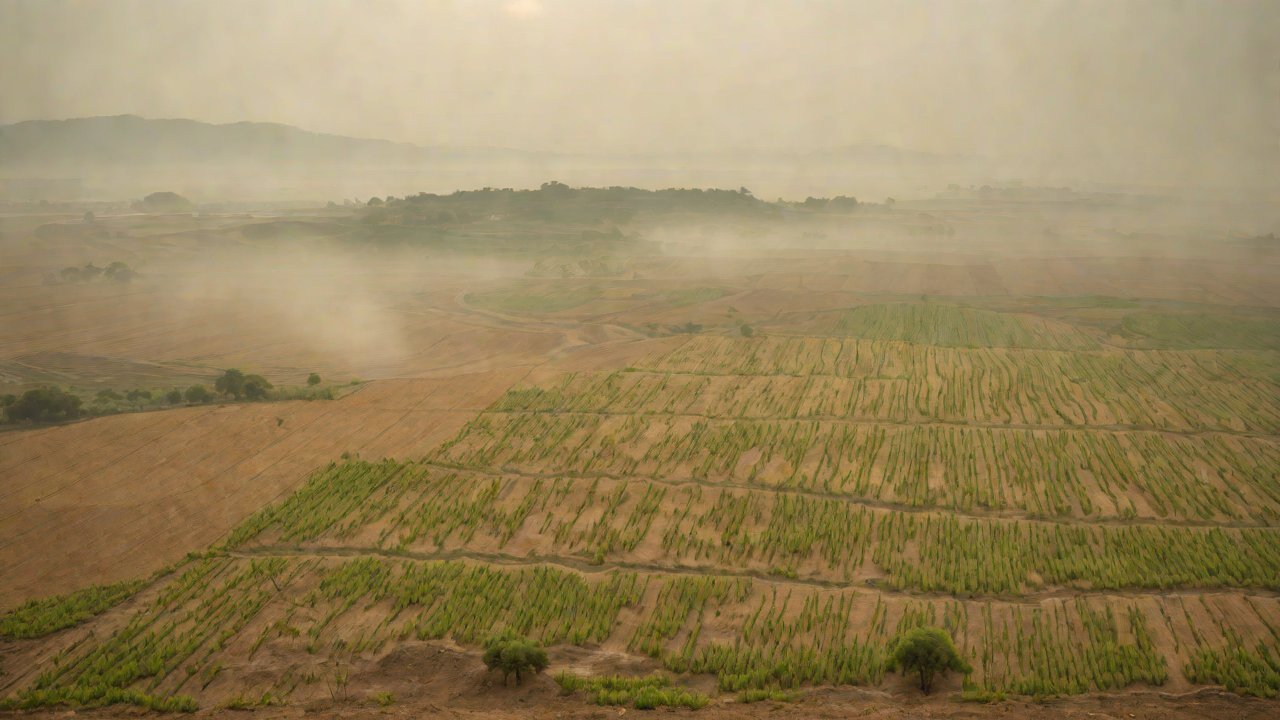
Table 2: Benefits of Variable Rate Irrigation in Dryland Agriculture
| Benefit | Impact |
|---|---|
| Increased Crop Yields | Up to 15% |
| Reduced Water Usage | 10-20% |
3. Advanced Irrigation Systems: A Key Enabler for Dryland Agriculture
Advanced irrigation systems, such as drip irrigation and sprinkler irrigation, have been widely adopted in regions with favorable climate conditions. However, their effectiveness can be compromised in dryland environments like the Loess Plateau.
To overcome these limitations, researchers are developing new irrigation technologies that prioritize water conservation and efficiency. One promising approach is the use of solar-powered irrigation systems, which harness renewable energy to pump water from underground sources or reservoirs.
Table 3: Comparison of Water Usage between Traditional Irrigation Methods and Solar-Powered Irrigation Systems
| Method | Water Usage (mm) |
|---|---|
| Traditional Irrigation | 800 |
| Solar-Powered Irrigation | 400 |
4. Challenges and Opportunities for Adoption
While the technologies discussed above hold tremendous promise, several challenges must be addressed before they can be successfully implemented on a large scale.
One key obstacle is the high upfront costs associated with installing advanced irrigation systems and precision farming infrastructure. However, these investments can be recouped through improved crop yields and reduced water usage over time.
Another challenge is the need for a skilled workforce to operate and maintain these technologies. This requires significant investment in training programs and capacity building initiatives.
Table 4: Estimated Costs and Benefits of Adopting Advanced Irrigation Systems and Precision Farming
| Cost/Benefit | Estimated Value |
|---|---|
| Upfront Costs (IRR System) | $10,000/ha |
| Improved Crop Yields (SDI) | $5,000/ha/year |
| Reduced Water Usage (VRI) | $2,000/ha/year |
5. Conclusion
The future of dryland agriculture on the Loess Plateau is bright, thanks to cutting-edge technologies that have the potential to revolutionize water usage and crop productivity. Subsurface drip irrigation, precision farming, and advanced irrigation systems are just a few examples of innovative solutions that can help farmers overcome the challenges posed by drought and water scarcity.
As these technologies continue to evolve and improve, it is essential for policymakers, researchers, and industry stakeholders to work together to address the challenges associated with adoption. By doing so, we can unlock the full potential of dryland agriculture on the Loess Plateau and create a more sustainable future for farmers and communities alike.
Table 5: Key Takeaways
| Conclusion | Impact |
|---|---|
| SDI can reduce water usage by up to 30% | Improved crop yields, reduced water waste |
| Precision farming can increase crop yields by up to 15% | Optimized resource allocation, improved decision-making |
| Advanced irrigation systems can conserve water while improving crop productivity | Reduced upfront costs, increased long-term benefits |
The future of dryland agriculture on the Loess Plateau is no longer a question of “can we” but rather “how quickly and effectively can we deploy these technologies to create a more sustainable food system?”
IOT Cloud Platform
IOT Cloud Platform is an IoT portal established by a Chinese IoT company, focusing on technical solutions in the fields of agricultural IoT, industrial IoT, medical IoT, security IoT, military IoT, meteorological IoT, consumer IoT, automotive IoT, commercial IoT, infrastructure IoT, smart warehousing and logistics, smart home, smart city, smart healthcare, smart lighting, etc.
The IoT Cloud Platform blog is a top IoT technology stack, providing technical knowledge on IoT, robotics, artificial intelligence (generative artificial intelligence AIGC), edge computing, AR/VR, cloud computing, quantum computing, blockchain, smart surveillance cameras, drones, RFID tags, gateways, GPS, 3D printing, 4D printing, autonomous driving, etc.
Note: This article was professionally generated with the assistance of AIGC and has been fact-checked and manually corrected by IoT expert editor IoTCloudPlatForm.