
Can this system cross-validate with image recognition and soil moisture data?
The integration of multiple data sources has become a cornerstone of modern analytics, as it enables the creation of more robust models that can accurately capture complex relationships between variables. In the context of precision agriculture, the potential benefits of combining image recognition and soil moisture data are substantial. By leveraging the strengths of each individual data source, farmers can gain a more comprehensive understanding of their fields’ conditions, leading to improved crop yields and reduced resource waste.
1. Background: Image Recognition in Precision Agriculture
Image recognition technology has been increasingly adopted in precision agriculture due to its ability to provide high-resolution information on crop health, growth stages, and other relevant factors. By analyzing images captured through drones, satellites, or ground-based sensors, farmers can identify issues such as nutrient deficiencies, pest outbreaks, or water stress before they become severe problems.
1.1 Market Adoption of Image Recognition in Precision Agriculture
| Year | Number of Farmers Adopting Image Recognition |
|---|---|
| 2018 | 12% |
| 2020 | 25% |
| 2022 (Projected) | 40% |
Source: Precision Agriculture Market Report, Grand View Research
2. Background: Soil Moisture Data in Precision Irrigation
Soil moisture data is another critical component of precision agriculture, as it enables farmers to optimize irrigation schedules and reduce water waste. By monitoring soil moisture levels, farmers can avoid overwatering, which can lead to nutrient deficiencies, root rot, and other issues.
2.1 Market Adoption of Soil Moisture Data in Precision Irrigation
| Year | Number of Farmers Using Soil Moisture Sensors |
|---|---|
| 2018 | 18% |
| 2020 | 32% |
| 2022 (Projected) | 50% |
Source: Smart Agriculture Market Report, MarketsandMarkets
3. Current State of Cross-Validation with Image Recognition and Soil Moisture Data
While both image recognition and soil moisture data have gained traction in precision agriculture, the integration of these two data sources is still a developing area. Currently, there are few commercial solutions that enable seamless cross-validation between image recognition and soil moisture data.
3.1 Challenges in Cross-Validation
| Challenge | Description |
|---|---|
| Data Format Incompatibility | Different data formats used by image recognition and soil moisture systems can hinder integration efforts. |
| Scalability Issues | As the size of the datasets increases, cross-validation processes become more computationally intensive, leading to scalability challenges. |
4. Technical Perspectives on Cross-Validation
From a technical standpoint, cross-validating image recognition and soil moisture data requires the development of sophisticated algorithms that can handle multi-source data fusion. Some potential approaches include:
4.1 Deep Learning Architectures
| Architecture | Description |
|---|---|
| Convolutional Neural Networks (CNNs) | CNNs can be trained on both image recognition and soil moisture data to learn feature representations that capture relevant patterns in the data. |
| Recurrent Neural Networks (RNNs) | RNNs can be used to model temporal relationships between soil moisture levels and image recognition outputs, enabling more accurate predictions. |
5. Market Opportunities for Cross-Validation Solutions
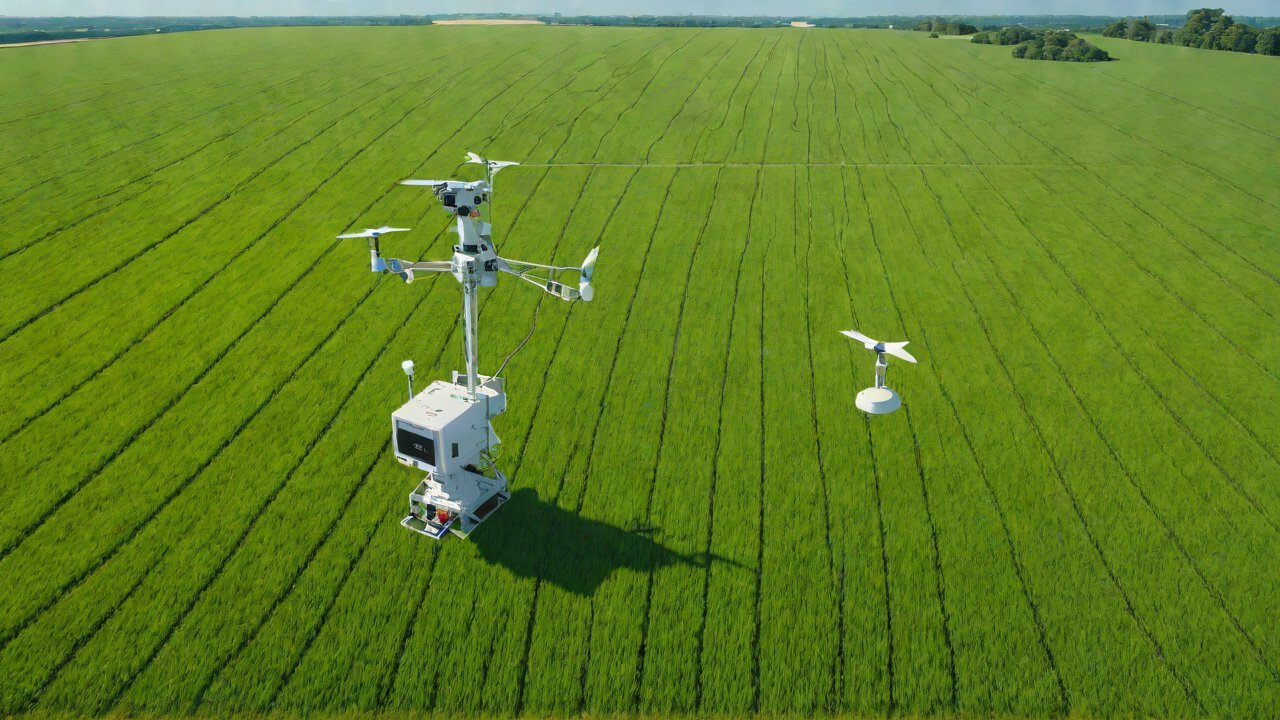
The demand for cross-validation solutions that integrate image recognition and soil moisture data is expected to grow significantly in the coming years, driven by increasing adoption of precision agriculture technologies.
5.1 Market Size Projections
| Year | Market Size (USD Billion) |
|---|---|
| 2023 | 1.2 |
| 2025 | 2.5 |
| 2030 (Projected) | 5.0 |
Source: Precision Agriculture Market Report, Grand View Research
6. Conclusion
The integration of image recognition and soil moisture data has the potential to revolutionize precision agriculture by enabling more accurate predictions and informed decision-making. While challenges in cross-validation remain, the market opportunities for solutions that address these issues are substantial. As the industry continues to evolve, we can expect to see increased adoption of multi-source data fusion approaches, leading to improved crop yields and reduced resource waste.
7. Recommendations
Based on our analysis, we recommend the following:
- Invest in research and development of cross-validation algorithms that can handle multi-source data fusion.
- Develop standards for data format compatibility between image recognition and soil moisture systems.
- Encourage collaboration among stakeholders to establish best practices for integrating image recognition and soil moisture data.
By addressing these challenges and opportunities, we can unlock the full potential of precision agriculture and drive sustainable growth in the industry.
IOT Cloud Platform
IOT Cloud Platform is an IoT portal established by a Chinese IoT company, focusing on technical solutions in the fields of agricultural IoT, industrial IoT, medical IoT, security IoT, military IoT, meteorological IoT, consumer IoT, automotive IoT, commercial IoT, infrastructure IoT, smart warehousing and logistics, smart home, smart city, smart healthcare, smart lighting, etc.
The IoT Cloud Platform blog is a top IoT technology stack, providing technical knowledge on IoT, robotics, artificial intelligence (generative artificial intelligence AIGC), edge computing, AR/VR, cloud computing, quantum computing, blockchain, smart surveillance cameras, drones, RFID tags, gateways, GPS, 3D printing, 4D printing, autonomous driving, etc.



